


 Română
  English (UK)
  Русский
  বাংলা
বাংলা  العربية
  日本語
日本語  한국어
한국어  Magyar
  Norsk nynorsk
  Türkçe
  עִבְרִית
  Español
  Čeština
  Svenska
  Português
  Ελληνικά
  Suomi
Suomi  Nederlands
  Italiano
  Français
  Polski
  Українська
  Deutsch
  简体中文
简体中文  Slovenčina
  Српски језик
  اردو
اردو  Azərbaycan dili
  O‘zbekcha
  አማርኛ
አማርኛ 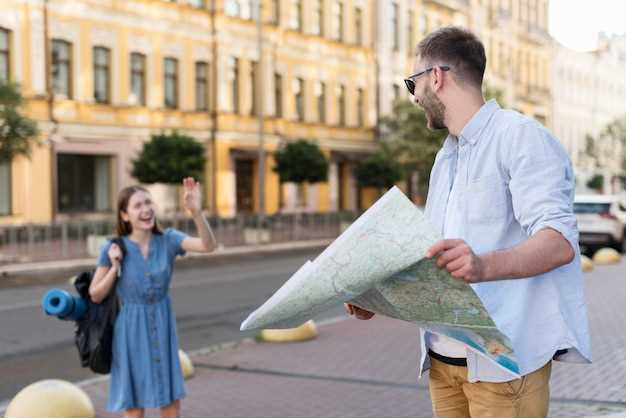 Ghid pentru prima vizită – Ce trebuie să stii înăinte de a merge în Belgia">

Keep packing light, bring two cards, and book a central hotel to minimize transit. For a first visit, focus on Brussels and Bruges in a compact two-to-three day arc, then add Ghent or Antwerp if time allows.
Belgium uses languages across regions; in Brussels you’ll hear Dutch and French, with German on the edge. You’ve heard quite a few stories about polite exchanges and quick switches between tongues, which makes asking directions easy. Carry a small pocket guide or offline translation app to bridge gaps in local conversations and edge closer to authentic experiences.
Food highlights include waffles with crisp edges, frites with sauces, and omeletă fillings you can customize at street stalls. In summer, markets buzz with vibes, and chocolate tastings pair with taste of roasted coffee. If you crave local flavors, ask locals where to find a classic speculoos or a local cheese shop.
Useful logistics: pack for weather that can swing from sunny to drizzly; Belgian trains run every 15–30 minutes between major cities, so a multi city plan can be efficient. Look for deals pe hoteluri near central stations and check weekend promos. For summer trips, books early to lock in hoteluri rates and avoid peak crowds; consider daylight hours and crowding near attractions to balance heavy foot traffic with relaxed breaks.
Before you go, assemble a simple plan to pace your days, reserve a couple of meals focused on taste și beers, and let the local vibe guide your route. Belgium will welcome you with easy-to-reach stops, straightforward transit, and memorable moments that fit a first-timer’s pace.
What to Know Before You Go: A Gourmet Trip to Belgium
Reserve a tasting at a fine Brussels bistro near grand-place on opening day to anchor your plan and give you a clear sense of Belgian craft.
Here is a practical guide to help you explore attractions, avoid heavy crowds, and sample the country from its best angles. Maybe you will discover new favourites as you go.
- Language and regions: Belgium divides into Dutch-speaking areas in the north and Walloon zones in the south, with a central francophone belt around Brussels. In major cities, staff speak English, but a few words in french or dutch will open doors here and there; signs often name ingredients and local producers.
- What to taste: moules-frites, Belgian chocolate, pralines, and a cheese board form a strong baseline. Similar dishes appear across cities, but each area adds its own twist that tourists should seek. This is a fine starting point to map a flavour arc from starter to dessert.
- Where to go: Brussels offers grand-place and chocolate shops within steps; Ghent and Bruges provide calmer lanes and riverfront cafés. Those towns host colourful markets and fair stalls that let you sample several bites in one walk. Each place has its own attraction that showcases local craft.
- Market timing and opening hours: markets typically open in the morning; early visits help you miss the heaviest crowds and catch the freshest produce, fish, and pastries.
- Practical moves: plan a compact route to reduce driving and heavy traffic; trains connect cities efficiently, and parking near stations is often easier than parking inside historic centers. Shouldering a light bag helps you move swiftly from one venue to the next.
- Regional flavours and identity: in the dutch north you’ll taste crisp, salty notes; in the walloon areas you’ll find richer sauces; in Brussels you’ll encounter a blend of styles. walloon dishes vary by town; if you doubt the range, try a tasting menu named after a region, and compare the differences between them.
- Tips for enjoying more: if you miss a dish in one city, you can often find a similar plate elsewhere. Those small discoveries make the trip memorable; think of it as a culinary study rather than a single meal.
Plan with flexibility: Belgium rewards patience with vibrant, colourful flavours, careful textures, and well-paired drinks. If a spot feels crowded, move to a nearby café for a coffee and watch the city pass by; however, the best bites often come from low-key places away from the loudest routes.
Entry requirements: visas, passport validity, and travel documents
Check passport validity before booking flights to Belgium to avoid last-minute issues.
Belgium follows Schengen rules. A 90/180 day limit applies for visa-free travellers; you can stay up to 90 days within any 180-day period without a visa. If your nationality requires a visa, apply at the Belgian embassy or consulate or through the official visa website well before you travel; processing times vary, but start with at least 15 days and allow extra time during peak seasons.
Passport validity matters: your passport should be valid for at least 3 months beyond your planned departure from the Schengen area and must have been issued within the last 10 years. Some airlines may require 6 months of validity, so always confirm with the airline you booked and your ticket issuer.
Travel documents you’ll need: a completed visa application (if applicable), a valid passport, recent photos, proof of travel insurance with minimum coverage of 30,000 euros, proof of accommodation or an invitation letter, and a return or onward ticket or funds to cover your stay. For trips to Antwerp or ghents, carry hotel confirmations and a clear plan, and keep digital copies on your phone as backups. Some local guides mentioned a quirky term named darthet; it describes a practical prep note, but you still rely on official documents for border control.
If you arent sure whether you need a visa, check the official website of your country’s Belgian embassy and compare notes with the time frames listed there. Heres a simple rule: use the website for the latest requirements, then verify with the airline since airlines sometimes add stricter checks. In practice, bring printed copies of your documents and store backups in your email or a cloud folder, so you can access them even if your phone dies. When you travel between Antwerp, ghents, or other Belgian cities, keep your documents organized and ready for presentation at the station or airport.
Packing list for a Belgium foodie trip: wardrobe, gadgets, and snacks
Grab a compact daypack, a lightweight waterproof shell, and a warm layer for Belgian evenings. Choose breathable fabrics for long strolls through markets, and pack one heavy coat for late-year fog and rain. Add comfortable walking shoes and a compact umbrella, plus a versatile scarf that doubles as a light blanket on chilly hotel lobbies near grand-place. This year, keep the wardrobe flexible to adapt to showers and sun between breaks for tasting stories. Bring a small bill sleeve to manage hotel bills and tips.
Gadgets keep you connected without weighing you down. Pack a compact power bank, a USB-C charger, and a universal adapter so battery issues don’t slow you down during a flight. Know whats allowed in cabin bag to avoid delays at the gate. Clip a small tripod or stand for quick photos, and store offline maps so you can reach markets and walloon bakeries even when signal is weak. A slim camera or a phone with a solid camera works well for chocolate shots and street scenes, and a spare SIM keeps you online across europe. Ensure devices stay charged with the power bank, and do this while you wait for a table or during a market rush, so you can post updates without missing taste moments.
Snacks should travel well and tempt locals. Pack high-energy options: dark chocolate from a walloon chocolatier, buckwheat crackers, and dried fruit. Bring a compact tin of biscuits and a few speculoos for hotel time or border wait. Grab a small selection so you can share with a tourist or a friend on the way to the grand-place. Keep a leakproof container for drippy chocolate so your clothes stay clean. These snacks make great doing bites during long queues or trains. thats how you stay prepared for baffling queues and surprising tastings, even if you need a quick bite on the go.
Belgian flavors show up in everyday moments: signs of good craft appear in a classic waffle, a walloon chocolate sample, and a well-balanced meal at a market stall. Were you curious about whats next, the country’s best bites come from small producers rather than big hotels. whats more, sharing a tasting with locals creates stories you’ll remember when you land back home, and the comments you post connect with fellow travelers. Keep time flexible, enjoy the grand-place scenery, and savor movie moments as you stroll between tourist routes and hidden alleys. thats why a serious foodie plan helps you balance sightseeing with stops at bakeries, cafés, and farmers’ stalls.
Where to eat: must-visit neighborhoods and must-try Belgian dishes
Start in antwerps old town where the main square pulses with life, and order a traditional stew with fries from a local counter; the opening hours are friendly, and you’ll join a group who share vibes about the city on sunday. This is a must for anyone seeking honest Belgian flavors, really.
In ghents, explore canal-side neighborhoods such as Patershol and Graslei, where heritage buildings rise along the water and artworks dot the streets. Join a small local group for a coffee and a view, where speaking with a chef reveals why this city treats fish and frites with care, and where you can find a comforting stew on a chilly afternoon.
Move on to louvain, where time slows on cobbled main squares and the student buzz keeps life lively. The walloon heritage shines in brick buildings, and officially the city blends tradition with modern vibes; speaking with locals, you’ll hear stories that were passed down about dishes that honor a long past.
Must-try Belgian dishes sit at the heart of every bite. In antwerps you’ll savor mussels with fries and a rich beef stew; in ghents try waterzooi with cream and herbs, and in louvain a hearty stoofvlees-style dish that pairs with a dark ale. Find a sunday opening menu that rotates seasonal dishes, sometimes offering a suite of small plates to compare flavors; this really gives you a sense of life and heritage.
Booking smarter: chocolate tours, beer tastings, and chef’s table experiences

Book smarter with an official combo that bundles a chocolate tour, a beer tasting, and a chef’s table into one reservation. Use cards or passes that cover multiple venues and transport, so travelling between Brussels, Bruges, and Antwerp stays smooth. Sometimes these bundles include guided commentary, tasting portions, and a seat at the chef’s table, not just a list of addresses. What you save in time, you can reinvest in local experiences and keep the limit on spending predictable.
Tururile ciocolatiere ar trebui să includă ciocolatieri vechi de secole din centrul orașului și case celebre care au păstrat meșteșugul timp de zeci de ani. Rezervați prin site-uri oficiale pentru a fixa o oră și a evita suprataxe confuze de ultim moment. Așteptați-vă la degustări care evidențiază fructe și praline, plus câteva favorite de la producătorii locali. Unele tururi traversează granițele țărilor în câteva ore, arătând modul în care cacao a călătorit prin țările europene și modul în care gustul a evoluat de-a lungul tradițiilor vechi de secole.
Degustări de bere: alege experiențe autentice cu bere belgiană la berării sau pub-uri istorice. Rezervă direct de pe paginile oficiale; multe oferă o perspectivă din culise asupra procesului de fabricare a berii și o degustare ghidată care explică hameiul, malțul, apa și maturarea în sticlă. Uneori, poți asorta cu gustări locale, cum ar fi brânză sau aperitive prăjite crocante, inclusiv chiftele și alte favorite regionale. Leuven, Ghent și Antwerp ancorează itinerariul, cu berării mai mari care oferă o perspectivă mai profundă. Belgii apreciază punctualitatea, dar degustările în sine pot fi surprinzător de nuanțate; cu toate acestea, planifică puțin timp suplimentar pentru notele de degustare.
Experiențe la masa bucătarului: în bucătării vechi de secole, puteți observa bucătarul la lucru în timp ce savurați un meniu cu mai multe feluri. Așteptați-vă la un format interactiv și apropiat, precum și la feluri de mâncare create pentru a prezenta producătorii locali. Dacă doriți să încercați un anumit fel de mâncare, cum ar fi un fel cu chifteluțe, verificați meniul înainte și rezervați un loc care să permită mai mult timp pentru întrebări. Aceste aranjamente includ adesea vin sau sucuri artizanale asortate cu fiecare fel de mâncare, transformând o cină într-un eveniment culinar compact, care merită investiția pentru călătorii pasionați de gastronomie.
Sfaturi practice: uneori, o rezervare în timpul săptămânii te ajută să eviți aglomerația; alegerea unei cazări la distanță de mers pe jos te scutește de timp și nervi. Folosește paginile oficiale de rezervare și citește ce este inclus, de la introduceri ghidate până la porții de degustare și opțiuni de desert. Dacă optezi pentru mai multe experiențe, coordonează orele pentru a minimiza timpul de tranzit și a menține ritmul. Dacă călătorești cu un grup, solicită opțiuni private sau semi-private pentru a menține ritmul aliniat cu preferințele și confirmă dinainte nevoile alimentare. Pentru weekendurile aglomerate, rezervă cu cel puțin două săptămâni înainte pentru a-ți asigura locul, în special pentru locurile la masa bucătarului. Dacă dorești o experiență mai amplă, ia în considerare o ședere mai lungă care să-ți permită să ai parte de mai multe experiențe de-a lungul unui deceniu de evoluție culinară.
A alege cu inteligență oferă o imagine mai bogată a culturii belgiene: măiestria ciocolatei, tradiția berii și bucătăria condusă de chefi, toate într-o singură călătorie. Călătoriile prin locuri europene devin mai ușoare atunci când planifici în funcție de orarele oficiale și sfaturile locale; vei ajunge să ai experiențe mai mari, care te vor însoți mult după ultima îmbucătură. De la magazine vechi de secole până la săli de degustare moderne, țara oferă multe locuri de explorat, iar rezervările potrivite îți permit să guști din ceea ce preferă localnicii – favorite care variază în funcție de regiune și sezon și care te fac să revii pentru mai mult.
Eticheta la masă, norme privind bacșișul și fraze de bază pentru mese
Înainte de a te așeza, verifică nota de plată pentru servicii. Dacă serviciul este inclus (service compris), bacșișul este opțional; altfel, un bacșiș de 5-10% pentru un serviciu bun este obișnuit. Într-un restaurant elegant din Belgia, rotunjirea la cel mai apropiat euro este suficientă pentru a-ți arăta aprecierea, iar acest gest înseamnă mult pentru personal.
Deși eticheta variază în funcție de local, în oraș și pe străzi trebuie să salutați personalul cu un zâmbet, să spuneți vă rog și mulțumesc și să vă mențineți umerii relaxați în timp ce vorbiți. În regiunile francofone, folosiți s’il vous plaît și merci și răspundeți politicos dacă personalul trece la engleză.
Meniurile și orarele oficiale sunt postate oficial pe site-ul web; dacă doriți versiunea în engleză, întrebați ce ar trebui să spuneți. Această abordare funcționează în multe stabilimente din apropierea zonelor centrale din Belgia, unde personalul multilingv vă ajută să vă simțiți confortabil în timpul mesei.
Experiența culinară belgiană poate surprinde cu o notă suprarealistă în prezentare, mai ales la desert, unde sculpturile din ciocolată sau aranjamentele de fructe evocă artă jucăușă. Aceste momente se întâmplă cel mai adesea în centrul orașului, lângă o piață, și fac masa memorabilă. Dacă ai venit cu prieteni, puteți împărți o farfurie de degustare pentru a gusta aceste arome.
Ceea ce spui la masă contează pentru serviciu. Aceste fraze de bază mențin fluxul lin și arată respect:
| Situation | Fraza | Note |
|---|---|---|
| Meniu în engleză, vă rog. | Aș putea să văd meniul în engleză, vă rog? | Utile când meniul este doar în franceză sau olandeză. |
| Recomandări | Ce recomandați astăzi? | Minunat să încercați specialitățile zilei. |
| Comandă | Aș dori felul recomandat, vă rog. | Întrebați despre specialitățile regionale dacă nu sunteți sigur. |
| Drinks | Aș putea să primesc o apă plată, vă rog? | Specifică plată sau carbogazoasă. |
| Cererea de plată | Pot să primesc nota, vă rog? | Pont: puteți adăuga bacșiș la plata cu cardul sau puteți lăsa numerar. |
| Thank you | Mulțumesc, a fost delicios. | Comun în zonele francofone; un zâmbet ajută. |
Plata înseamnă mai mult confort dacă ești atent la modul în care lași bacșiș. În Belgia, poți folosi cardul sau numerar; aceste mijloace se adaptează locului. Dacă stai într-o cazare cu bagaje, dulapurile pot păstra bagajele în siguranță în timp ce ieși pentru o gustare rapidă. Tarabele cu fructe de lângă restaurant oferă opțiuni proaspete dacă dorești o gustare ușoară și sănătoasă după o plimbare lungă pe străzi. Dacă conduci, planifică o oprire lângă o piață centrală pentru a te dezmorți și a lua o masă fără grabă. Această abordare face călătoria mai plăcută și merită efortul pentru orice vizitator în Belgia, mai ales când îți dorești o experiență culinară lină lângă o statuie a unui sfânt într-un colț liniștit al orașului.