


 Română
  English (UK)
  Русский
  বাংলা
বাংলা  العربية
  日本語
日本語  한국어
한국어  Magyar
  Norsk nynorsk
  Türkçe
  עִבְרִית
  Español
  Čeština
  Svenska
  Português
  Ελληνικά
  Suomi
Suomi  Nederlands
  Italiano
  Français
  Polski
  Українська
  Deutsch
  简体中文
简体中文  Slovenčina
  Српски језик
  اردو
اردو  Azərbaycan dili
  O‘zbekcha
  አማርኛ
አማርኛ 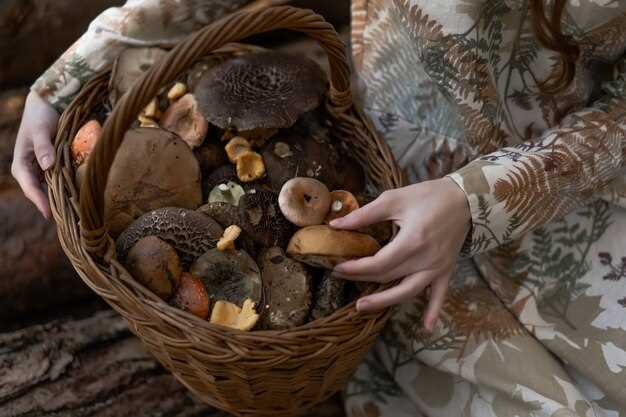 Exploring the World’s Renowned Truffle Regions – A Gourmet Travel Guide">
Begin your gourmet trail in france’s historic truffle towns with a concrete plan: hire an experienced hunter, verify harvest windows, and book a table at a local bistro. These regions reward early starts, and the scent of harvested treasures travels from the valley to the town square, filling tables with the aromas of foods.
Where you base yourself affects the find: these proven terroirs host yields that vary with rainfall and soil layers across these regions. In france and italy, trained dogs and their handlers partner with historic families across small town markets. Depending on the year, peak aroma appears from late autumn through winter, and vendors show how harvests move from fields to tables as you sample foods.
Choose one region as your base and build day trips to nearby towns and valleys. Your relationship with the season grows clearer as you compare two neighboring soils–layers in one valley and richer loam in another–each yielding different depths of aroma on the plate.
Plan tasting sessions around peak availability, with verified suppliers and seasonal menus. In town markets you’ll find varieties labeled by origin; Alba white truffles fetch higher prices, while black truffles from france offer robust notes. More data and stories come from speaking with harvesters in hillside valleys, where you can observe how harvested fungi are kept clean and then shaved over local foods at the dinner tables.
Wherever you go, respect the locals and the rhythm of harvest. Your itinerary should balance verified tastings with downtime in historic town squares, where you can discuss food pairings with chefs and farmers and learn how legends about these fungi grew in the valley. This plan helps you build a relationship with the towns, the producers, and the foods you love, and it leaves room for more discoveries in future travels.
France’s Truffle Terrain: A Practical Gourmet Guide
Start in Périgord Noir, Dordogne, where the winter harvest yields prized black truffles. travel with a trusted hunter or join a traditional foraging walk to see how dogs sniff out tubers and how the scent fills the air with a fresh, earthy smell. youll learn how to handle the fruits of the season, then visit a local producer for firsthand insights into the craft.
Better to loop your route through places such as Sarlat-la-Canéda, Montignac, and the surrounding villages where markets showcase the harvest. In these settings, a glass of local cider or white wine enhances the aroma, and you can compare paste, oil, and shaved truffle on uncomplicated dishes. keep the experience simple: you want the truffle’s character to settle on the memory of the dish, not overwhelm it.
Summer truffles offer a lighter perfume and can be found in Drôme and Provence hills; these kings of the tubers still command respect, though the winter black truffle remains the most prized. If you plan a broader circuit, istria can sit nicely as a reference point for coastal aromas, sabato tastings, and cross-border menus. youll meet lucky producers who love what they do, and sure, you can ask about the case for buying direct from the farm – often a smarter choice than chasing novelty elsewhere.
- Season and places: focus December–February for black truffles in Périgord Noir; add a summer segment in Drôme for Tuber aestivum var. uncinatum.
- How to hunt: join a trained hunter, observe traditional methods, and respect the field boundaries; note that dogs are usually preferred for speed and sensitivity.
- Firsthand experiences: visit a producer, learn harvesting tricks, and taste on site; ask about storage and handling to keep freshness.
- Tasting and pairing: keep solo tastings light; pair shaved truffle with eggs, pasta, or risotto, plus a few hazelnuts for contrast. use a small glass of olive oil or fondly scented oil to finish.
- Logistics: plan next steps around castle towns, local markets, and sabato gatherings; coordinate with guides to maximize time and minimize travel fatigue.
In practice, your France trip should prioritize quality over quantity: aim for 2–3 producer visits per day, then relax at a family-run inn where you can savor the aroma in the air and reflect on the day’s discoveries. If you want a concise takeaway, start with the Périgord Noir’s winter harvest, sample fresh products at the source, and let the memory of the fruit’s aroma guide your next culinary stop.
Seasonality and harvest calendars by region
What to plan: map your route by region’s seasonal windows and lock in verified harvest days with local associations. In Piedmont, white truffles dominate October through December, while the black winter truffle thrives December to March. These windows matter for your travel pace and for lunch plans, because the fungus aroma changes with rain, soil, and harvest–that translates into good food and a memorable experience for any food lover.
In Périgord, the black truffle appears December through March, infusing dishes with a deep, earthy smell. In Tuscany and Umbria, autumn and winter yields coincide with January sweetness and stronger aroma. Francesca, a guide in a small village, explains how rain and soil moisture shift the smell and how local cooks create a wonderful lunch using seasonal producing ingredients that reflect home traditions and handed-down knowledge.
Across Istria, Dalmatia, and parts of Provence, summer black truffles emerge May through August, offering lighter, fruity notes. These calendars are handed down by village producers and verified by local guilds, ensuring you can plan trips that feel both authentic and alike in rhythm across seasons.
To make the most of your travels, observe how these fungus produce layers of aroma from soil to plate. Field walks lead to tastings with English-language explanations, then a lunch that celebrates the seasonal harvest and regional bread. These places often welcome visitors with warm, good hospitality and a sense that you’ve found a home away from home.
holidoit reminds travelers to verify calendars before travel and to stay flexible if rain shifts the windows. When you book, ask about the exact day of truffle scent, the kind of fungus you’re seeking, and the village’s usual lunch options. That approach keeps your schedule realistic and travel-friendly, so you don’t miss out on a high-quality experience.
For the adventurous, combine two regions for a deeper sense of the worlds of culinary travel: English-language guides, the scent of fields, and a village menu that feels like home. With a bit of luck, you’ll discover wonderful places where the seasonal harvest shines, and you’ll travel with good memories and a sense of home in every stop.
Where to source truffles legally in France: markets, foragers, and licensed sellers
Begin at Lalbenque Market in Lot to source legally: licensed sellers provide verified truffles with clear origin tags, so you can confirm harvest details before you buy.
In Richerenches, Vaucluse hosts one of the largest seasonal markets, where baskets from oak stands and surrounding garrigues tell the story of the ground they come from; expect pictures of provenance and direct interactions with sellers who stand behind their product.
For foragers, join a licensed guided tour; they arrive prepared and carry permits that guarantee sustainable collection and respect for the terrain, letting you learn without risking legality.
Licensed sellers stand out by offering verified provenance and clear labeling from recognized producer networks; ask for origin certificates and traceable information so you know exactly where the tubers were found.
Storage and use stay simple: wrap the truffles in paper, place them in a glass jar in the fridge, and brush off any remaining soil before use; they reward careful handling, and you can prepare them fresh or infused in butter or oil for truffle-infused dishes.
These truffles shine with good pairings: a light shave over pasta or risotto elevates the dish, and pairing with wines enhances the aroma; a squeeze of limes can brighten the finish, making for a delicious, frankly unforgettable experience often described as kings among mushrooms.
To place these sourcing options in a broader frame, florence and umbria offer parallel models of provenance and quality; in umbria, umbrian producers and names like Luca from Brava demonstrate how trusted networks support consistency, while english-speaking buyers can appreciate clear pictures, labels, and explanations that travel well with the product.
Conclusion: by sticking to markets, foragers with permits, and licensed sellers, you secure good, unique truffles with verified origin, and you gain a real opportunity to explore France’s truffle regions with confidence until you taste the truffle-infused results firsthand.
Périgord black truffle hotspots: towns, terroir, and seasonal highlights
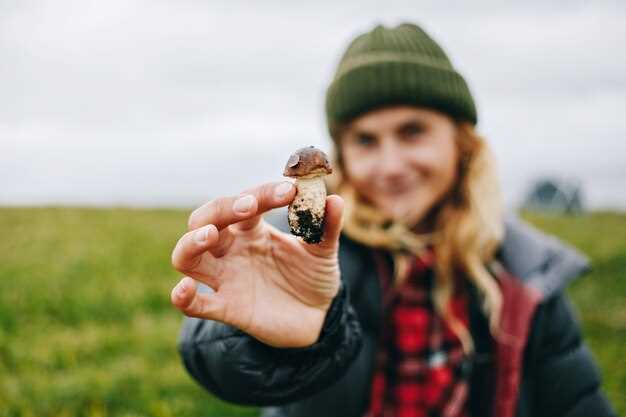
Base in Sarlat-la-Canéda for easy access to forests and markets, then book a morning truffle hunt near Beynac-et-Catan to start your trip with an outside-the-city experience.
The terroir of Périgord Noir centers on calcareous limestone soils, where oaks form dense canopies that host the black truffle. In Domme, La Roque-Gageac, and Montignac, slopes rise toward the Dordogne, delivering a cool microclimate that concentrates aroma. Family-owned farms around these towns run small groves and welcome visitors for hands-on tastings, often after a lunch prepared with fresh truffles, hazelnuts, and herbs. Both dogs and trained pigs locate the fungi.
Seasonal highlights: the winter season runs December through March, with peak in January and February. Markets glow with shaved truffles, infused oils, and jars of preserves. The experience started with a dawn truffle hunt and became unforgettable as a lunch featuring truffle-infused eggs, pasta, and duck. For a very refined touch, reserve a dining room that serves truffled foie gras, wild mushrooms, and toasted brioche. Lizzy, an expert guide, will lead the hunt and youll join a great luxury lunch in a stone dining hall. Year after year, the aroma grows more inviting.
Practical tips: stay in family-owned inns, enjoy tables outside on a terrace, and sample a lunch with shaved truffles, duck, and a board of cheeses. Visitors from slovenia often start their day with a tasting and share photos on pinterest. For home-pantry shopping, pick up fresh truffles, hazelnuts, and jars of infused oil at the markets; seek good value at Beynac or Montignac stalls. If you crave luxury, choose a dining room that pairs Perigord truffles with Bergerac wines or Monbazillac dessert wine.
To plan cleanly, map Sarlat as a hub, then set day trips to Domme (about 30 minutes by car) and Beynac-et-Catan (roughly 15 minutes). In season, combine truffling with lunch or casual dining at family-owned farms, where the flavors of the oaks and soil shine on every plate.
Provence truffle trails: markets, tours, and foraging rules
Book a guided foraging walk with a family-owned producer in the Luberon valley, a beautiful landscape, to access private plots, observe a coat of earth on the roots, and learn etiquette that will keep picking sustainable and every bite high-quality.
During the truffle season, markets in Richerenches, Valréas, and Carpentras attract many buyers and locals. You will find high-quality black truffles (types include black Périgord Tuber melanosporum) and occasional summer varieties from other producers. The stalls display pictures of the harvest and notes from their teams; if booked in advance, you can pair a market visit with a short tasting and a chat about how their plots span many hectares.
Guided tours combine walking with on-site foraging demonstrations. Although some paths wind through olive groves, tours stay pace-friendly for beginners. Types of tours include foraging-only routes, market-to-table experiences, and kitchen demonstrations that end with a tasting. Walking between stalls, you meet people who love the craft; some guides collaborate with slovenia-trained specialists to bring unique techniques and a brava touch to their instructions.
Foraging rules: Always ask permission on private plots; never take more than you will use; keep a light footprint and avoid damaging soil and mycorrhizal networks; dogs may be allowed on leash, but respect the guide’s rules in each spot. Wear a light coat in cool months, stay on established paths, and avoid protected zones. After harvest, store truffles in a cool place, ideally in homemade bags or cloth wraps to preserve aroma.
Shopping and tasting tips: Look for high-quality truffles with a strong aroma and a firm feel; buy from family-owned farms, where many products carry homemade quality marks. Some vendors offer dasti-labelled jars, truffle salt, and oil, all presented with brava attention to detail. For a simple luxury pairing, try french cheese, a squeeze of lime or limes, and rustic bread to highlight the truffle’s perfume.
Culinary experiences and pairing ideas: tastings, demonstrations, and wine matches
Book a guided trifulau-led tasting in Marche during March to savor freshly harvested truffles and enjoy an unforgettable luxury experience locals alike call a travel treat.
Organizate în zonă, aceste degustări se concentrează pe alimente care evidențiază uleiurile aromatice eliberate prin felierea trufelor pe platouri simple: mușcături de mămăligă cu trufe, pecorino, măsline și pâine crocantă. Fiecare fel ar trebui să dezvăluie modul în care parfumul se schimbă pe măsură ce felul de mâncare se încălzește și apoi se răcește, invitându-vă să mirosiți, să gustați și să comparați. În unele locații, explicațiile și meniurile sunt în engleză pentru a ajuta oaspeții internaționali.
În demonstrații, urmăriți trifulau și vânătorii cum rad diamante peste risotto sau paste, apoi finisează cu un strop de ulei de măsline și un praf de sare de mare. Făcând aceste feluri de mâncare simple să încânte, veți pleca cu o metodă specială pe care o puteți încerca acasă în aceeași zi. Când vă întoarceți acasă, puteți recrea momentul pentru prieteni și familie.
Asocierile de vinuri ar trebui să înceapă cu un Verdicchio dei Castelli di Jesi, a cărui aciditate crocantă curăță palatul, apoi să se îndrepte spre Rosso Conero sau Lacrima di Morro d’Alba pentru a amplifica gustul pământesc. Un spumante ușor între feluri de mâncare împrospătează palatul, iar un vin roșu robust se potrivește cu preparatele mai bogate, dominate de brânză. Prin aceste asocieri, aromele alimentelor și ale vinurilor se armonizează, mai degrabă decât să concureze.
Timpul și locul contează: alocă 2-3 ore pentru o degustare și 60-90 de minute pentru o demonstrație live. Dacă grupul tău este mare, o sesiune privată îți permite să adaptezi ritmul, mâncărurile și vinurile la gusturile tale. În funcție de planul tău, include o plimbare prin piață sau o excursie în pădure ca să vezi unde sunt culese aceste delicatese de localnicii care le fac faimoase în regiunile lor.
Aceste experiențe vă invită să luați parte activ: observatorii devin participanți în timp ce vizitați grădini de ierburi, piețe și marginea pădurii, acolo unde începe recolta.
| Experiență | Regiune/Zonă | Format | Asocieri Sugerate | Cel mai bun moment |
|---|---|---|---|---|
| Sesiune de degustare | Marche (Acqualagna, Jesi) | Platouri mici, uleiuri și brânză | Verdicchio dei Castelli di Jesi; Lacrima di Morro d’Alba | Dimineața–prânz |
| Demonstrație | Tururi ghidate de Trifulau | Bărbierit, sosuri pentru finisare | Rosso Conero; cupaje de Sangiovese | După-amiază devreme |
| Tur ghidat de degustare asocieri de vinuri | Coasta Conero, dealurile din jur | Cursuri asociate | Spumante, Verdicchio, Rosso Conero | Seară |