


 Română
  English (UK)
  Русский
  বাংলা
বাংলা  العربية
  日本語
日本語  한국어
한국어  Magyar
  Norsk nynorsk
  Türkçe
  עִבְרִית
  Español
  Čeština
  Svenska
  Português
  Ελληνικά
  Suomi
Suomi  Nederlands
  Italiano
  Français
  Polski
  Українська
  Deutsch
  简体中文
简体中文  Slovenčina
  Српски језик
  اردو
اردو  Azərbaycan dili
  O‘zbekcha
  አማርኛ
አማርኛ 
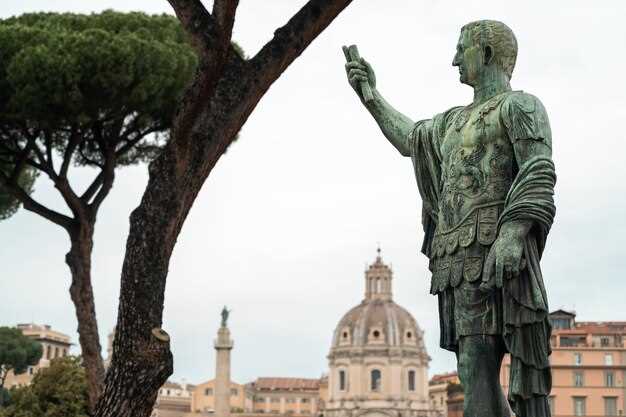
The beautiful city of Rome holds countless stories within its ancient structures, and among them lies a powerful narrative of World War II. As you walk through the streets, you can almost feel the echoes of history that are always present, especially when you stand near significant sites that depict the struggles and resilience of the people during that tumultuous time. The afternoon sun casts its warm glow on the Colosseum and other magnificent buildings, showcasing a city that has weathered the storms of empires and wars alike.
In this article, we aim to guide you through eight must-visit museums and memorials that serve as reminders of the impact of WWII on the lives of Romans and Italians. When planning your trip, consider exploring various spots that not only highlight military history but also delve into the cultural transformations that occurred due to the conflict. The rich collections of artifacts, photographs, and documents within these facilities can provide an intimate look at events that changed the course of history.
Among the architectural wonders, like the ancient structure of the Maxentius Basilica and the modern exhibitions, you will find numerous places where the Italian army and residents faced the realities of war. Whether you have a keen interest in military history or are just looking for a meaningful travel experience, these sites are sure to resonate with you. Each museum presents its own unique perspective on the past, allowing visitors to walk the same paths that soldiers and civilians once traveled under the looming threat of Hitler’s regime.
As you book your itinerary, consider using an e-sim for easy navigation and access to maps to ensure you don’t miss any important dates or exhibits. From the Quattro Fontane to the historic Porta San Paolo, these sites offer a larger glimpse into the challenges faced during the 20th century. Amongst the stories, you will find the courage of people coming together in the face of adversity, and the history of their struggles is vital to understanding everything Rome has achieved and endured.
The National Museum of the Italian Liberation
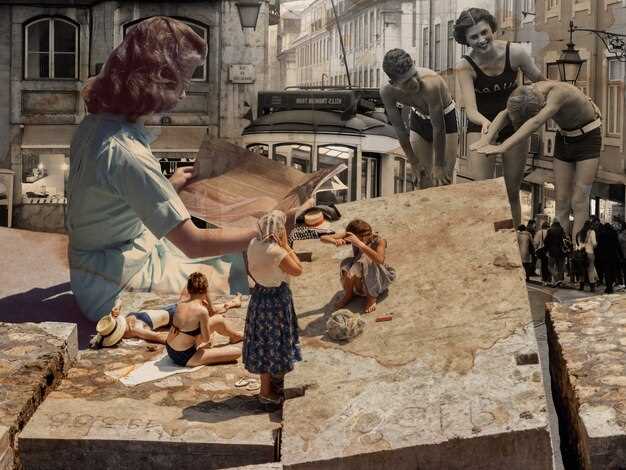
The National Museum of the Italian Liberation is a truly powerful site where visitors can deeply engage with the rich history of Italy during World War II. Located between the incredible Renaissance and medieval architecture of Rome, this museum stands as a testament to the sacrifices made and the struggles faced by the Italian people during the war.
Originally established in the early 1990s, the museum is dedicated to showcasing the history of the Italian resistance against fascism and the Nazi occupation. Everything from photographs to artifacts, including the historical stolpersteine, can be found within its walls, providing an array of insights into this tumultuous period.
- The museum includes sections on the rise of Mussolini and how his regime contributed to the war effort.
- There are displays dedicated to the various resistance movements that arose throughout Italy.
- Visitors can learn about the powerful narratives of local heroes who stood up against oppression.
Walking through the museum, one finds themselves moving through time, with each line of text and each exhibit designed to evoke a sense of the era. The main hall is adorned with arches that echo the grandeur of ancient Roman structures, yet are filled with the somber reminders of war.
At the bottom of the museum, a striking visual display recounts the story of the Liberation of Italy. Here, the visitor can stand close to the original documents and declarations that marked the end of oppression, allowing a direct connection to historical figures like Peter and Danny who played significant roles.
As you explore the various rooms, you realize how the Italian Liberation was not just a fight for freedom from foreign power, but a true battle for identity and dignity in the face of incredible adversity. This museum stands as a door to the past, opened to those willing to learn about the sacrifices made by everyday people.
The museum often hosts temporary exhibitions, enhancing its offerings and keeping history alive for all who walk through its doors. It reflects the resilience of the Italian spirit and the ongoing dialogue about freedom and justice, relevant even today.
For anyone travelling to Rome, a visit to the National Museum of the Italian Liberation is more than just an educational outing; it becomes a wandering experience through history that leaves visitors thoughtful about the past and how it continues to shape our present. Whether you’re an avid historian or simply curious, this museum is a wonderful opportunity to delve into the depths of Italy’s wartime legacy.
What to Expect When Visiting
When planning your visit to WWII sites in Rome, it’s essential to understand the typical tourist experience. Many areas are designed to accommodate visitors, ensuring a seamless exploration of the city’s rich history. As you prepare, expect to follow several key steps to get the most out of your journey.
Upon entering most museums and memorials, you will be greeted by iconic structures that date back several centuries. These buildings are impressive both for their architectural grandeur and the stories they hold. For example, the Castel Sant’Angelo, originally built as a mausoleum for Emperor Hadrian, is now a testament to Rome’s layered history. You will have the opportunity to view well-preserved frescoes and artifacts that recall the tumultuous times of World War II.
For a more immersive experience, consider engaging a guide to help you navigate through the site. Guides can provide in-depth insights into the significance of each location, from the ominous Porta Venezia to the memorials that pay homage to the brave individuals involved in the Resistance. Their knowledge will enrich your understanding of the events that unfolded during such a critical period in history.
While exploring, plan to visit the different exhibitions on display. Each location showcases unique elements, from tombs of significant figures to entire wings dedicated to the wartime experience of the Romans. You may encounter interactive displays that invite you to click and learn more about specific events, making it an engaging experience.
Furthermore, don’t miss the opportunity to step into the caves and ancient ruins that truly encapsulate the Roman spirit. These sites, often hidden at the bottom of more modern structures, tell stories that are as captivating as those found in the more famed buildings. The contrast between the old and new speaks volumes about how Rome has evolved over centuries.
As you stroll through these historical destinations, take a moment to reflect on the people and events that have shaped this legacy. Remember that many Italians view these places as sacred; respect the somber atmosphere, especially in memorial areas. It’s a chance to remember those who fought for freedom during a time of intense darkness.
In summary, preparing for your visit to Rome’s WWII sites means more than merely checking off a list of buildings. It’s about engaging with the past while appreciating the architectural marvels that stand as monuments to resilience. As you explore, allow yourself to be moved by the stories and examine how history continues to impact the world today.
Key Exhibits Highlighting Resistance Movements
One of the most powerful displays of Rome’s WWII history is located near the Trastevere area, where significant resistance movements took place during the German occupation. A beautifully reconstructed archway leads visitors to the Resistance Museum, where several artifacts and photographs vividly depict the courage of those who fought against fascism. This site often attracts locals and tourists alike, making it a must-visit landmark in the city.
Among the key exhibits, the collection of audio recordings captures the defiance of the Italian populace. These recordings feature speeches from resistance leaders and the voices of ordinary citizens, revealing their determination to stand against Hitler’s regime. The sound of these powerful messages rolled through the museum, immersing guests in the atmosphere of that tumultuous time, allowing them to truly sense the struggles faced by those who fought for freedom.
Another important exhibit showcases the role of women in the resistance, highlighting their incredible bravery and contributions. From intelligence gathering to acts of sabotage, these displays specifically focus on the vital roles played by women, whose stories were often overlooked in traditional narratives. This aspect of resistance adds depth to our understanding of the societal dynamics during WWII.
The Fosse Ardeatine complex stands open to the public as a poignant reminder of the atrocities committed during the war. The site features an array of sculptures made of stone, honoring the memory of the victims. The walls of the memorial tell the story of Italian partisans executed by the German army, symbolizing the profound loss experienced by families and communities during that dark chapter in history.
In addition to memorials, the Museo Storico della Liberazione presents writings that give insight into the various strategies employed by resistance groups. Visitors can examine documents, photos, and artifacts that illustrate the coordinated efforts to undermine German occupation. This museum is located in an area that was once a stronghold for resistance fighters, reinforcing the connection between the past and the present.
As you wander through these resistance sites, you may discover the March on Rome, an event that played a pivotal role in shaping Italy’s political landscape. The museum’s collection includes memorabilia from that period, offering visitors an educational perspective on how those early movements influenced the resistance during WWII. The historical significance of these events remains vital for understanding the legacy of Italian resistance.
While visiting these remarkable sites, be sure to take advantage of skip-the-line tickets to maximize your time in Rome. With several outdoor parks nearby, including green spaces that contrast with the heavy history of the sites, you can enjoy a leisurely afternoon reflecting on the lessons learned from the past amidst the beauty of the city.
In conclusion, the exploration of resistance movements through these key exhibits will not only enhance your understanding of WWII in Rome but also leave you with a lasting appreciation for the resilience of humanity in the face of oppression. Whether you are an expert in history or a casual visitor, these landmarks are sure to provide enriching experiences that resonate deeply long after your visit.
Visitor Information and Accessibility
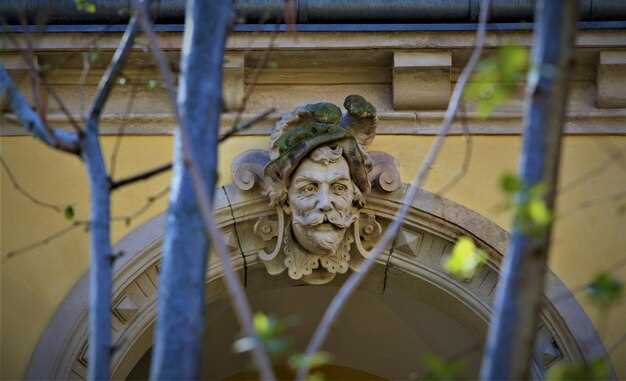
When planning your visit to WWII sites in Rome, it is essential to know the opening hours and accessibility options available at each location. Most museums and memorials are open throughout the week, often with extended hours on weekends. Locations like the Museo della Liberazione, which is dedicated to the liberation from German occupation, are usually free of charge. Visitors should check specific sites online for any temporary exhibitions or events that might affect their visit.
Transportation to these historical sites is made easy by Rome’s public transportation system. The metro, buses, and trams connect you to various parts of the city, and many stops are conveniently located near popular WWII sites. Notably, the Porta San Paolo and the nearby Bernini-designed fountain are only a short walk from bus stations that service the area. For those coming to the city, an e-sim can help you stay connected, making it easier to navigate the city and access information while on the go.
Accessibility is a priority for many museums in Rome. Facilities that were originally built during different architectural epochs have been reconstructed to meet modern standards. For instance, the Museo Storico della Libertà features ramps and elevators, allowing for easy access to all visitors, including those with mobility challenges. Members of the staff are often available to assist guests with special needs, ensuring everyone can enjoy the rich history of their sites.
The inspiring stories contained within these museums date back to the era of the Romans, spanning a significant part of human history. As you explore these locations, you will find that many artifacts and exhibits are intact, providing insight into the past. The narratives, often displayed in engaging formats, ensure that an unforgettable experience awaits everyone–from history buffs to casual visitors wanting to learn more.
While visiting these sites, it’s a wonderful idea to take a leisurely stroll around the areas that are filled with splendid medieval architecture. Not far from the central attractions is the area known as Spagna, where you can appreciate the juxtaposition of modern life with historical significance. The Caves of the Aurelian Walls, for example, hold remnants of Rome’s extensive empire, adding layers to your exploration.
Incorporating the exploration of WWII sites into your itinerary promises a unique perspective on both the city’s and the world’s history. Be sure to allocate enough time to visit each site, as many details deserving of your attention can be found inside, while the surrounding views enhance the experience. Whether it’s the Arches of the Roman Forum or the nearby Rasella area, each location has a story just waiting to be discovered. Be prepared to leave with a deeper understanding of the events that shaped the world as we know it today.