


 Română
  English (UK)
  Русский
  বাংলা
বাংলা  العربية
  日本語
日本語  한국어
한국어  Magyar
  Norsk nynorsk
  Türkçe
  עִבְרִית
  Español
  Čeština
  Svenska
  Português
  Ελληνικά
  Suomi
Suomi  Nederlands
  Italiano
  Français
  Polski
  Українська
  Deutsch
  简体中文
简体中文  Slovenčina
  Српски језик
  اردو
اردو  Azərbaycan dili
  O‘zbekcha
  አማርኛ
አማርኛ 

Yes, unaccompanied minors can fly alone when proper supervision is booked and a trusted adult is assigned for handover at both ends. Choose the airline’s unaccompanied minor option, collect these tickets and documents, and confirm who will meet arrival at the destination.
Step 1 Gather documents: passport or ID, birth certificate, a consent letter signed by both parents if required, emergency contacts, and the issued supervision code from the airline. A small blanket inside the bag helps during security lines and layovers. Știi the age range the airline covers and the check-in time obligations to avoid delays.
Step 2 Review country-specific rules for international travel. For consulate or embassy requirements, fill forms ahead of time and carry extra copies. Key points include documents, consent, and an escort on both ends. If a layover occurs, confirm which staff member will supervise the child during transfers.
Step 3 At the airport, arrive early and proceed to the designated counter. The agent will verify documents, tag the child for unaccompanied minor service, and provide a handoff instruction. Typically, domestic check-in closes 30-60 minutes before departure; international up to 2-3 hours. On arrival, the receiving guardian must present ID and the child’s travel documents; this plan reduces confusion and helps staff locate the pickup person quickly.
Tips for comfort and safety Pack a personal info card with the child’s name, flight number, and the phone numbers of parents. Include a blanket and a light snack; use a small apple for a quick energy boost if allowed by security. Also remind adult guardians to stay reachable during the trip.
Many families have success with unaccompanied travel by staying organized and keeping open lines with airport staff and consulate contacts when needed. If others flew solo before, they share tips that improve the plan. With careful planning, the process becomes manageable and the minor arrives ready to begin their next step with confidence.
During the Flight: Practical Protocols and Safety for Unaccompanied Minors
Confirm the airline’s unaccompanied minor program and secure a gate escort before you arrive at the airport; this mandatory step ensures a documented handoff from check-in to arrival.
Prefer nonstop or direct flights on major hubs whenever possible to reduce transfers; if a nonstop option exists, choose it to lower risk and stress for the child.
Prepare a UM packet with the child’s name, age, emergency contacts, flight numbers, and pickup details; having a written authorization and a contact name helps staff follow terms and avoids delays.
Ground staff and in-flight procedures include check-in verification, boarding, and handoff to the escort; the same escort should accompany the minor through the direct flight and to baggage claim when possible.
During the flight, keep the child informed: explain the seating plan, when the seat belt sign is on, and how to reach a crew member with the call button; the escort will stay close and communicate with the crew as needed.
Prepare for anxiety with practical steps: bring a familiar comfort item, a simple script for asking help, and a plan for quiet time; flight attendants can provide water, a blanket, and calm reassurance during turbulence or timing changes.
If a transfer is unavoidable, ensure there is a designated escort for the entire case; plan to use the same staff for both legs when possible to avoid confusion and left questions at the gate. Perhaps review the route with the child before boarding to reduce uncertainty.
Look up the источник and terms on the airline’s official pages; allegations aside, allegiant and other programs vary, so contact the UM desk to confirm whether a direct or nonstop option is available and what prepared steps are required; heres a practical checklist: name of the escort, direct flight details, and the pickup authorized by the parent before the flight.
Onboard supervision: who watches the child and how often
Recommendation: always request a dedicated onboard attendant for the unaccompanied minor and confirm the supervision plan before departure.
Onboard supervision is provided by the cabin crew, with a trained attendant assigned to the unaccompanied minor for the full flight. They stay with the child from boarding through taxi, takeoff, service intervals, and landing, and then oversee the handoff to the designated guardian after arrival. Policies are up-to-date and country-specific, so check the airline’s rules before booking to understand what is allowed and what isn’t.
- Who watches: a flight attendant trained for unaccompanied-minor duties acts as the primary supervisor; on some aircraft a second attendant or a dedicated UM liaison may accompany a solo child on longer routes.
- Frequency of checks: supervision is continuous on board; attendants check in before taxi, during service, after meals, and before landing, with additional checks during turbulence or if the child asks for help. Intervals vary by airline, but the child receives visible attention throughout the flight.
- Where they monitor: from the cabin near the child’s seat, typically by the service area or aisles; they assist with seat-belt rules, snacks, bathroom needs, and any comfort requests while keeping safety in focus.
- Variations you may see: length of supervision and handoff procedures depend on the flight and country rules; on longer trips or multi-leg itineraries, a second attendant or a coordinated post-landing handoff at the airport may occur.
Practical advice to optimize safety and comfort:
- Before booking, review the up-to-date, country-specific UM policy and confirm that an attendant will be assigned for the entire journey. Delta and other major carriers often provide a dedicated attendant for eligible children.
- Choose nonstop when possible to reduce handoffs; if a connection is necessary, verify where the handoff will happen and who is responsible for the transfer.
- Pick a seat near the service area or crew station if the airline allows; this makes supervision easier and speeds any needed assistance.
- Provide needs and medical or dietary information at booking; ensure the crew knows how to respond to those needs and what to do if the child feels unwell.
- Bring a compact care kit and a post-landing contact card with the guardian’s phone numbers, flight number, and arrival details to streamline the handoff.
- Cost varies by airline and route; expect country-specific charges and check what is included in the fare to avoid surprises at departure.
- If the child already travels alone, remind them to stay with the attendant’s guidance, understand basic safety rules, and use the designated quiet activities provided by the crew to pass the time.
Seat assignment and proximity to cabin crew
Always request seats near the cabin crew or in the front third of the cabin when you book an unaccompanied minor. If a delay happens, staff can respond quickly and your kid stays within sight. Direct proximity helps coordinate meals, safety reminders, and any last-minute changes. Theyre more confident when theyre near trained teammates who know their name.
During booking, pick seats that are kid-friendly and easy for staff to supervise. If you are picking seats, prefer the same row or block as the cabin crew touchpoints to keep information consistent and to minimize confusion.
Editors remind you to stay up-to-date with airline policies. Usually, this guide helps you keep everything organized. Travelers from brazil should verify country requirements for this itinerary. Always check country-specific rules and required documents before buying tickets. For brazilian families, carry a Brazilian passport and birth certificate; a certificate or consent form may be needed depending on the airline. If the child already flew before, use the same process and keep the plan simple.
To help you stay organized, pack a compact kit with copies of the passport, birth certificate, and the airline’s emergency contact; include the ticket itinerary and direct contact numbers. This helps ensure the process stays smooth from check-in to arrival, and it keeps everyone prepared for meals and hydration requests.
| Seat option | Why it helps UM passengers | Sfaturi |
|---|---|---|
| Front-row/aisle near galley | Closest access to cabin crew, fast help, easier meal service | Request during booking; mention kid-friendly needs and direct supervision |
| Front-row or early cabin block | Clear visibility of announcements and staff | Ask to be in same block as crew stations; confirm at check-in |
| Avoid seats adjacent to lavatories or exits | Less disruption and better supervision | Choose rows with a dedicated attendant path |
Child-friendly meals, snacks, and activity options
Pack a portable snack kit for traveling flights that includes protein, fruit, dairy, and hydration: turkey roll-ups or cheese sticks, apple slices, yogurt tubes, and whole-grain crackers. A small cold pack keeps items fresh during a delay and a compact bottle minimizes spills, especially on the first leg. Slightly adjust portions for younger kids to prevent waste while keeping energy steady.
For unaccompanied minors, check-in early and carry forms with the child’s birth date, emergency contacts, and any dietary notes. Notify the airline staff before boarding if allergies or special needs exist, and keep a home address and a contact number handy in case attendants need to reach a caregiver. Confirm meals or menu options in advance and use the tabs in your plans to monitor updates. There is no guarantee that meal service will be provided on every leg.
Offer age-appropriate activities to stay engaged: coloring pages, sticker books, travel-sized games, and compact magnetic boards. If you provide a tablet or two (tabs), preload child-friendly shows, books, and games and pair them with kid-safe headphones. Leverage airline amenities like kid zones or in-flight magazines to vary the experience. Ask for a seat that keeps children visible to attendants, such as near the middle of the cabin.
During the trip, monitor signs of discomfort during a delay or long waits. Keep items in an easily reachable pocket and rehearse a quick plan for boarding or deplaning with your child. If something feels off, notify airline staff right away; paying attention to cues helps the child stay comfortable throughout the journey.
Handling delays, diversions, and missed connections
Act now: contact the airline employee assigned to unaccompanied minors at the front desk or via the app to rebook the next available option for your child, ensuring the pickup plan stays clear.
Delays, diversions, and missed connections call for quick decisions and clear communication. Use the simple steps below to keep children safe and your plan on track.
- Confirm required documents, including a valid passport for international routes, age verification, and any country-specific forms; carry copies if possible. For older children, ensure they can follow simple instructions and have a designated escort if needed.
- Prefer nonstop options when possible; if a nonstop isn’t available, request the most direct alternative with the fewest connections and earliest arrival at the final destinations.
- Get a new boarding pass at the front desk or gate, and update the pick-up details with the airline employee; this keeps the plan visible in the system and makes pick-up smoother for the child.
- Share emergency contacts and the latest flight numbers via text or email within 24 hours of the delay; this provides a reliable reference within the family and with the airline.
- If you cant reach the agent, use the mobile app or posted signs to reach the desk; you still get help quickly.
Diversions
- Ask the airline employee if the diversion affects the unaccompanied minor’s status and whether a new escort is assigned at the new location; this allows quick adjustments to supervision and pickup.
- Request a new itinerary showing the specific final destinations and updated times; ensure that the purchased ticket is updated in the system, note if a different route has been taken, and confirm pickup details with the guardian.
- Confirm pickup arrangements at the new airport, including the designated person who will sign for the child; provide them with the pickup code and relevant documents.
Missed connections
- If a connection is missed, ask airport staff for a rebooking on the next available option with minimal transfers; airline policies for unaccompanied minors often cover this.
- Coordinate with a dedicated airline employee and the destination airport to assign a safe handover point for pick-up and to ensure the child remains supervised.
- Double-check the updated itinerary, including new flight numbers, times, and pickup details, then communicate the changes to the approved guardian and at the final pickup location.
Emergency procedures and how staff respond during the flight
Follow the crew’s instructions immediately to protect your child during an incident. If trouble happen, alert crew immediately. Remain calm, keep the unaccompanied minor close, and fasten seat belts for everyone nearby.
heres what happens next on board: chieffi, the senior flight attendant, coordinates the response; staff secure the area, confirm the minor’s identity using approved documentation; if trouble happen, staff respond quickly and keep the child within sight. The team then logs every action in the guide to preserve a clear record.
Documentation and verification: Staff review the minor’s identity against the approved documentation and the guardian’s authorization, record the flight number and departure details, and note any special needs. If needed, they stop nonessential movement to preserve safety.
Communication and pick-up: The crew communicates with the designated adults and offers a safe pick-up plan that follows airline policy. They verify the pickup person’s identity and document the match in the passenger’s file. Only approved adults may pick up the child, and staff keep sensitive information private.
Comfort and safety: If the child feels uncomfortable, crew provide a blanket, offer water, and engage in a calm, age-appropriate conversation. Importantly, staying with the child until a trusted adult arrives helps reduce anxiety and ensures vital needs are met.
Cross-border and home procedures: In countries with different rules, staff follow the approved guide and local regulations. The team coordinates with the departure airport or the destination gate, as required, to ensure the child’s needs are met and a safe hand-off occurs.
Post-flight steps: After landing, the team completes the incident report, shares the number with the guardian, and arranges hand-off to an approved adult at the home airport if needed.
Tips for guardians: here are tips to speed up the process: keep documentation ready, know the flight number, confirm the designated pick-up person in advance, and share any special needs in writing. If travel involves a cruise or international leg, consult the guide for best contact procedures in the country you are visiting.
Disembarkation steps: guiding the minor to their guardian after landing
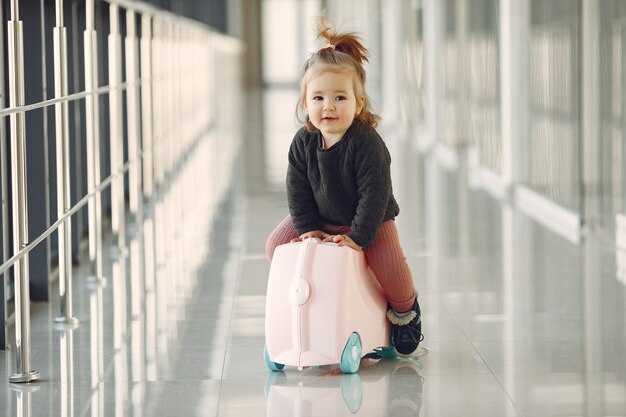
Coordinate the ground handoff at landing: the guardian should wait at the front of the gate area with the minor’s blanket nearby, and the attendants and ground crew members should guide every minor toward the designated meeting point. Prepare the guardian and the child for the moment of transfer to make the process smoother and easy for everyone involved.
On landing, the disembarkation sequence involves several steps: attendants coordinate with ground staff to help minors down from their seats and toward the front exit. The guardian presents government-issued ID and the ticket at the counter, confirms the itinerary was shared, and signs the duties transfer. Some steps require the guardian to present government-issued IDs and the ticket.
Meeting point clarity: In major hubs, the handoff occurs at a designated counter or near the front of the gate, depending on the airline. If the flight uses several airlines, follow the airlines’ guidelines and the ground crew’s instructions. The guardian and minor then move together to the pickup area or transport queue, with the hand firmly kept to prevent separation.
Duties and tips: After the handover, the guardian assumes the attending duties for this itinerary. Document the content of the handoff and keep the guardian’s contact information, the minor’s itinerary, and the airline’s local numbers readily available. Tips include arriving early, ensuring the guardian has government-issued ID and the ticket ready, bringing a comfort item like a blanket, and confirming who will meet at the counter in the following steps at the hub. Some airlines require extra checks, and some hubs may designate a different meeting point.