


 Română
  English (UK)
  Русский
  বাংলা
বাংলা  العربية
  日本語
日本語  한국어
한국어  Magyar
  Norsk nynorsk
  Türkçe
  עִבְרִית
  Español
  Čeština
  Svenska
  Português
  Ελληνικά
  Suomi
Suomi  Nederlands
  Italiano
  Français
  Polski
  Українська
  Deutsch
  简体中文
简体中文  Slovenčina
  Српски језик
  اردو
اردو  Azərbaycan dili
  O‘zbekcha
  አማርኛ
አማርኛ 
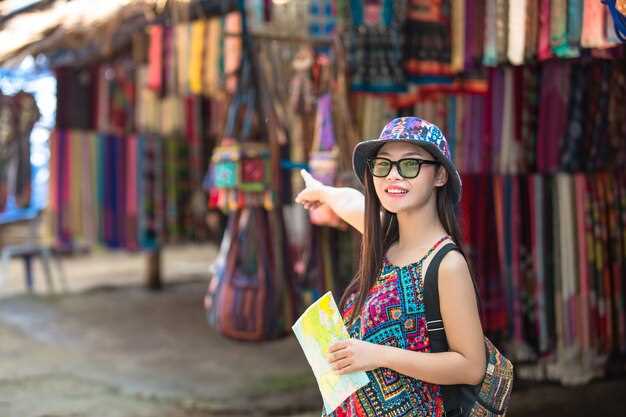
As you set foot in Iran, the vibrant atmosphere of its streets, adorned with beautiful moschei and ancient monuments, reveals a nation rich in culture and history. For the curious traveler, shopping in Iran is not just a simple transaction but an experience filled with magic and discovery. From the bustling bazaars of Teheran to the serene gardens of Isfahan, each corner offers a unique opportunity to connect with the Iranian way of life.
Understanding the nuances of shopping in this amazing country is essential for both foreigners and locals alike. Farsi might not be your first language, but that shouldn’t deter you from exploring the colorful arrays of handicrafts, spices, and traditional textiles like termeh. With good maps and a spirit of adventure, you can navigate through vibrant markets and off-the-beaten-path sites with ease, ensuring your experience is as enriching as it is enjoyable.
În timp ce size of some markets may feel overwhelming at first, there are tips that can help you break the ice. From avoiding tourist traps to haggling with a friendly driver sau agent in fluent Farsi, each interaction can deepen your understanding of the local culture. The early morning hours tend to reveal a quieter side to these bustling places, allowing you to appreciate the ornate ceilings and intricately designed goods at your leisure.
As you step into a caravanserai or an artisan’s workshop, you’ll discover handcrafted goods that reflect the heart of Persian culture. Don’t miss the chance to sample orange blossoms and traditional sweets while engaging in light-hearted conversations with the locals, who are always welcome to share their stories and traditions. In a nation with such rich history and pride, you’ll leave with more than just souvenirs; you’ll take home experiences that beautifully intertwine with the essence of Iran, making your journey unforgettable.
Internet and Social Media Access in Iran
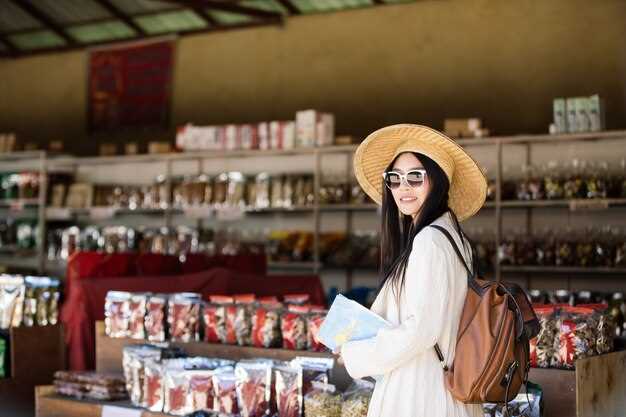
In Iran, navigating the internet and social media can be quite different from what many tourists are used to. While major sites like Facebook and Twitter are blocked, local alternatives have flourished. If you are ready to stay connected, consider using VPN services to bypass restrictions. This can be a simple solution for staying in touch with family and friends or sharing your experiences during your travels.
The first thing to remember is that accessing certain sites may require extra steps. You might find that while Western platforms are inaccessible, Iranian social media like Telegram is widely used to communicate and share views. Foreign tourists can meet locals through these platforms and discover the rich cultural background of the Iranian people. Don’t worry; it’s a great opportunity to connect with people who share similar interests, like crafts or dating.
Wi-Fi access in Iran is available in many cafés and hotels, particularly in urban areas. However, its consistency can decline significantly in rural regions. The speed may vary, especially during peak hours when many people are online. In places like Darband or around bustling bazaars, the internet can be pretty slow. But in residential areas, you may also find residents sharing their Wi-Fi password with friendly tourists.
When it comes to using social media, be mindful of local etiquette. Content involving political topics or criticism may be classified as sensitive, so it’s best to avoid engaging in such discussions publicly. Instead, focus on the beauty of the country, from its stunning mountains to its historical monuments. Sharing pictures of fresh rice dishes or pistachios can generate a positive response and help bridge cultural differences.
Overall, accessing the internet and social media in Iran comes with both risks and rewards. Always prioritize your online safety and be aware of your surroundings. With the right approach, tourists can enjoy a variety of interactions and discover more about Iran, creating lasting memories of their adventures during the hot summer or chilly winter months. Just take your time, and everything will fall into place.
Understanding Internet Connectivity Issues
When visiting Iran, one must understand that internet connectivity can be quite challenging at times. While major cities like Tehran and Shiraz offer various options, such as cafes and restaurants with free Wi-Fi, there are areas where connectivity is limited. In addition, some tourist spots, including the beautiful Kaluts and remote villages, may not provide reliable service. This can affect how tourists access maps, social media, and travel information.
There are several reasons why internet access might be unreliable. Hourly fluctuations in connectivity can occur due to infrastructure challenges, especially in rural areas. Furthermore, government restrictions can affect social media platforms, causing additional frustrations for travelers who want to stay connected. Tourists are recommended to download important apps or maps before arriving at their destination to avoid any unexpected disconnections.
For those who prefer to stay connected while dining in colorful cafes or exploring vibrant bazaars, having a local SIM card can be handy. Options are available at the airport or local stores, and they usually offer affordable data plans. Most tourists will find this to be the perfect solution to keep in touch with their friends and family while they indulge in delicious grilled kebabs or saffron-infused sweets.
- Get a local SIM card for more reliable internet access.
- Download maps and apps before your trip.
- Visit internet cafes if necessary, especially in larger cities.
- Be aware of government restrictions on certain media platforms.
Despite the challenges, many travelers find that moments spent away from the screen can enhance their experience in Iran. Engaging with the local people, visiting historical sites like the Tabatabai House and Zoroastrian burial grounds, or simply enjoying the afternoon music in a garden can be rewarding. Whether you’re navigating the bustling streets of Tehran or sipping wine outside in Darband, disconnecting for a little while can often lead to unforgettable memories.
Popular VPNs for Bypassing Restrictions
Travelers in Iran often face significant internet restrictions, making it essential to have a reliable VPN on your itinerary. These tools allow you to access blocked websites and utilize apps that are classified as unavailable. Among the most popular options, ExpressVPN and NordVPN stand out for their speed and security. Locals and foreigners alike have spoken about their effectiveness in enabling seamless browsing across various platforms.
When considering which VPN to pick, it’s important to look for those that maintain high-quality encryption and a no-logs policy. Surfshark and CyberGhost are also recommended by travelers for their user-friendly designs and vast server networks. This is crucial for staying connected and accessing vital travel resources while visiting beautiful spots like the Kaluts and Eram Garden. Remember, each VPN has its strengths; therefore, it’s wise to read reviews and choose one that aligns with your specific needs.
In addition to connectivity, think about the availability of customer support from your chosen VPN provider. This feature can be particularly helpful if you run into issues while on the road. Make sure to test your VPN before arriving in Iran to ensure it functions well in situations where internet access might lack quality. The last thing you want is to feel disconnected from the world while indulging in local delights like doogh or trying out handmade crafts.
For a fantastic surfing experience, consider a VPN that offers a trial or money-back guarantee. This way, if you’re not satisfied, you can easily switch to another option. Many travelers report a better experience when using a VPN, whether they’re looking to relax while browsing or share their adventures online. Therefore, ensure you have everything set up properly: face the wind of restrictions with the right tools before you embark on your journey through Iran’s wonderful landscapes.
Social Media Platforms Available in Iran
In Iran, social media platforms play a significant role in connecting people and exploring the vibrant culture. Despite facing restrictions on many global platforms, locals and tourists still actively engage with available social networks. Applications such as Instagram and Telegram remain popular due to their accessibility, allowing users to share their experiences while traveling through bustling bazaars or picturesque sites like Naqsh-e Jahan and Golestan Palace. These platforms serve as essential guidebooks for those looking to plan their itinerary and discover hidden gems off the beaten path.
Inevitably, the social media landscape in Iran has adapted to the country’s unique circumstances. While international platforms such as Facebook and Twitter are largely banned, locals have created a dynamic space within apps that accept many forms of content. For instance, users regularly post updates about seasonal events or morning activities like enjoying a traditional breakfast at a café in Niavaran, and they discuss details about local customs and trends. As you explore Kerman or delve into the rich history of the Zand dynasty, you will notice how these platforms reveal both classic and contemporary Iranian culture.
In tuning into the digital world of Iran, you will find a deep connection between users. The currency of interaction often revolves around sharing experiences and seeking recommendations. Whether you want to talk about the best spots to enjoy salt on your lunch or inquire about the latest changes to cultural events, social media serves as a bridge. It allows you to stay updated and enjoy an enjoyable local experience while ensuring that you avoid any misinformation. So as you take a couple of moments to post your own adventures or explore the newest trends, remember that this digital space adds an exciting layer to your travel experience in this beautiful country.