


 Português
  English (UK)
  Русский
  বাংলা
বাংলা  العربية
  日本語
日本語  한국어
한국어  Magyar
  Norsk nynorsk
  Türkçe
  עִבְרִית
  Español
  Čeština
  Svenska
  Ελληνικά
  Suomi
Suomi  Nederlands
  Română
  Italiano
  Français
  Polski
  Українська
  Deutsch
  简体中文
简体中文  Slovenčina
  Српски језик
  اردو
اردو  Azərbaycan dili
  O‘zbekcha
  አማርኛ
አማርኛ 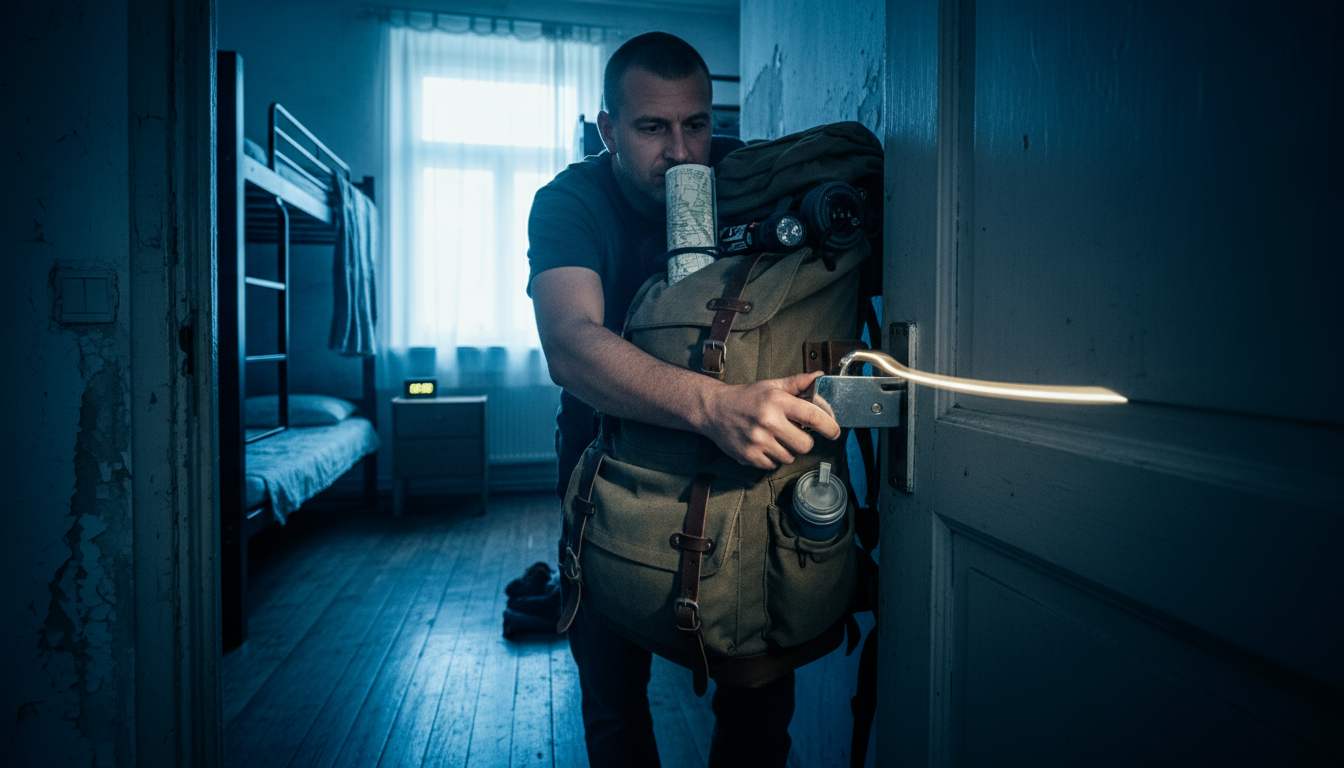 The Independent Explorer: A Definitive Guide to Solo Travel Safety and Preparedness">

The allure of solo travel is undeniable—the freedom to choose your path, the opportunity for deep self-discovery, and the thrill of independent exploration. However, venturing out alone, particularly as a backpacker, requires an elevated commitment to preparation and awareness. Mastering Solo Travel Safety is not about being paranoid; it is about being empowered, ensuring that every adventure is remembered for its joys, not its risks.
Solo travelers, while enjoying maximum flexibility, can sometimes be viewed as easier targets for scams, theft, or unwanted attention. Therefore, adopting smart habits, leveraging modern tools, and trusting one’s intuition become the bedrock of a successful journey. This definitive guide moves beyond generic advice, offering practical, actionable strategies for both physical and digital security on the road.
The Preparation Phase: Before You Go
Effective Solo Travel Safety begins long before you pack your bag. Research and planning are crucial steps that lay the groundwork for a secure and smooth trip. A well-researched traveler is a confident traveler.
Comprehensive Destination Research
Thorough research is your first line of defense. Consult government travel advisories to understand potential safety concerns and areas to avoid. Beyond safety statistics, study the local culture, dress codes, and social norms. In many cultures, seemingly harmless actions, like wearing certain clothing or making direct eye contact, can be misinterpreted or attract unwanted attention. The goal is to blend in—observe local dress codes and follow cultural norms to avoid unnecessary attention, as a traveler who stands out can become a target. Learning a few key phrases in the local language is also invaluable, as it shows respect and can help in urgent communication.
Strategic Itinerary Sharing and Accommodation Selection
One of the most critical precautions is to keep someone back home in the loop about your whereabouts. Share your full itinerary, including flight details and accommodation contact information, with a trusted family member or friend. Make it a habit to check in with them regularly, setting up live location-sharing on your phone for added peace of mind.
Accommodation choice significantly impacts Solo Travel Safety. Prioritize places with good reviews, secure locks, and a 24-hour reception desk. When staying in hostel dorms, always use a good-quality lock for your backpack or locker and avoid keeping valuables out in the open. When selecting hostels, use safety apps like Hostelworld to find trusted places and potentially connect with like-minded travelers. Furthermore, consider using a portable door lock or door wedge for an extra layer of security in your private room.
Mastering Personal Security on the Road
While preparation is key, Solo Travel Safety is ultimately about mastering personal awareness and security habits in public spaces, from transport to nightlife.
Financial and Physical Security Tactics
Never carry more cash than you need, and keep your money, passport, and credit cards secure and close to your body using a money belt, neck pouch, or hidden pouch. Avoid wearing flashy jewelry or advertising expensive electronics. In the event of a confrontation, some experienced backpackers recommend carrying a “decoy wallet” with a small amount of cash and expired cards to hand over, while keeping the main stash safely hidden.
When using public transport, especially in crowded areas, be hyper-aware of your belongings to deter pickpockets. On buses or trains, sit near the driver or in well-populated areas. Never leave your bag unattended, and consider using a lock on your backpack even during transit. Stick to reputable, licensed taxis and avoid uninvited drivers or, better yet, use trusted ridesharing apps. Never hitchhike, as this is universally considered unsafe.
Situational Awareness and Intuition
The single most important tool for Solo Travel Safety is your instinct. If a person, situation, or place feels “off,” do not hesitate to leave immediately. It is better to act early than regret staying longer. Cultivate a confident demeanor: walk with confidence and purpose, even if you are unsure of your route. Avoid wandering alone in isolated areas, particularly at night, and always stick to well-lit, populated streets.
Furthermore, maintain control over your judgment. Stay sober and aware, as overindulging in alcohol or using drugs significantly impairs judgment and makes you an easy target. If socializing, let someone know where you are going and avoid oversharing personal or financial information with new acquaintances.
Leveraging Technology for Safety
Modern technology provides numerous layers of security for the solo traveler. Beyond basic communication, several tech tools are designed specifically to enhance Solo Travel Safety.
First, ensure your phone is always charged by carrying a quality power bank, as a dead phone can instantly compromise your safety. Download and familiarize yourself with a translation app, a trusted taxi/rideshare app, and a personal safety app or location-sharing tool. Carry a small, loud personal alarm or whistle, which can be easily carried and used as a deterrent to attract attention if you feel threatened.
Finally, be mindful of your digital safety. Avoid oversharing your location or immediate travel plans on public social media in real-time. Wait until you have left a location before posting about it to prevent criminals from tracking your movements. Always use a VPN on public Wi-Fi networks to protect sensitive data.
Embracing solo travel is a rewarding experience that builds resilience and perspective. By integrating these actionable Solo Travel Safety tips into your routine, you can step out onto the road with confidence, fully prepared to navigate the world independently while minimizing unnecessary risk.