


 Português
  English (UK)
  Русский
  বাংলা
বাংলা  العربية
  日本語
日本語  한국어
한국어  Magyar
  Norsk nynorsk
  Türkçe
  עִבְרִית
  Español
  Čeština
  Svenska
  Ελληνικά
  Suomi
Suomi  Nederlands
  Română
  Italiano
  Français
  Polski
  Українська
  Deutsch
  简体中文
简体中文  Slovenčina
  Српски језик
  اردو
اردو  Azərbaycan dili
  O‘zbekcha
  አማርኛ
አማርኛ 
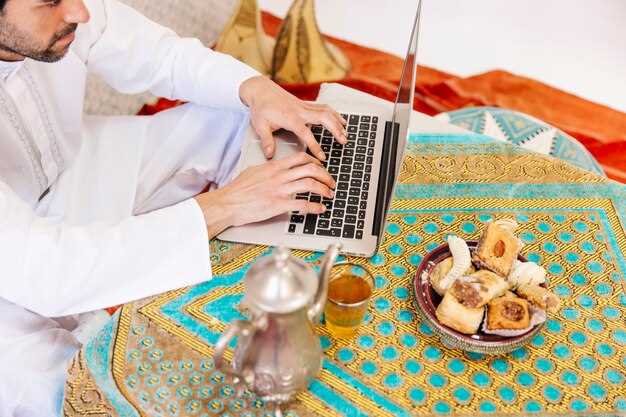
Plan ahead: book hotel dining for the Iftar window and align plans with local fasting hours. That shift affects daily routines and service levels in popular venues. Where visitors gather, mubarak greetings set a respectful tone for bonding across families. From the outset, the authority emphasizes quiet hours, safe sharing, and smooth operations here.
During peak moments, the ninth night often features community initiatives around expo venues and hotel lobbies. perfeito moments for sharing meals strengthen bonds together, with staff guiding guests to appropriate venue spaces and opening extra services for families. Restaurants and lounges extend hours to accommodate late Iftar gatherings, and congestion levels are managed to keep lines moving.
Women travelers should dress modestly in public settings, and care should be taken to avoid loud music near places of worship. Hotels offer serviços such as private dining rooms and family-friendly spaces to keep bonding comfortable. Here, you’ll find clear signage about prayer areas and respectful etiquette that helps everyone enjoy the hospitality.
Authorities publish easy-to-use guides with iniciativas for visitors, including halal options, prayer schedules, and safe transit to venues. If you’re unsure, take cues from locals and ask hotel staff or check official channels; they will point you to the correct venue and explain the appropriate behavior. Take notes on where to go for updates, and plan to move at a measured pace to avoid rush hours; together, guests and locals co-create a welcoming atmosphere, sharing mubarak moments from sunset until late night.
Ramadan in Dubai: Practical Insights
Reserve post-sunset dining at places clearly marking open status for iftar; in the emirates, many hotel restaurants, lounges, and expo‑area venues extend hours, which lets you enjoy meals with colleagues or friends without rush. The list of venues include hotel lounges, community centers, and expo halls.
Usually, daytime activity slows; after sunset, houses host informal meals and open spaces around dining districts shift to social gatherings; some bars and lounges reopen late, while others stay closed until after iftar; laylat nights mark the strongest social moments. Many residents involved in community programs invite visitors to join family-style tables.
Experiencing cultural programs at expo venues and university halls offers a significant chance to learn; scholars and sheikh-led talks provide insights into heritage and daily life; check schedules which might be updated daily.
Employees in commercial districts adapt shifts; offices may shorten daytime hours and compress meetings, then resume later; if you have a schedule to manage, concierge services can help; transportation options usually run later at night to accommodate late meals; plan your rides to avoid peak traffic.
Food service rules: restaurants operate after iftar; some places offer take-away for suhoor; public consumption of drink is restricted; most venues in hotels and shopping districts offer non-alcoholic options; ensure you respect local norms, without causing offense.
Practical tips to maximize your stay: mark reliable status boards and apps for open hours; determine which venues offer outdoor seating, which are within walking distance of your home; book ahead for popular spots, especially near expo zones; plan a balance of rest and night outings to enjoy the Emirates’ significant offerings. This approach is better for reducing crowds, and it helps you enjoy experiences throughout laylat.
What is Ramadan? A Dubai-focused overview for visitors
Plan a morning visit to a mosque to witness a distinctive blend of quiet reverence and traditional architecture. Check with the government tourism office which provides up-to-date details about visiting hours and security rules before you arrive.
Breaking the fast happens after sunset; luxury hotels and many restaurants provide curated Iftar experiences. Outside daylight hours, eating is restricted in public spaces, so plan meals for the evening. Markets keep the stoves firing after dusk, serving light bites and beverages, a common scene for visitors in Ajman and nearby emirates.
Transport options are plentiful: metro, taxis, ride-hailing, and private car hires provide flexible access to dining areas and mosques. For visitors from continents around the world, the layout remains straightforward, with bilingual signage in English and Arabic to help you navigate. Despite daylight restrictions, most cultural centers offer late-afternoon tours or evening exhibitions.
Islamic heritage centers and mosques, including sites linked to iconic figures like zayed, represent a bridge between tradition and modern life. Follow modest attire and avoid loud behavior; government services often publish guidelines for visitors, and locals tend to welcome respectful outsiders. The spirit of islam informs hospitality and daily courtesy.
Morning routines vary by day, with some smaller heritage zones opening earlier for tours; a respectful approach makes your visit smoother and increases opportunities to participate in activities and learning moments.
When planning, remember that the calendar is marked by fasting hours, so adjust your visit sequence around them; this period represents a distinctive opportunity for locals and travelers alike, with visiting guests from around the world enjoying a mix of culture, shopping, and hospitality.
Daily Timings in Dubai: Suhoor, Iftar, and Prayer Times
Check the official timetable published by the ministry and set alarms for Suhoor and Iftar; verify daily with a trusted mosque here and adjust by 5–10 minutes as the course shifts with dawn and sunset.
| Data | Suhoor / Imsak | Iftar | Fajr | Dhuhr | Asr | Maghrib | Isha |
|---|---|---|---|---|---|---|---|
| 01 | 04:10 | 19:15 | 04:25 | 12:20 | 15:40 | 19:15 | 20:45 |
| 02 | 04:09 | 19:14 | 04:24 | 12:21 | 15:42 | 19:14 | 20:42 |
| 03 | 04:07 | 19:13 | 04:23 | 12:22 | 15:43 | 19:13 | 20:40 |
| 04 | 04:06 | 19:12 | 04:22 | 12:23 | 15:44 | 19:12 | 20:39 |
| 05 | 04:05 | 19:11 | 04:21 | 12:24 | 15:45 | 19:11 | 20:38 |
| 06 | 04:04 | 19:10 | 04:20 | 12:25 | 15:46 | 19:10 | 20:37 |
| 07 | 04:03 | 19:09 | 04:19 | 12:25 | 15:47 | 19:09 | 20:36 |
Here, timing matters for everyone. Unlike busy streets, the quiet hours of Suhoor look toward the dawn in the houses; here neighbors share light meals and affection. The significance of the five daily prayers is stressed by scholars and sheikh; the foundation of this faith is discipline. When the sun sets, then families gather for common food, often with nuts and dates, and the communal rhythm strengthens faith. Early wakeups are essential for Fajr; women and men participate, with attire modest and respectful. The ministry provides reliable guides; if a problem arises, shift your alarm by 5–10 minutes and consult the timetable. Between days, mid-shaaban can shift some timings, so check between dates for more clarity. Away from distractions like bars, everyone supports this communal practice; allah willing, the rhythm remains strong in this city.
Dining, Shopping & Public Etiquette During the Day
Eat suhoor before dawn or wait until sunset; during daylight hours, dine discreetly in private spaces or hotel venues that provide private seating.
Where you eat, how you speak, and how you move through busy spaces shapes the experience. In the emirates, authentic hospitality is common; providing a welcoming setting for both residents and visitors, including those in the Abu Dhabi (dhabi) region, is a point of pride.
- Where to sit and order: ask for a quiet corner in hotel dining rooms or private majlis; in a majlis, seating is guided by tradition, and elders or sheik are typically offered prominence; they participate in greetings and help manage who sits where.
- Course choices: request a lighter daytime course or half portions; many venues adapt the menu for daytime hours to keep meals balanced while still offering a satisfying experience.
- Eating and beverages: visible snacking in daylight is rare; accept a small bite or tea when offered, and retreat to a private area if you need more; choose healthy options such as grilled items, salads, or fruit.
- Music and atmosphere: keep the volume soft and prefer quieter corners; if you listen to music, use headphones so you don’t disturb others.
- Shopping tips: saturday crowds are heavier; shop early in the morning or late afternoon when air-conditioning is comfortable and lines shorter; seek local products that support the economy and sustainable choices; carry a reusable bag.
- Transport and mobility: use transport options like taxis or metro to reach venues; plan routes to minimize delays and avoid blocking access in busy shopping districts.
- Hospitality and generosity: hosts may offer dates, coffee, or tea; accepting modestly signals appreciation; in social settings, this generosity can make evenings unforgettable for guests and friends alike.
- Health and self-care: stay hydrated with water, choose healthy meals, and avoid heavy or spicy dishes that may upset the stomach during the day.
- Public norms and guidance: dress modestly in crowded areas and respect personal space; follow posted notices and, where applicable, guidelines from the ministry; local customs shape daily life and encourage considerate behavior.
- Mindful remarks about qadar: recognize that events unfold as they do; speak with consideration and patience in every interaction.
Dress Code, Respectful Conduct & Mosque Etiquette

Dress modestly at all times and remove shoes before entering any prayer venue or majlis within this region. Choose breathable, healthy fabrics like cotton or linen, and avoid tight, transparent or sleeveless clothing. For women, a long-sleeve top with a knee-length or longer skirt or trousers is ideal; for men, collared shirts with long pants are appropriate. Carry a lightweight scarf to cover shoulders if needed, and consider a shawl for unforeseen adjustments at houses or private venues.
When visiting places of worship, private homes, or public majlis, follow these concrete practices:
- Clothes and appearance
- Cover shoulders and knees; avoid graphic prints that may distract during prayer or reflection.
- Avoid beachwear, gym outfits, or loud accessories inside sacred spaces.
- Keep footwear clean; bring a small bag to store used footwear near entrance areas.
- Mosque and prayer-space etiquette
- Enter barefoot or in socks; use provided racks to store shoes; do not leave bags or coats on prayer carpets.
- Speak softly, switch phones to silent, and avoid video or photography unless explicitly allowed.
- Women may have designated sections or entrances; follow posted signs and ushers’ directions.
- Treat carpets and decorations with care; do not step on edges or touch hanging adornments without permission.
- Turn away from the qibla when chatting; sit with respectful posture and avoid crossing legs into restricted zones.
- Majlis, houses & private venues
- Remove shoes at the doorway; sit calmly and observe seating order where applicable.
- Respect hosts’ cues about conversation topics, especially during meals or gatherings.
- Avoid pointing feet toward prayer areas or sacred items; keep voices down and gestures modest.
- When offered drinks or coffee, accept graciously only if you’re comfortable; thank hosts politely.
- Shops, cafés, and public spaces
- Begging is discouraged; support may be arranged through invited channels or recognized charities.
- Dress codes extend to restaurants and cafés–modest attire is appreciated, even in casual venues.
- Decorations in venues reflect local culture; do not touch or move decorative items without consent.
- In social spots, greet staff and guests with a respectful “salaam” or simple hello; maintain a welcoming tone toward visitors from diverse backgrounds.
- When attending special breaks of the day (often after sunset), observe hosts’ guidance on seating, food portions, and clean-up; take only what you can finish and discard waste properly.
- General conduct
- Stay mindful of prayer times and avoid loud conversations near prayer halls; their practice calls for quiet reverence above casual chatter.
- Respect venues’ locations and access rules; if an area is marked as restricted, cannot enter without permission.
- In all venues, maintain hygiene and avoid strong fragrances; coffee and tea should be enjoyed discreetly.
- When invited to an event, follow the host’s schedule, dress code, and dining etiquette; their hospitality should be honored with punctuality and appreciation.
Working, Traveling & Navigating Ramadan: Tips for Tourists
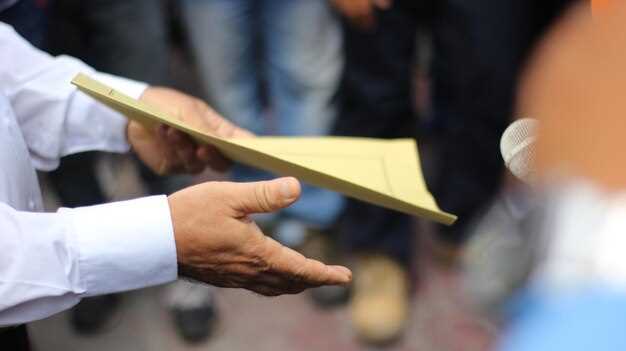
Plan your days around precise timing for prayer and dining: check the mosque timing, and choose tours that respect fastingits hours.
Daylight operations shrink, but after sunset dining options reopen; venues serving meals often feature dates and nuts, while the rooms themselves are adorned with lanterns to commemorate the tradition, creating a magical atmosphere that invites social dining across days. For example, premium spots offer fixed or flexible menus that suit modest schedules, and more venues open after sunset.
Travelers should confirm transit updates and prayer timing before departures; this doesnt take long to adjust when needed. In many countries, non-residents are allowed to visit a mosque outside prayer times, with supervised tours. Public transport may run on reduced daytime schedules, so consider the ninth day and on thursday evenings when crowds rise. You cannot assume normal hours; monthly adjustments mean you should book ahead and carry a compact plan for the day as an example.
This period emphasizes respect: avoid eating or drinking in public during daylight without drawing attention; use private spaces or hotel lounges to dine. You might be surprised how locals might invite you to share a small bite after sunset. Carry a light snack like nuts to tide you over between meals, and look for gatherings after sunset where locals pray and share food. Plan modest attire and remember prayer times during visits, especially this ninth day and on thursday when gatherings intensify. This approach makes travel smoother, useful for first-time visitors.