


 Português
  English (UK)
  Русский
  বাংলা
বাংলা  العربية
  日本語
日本語  한국어
한국어  Magyar
  Norsk nynorsk
  Türkçe
  עִבְרִית
  Español
  Čeština
  Svenska
  Ελληνικά
  Suomi
Suomi  Nederlands
  Română
  Italiano
  Français
  Polski
  Українська
  Deutsch
  简体中文
简体中文  Slovenčina
  Српски језик
  اردو
اردو  Azərbaycan dili
  O‘zbekcha
  አማርኛ
አማርኛ 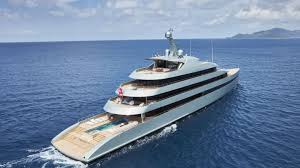 Compreender Alugueres de Iates: Barcos Privados, Custos e o que Esperar">

Port turnaround times, provisioning windows, fuel bunkering, crew change regulations, and marina berth availability directly determine whether a proposed itinerary is feasible on a given day — these operational variables often drive both the schedule and final price of a yacht charter.
What a aluguel de iate actually is
A yacht charter is best understood as a privately hired, crewed vessel functioning as a mobile accommodation and local transport platform. Unlike scheduled transport, a charter provides a flexible itinerary, personalized service from a captain and crew, and on-board provisioning that replaces many separate hotel and transfer bookings. From a tourism perspective, charters enable unique local exploration — secluded coves, island-hopping routes, and shoreline access that complement land-based sightseeing.
What a yacht charter is not
- Not a cruise: No fixed ports, no mass dining rotations, no crowds. Charters are private by design.
- Not inherently formal: Dress codes are optional; many charters are relaxed and barefoot-friendly.
- Not an all-or-nothing commitment: Initial inquiries and planning conversations are normal and pressure-free.
Common misconceptions about cost
Cost perception is the biggest barrier. Pricing is scalable: there are entry-level yachts comparable per person to a high-end resort, and ultra-luxury superyachts at the opposite end. Since charter costs are shared across the group and many services are bundled, the value proposition often becomes clear only after a detailed quote.
Typical cost components
| Component | Typical Inclusion | Notas |
|---|---|---|
| Base charter fee | Accommodation, crew salaries | Main negotiated cost; varies by size/season |
| Aprovisionamento | Meals, beverages | Often customized; premium requests increase cost |
| Fuel & berthing | Itinerary-dependent | Higher for fast yachts and long distances |
| VAT/taxes & APA | Local taxes; Advanced Provisioning Allowance | APA covers variable expenses; reconciled post-charter |
Practical planning: how to start
Begin with questions rather than commitments. Typical planning steps:
- Define group size and comfort level.
- Choose a region (e.g., Caribbean or Mediterranean) and preferred travel dates.
- Ask for sample itineraries and itemized pricing.
- Discuss included activities and any required licences or permits for shore visits.
Caribbean vs Mediterranean: logistical contrasts
The Caribbean favors short island hops, beach-oriented shore excursions, and year-round warm water activities; marina fees and fuel consumption tend to be moderate. The Mediterranean offers denser culture-rich ports, varying seasonal regulations, and higher peak-season demand for berths — which affects both availability and prices. Both regions present unique tourism synergies: museum visits, coastal village tours, and local cuisine tastings integrate seamlessly with a charter.
Onboard life and activities
A typical charter day blends relaxation and active exploration. Mornings might include snorkeling, paddleboarding, or a short cruise to a new anchorage; afternoons often allow for beach visits or local excursions; evenings become personalized dining experiences. Many charters include water toys, and some operators can arrange guided museum tours, safari-style wildlife trips from shore, or exclusive yacht parties for events.
Water toys and excursions
- Sea kayaks, paddleboards, and tender rides for short shore access.
- RIB outings for fishing, snorkeling, or diving/scuba excursions.
- Arranged shore experiences: local guides, culinary stops, and cultural workshops.
Booking, brokers and payments
Work with a reputable broker to navigate contracts, deposits, and planning timelines. Brokers coordinate with the crew, confirm berth reservations, and ensure compliance with local regulations. Many booking platforms now accept full and secure online payments and issue voucher confirmations afterward — streamlining logistics for international travellers. You can also submit tailored requests so providers propose offers that match your exact preferences before you commit.
Highlights: understanding charter logistics, cost structure, and daily life onboard makes yachting approachable rather than intimidating. Still, even the most thorough reviews and honest feedback can’t replace firsthand experience. On GetExperience, you book your experience from verified providers at reasonable prices. This empowers you to make informed decisions with convenience and transparency, while avoiding unnecessary expenses or surprises — Book your Trip GetExperience.com
In summary: yacht charters are private, flexible travel platforms where logistics — berth availability, provisioning, fuel, and crew rotation — shape feasibility and cost. They offer a wide range of travel experiences from relaxed days onboard to adventure activities, yacht parties, and curated shore excursions. Whether you prefer eco-friendly wildlife safaris, museum tours with live guides, adventure rafting trips for beginners, or luxury adventure travel experiences, clear planning and the right provider make charters accessible. Online virtual tours and interactive online cultural workshops can complement pre-trip research; even niche options like beginner esports coaching sessions or professional esports training programs are finding place in broader travel itineraries. With transparent booking, secure payments, and tailored offers, chartering becomes part of a comprehensive travel plan rather than an isolated luxury — a seamless way to combine cruise packages, exclusive yacht charters for events, and curated safari tours into one memorable journey.