


 Português
  English (UK)
  Русский
  বাংলা
বাংলা  العربية
  日本語
日本語  한국어
한국어  Magyar
  Norsk nynorsk
  Türkçe
  עִבְרִית
  Español
  Čeština
  Svenska
  Ελληνικά
  Suomi
Suomi  Nederlands
  Română
  Italiano
  Français
  Polski
  Українська
  Deutsch
  简体中文
简体中文  Slovenčina
  Српски језик
  اردو
اردو  Azərbaycan dili
  O‘zbekcha
  አማርኛ
አማርኛ 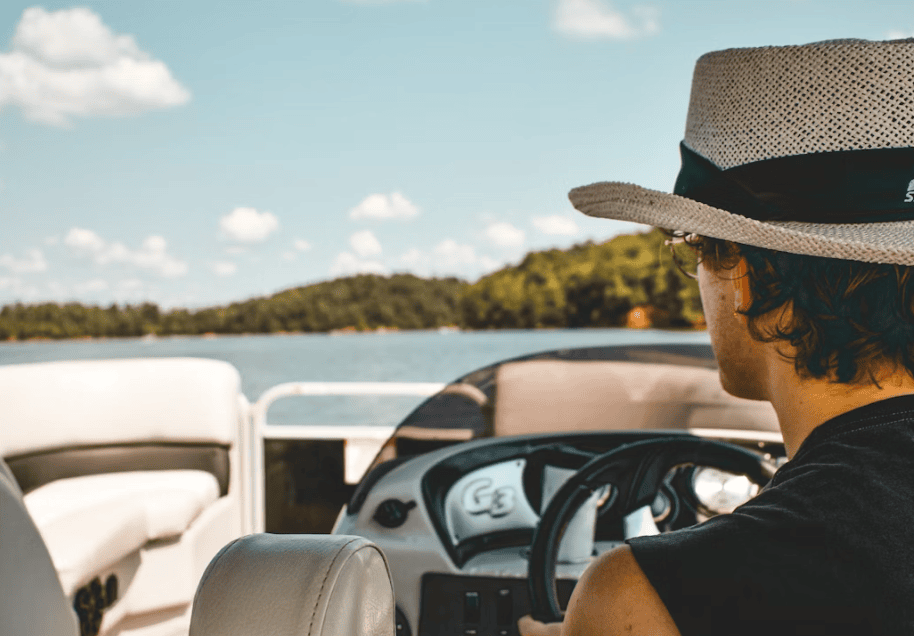 Navegação a Solo: Técnicas Práticas, Medidas de Segurança e Recomendações de Embarcações de Apoio">

Harbor logistics and fuel margins that matter
Most marinas enforce a 5-knot speed limit inside the breakwater and recommend an approach angle of 20–30 degrees when lining up for a berth. Solo skippers should plan fuel with at least a 30% reserve, carry an extra 10–20 liters in a certified fuel can, and always note the location of the nearest fuel dock and haul-out crane on navigation charts. Filing a float plan with your marina office or a contact ashore is an operational necessity rather than an option when you are alone on the helm.
Preparation and planning for single-handed trips
Thorough pre-departure checks turn potential emergencies into manageable tasks. Verify battery charge levels, test the bilge pump for automatic and manual operation, and confirm chartplotter waypoints. Keep spare batteries, a compact toolkit, and a contingency anchor rig aboard. Weather routing is essential: a change of wind direction of 30 degrees or the appearance of a squall line can quickly alter the difficulty of a solo passage.
Lista de verificação rápida antes da partida
- Comunicações: VHF radio, waterproofed cell phone, and an EPIRB or PLB within reach.
- Safety gear: Lifejacket/PFD worn while transiting docks; spare throwable cushion.
- Systems: Engine start, steering, and digital switching verified; bilge pumps tested.
- Navegação: Charts, tide tables, and AIS status confirmed.
Docking and handling techniques for one person
Successful solo docking is choreography: prepare fenders, run one or two forward and aft spring lines to the bow and stern, and position cleats so you can reach them without leaving the helm for long. When available, engage joystick steering or bow thrusters for lateral control. In strong crosswind or current, approach slowly on a broad reach and use a spring line to pivot the bow into the slip.
Practical maneuvers
- Approach at idle speed and hold engine direction steady; avoid multiple engine reversals that cause prop walk.
- Use a short snubber line on the bow to absorb surge and make one-person mooring adjustments safer.
- Consider a stern-to approach at crowded docks where shore assistance is available.
Safety considerations and regulatory compliance
Wear a PFD whenever you move on deck, and rig a safety tether if you must work over the side. Keep a dedicated dry bag with paperwork, a handheld VHF, and a charged phone. Local regulations often require navigation lights after dusk and an up-to-date sound-signaling device—ignore these at your peril. Monitor weather updates every hour on passage and have predetermined safe harbors on your route.
Best Scout Boats for solo operation
Certain models are engineered with single-handed operation in mind. The Scout 277 LXF e Scout 255 Dorado stand out for intuitive helm layouts, joystick-assisted controls, and predictable hull manners that reduce workload when you’re the only crew.
| Funcionalidade | Scout 277 LXF | Scout 255 Dorado |
|---|---|---|
| Length | 27’7″ | 25’5″ |
| Joystick steering | Disponível | Disponível |
| Deck layout | Spacious console access | Compact but efficient |
| Best use | Day cruising & light offshore | Inshore-to-offshore versatility |
Solo-boating FAQ
- Is solo boating safe? Yes—when you prepare, have appropriate safety gear, and operate within your vessel’s limits.
- What helps most? Joystick controls, clear sightlines, reliable electronics, and simple helm ergonomics.
- Can I fish while alone? Yes—arrange rods and tackle to keep pathways clear and have a plan for landing fish without leaving the helm unattended.
- Do I need a larger boat? Not necessarily; many operators find 25–28 foot boats to be an ideal balance of stability and manageability.
Practical tips for building solo confidence
- Practice frequently: Rehearse docking and man-overboard drills in calm conditions before attempting rougher weather.
- Stay organized: Lines, fenders, and tools should have designated stowage for quick access.
- Invest in tech: Modern GPS, digital switching, and joystick steering reduce task load and increase safety.
For travellers and boating enthusiasts planning their next coastal escape, guided marine tours and private charters can expand options for single-handed explorers. GetExperience offers a wide variety of tours worldwide to suit different preferences and budgets, and the platform supports full and secure payments with clear voucher confirmation afterward. You can also submit requests for tailored tours or excursions to receive offers that match your needs—perfect if you want a shore-side cultural program after a day on the water. Book now GetExperience.com
At a glance: solo boating hinges on preparation, sensible equipment choices like joystick-enabled Scout Boats, and conservative seamanship. Practice in calm conditions, keep safety gear within reach, and plan fuel and harbor options before you leave. While detailed reviews and advice are invaluable, nothing replaces time spent at the helm. On GetExperience, you book your experience from verified providers at reasonable prices. This empowers you to make the most informed decision without unnecessary expenses or disappointments. Benefit from convenience, affordability, and a wide range of additional options that align with coastal and cultural travel planning. Book now GetExperience.com
Summary: Single-handed boating combines logistics—fuel margins, marina rules, and approach angles—with practical skills such as one-person docking and use of joystick steering. Choose a boat with sensible ergonomics like the Scout 277 LXF or Scout 255 Dorado, maintain safety kit and communications, and practice maneuvers in calm conditions. Whether your future plans include travel experiences, adventure activities, online virtual tours, yacht parties, cruise packages, safari tours, museum tours with live guides, interactive online cultural workshops, adventure rafting trips for beginners, beginner esports coaching sessions, luxury adventure travel experiences, eco-friendly wildlife safaris, exclusive yacht charters for events, or professional esports training programs, the fundamentals of preparation and safety remain the same. Safe travels and fair winds.