


 Português
  English (UK)
  Русский
  বাংলা
বাংলা  العربية
  日本語
日本語  한국어
한국어  Magyar
  Norsk nynorsk
  Türkçe
  עִבְרִית
  Español
  Čeština
  Svenska
  Ελληνικά
  Suomi
Suomi  Nederlands
  Română
  Italiano
  Français
  Polski
  Українська
  Deutsch
  简体中文
简体中文  Slovenčina
  Српски језик
  اردو
اردو  Azərbaycan dili
  O‘zbekcha
  አማርኛ
አማርኛ 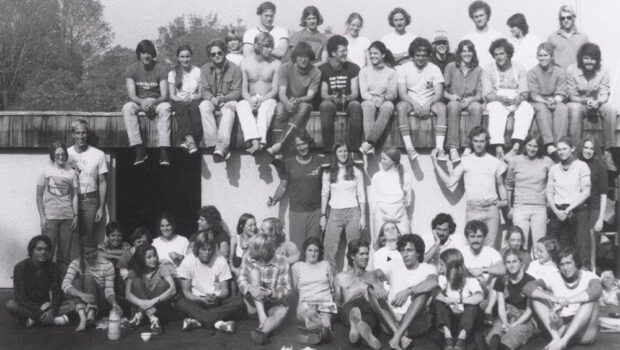 Como os Soling, Tempest e Finn moldaram uma geração de marinheiros e o turismo que inspiraram">

Harbour logistics for major regattas in the 1970s and ’80s demanded coordinated tender schedules, dedicated shore crews, and precise marina berthing—practical pressures that influenced junior training pathways and local tourism economies.
The technical core: boats, materials and shared knowledge
Sailing in that era was defined by an emphasis on technical mastery. Juniors progressed through high-performance dinghies, then onto crewing roles in Solings e Tempests, and many cut their teeth on IOR boats. Design tweaks, mast bend and sail shape were openly discussed at the club, and knowledge transfer was part of the sport’s culture.
Key classes and what they taught
| Classe | Typical Crew | What sailors learned | Tourism draw |
|---|---|---|---|
| Soling | 3 | Teamwork, keelboat tactics | Classic regatta events, spectator appeal |
| Tempest | 2 | Heavy-weather handling, tuning | Hands-on training for charter crews |
| Finn | 1 | Physical fitness, solo tactics | Iconic singlehanded demonstrations |
| Estrela | 2 | Precision sail trim, high-level tactics | Historic class reunions and exhibitions |
| IOR boats | varied | Rating optimization, optimisation engineering | Maritime heritage cruises and museum exhibits |
Heroes, craft and open techniques
Names like Elvstrom, Raposa, Melges, North, Blackaller, Turnere Conner were not only celebrities; they functioned as living manuals. Their innovations were visible at club levels: rigging experiments, sail cuts and tactical theories were tried and retested in local races. The culture favoured transparency—winners shared why they won, and that communal learning accelerated skill development across generations.
From tactics to tourism
- Local regattas increased berth demand and attracted visiting crews, boosting marinas and nearby hospitality services.
- Iconic sailors and their boats drew spectators, creating seasonal tourism spikes around events.
- Hands-on training days and heritage demonstrations converted technical competence into visitor experiences.
What changed: speed, spectacle and specialization
Over time, the spotlight shifted. Straight-line speed and visual spectacle replaced some of the deep technical focus. Taça América campaigns evolved into hyper-specialized programs where stunt pilots and designers dominated headlines. Smaller classes with rich tactical complexity—Finns and Stars among them—lost some public prominence as cutting-edge platforms prioritized raw pace and media-friendly formats.
Consequences for club culture and tourism
As tactics ceded ground to speed, club-level learning patterns fractured. Fewer open workshops meant less community coaching, which has a knock-on effect for maritime tourism: fewer grassroots events reduce the variety of authentic, educational regatta-related visitor experiences. Conversely, modern spectacle has raised the profile of sailing in broadcast markets, attracting a different kind of tourist—those who seek adrenaline and showmanship rather than analogue nuance.
How nostalgia can inform modern travel experiences
There is a real opportunity to blend the best of both eras. Heritage regattas, museum-led sail training, and interpretive shore programs can offer tourists a richer slice of maritime culture. Tourism operators can package technical clinics, classic-boat days and spectator tours to satisfy both the nostalgia market and newcomers seeking authentic hands-on experiences. Platforms like GetExperience.com can help operators present these options and reach global audiences while easing booking and payment friction.
Practical ideas for organizers
- Offer mixed programs: a spectator leg plus a beginner sailing clinic.
- Include technical demonstrations by veteran sailors to preserve tacit knowledge.
- Create shore-based exhibits that explain mast bend, sail shape and tuning in plain language for tourists.
The era when sailors talked openly about technique left a legacy of strong sailing communities and memorable events. Even as formats evolve, those roots matter for how destinations package and sell nautical tourism.
Highlights: the technical rigour of past decades, the communal teaching culture, and the tourist appeal of classic classes and heroes. Yet even the most detailed reviews and honest feedback cannot replace personal time on the water. On GetExperience, you book your experience from verified providers at reasonable prices. This empowers you to make the most informed decision without unnecessary expenses or disappointments. GetExperience offers a wide variety of tours worldwide to suit any preference and budget—Book now GetExperience.com
To wrap up: the sailing world moved from analogue, community-driven innovation toward spectacle and specialization, affecting how clubs operate and how tourism products are packaged. Preserving technical teaching and heritage events can enrich travel experiences and adventure activities, from museum tours with live guides to exclusive yacht charters for events. Whether you prefer cruise packages, eco-friendly wildlife safaris ashore, interactive online cultural workshops, or luxury adventure travel experiences on the water, the blend of old-school seamanship and new formats creates diverse options—from yacht parties and safari tours to adventure rafting trips for beginners and even online virtual tours and professional esports training programs. In short, the DNA of classic sailing still offers fertile ground for modern tourism and unforgettable travel experiences.