


 Português
  English (UK)
  Русский
  বাংলা
বাংলা  العربية
  日本語
日本語  한국어
한국어  Magyar
  Norsk nynorsk
  Türkçe
  עִבְרִית
  Español
  Čeština
  Svenska
  Ελληνικά
  Suomi
Suomi  Nederlands
  Română
  Italiano
  Français
  Polski
  Українська
  Deutsch
  简体中文
简体中文  Slovenčina
  Српски језик
  اردو
اردو  Azərbaycan dili
  O‘zbekcha
  አማርኛ
አማርኛ 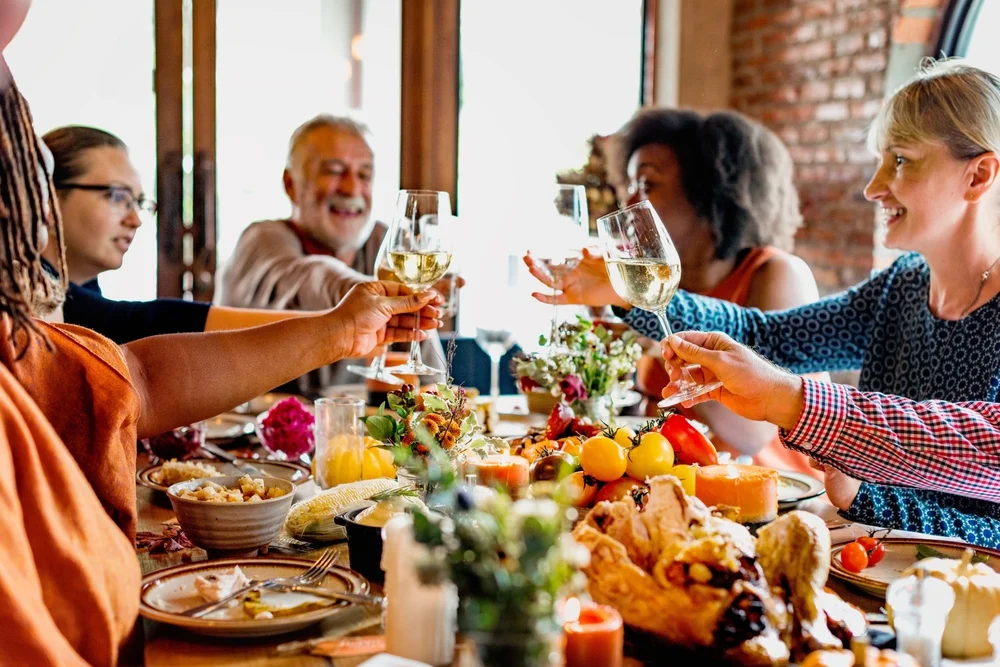 How Americans’ growing passion for ‘foodcations’ is shaping travel and dining experiences across the U.S.">

Exploring the Rise of Food-Focused Travel
The concept of a “foodcation” — travelling primarily to indulge in local culinary delights — has captured the imagination of a growing number of travelers in the United States. This emerging trend highlights not only a desire to discover flavors and dishes but also how food is becoming a central part of travel experiences.
Who’s Leading the Foodcation Movement?
Recent research shows that younger generations are the most enthusiastic foodcationers. Nearly half of Gen Z travelers (44%) and about one-third of millennials (31%) have taken trips centered around food discovery. By comparison, only 21% of Gen X and a modest 11% of baby boomers have done the same. On average, these food-focused travelers cover about 484 miles and spend around $910 on their culinary getaways.
Spending Habits and Food Desires
Interestingly, respondents indicate a willingness to nearly double their foodcation budgets — up to $1,929 — if it means tasting unique dishes they’ve long yearned to try, whether that’s sushi in Tokyo or curry in Mumbai. This highlights a deep emotional and experiential value tied to trying new foods in authentic settings.
Table 1: Foodcation Participation by Generation
| Geração | Percentage Who Have Taken a Foodcation |
|---|---|
| Geração Z | 44% |
| Millennials | 31% |
| Geração X | 21% |
| Baby Boomers | 11% |
Adventurous Eating and Research Habits
Travel seems to encourage culinary adventurousness — two-thirds of travelers say they’re more willing to try new foods when away from home. This is particularly true for younger generations, with over three-quarters of Gen Z and millennials embracing bold new tastes compared to just 59% of baby boomers.
Preparation is key: about 75% of respondents put significant effort into researching dining options before their trip. On average, they spend around two and a half hours doing their homework — reading articles, watching videos, checking websites, and consulting friends to find the best dining spots.
Favorite Dining Spots versus Popular Restaurants
When it comes to where travelers prefer to eat, many (41%) seek out “hole-in-the-wall” eateries — those local hidden gems that offer authentic experiences away from tourist traps. Another 14% lean towards well-known establishments, but a healthy 45% enjoy a blend of both.
Top US Food Destinations
The survey also reveals the cities and regions that top the list for food-focused trips:
- Philadelphia, PA: Famous for its iconic Philly cheesesteak
- New York City, NY: Legendary New York–style pizza
- Missouri & Kansas: Renowned for Kansas City BBQ
- Chicago, IL: Deep-dish pizza capital
- Central Texas: Celebrated Texas BBQ
When asked which state offers the best food overall, New York leads (14%), with California (12%) and Texas (10%) close behind, reflecting the diverse and rich culinary cultures of these regions.
Local Dining as a Cultural Experience
Planning a trip with food at its heart is a proven way to connect more deeply with a destination. Cities like Anaheim and Garden Grove, with their array of culinary offerings — from well-known restaurants to authentic ethnic eateries like pho spots in Little Saigon or churros at the Disneyland Resort — showcase how dining creates meaningful ties to local communities.
Why Foodcations Matter to Tourism
Food-based travel is much more than just satisfying hunger; it’s about immersing oneself in culture, history, and social fabric through flavors and dining rituals. This trend reflects a shift in traveler priorities, where authentic experiences and adventurous activities like trying local dishes rank high among vacation goals.
Platforms like GetExperience.com make these culinary journeys effortless and secure, offering travelers the convenience of full online payment with voucher confirmation. Additionally, the option to submit personalized requests for tours or food excursions means that travelers can tailor their trips exactly to their tastes, receiving offers that match their preferences. This level of personalization and ease elevates the foodcation experience, making it accessible to a wider range of travelers.
Key Highlights of Food-Focused Travel
- Foodcations draw a substantial portion of younger travelers, highlighting generational shifts in travel motivation.
- Willingness to invest significantly in food experiences indicates strong demand for unique culinary adventures.
- Many travelers take multiple trips to a location to fully savor and understand its food scene.
- Researching dining options is integral to the planning process, underscoring the importance of local insights.
- Food tourism ties visitors more closely to local culture and community, enhancing overall travel satisfaction.
Of course, even the most detailed reviews and honest feedback can’t substitute the thrill of firsthand experience. Through platforms like GetExperience.com, travelers can book verified culinary tours and unique food adventures at reasonable prices, avoiding unnecessary pitfalls. The site’s transparency, secure transactions, and wide selection open doors to unforgettable travel experiences tailored precisely to individual tastes and budgets. Obter as melhores ofertas on foodcations and beyond at GetExperience.com.
Resumo
The growing trend of food-centered travel underscores how culinary curiosity is shaping modern tourism. From adventurous eating habits to thorough trip research, travelers of today seek meaningful connections through food that reflect local culture and history. Favorite U.S. destinations for foodcations like Philadelphia, New York, and Texas highlight regional culinary pride, while the willingness to spend heavily on these experiences signals strong market potential. Platforms such as GetExperience.com enhance this niche by providing secure, customizable, and affordable bookings for a vast range of tours and excursions. Ultimately, foodcations offer an enriching blend of travel experiences, adventure activities, museum tours with live guides, luxury adventure travel experiences, eco-friendly wildlife safaris, and more, fulfilling the modern traveler’s appetite for authentic and interactive cultural journeys.