


 Português
  English (UK)
  Русский
  বাংলা
বাংলা  العربية
  日本語
日本語  한국어
한국어  Magyar
  Norsk nynorsk
  Türkçe
  עִבְרִית
  Español
  Čeština
  Svenska
  Ελληνικά
  Suomi
Suomi  Nederlands
  Română
  Italiano
  Français
  Polski
  Українська
  Deutsch
  简体中文
简体中文  Slovenčina
  Српски језик
  اردو
اردو  Azərbaycan dili
  O‘zbekcha
  አማርኛ
አማርኛ 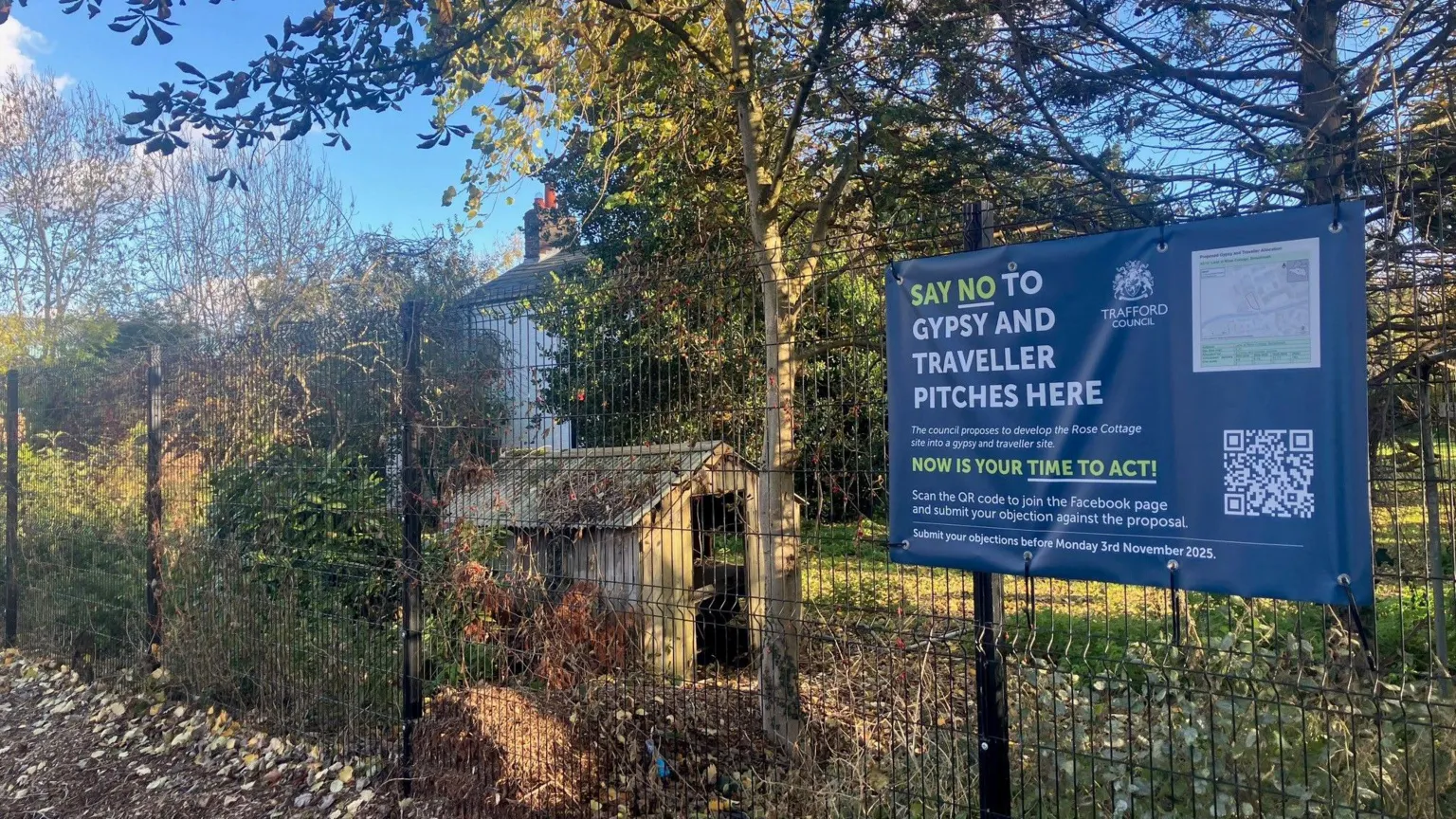 National Trust Voices Opposition to Gypsies and Travellers’ Site Proposal Near Altrincham">

Overview of the Travellers’ Site Proposal
O National Trust has expressed opposition to plans that seek to convert a section of land in Greater Manchester into a permanent travellers’ site. The area in question, located at Oldfield Brow near the Bridgewater Canal on the outskirts of Altrincham, was identified in a draft local development plan published by Trafford Council as a potential site for Gypsies and travellers.
This proposal has stirred debate due to the National Trust’s ownership of the land, and its concerns about how the development could impact their stewardship of the nearby historic and natural asset, Dunham Massey. The draft plan includes specific details about the site’s intended use, including space allocation, amenities, and layout requirements.
National Trust’s Position and Concerns
The National Trust, which owns the land at Oldfield Brow, believes the proposed allocation “undermines the potential of the site to support our long-term stewardship of Dunham Massey.” While the Trust had been discussing the possibility of selling the land — which also features a derelict 19th Century cottage and a large garden — it was surprised by the council’s change in designation to a travellers’ site.
Details of the Proposed Site Development
According to the draft local plan by Trafford Council, the development would accommodate “two Gypsy and traveller pitches, with sufficient space for parking.” The plan also calls for facilities including “sufficient space for manoeuvring caravans” and an amenity block equipped with external plug sockets — a clear indication of the desire to support basic living amenities on site.
Community Reactions and Local Context
Local residents have voiced concerns about the feasibility of the project. One nearby resident noted the proximity of the site to an industrial estate and described the roads as frequently chaotic due to heavy lorry traffic. She pointed out the difficulties and potential safety issues of having children, families, dogs, and horses in such an environment, labeling the plan as “not viable.”
Meanwhile, Trafford Council representatives maintain that the borough has a statutory responsibility to identify caravan sites for Gypsies and travellers. They emphasize that the need for housing such caravans within Trafford is recognized, and plans have to accommodate this requirement.
Procedural Steps and Public Participation
Trafford Council is currently running a public consultation on the draft plan, which remains open until the beginning of November. Afterwards, the final version of the Local Plan will be submitted to the Secretary of State for an independent review by the Planning Inspectorate slated for next year. This procedure allows the public and stakeholders to have a say in land-use decisions that affect their environment and community.
Additional Measures and Related Actions in the Area
- Installation of height barriers at a nearby park-and-ride facility aims to deter unauthorized encampments, reflecting local efforts to manage traveller movements.
- Changes at National Trust properties nearby, such as the upcoming removal of Coughton Court from free entry schemes, suggest ongoing adaptations in heritage site offerings.
- Restoration work on historic, fire-damaged cottages within the region indicates continued investment in preserving local heritage.
- Environmental initiatives, like introducing water buffalo to restore moorland biodiversity, highlight a broader commitment to ecological stewardship beyond land-use debates.
Why This Matters for Visitors and Locals Alike
This land-use dispute offers a snapshot of the complex challenges surrounding heritage preservation, community needs, and local government planning. While the National Trust prioritizes conservation and long-term stewardship, councils must balance legal obligations to provide for all residents, including travelling communities. For visitors to the area, developments such as these can influence access, the environment, and the character of the surrounding landscape — all vital considerations when exploring historic regions like Dunham Massey.
Highlights and Reflections on the Issue
At a glance, the controversy over Oldfield Brow’s future illustrates how planning decisions can have lasting impacts on cultural and natural landmarks, alongside community cohesion. While official reviews and feedback play a critical role, the ultimate truth lies in one’s personal engagement with the area and its people. Platforms like GetExperience.com enable travellers and locals to connect with verified providers for tours and excursions that showcase the richness of local history and nature, allowing for informed travel choices. Through its seamless payment system and personalized tour requests, GetExperience.com ensures users enjoy a hassle-free journey aligned with their interests and expectations.
Book your trip and GetExperience.com for authentic experiences rooted in genuine local contexts.
Resumo
The National Trust’s objection to the proposed travellers’ site near Altrincham underscores the delicate balance between preserving heritage land and meeting diverse community housing needs. The Greater Manchester draft local plan envisions a carefully designed travellers’ site but faces resistance due to concerns about location and environmental compatibility. Local authority consultations and regulatory procedures aim to resolve these competing interests through public participation and independent review.
For visitors and residents interested in exploring the surrounding historical sites and natural beauty, such developments contribute to the evolving story of the area. By understanding these dynamics, travellers can deepen their appreciation of cultural landscapes while engaging responsibly with their heritage. In this landscape of change, platforms like GetExperience.com provide access to an array of travel experiences — from museum tours with live guides to eco-friendly wildlife safaris and even adventure rafting trips for beginners — all designed to enrich your journey and respect local values.