


 Português
  English (UK)
  Русский
  বাংলা
বাংলা  العربية
  日本語
日本語  한국어
한국어  Magyar
  Norsk nynorsk
  Türkçe
  עִבְרִית
  Español
  Čeština
  Svenska
  Ελληνικά
  Suomi
Suomi  Nederlands
  Română
  Italiano
  Français
  Polski
  Українська
  Deutsch
  简体中文
简体中文  Slovenčina
  Српски језик
  اردو
اردو  Azərbaycan dili
  O‘zbekcha
  አማርኛ
አማርኛ 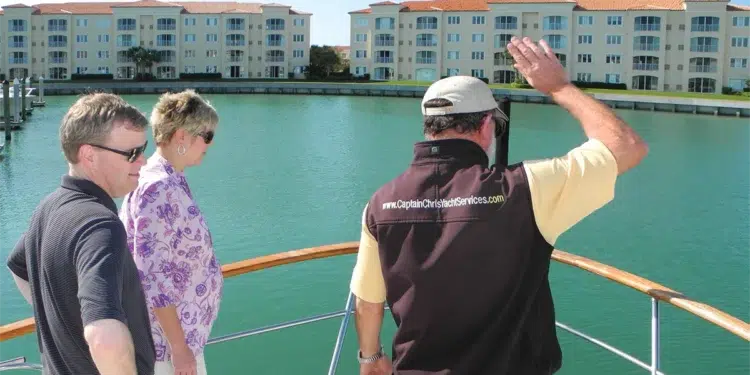 Competências de Comunicação Essenciais que Todos os Marinheiros Precisam para Atracagens e Cruzeiros Seguros">

Docking operations: assign, brief, and confirm
When approaching a berth, designate the helmsman and one or two deckhands, assign bow, stern and spring line responsibilities, and confirm the docking plan before the vessel comes within 50 feet of the pier. Use short, standard calls such as “Bow line,” “Stern line,” e “Breast line is ON!” to eliminate ambiguity. A clear division of tasks reduces fender and hull damage and shortens maneuver time, which matters for marina scheduling and for safely rejoining other vessels in busy anchorages.
Avoid docking drama: planning and roles
Successful berthing is as much about preparation as it is about execution. Agree on a plan, then be ready for quick adjustments driven by wind, tide or traffic. Understand each crew member’s experience so commands can be tailored to skill level: a novice deckhand needs succinct, actionable directions while an experienced hand may require only one-word confirmations.
Key pre-docking checklist
- Assign roles: helmsman, primary deckhand, secondary deckhand.
- Run through fender and line placements while still offshore.
- Confirm which mooring points will receive bow, stern and spring lines.
- Ensure all safety equipment and gloves are accessible.
- Brief the crew on contingency moves (abort berth, use reverse thrust, call for assistance).
Communicating in wind, weather, and noise
Environmental noise and distance often make verbal commands ineffective. Use arm signals when sight lines are clear: a full arm extension indicates direction, a palm-down chop can mean reduce speed, and sweeping motions signal a larger course change. When crew cannot see each other, rely on technology: VHF calls, two-way hailer functions, or marine headsets provide amplified, focused speech — but each tool has trade-offs for privacy and clarity.
Practical headset and radio etiquette
- Keep headset batteries charged and units powered ON before maneuvers.
- Agree that headsets remain on until both parties confirm removal.
- Use the VHF squelch and proper channel discipline to avoid broadcasting private instructions to the entire marina.
- Prefer short commands; avoid long explanations during critical maneuvers.
Common short commands and meanings
| Call | Significado | Quando usar |
|---|---|---|
| Espera. | Stop engine thrust / maintain position | While lines are secured or to stall for traffic |
| Hard to port/starboard | Full rudder to change heading quickly | Tight maneuvering near docks or other boats |
| Facilidade | Reduce power or slack off | When approaching berth or taking lines |
| Breast line is ON | Line secured—confirm mooring | After deckhand secures line |
The importance of acknowledgment onboard
Hearing a command is not the same as understanding it. A required follow-up in any exchange is explicit confirmation: a simple “Copy,” “Confirmed,” or repeating the instruction back ensures the intended action will be taken. If confirmation is not heard, repeat the call. Wind, engine noise and simultaneous VHF traffic can all mask intent, so insist on acknowledgement as a standard operating practice.
Why role experience matters
Each position sees the boat differently: a helmsman judges the vessel’s response to throttle and rudder, while a deckhand manages lines, fenders and crew movement. When crew rotate roles occasionally, their shared understanding of sight lines and timing improves decision-making and reduces the chance of errors. Practice short, standardized phrasing during calm conditions so it becomes second nature during high-stress moments — in short, train today so you have a mind to act calmly tomorrow.
Practical communication tools at a glance
| Ferramenta | Força | Limitation |
|---|---|---|
| Arm signals | Silent, immediate | Requires line-of-sight |
| VHF / two-way hailer | Amplified range | Public; may clutter radio traffic |
| Auscultadores | Private, clear | Battery dependent; need mutual agreement to remove |
At a glance, consistent terminology, role clarity, and a simple acknowledgment protocol are the cornerstones of safe small-boat operations. This clarity also enhances the guest experience on chartered voyages and guided yacht tours, where confident, professional communication reassures passengers and supports smooth itineraries.
Clear communication practices make boating safer and more enjoyable, and they feed directly into tourism offerings: better-trained crews reduce cancellations, protect reputations, and free up time for passengers to enjoy activities from festas em iates e pacotes de cruzeiros para passeios de safari e visitas a museus com guias ao vivo. On GetExperience, you book your experience from verified providers at reasonable prices. This empowers you to make the most informed decision without unnecessary expenses or disappointments, with secure payments and tailored tour requests available to match your preferences — Book your Trip GetExperience.com
In summary, assign clear roles before approaching a dock, use short standardized calls, confirm every instruction, and choose the right combination of arm signals, VHF, and headsets for the conditions. These measures cut docking time, lower risk of damage, and improve guest satisfaction on tours and charters. Whether you’re planning adventure rafting trips for beginners, arranging luxury adventure travel experiences, booking eco-friendly wildlife safaris, or organizing interactive online cultural workshops and professional esports training programs, the principles of clear communication apply across activities. Good communication turns potential mishaps into smooth Travel experiences and Adventure activities worth remembering.