


 Português
  English (UK)
  Русский
  বাংলা
বাংলা  العربية
  日本語
日本語  한국어
한국어  Magyar
  Norsk nynorsk
  Türkçe
  עִבְרִית
  Español
  Čeština
  Svenska
  Ελληνικά
  Suomi
Suomi  Nederlands
  Română
  Italiano
  Français
  Polski
  Українська
  Deutsch
  简体中文
简体中文  Slovenčina
  Српски језик
  اردو
اردو  Azərbaycan dili
  O‘zbekcha
  አማርኛ
አማርኛ 

Plan ahead: book an accessible stateroom with a roll-in shower and wide doors, and confirm mobility-friendly dining and shore options with the cruise line at least six weeks before departure. This isnt optional; it shapes your entire trip and frees you to focus on sightseeing and exploring ports across destinations.
Gather the right information: check cabin access, bathroom layout, lift access to decks, and elevator placement. Disabled travelers benefit from proximity to hubs like dining venues and theater entrances, and you can still manage a smooth day with a well-planned route. Use google to compare ships, read user reviews, and verify port accessibility details before you book.
Onboard accessibility varies by ship, so plan around potential challenges. Choose ships with clear signage, wide corridors, and accessible entertainment venues, and ask about assistive devices such as shower chairs or collapsible ramps. While days cruising the open sea can be smooth, you may encounter difficult terrain near certain destinations, so carry flexible plans for sightseeing and excursions.
Here are practical tips to maximize space and independence: reserve cabins near elevators, request dining and activity times that suit you, and confirm storage for any equipment in common areas. For special needs, pack a compact medical kit and know where the ship’s medical center is located; crew can help with modifications to accommodate you during cruising.
Before disembarking at each port, gather up-to-date information about accessible taxis or tours across the itinerary. If a challenge arises, speak with guest services early and document needs; most crews respond quickly when details are clear. Use these must-dos to stay confident and enjoy exploration across oceans and coastlines.
Cruise with Confidence: 6 Practical Tips for Wheelchair Users; Why Are Cruises Great For Wheelchair Users And Those Living With A Disability
-
Choose an accessible stateroom first: look for a roll-in shower, a large bathroom, and space for a wheelchair transfer. Pick a room close to the elevator and public areas to reduce much walking time during those busy shore days.
- Check the deck plan for doorway widths, bed height, and accessible storage; confirm that the corridor layout supports easy pivoting and turning.
- Pack bags with essentials in an easy-access bag and bring copies of medical documents in case of medical needs ashore.
-
Researching itineraries and ships with a solid accessibility record saves trouble: prioritize ships with a strong accessibility track record in the fleet, especially large, royal-class ships where elevators and wider corridors are more common.
- Request a case-by-case review of onboard spaces and dining areas to ensure most rooms you’re considering meet your needs.
- Look for itineraries that offer scenic ports and river-like shore experiences that are easy to explore for those using a wheelchair.
-
Onboard mobility planning reduces strain: map the most level routes between your room, dining, and activities so you can explore the ship with ease. Favor public spaces with easy access and dimiss hidden obstacles that slow movement; expect announcements to arrive within minutes.
- Check lifts and ramp availability near the shore excursion desk and near where tenders load to keep transfers close and predictable.
- Ask crew to assist with transitions and to share alternate routes when a corridor is temporarily busy or crowded.
-
Shore excursions should be chosen with needs in mind: pick accessible tours or plan to explore cities with flat walkways, scenic routes, and easy dock-to-bus transitions. If a port isn’t fully accessible, consider a scenic day at sea as an alternative.
- Discuss tender options in advance and confirm how those processes will work for your mobility needs.
- For those with medical considerations, check the availability of onshore support and plan for case-by-case adjustments depending on the port.
-
Packing and what to bring: assemble an amount of essentials, including medications, adapters, and any assistive devices. Bring bags that are easy to manage and consider a compact carry-on for quick access during check-in and disembarkation.
- Include extra copies of prescriptions and a basic first-aid kit tailored to your needs.
- Prepare for early arrivals at the port by packing a smaller bag for the first day’s activities.
-
Communication and planning with crew: chat with guest services as soon as you board to align on room location, dining reservations, and emergency procedures. The fleet offers a dedicated accessibility team to assist those navigating the ships and tender processes.
- Keep a quick reference that lists the room number, nearest public areas, and the emergency muster instructions so you can respond in minutes if needed.
- Read through the ship’s accessibility resources here on board and use the public channels to stay updated on changes during coming ports.
Cruise Planning for Wheelchair Users and People with Disabilities
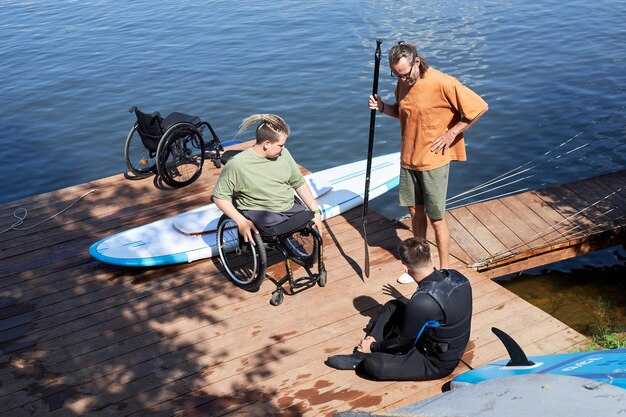
Check the vessel’s accessibility features and confirm arrangements with the line before you book. For Alaska itineraries, pick a vessel with wide corridors and a cabin with a roll-in shower near the elevators to keep life on board easier and reduce walking between venues.
Ask the expert onboard to review life-support equipment and map the locations of pools, dining rooms, theatres, and excursion desks. Ensure public spaces have approachable routes, check that seating is accessible, and verify that call buttons in staterooms are within reach; request staff to assist with mobility devices as needed.
Check required ports and docking or tender procedures, and confirm which locations offer accessible shore options. Plan port days to minimize long walks away from the ship, and choose excursions that provide ramps or other accessible features–there are ways to keep fatigue low while still enjoying every location.
Pack lightly and plan for ease: use bags with wheels, keep a compact mobility aid, and arrange for gear or assistive devices to be delivered to the ship. Budget for the spend on accessibility services, and ask the amount charged for things like enhanced assistance, transfers, and onshore support so money is predictable.
Look at travel logistics: book airline transfers and pre/post-cruise stays with carriers and liners that offer accessible seating or assistance. Confirm transfer times and reserve help at airports to avoid delays; carry a printed list of life safety and medical contacts and stay aware of ship locations and emergency procedures.
Choose the Right Accessible Cabin and Interior Layout
Choose an accessible cabin on the same deck as the ship’s lifts to minimize transfers from your wheelchairs. This setup cuts hallway distance and makes it easier to reach dining rooms, pools, and entertainment venues in a single glide from your room.
When comparing options, look for cabins labeled accessible or with wide doors that meet turning radii and offer a lower bed and threshold. In most cabins, the door width is about 32-36 inches (81-91 cm); ensure you have at least 60 cm clear in front of the bed for turning. Below is a quick checklist you can use while going through ship plans there on board, helping you find rooms that suit wheelchairs and the interior layout. This approach also makes finding the right cabin faster.
Interior layout matters: choose a cabin with a clear turning circle in the living area and space around furniture so you can maneuver your chair. Look for a bathroom with a roll-in shower, a fold-down bench, grab bars, and a reachable sink. The closet and storage should be at a height you can access from your chair, and the bed should be adjustable if possible. Keep frequently used items in reachable storage in your rooms.
Across the world, almost every line offers accessible cabins near lifts; compare how close you are to where you plan to go most days, like the pools, dining venues, and the theatre. If a ship is docked in athens, ask whether the gangways provide ramp access or staff assist to move you from the dock to the cabin quickly.
Before booking, use a guide or the line’s accessibility page to compare cabins. You can google celebrity layouts for accessible cabins or ask your travel advisor for a case-by-case assessment. Sign up for the newsletter to know about new accessible options on cruises and find more details for different destinations.
During booking and on board, know that crews often assist with transfers and can adjust seating at meals. If you need assist from staff, request a cabin change on ship later if needed and confirm the location of lifts, down corridors, and where to dock for port calls. In a case of change, keep a plan that keeps you close to amenities you use most often.
Confirm Elevator Access, Ramps, and Public Space Navigation
Verify elevator access for your dates at every venue and obtain a floor-by-floor map showing elevator banks, doors, and any temporary closures. Request printed accessibility plans and share them with boarding staff and companions to speed up accommodations. These are special things to confirm with each venue.
- Elevator access and boarding readiness
- Ask for the current elevator status, door width, and which floors are served; confirm if a staff escort is available for boarding if needed.
- If a lift or ramp is temporarily unavailable, obtain the nearest alternative entry that provides a flat path to required levels and confirm any wait times.
- Ramps: width, slope, and thresholds
- Check ramp width (preferable minimum 32 inches) and slope (ideally 1:12); confirm surface condition and available handrails where present.
- If a ramp isnt available at a point, secure an alternative route or a portable ramp on site, and verify curb-cut availability.
- Public space navigation: signs, space, and crowd flow
- Look for high-contrast signs, readable typography, and maps with clearly indicated accessible routes.
- Assess corridor widths, waiting areas, and ticket counters to ensure clear, unobstructed paths for wheelchair users.
- Transportation and cross-city planning
- Coordinate shuttle services and transit options that offer low floors and ramp access; confirm reserved seating where possible.
- Ask for clear boarding points and staff assistance at each stop to prevent delays during travel between sights.
- Contingency and documentation
- Prepare a quick-access card listing required accommodations, staff contacts, and backup routes for traveling days.
- Bring copies of images and maps to share with companions and readers.
Example plan: In City A, verify two elevators, arrange a staff escort for boarding, and book a shuttle with a ramp at 09:15. In City B, rely on a lift-equipped shuttle and mark accessible restrooms along the route to minimize waiting times for wheelchair users.
Plan Accessible Shore Excursions and Port Transportation
Book wheelchair-friendly shore excursions with dock-to-dock access and a short transfer, preferably within 15-30 minutes of your ship’s arrival. Ensure the vehicle offers a reserved space for your chair and room for an assistant if needed, and ask for pickup close to the gangway to minimize stairs and walking. You should confirm the exact dock location and whether the route includes curb cuts and accessible rest stops, and check that there is enough space for your setup.
Use online chat or the cruise line’s accessibility desk to confirm arrangements, and read reviews from other travelers to gauge how well a tour handles challenges and time pressures. Most ships and liners offer accessibility contacts; use them to verify what is possible in each port.
Athens presents city sightseeing with a mix of flat avenues and accessible venues. Choose a plan that stays in the city center and includes stops at places with ramp access and wide doorways. Ask what venues are included to ensure accessibility, and ask the guide to tailor the pace so you can linger at viewpoints without rushing.
On the riviera and other close ports, within global cruise travel, seek itineraries that minimize transport time and maximize close views of coastlines. A private or small-group option often yields more space for a wheelchair and a comfortable seat for a companion. Look for itineraries that boast a mix of photo stops and sheltered rest areas.
Finding guides who speak your language and can chat in real time helps greatly, especially if you travel with limited help. Request guides who can pace the day to your needs, adjust routes for stairs or uneven ground, and provide meaningful sightseeing context. If you travel alone, ask for a host or a small-group option that includes a compatible companion.
Pack lightweight essentials and carry a copy of your accessibility details in both digital and printed form. At docks, confirm space on the vehicle in advance and ask for a near-dock pickup. If you need a shower after a long port day, check whether the terminal or ship can offer an accessible shower facility nearby.
Prepare Medical Equipment, Medications, and Charging Needs
Pack a labeled medical kit and a spare charger; verify medication schedules with your issuer and the ship’s medical staff at least two weeks before travel. For older travellers and those with multiple meds, use a split-dose organizer and keep meds in their original packaging with prescription labels; carry images of the labels on your phone as a backup.
Carry all medications in your carry-on, not checked luggage, to avoid loss during docks and port calls. For vacations, prepare a 14-day supply plus a few days’ reserve for delays, and tailor doses for time-zone changes. Maintain a printed list of meds, dosages, and times; include the doctor’s contact and your issuer’s number. If youve got questions, share the list with the ship’s medical staff on arrival so they can verify compatibility with on-board protocols.
Document and label the devices: photograph medications (images) of the label, keep the original packaging, and ensure the line’s staff can identify each item. For long-term regimens, note any split-dose instructions to ensure dosing on sea days. The medical kit should also include a pill splitter and a small antiseptic supply to clean touchpoints.
Medical equipment readiness: Confirm your roll-in wheelchair fits the cabin layout and that the ship offers a roll-in shower or accessible facilities at port city stops. Bring spare parts and a lightweight toolkit, and mark cables and adapters with your name to avoid mix-ups among travellers sharing the room.
Charging needs: Pack a USB-C PD charger, a multi-port USB hub, and a portable power bank; ensure the bank capacity complies with travel rules and label it clearly. Use one primary charging setup in your cabin and keep cables organized in a wide, flat bag to prevent trips around a roll-in area. Check the ship’s outlets and any restrictions on high-current devices, and carry adapters for european sockets during calls in european ports if needed.
| Medication | Original packaging, prescription label, 14-day supply, and photos (images) of the labels | Carry-on; verify with issuer |
| Power bank | High-capacity USB-C PD model; keep handy for on-board charging | Carry-on; check line rules |
| Adapters & cables | Universal plug adapter; USB cables; cable organizers | Carry-on |
| Medical equipment | Roll-in wheelchair, spare batteries (per line policy), small toolkit | Cabine |
Coordinate Dietary Needs and Onboard Medical Support
Ask guest services to accommodate your dietary needs and confirm medication storage and onboard medical support before sailing.
Provide a detailed dietary profile to the chef and dining manager: allergens, intolerances, and preferred meals. Specify substitutions, portion sizes, and how meals align with your medication timing. Youve arranged options for vegan, gluten-free, halal, and kosher plans, and you want these choices honored at all dining venues, including visiting ports in athens and other calls.
Keep an updated medication list and bring copies of prescriptions. Store meds in original containers with labels; carry a copy with you, and share a list with the ship’s medical team. If refrigeration or controlled substances are needed, arrange specifics in advance and confirm storage capacity on board. If a dose schedule changes during a tour, notify staff at once.
Coordinate room selection and dining access: request wheelchair-friendly rooms, a clear path from your door to lifts and dining rooms, and lifts in public areas. If a workaround could help, ask for it. Ask to reserve seating near elevators or ramps, and confirm staff can assist with wheelchair transfers if you prefer. For special meals, ensure the staff knows your needs in each venue, and plan for a path that goes around any restricted areas.
Plan ports and tours: visiting athens or other ports, almost every call can offer wheelchair-friendly tours with step-free vehicles. Coordinate with the shore excursions desk and the medical liaison to match itineraries to your accessibility needs. Bring a lightweight folding chair for rests during exploring around historical sites, and verify ground transport has ramps and lifts. Keep notes on local vendors who can provide safe meals on shore while respecting your meds schedule.
This isnt about limiting your choices; it provides predictable support that fits your routine. Cruisers can go with confidence, spend time exploring around ports, and keep medication and meals aligned with your day. The ultimate goal is comfort and independence during your cruise, and going ashore with a clear plan and a team you can rely on will make that possible. Athens and other calls can be enjoyable when accessibility is planned in advance, and you can bring your own routine while still visiting local spots and tours.