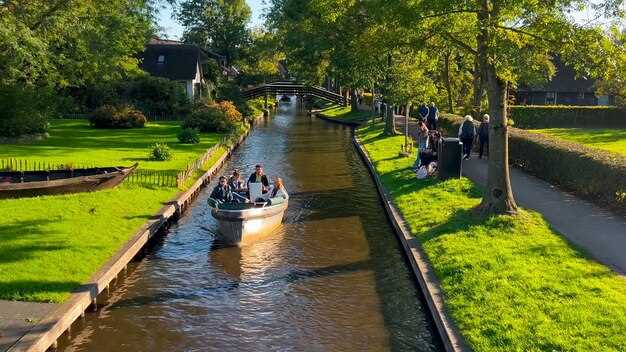

Short answer: a standard Amsterdam canal cruise runs 60 to 75 minutes and loops the seventeenth-century canal ring, a UNESCO World Heritage site since 2010. Boats leave every 15 to 30 minutes from four main points: Central Station, the Anne Frank House area, Leidseplein and the Rijksmuseum. Expect roughly €16 to €25 for a standard hour, more for open boats with drinks or a meal. Book the time slot rather than the cheapest ticket: light and crowds decide how good the hour is.
At a glance
| What | Detail |
|---|---|
| Standard length | 60 minutes; 75 and 90 minutes for themed cruises |
| Main departure points | Central Station, Anne Frank House, Leidseplein, Rijksmuseum |
| Frequency | Every 15 to 30 minutes on the main routes |
| Typical price | Around €16 to €25 for a standard cruise; drinks and dinner cruises cost more |
| Heritage status | UNESCO World Heritage, inscribed 2010 |
| Best light | First cruise of the morning, or the slot starting an hour before sunset |
Prices are given as a range on purpose. Operators run frequent online discounts and seasonal pricing, so the figure on the booking page for your date is the one that counts. Check it before you plan around any number in a guide.
What you are actually looking at
The canal ring is not scenery that happened by accident. It is a planned city extension: construction began in 1613 and the main canals were finished by about 1660, laid out as a half-ring of waterways west and south of the medieval town. UNESCO inscribed it in 2010 as the Seventeenth-Century Canal Ring Area of Amsterdam inside the Singelgracht, calling out the urban planning and the hydraulic engineering rather than any single building.
That matters for the cruise, because the thing worth watching is the pattern: the four main canals running parallel, the merchant houses turned narrow and tall because plot width was taxed, the hoist beams still bolted to the gables, the bridges lining up in rows when the boat hits the right angle. A guide who explains that turns an hour on the water into the best introduction to the city you can buy.
Which cruise to pick
| Type | Length | Suits | Trade-off |
|---|---|---|---|
| Classic covered cruise | 60 min | First visit, any weather, families | Glass roof means reflections in photographs |
| Open boat | 60 to 90 min | Photography, warm evenings, small groups | Cancelled or cold in bad weather |
| Evening cruise | 60 min | Lit bridges and reflections | Detail on the facades is lost after dark |
| Drinks or dinner cruise | 75 to 120 min | An occasion, not sightseeing | You pay restaurant prices for a moving table |
| Hop-on hop-off boat | Day ticket | Using the water as transport between museums | Slower than a tram; queues at popular stops |
For a first visit the classic hour wins. The themed cruises are pleasant, but they trade sightseeing time for food, and the route is usually shorter.
Where to board, and why the pier matters
- Central Station. The largest cluster of piers and the most frequent departures. Also the busiest, and the first ten minutes are spent crossing open water rather than canals.
- Anne Frank House area. Puts you in the canal ring straight away. Good if you are already in the Jordaan.
- Leidseplein. Convenient for the museum quarter and the southern canals.
- Rijksmuseum. The quietest of the four, and a natural pairing with a museum morning.
If your priority is photographs, board away from Central Station. You spend more of the hour inside the ring and less of it on the IJ.
When to go
Two decisions, and they pull against each other: the light is best at the edges of the day, and so are the crowds.
- First departure of the morning. Emptiest boat, calm water, clean reflections. The city is still waking up along the banks.
- Midday. Fullest boats and flattest light. Fine if the cruise is a way to rest your feet between museums.
- The hour before sunset. The best light of the day on brick and water. Book ahead; this slot sells out first in summer.
- After dark. Bridges are lit and the water doubles them. In winter the Light Festival puts installations along the route, which is the one time an evening cruise clearly beats a daytime one.
Rain is not a reason to cancel a covered cruise. It is a reason not to book an open boat, and operators sometimes swap or refund those themselves.
Photography from a moving boat
- On a covered boat, hold the lens close to the glass to cut reflections, and avoid wearing white.
- Sit on the side facing the canal houses rather than the open water. On most loops that is the right-hand side leaving Central Station.
- Shoot the bridges as the boat lines up with them, not as you pass under: the row only aligns for a second or two.
- Keep the shutter fast. The boat is slow, but the vibration is not.
Honest limits of a canal cruise
Worth saying plainly, because a lot of guides will not.
- You will not see inside anything. The cruise is a moving viewpoint, not access to the houses or museums it passes.
- Commentary quality varies. Recorded audio guides cover more languages; a live host is better but depends on who is working that shift.
- The route repeats. Two different operators on the standard hour show you largely the same canals.
- It is not a substitute for walking the Jordaan. The water shows you the plan of the city; the streets show you the life in it. An hour of each beats two hours of either.
Practical notes
- Arrive 10 to 15 minutes before your slot. Boarding closes early on full departures and the queues at Central Station move slowly.
- Accessibility. Several operators run step-free boats, but not every pier and not every departure. Confirm with the operator for your specific time rather than assuming.
- Luggage. Large cases are usually refused. Use station lockers if you are cruising between check-out and a train.
- Children. The classic hour works well; dinner cruises rarely do.
FAQ
How long is a standard Amsterdam canal cruise?
Sixty minutes on the classic routes. Themed cruises with food or drinks run 75 to 120 minutes.
How much does a canal cruise cost?
Roughly €16 to €25 for a standard hour, depending on operator, date and how far ahead you book. Dinner and open-boat cruises cost more. Operators run frequent online discounts, so compare the price for your actual date.
Where do the boats leave from?
The four main departure areas are Central Station, near the Anne Frank House, Leidseplein and the Rijksmuseum. Departures run every 15 to 30 minutes on the main routes.
Are the Amsterdam canals a UNESCO site?
Yes. The seventeenth-century canal ring inside the Singelgracht was inscribed on the World Heritage list in 2010. The canals were dug from 1613 and the main ring was complete by about 1660.
Is an evening cruise better than a daytime one?
Different, not better. Evening gives you lit bridges and reflections; daytime gives you the facades and the gables. In winter, the Light Festival tips the balance towards evening.
Should I book ahead?
For the sunset slot and for weekends, yes. Outside those, walking up to a pier at Central Station usually works within half an hour.
Durations, departure points and heritage details in this guide follow operator and UNESCO published information. Prices move with season and promotion, so confirm on the operator's own site before booking.
About the author
Written by the GetExperience editorial team, which researches and writes the city guides on this blog. We check details against operator and official sources before publishing, and give price ranges rather than fixed figures where operators use dated pricing.