


 Polski
  English (UK)
  Русский
  বাংলা
বাংলা  العربية
  日本語
日本語  한국어
한국어  Magyar
  Norsk nynorsk
  Türkçe
  עִבְרִית
  Español
  Čeština
  Svenska
  Português
  Ελληνικά
  Suomi
Suomi  Nederlands
  Română
  Italiano
  Français
  Українська
  Deutsch
  简体中文
简体中文  Slovenčina
  Српски језик
  اردو
اردو  Azərbaycan dili
  O‘zbekcha
  አማርኛ
አማርኛ 
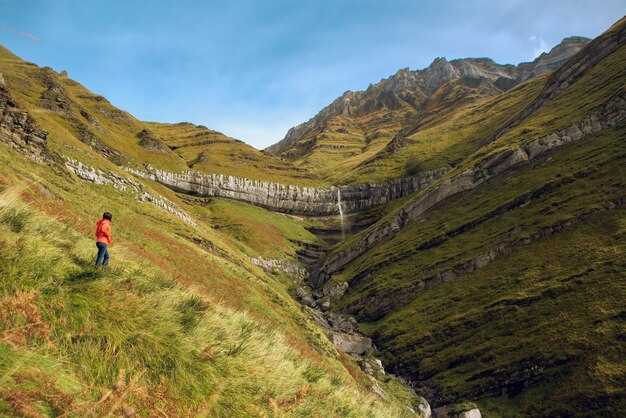
Arrive before sunrise to see terraces glow and alpacas grazing along perched ridges. This small residential town wakes with a thousand smells, and the first light on white walls makes a must-visit moment for a lifetime memory.
In february, rather than chasing crowds, exchange greetings with artisans and farmers, then follow a detailed loop that pivots from a sunlit plaza to a riverside trail. Tiny showers are common, so bring a compact rain shell for a rainy spell that passes in minutes.
Near the river, a local cook may fry trout right on the bank; ask to learn a few recipes and drop into tiny cafes. Bypassing the main road reveals underground tunnels used by agricultural communities centuries ago; orient yourself by the old irrigation channels to understand how scenes shift with the light.
Take a second day to explore archeological terraces and small museums. The approach is to orient yourself toward less-visited viewpoints, where fields roll away toward the Andean horizon and even the air seems sharper; a second stroll reveals new vantage points and people living in traditional ways, adding to your mind with real-life lessons.
When planning meals, look for alpaca dishes and quinoa bowls with side salads, and don’t miss hillside scenes where families tend gardens and alpacas wander through residential plots; this mix of work and play defines the town’s rhythm.
Luckily, rainy february mornings demand a light raincoat, and stepping carefully along narrow lanes lets the day unfold; every small detail–colors, sounds, and conversations–gives your mind a sharper sense of life in this valley hub.
One-day nature-first itinerary in Urubamba
Begin at dawn along the riverbank above the town to catch the first light. This moment frames a day blending forest, water and terraces without crowds.
A little-used trail leads to a secluded waterfall where spray cools the air; blending greens with birdsong creates a natural soundtrack and an opportunity to spot hummingbirds.
Pause at the central square for a quick click and a chat with local vendors; official trail markers outline a short loop past modest statues and a totem on the edge, and times when the best vantage point attracts a line, so move along.
Lunch by the river with hospitality from Paulo and Santiago; Moreno operates a small stall nearby offering quinoa bowls and crafts from Taiwan, including guinea clay figurines, with vendors mixing in the market rhythm. Personally, many travelers love this simple pace and like the way the day slows down.
Post-lunch, a little drive to ollantaytambo for a hillside route with terraces and a distant carved figure; a short, gradual climb reveals the valley below.
Return before dusk with a night stroll along the river path; if rain arrives, reflections multiply and the mood deepens. Perú guides share stories, and you may notice a line of locals heading to small stalls near the square.
| Czas | Aktywność | Lokalizacja | Notatki |
|---|---|---|---|
| 06:15–07:45 | Dawn riverside walk + waterfall detour | Riverside trail, town edge | Best light; little shade in dry season |
| 09:00–11:00 | Central square stop | Square & park area | Click photos; queueing may occur for viewpoints |
| 12:00–13:30 | Lunch with Paulo, Santiago, and Moreno | Riverside cafe | Hospitality; Taiwan crafts on sale |
| 14:30–16:00 | Ollantaytambo hillside loop | Ollantaytambo lookout | Official path; totem accents nearby |
| 17:00–19:00 | Sunset return and night stroll | Riverbank | Rainy option; reflections and camera click |
Prime hummingbird-watching spots around Urubamba and best times
Begin at belen near the iglesia on the northwest flank above the Vilcanota River; it’s a must-see for up-close looks at emerald and yellow-tipped hummers as dawn light hits the valley. Sit on a shaded bench with sunglasses on; the birds were actually lively along the upper terraces below the ridge. Spring blossoms draw the activity, so plan to visit in spring for peak counts. The setting rewards a lifetime memory.
-
belen-iglesia ridge (northwest, between terraces)
Why it’s prime: dense numbers and a variety of colors, including yellow throats. Best times: 05:30–08:45, with spring the peak. You’ll see small quick passes and, at times, several birds crossing in a single flutter (passed quickly). Tip: sit and watch; wear sunglasses; a guided local naturalist can provide a field guide and binoculars. Nearby you’ll find handmade feeders along the trail and a nearby brewery for a refresh after the session. Costing for a short guided outing typically ranges 25–40 USD. The terrain sits above centuries-old terraces, and the view below captures the highlands’ blue, green, and yellow palette.
-
Paccha Gorge viewpoint (between Paccha and Huaran paths)
Why it’s good: sheltered corridor where lantana and alpine shrubs attract several species. Best times: 05:45–09:15. Early light produces vibrant colors; you may see a quick flutter as birds passed in tight groups. Bring a compact tripod if possible; a guided visit can provide a spare feeder and a small field guide. Afterward, you can head to a bakery and then a local brewery for fare and refreshment; the guided option includes binoculars, maps, and notes.
-
Upper terraces above the village (below the ridge, near Pedro’s corner)
Habitat variety here, with yellow blossoms and rock walls. Best times: 06:00–09:30. Observers often note cute, tiny birds darting between shrubs; some look mysterious as they hover near the edge of the path. Pedro, a local guide, can meet you here for a guided walk; costing options are posted in the plaza; including a basic field guide and binoculars. After the overlook, a short stroll to Pedro’s café yields a warm drink and a chance to pick up handmade crafts for a souvenir (a true lifetime memory).
-
Yanahuara orchard edge (lower slope, between fields)
Why stop here: orchard margins and yellow-flowered shrubs sustain a steady stream of hummers. Best times: 05:50–08:20. Expect several passes and a few perched moments; several birds may sit briefly on twig tips before another sprint. Benches line the trail; you’ll find a small stall with local crafts–handmade items and a few feather-themed trinkets. The area presents a compact glimpse of highlands ecology; a guided option can provide a tailored route and help maximize sightings; end with a moment through sunglasses for a dramatic shot.
How to join a hummingbird observation tour in Urubamba
Book a morning tour with licensed operator offering small-group walks along plateau overlook. Light reveals thousands of hummingbirds that turn around nectar-rich blooms. As mentioned by guides, this option mainly attracts birdwatchers and stays calmer before crowds arrive. Bring binoculars, a light jacket, sunscreen, water, snacks, and comfortable shoes. Guide will explain bird behavior, safety during rainy days, and best spot choices. Online booking is common; visit operator page to compare schedules, saving time.
To join, follow practical steps: locate reputable operator with built in safety policy; meet at marked trailhead; pay a reasonable price; check cancellation terms. Path built into hillside keeps group close to action; sturdy footwear helps. This part of a journey mainly suits bird lovers; half-day options exist, offering a dense window to observe blooms. Rainy season can change visibility; plan accordingly. Ecology and culture angles deeply enrich the story; this experience yields an enriched understanding of ecology and culture, from plant helpers to bird stories. Visit nearby markets afterward for souvenirs; observe dyeing sticks used in crafts. Online planning helps; if youre structuring a longer trip, coordinate with a 36-day itinerary.
remember safety rules, respect birds, and stay quiet during sightings; youre responsible for keeping noise low. Reasonable expectations: expect light, calm moments rather than crowds. If youre planning a longer trek, align this with a 36-day itinerary.
Volunteer or participate in conservation activities near Urubamba
Sign up for a hands-on conservation project in valley this weekend to start creating measurable benefits for habitats and local communities.
Where to participate and what to do
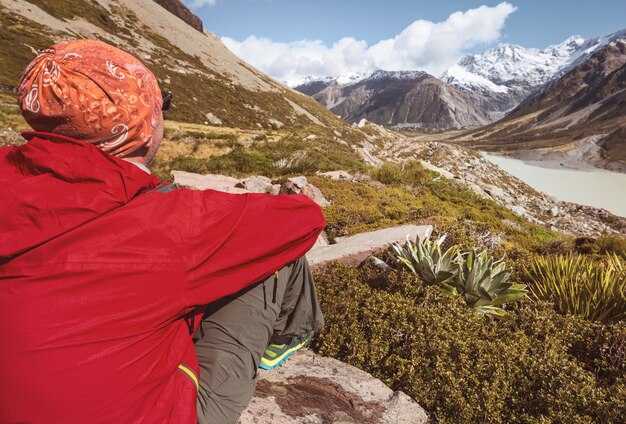
Look for reforestation along river corridors, soil stabilization on terraces, water quality monitoring, and seed collection for native herbs. Programs run by community groups, lodges, or regional NGOs often provide training, safety gear, and briefings. Sessions run during mild mornings or afternoons, with a break for lunch. Participants cross uneven ground and sometimes enter shaded canyons, carrying gear and maps. Seeds from medicinal herbs are collected carefully, labeled, and planted in restored plots, a process which yields visible gains after a few months. Involvement usually welcomes everyone, including downtown residents, travelers, and locals from america and york-based partners; most signups occur through internet portals, with below steps visible on screen. After completing a first shift, volunteers may discover a treasure in form of new skills and a sense of purpose. Some projects take place near peak viewpoints, where hikers can spot a restored slope and a long, winding panorama; others extend to longest stretches along riverbanks where erosion risk is lowest.
Praktyczne wskazówki dla wolontariuszy
Zabierz ze sobą okulary przeciwsłoneczne i kapelusz na odblaski, butelkę wielokrotnego użytku, buty nadające się do chodzenia po ulicach i lekką kurtkę przeciwdeszczową na nagłe ulewy; niektóre miejsca mają nierówny teren, gdzie solidna podłoga wita każdy krok, szczególnie w pobliżu przepraw przez rzekę. Przygotuj się na odpowiedź na instrukcję bezpieczeństwa i okazjonalną wspinaczkę po schodach na najwyższe zbocza. Strona rejestracji internetowej pokaże dostępne dni, które wahają się od krótkich przedpołudniowych przedziałów czasowych po całodniowe sesje; większość programów akceptuje osoby bez wcześniejszej rejestracji, jeśli są wolne miejsca, ale rejestracja online zwiększa szansę na przydzielenie do konkretnej zmiany. Po ukończeniu otrzymasz certyfikat lub notatkę o uczestnictwie, mały upominek często opisywany jako skarb przez wielu wolontariuszy. Jeśli brałeś udział z grupą znajomych, będziesz udostępniać zdjęcia z centrum Limy lub pobliskich miast i wymieniać się wskazówkami dotyczącymi sprzętu i tras. Ogólnie rzecz biorąc, spodziewaj się poczucia spełnienia i nowych kontaktów ze wszystkimi zaangażowanymi osobami.
Noclegi przyjazne ornitologom z dostępem do szlaku w pobliżu Urubamby
Zarezerwuj mały, rodzinny pensjonat w dolinie Pisac, oferujący bezpośredni dostęp do prywatnego szlaku z tylnego patio. Pętla o długości 1,5–2,5 km wspina się z sadów owocowych na skalisty grzbiet, a powrót zajmuje 60–90 minut, zapewniając niezawodne poranne obserwacje ptaków – niezapomniane przeżycie, które można powtarzać na tej samej trasie.
Trzy opcje trasy: pętla wzdłuż brzegu rzeki (2 km, płasko), punkt widokowy na cytadelę (3–4 km, lekki podjazd), ścieżka na skraju lasu (1,5–2,5 km, zacieniona). Wschód słońca oświetla grzbiety gór i daje szansę na dostrzeżenie drozdów i kolibrów; inspirujące tło, prezentujące spokrewnione gatunki i idealne do doświadczenia bliskiego kontaktu z naturą. Obserwacja ptaków jest tu raczej kameralna, nie tak jak wycieczki do Machu Picchu czy Iquitos.
dostęp do lotniska: z lotniska w Cusco około 60–90 minut drogą lądową. stamtąd prywatne transfery dowożą podróżnych do hoteli w dolinie boczną drogą. na miejscu serwowane są napoje; w słoneczne poranki zalecane są okulary przeciwsłoneczne. po deszczu szlaki mogą być błotniste; wybierz buty z dobrą przyczepnością. lokalny przewodnik z wieloletnim doświadczeniem prowadzi obserwacje ptaków; ceny w małych grupach są przystępne. w sezonie szczytowym kolejki mogą stanowić problem, dlatego warto rezerwować z wyprzedzeniem. targi w Pisac oferują stragany z rękodziełem i przekąskami – wspierając dobrze prosperującą społeczność ludów z przeszłych lat.
Porady dotyczące fotografowania kolibrów w Urubambie
Użyj teleobiektywu 300–600 mm z szybkim autofokusem, monopodu i fotografuj z czasem otwarcia migawki 1/2000–1/3200 s, ISO 800–1600, przysłoną f/5.6–f/8, w formacie RAW. Taki zestaw umożliwia uzyskanie ostrych kadrów, zwłaszcza gdy skrzydła poruszają się szybko, ponieważ trudno jest zamrozić najmniejszy ruch; myśl w kategoriach bloków kolorów, jak w koralikach Masajów, aby kierować kontrastami.
Pozycje w pobliżu górnych partii ścian, rozmieszczone wzdłuż ścieżek, gdzie kwitnie wiele kwiatów; cień w pobliżu wejść do jaskiń, aby złagodzić światło z tyłu; zachować odległości około 2–4 m, aby uchwycić szczegóły głowy przy jednoczesnym zachowaniu naturalnego zachowania; żerdzie wykonane z lokalnego kamienia zapewniają stabilne punkty zaczepienia; notatki z przewodników Bingham wskazują, że takie żerdzie są uważane za niezawodne.
Lekka strategia: fotografuj wcześnie rano lub późnym popołudniem, gdy kąt padania promieni słonecznych jest łagodniejszy; unikaj bezpośredniego blasku na opalizującym upierzeniu; tło powinno być stonowane, np. zielone liście lub błękitne niebo, aby kolor był bardziej wyrazisty.
Technika fotografowania: wstępne ustawianie ostrości na ulubionym punkcie na trasach przelotu, a następnie czekanie na szybkie zbliżenie; włączenie ustawiania ostrości przyciskiem na tylnej ściance dla szybkiego śledzenia; korzystanie z trybu seryjnego z dużą szybkością; stabilne oparcie o ścianę lub barierkę w celu zminimalizowania drgań.
Kontekst kulturowy i lokalny: po sesji odwiedź museo lub sklepy; ten obszar jest popularny wśród turystów; 8-dniowy plan podróży może obejmować Moray i punkty widokowe w Świętej Dolinie; połącz zdjęcia dzikiej przyrody z przystankami związanymi z dziedzictwem, aby uzyskać bogatsze kadry; ambientowa poranna muzyka z pobliskich targów może dodać atmosfery, nie przytłaczając ptaków.
Postprocessing: dostosuj balans bieli, aby zachować połysk upierzenia; unikaj przesycenia; eksportuj jako RAW plus JPEG; wyostrz lekko oczy i głowę, a następnie zapisz jako wysokiej jakości ujęcie, które oddaje uczucie skarbu dla miłośników przyrody; dusza ptaka jaśnieje, gdy światło jest czyste, a tło spokojne.