


 Polski
  English (UK)
  Русский
  বাংলা
বাংলা  العربية
  日本語
日本語  한국어
한국어  Magyar
  Norsk nynorsk
  Türkçe
  עִבְרִית
  Español
  Čeština
  Svenska
  Português
  Ελληνικά
  Suomi
Suomi  Nederlands
  Română
  Italiano
  Français
  Українська
  Deutsch
  简体中文
简体中文  Slovenčina
  Српски језик
  اردو
اردو  Azərbaycan dili
  O‘zbekcha
  አማርኛ
አማርኛ  Najlepsze rzeczy do zrobienia, zobaczenia i zjedzenia w Porto – Ostateczny Przewodnik">

Zacznij od zamówienia degustacji wypieków w odnowionej hali Mercada do Bolhão, a następnie przespaceruj się nad brzeg rzeki i obserwuj, jak rozwijają się panoramy miasta z drewnianej deski przy nabrzeżu. Prac polnych i cultural rytm ujawnia puls miasta.
Stamtąd zaplanuj spokojne popołudnie w Vila Nova de Gaia, gdzie ocean łączy się z rzeką, a domy porto ciągną się wzdłuż nabrzeża. Możesz porównywać indywidualne style serwowania tawny i vintage podczas degustacji oferty gastronomicznej, a następnie przejść się z widokiem na świateła miasta po drugiej stronie wody.
W historycznym centrum wejdź na wieżę Clérigos, aby podziwiać panoramiczny widok, a następnie zajrzyj do Livraria Lello, aby zobaczyć dramatyczne schody i wspaniałą halę biblioteczną z łukowymi arkadami z płytek.
Na lunch lub przekąskę, poszukaj tasca, który serwuje dania z bacalhau i kremowe desery, takie jak eklery, a następnie zakończ pastel de nata. Gastronomiczny wybór w małych porcjach zaspokaja pragnienie zarówno tradycji, jak i zabawnych smaków.
Przejdź się po moście Dom Luís I o zachodzie słońca, aby uchwycić żelazne krzywizny Porto, z panoramą pokrytych dachówkami i odbiciami rzeki. Spacer zaprasza do odkrywania pobliskich wiosek i nadmorskich uliczek, gdzie małe tawerny serwują caldo verde i grillowane sardynki.
Dla zwiedzających, którzy preferują stały rytm, Porto oferuje pełnoetatowe opcje: poranne targi, popołudniowe wspinaczki na wzgórza i wieczorne fado w ukrytych pomieszczeniach wzdłuż rzeki. Zaplanuj kolejne kroki i wybierz dzielnice, które pasują do Twojego tempa i nastroju.
Porto na rowerze elektrycznym: Ostateczny przewodnik
Wypożycz rower elektryczny w sklepie niedaleko Cardosas Square; pojechaliśmy pętlą wzdłuż rzeki do Ribeira, aby podziwiać panoramiczny widok miasta i poczuć świeży powiew wiatru.
chyba, że chcesz dłuższą przejażdżkę, utrzymuj trasę zwartą, okrążając Carmo, zaglądając do obszarów UNESCO i zatrzymując się w winnicy Gaia na degustację.
- Cardosas Square → Księgarnia Livraria Lello → przystanki galerii: przejażdżka po miejskich alejkach, wybierz parę murali na zdjęcia i uzupełnij energię przy szybkiej kawie.
- Carmo i klasyczne uliczki: wspięcie w kierunku Klasztoru Carmo, podziwianie fasad z jasnego kamienia wapiennego, a następnie zejście w dół wzdłuż Douro tradycyjnymi uliczkami.
- Muzea i kultura: zatrzymaj się w muzeum, takim jak Soares dos Reis, lub w galerii sztuki współczesnej; możesz wybrać jedną wystawę, aby uzupełnić podróż.
- Natura i widoki: sięgają Parque da Cidade lub ścieżek nad rzeką, aby cieszyć się świeżym powietrzem i rozległą panoramą miasta, z naturą na wyciągnięcie ręki.
- Wineries and port production: cross into Gaia for a winery stop to learn about port production and taste a young wine, a nice contrast to urban scenes. portugals style of production adds depth.
- Koktajle i przekąski: zakończ wieczór drinkami w barze na dachu z lekkim wiatrem, a następnie skosztuj słodkiego wypieku nad wodą, zanim wrócisz na rowerze.
Lokalizacja, dostępność i tempo są przyjazne zarówno dla początkujących, jak i doświadczonych rowerzystów, co sprawia, że Porto by Ebike to praktyczny sposób na zwiedzanie muzeów, galerii i tradycyjnych ulic w ciągu jednego popołudnia.
Ta trasa pozostaje zawsze kusząca, z nowymi galeriami, księgarniami i punktami widokowymi do odkrycia podczas każdej przejażdżki.
Najlepsze rzeczy do zrobienia, zobaczenia i zjedzenia w Porto; 40 Zwiedzaj ulice Porto na hulajnodze elektrycznej
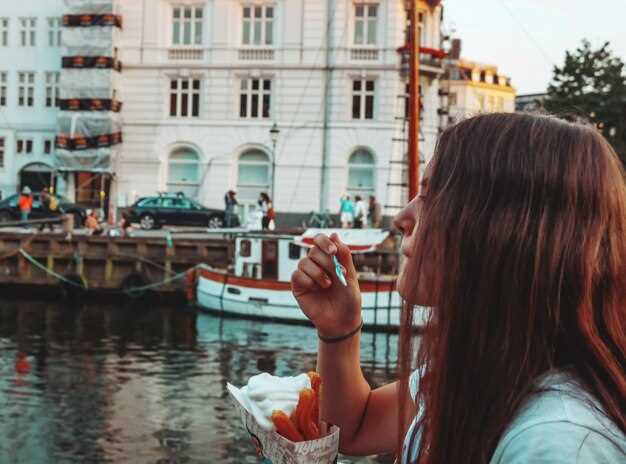
Wypożycz kompaktowy ebike ze sklepu w centrum, blisko Praça da Liberdade i rozpocznij pętlę wzdłuż nabrzeża Douro, a następnie przejdź przez most Dom Luís I do Vila Nova de Gaia, aby podziwiać widoki na linię horyzontu na tle wody i mijających łodzi.
zaplanujmy trasę, która obejmie 40 przystanków położonych wzdłuż rzeki i wzgórz, łącząc zabytki, budynki bogate w azulejos, współczesne punkty orientacyjne i nadmorskie krajobrazy. Zacznijmy na centralnym placu, przesuńmy się obok Stacja São Bento ze swoimi błękitno-białymi płytkami azulejos, a następnie podążaj za krętą linią domów do Ribeira i przekrocz Most Dom Luís I. Zatrzymanie się w pobliżu. Wieża Clérigos i Livraria Lello dla spojrzenia na historię i uroku miłośników książek; trasa nadal prowadzi Cię do przodu. Se Cathedral i Zamek punkt widokowy w widok na stare miasto.
Kontynuuj w kierunku nowoczesnego Porto, zatrzymując się przy Casa da Música, a następnie dryfuj do Park Serralves dla instalacji artystycznych i terenów zielonych. Po stronie Gai, odwiedź Port wine cellars dla degustacji, i zakończ z a Matosinhos nadmorskie miejsce na grillowane sardynki i chrupiący chleb oraz słodkie ciasta z lokalnej piekarni. Te doświadczenia prawdopodobnie pozostaną w pamięci, zbudowane przez food-related gryzy i domowej roboty smaki; kilka miejsc odwiedzanych przez miejscowych publikuje swoje menu online, więc możesz zaplanować z wyprzedzeniem.
Wzdńżznym przebiegu, the przechodzenie views pair with piękny budynki i adorning tiles. Booking is a quick online process, and you can bring a light lock and water. If you prefer, a guided ebike tour can handle the navigating, leaving you free to savor every stop without rush; many operators provide maps and timed routes to optimize your day.
The route blends medieval charm with contemporary energy, though some streets demand careful navigation, and some lanes even evoke a hogwarts vibe, with winding passageways and lamps that bring the old town into a magical mood at dusk. Start early and finish with a sunset along the nadmorski in Foz do Douro, where a last stop for a sweet pastry or a glass of port caps off a day that feels piękny and well timed.
How to rent and pick the right ebike for Porto’s hills and cobblestone streets
Rent a mid-drive pedal-assist ebike from an office near Clérigos, and choose a model with at least 60–70 Nm of torque and a 500–625 Wh battery. Book a pickup slot online to lock in a reliable bike for Porto’s hills and endless cobblestones, keeping your home base in mind.
Pick a bike with a comfortable geometry, a wide saddle, and tires 2.0–2.4 inches to handle cobbles. A mid-drive motor provides better hill performance than a hub motor, and disc brakes ensure safety on steep descents. Look for a compact mini display, straightforward controls, and a ride that makes getting around Porto’s hills easier. This setup makes the ride beautiful and relaxed, especially on hilltop routes.
Head to Rua da Catarina or the nearby degema area to rent, where staff adjust the seat, check tire pressure, and explain interactive maps of Porto’s climbs. If you decided to stay near the Yeatman area or a hotel nearby, it’s possible to combine a ride with a riverfront stroll. Quick access to the metro and riverfront paths makes Gardens and cafés easy to reach. Reserve in advance to guarantee a smooth pickup and avoid delays at the office.
Costs run around 20–40 EUR per day, depending on duration and bike features. On sunny days, hazul-blue tiles along the riverside glow as you ride. At least bring an ID for the rental and a credit card for the deposit. At the least, reserve online to secure your bike, even despite cobblestones, so you don’t miss a perfect slot.
Plan routes that minimize climbs by using the metro network to start from lower elevations, then pedal to hilltop vistas. The Ribeira area is a good starting point for a relaxed loop that includes the Clérigos tower, gardens, and hilltop viewpoints. Aside from busy roads, use bike lanes; the pedal assist helps with street musicians and makers along the riverfront, even if you want to stop for fresh cakes and coffee along the way.
Sample route ideas: from the office near Clérigos, head to Jardim do Palácio de Cristal for expansive views, then descend toward Catarina to grab coffee and fresh cakes, looping back along the river. If you have extra time, ride toward Yeatman for sunset views and return via the Douro promenade, ending your day with a relaxed ride back to your hotel.
Five must-ride routes to cover Ribeira, Douro viewpoints, Foz, and Gaia
Route 1: Ribeira–Dom Luís I–Gaia loop. Start at Cais da Ribeira and board a go-to tram along the river. Aboard the vintage cars, you glide past fine buildings and a railway line that runs beside the quay. Cross the Dom Luís I Bridge into Vila Nova de Gaia for a fresh perspective, then return on the lower deck to see the Ribeira’s tiled façades and lively signs up close. The upper deck view delivers an absolute panorama of the Douro estuary, the city’s red roofs, and the Atlantic breeze. In Gaia, the vibe shifts to port warehouses and seafood aromas, a really rewarding contrast. If tickets bought ahead, you skip queues and enjoy quick photo stops near a carmelite mural that adds character to the square. This loop is porto in a nutshell for anyone seeking an iconic, culture-rich intro to town, and it’s a great part of the day for visitors from around the world.
Route 2: Douro viewpoints circuit. Start at Passeio das Virtudes for a first Douro glimpse, then move to Serra do Pilar in Gaia for a sweeping panorama. From there, step down to Jardim do Morro for a different angle on Porto’s roofs, tiles, and towers, then cross back over the Dom Luís I Bridge to finish at a lookout on the Ribeira side. Each stop showcases a new face of Porto, with a sign posted at every terrace to help you orient. This addition is a mindful pick for photographers and writer alike, and it’s a possible go-to plan, a calm, doable ride that ties porto to the world. Porto fans and anyone seeking a clear, enjoyable route will love it.
Route 3: Foz coast ride. Follow the river along a go-to coastal path that reaches Foz do Douro and ends at Matosinhos Beach. The Atlantic air is fresh, surfers ride the waves, and a light lighthouse marks the entrance to the sea. Stop for fresh seafood at Matosinhos, where grilled sardines and other specialties taste like a celebration of the coast. Return by tram or aboard a bike, savoring the sea breeze and the white houses along Avenida do Brasil. This half-day loop shows Porto’s coastal side and really earns its place on the list.
Route 4: Gaia wine cellars and riverfront. Start at Cais de Gaia and stroll along the row of port houses. Many cellars offer tours and tastings; you can pick a quick express visit or a longer tasting. The architecture here is exquisite, with brick arches, tiled façades, and fine buildings that showcase a long culture of trade. The cellars line the quay, and some spaces host small museums about the wine’s path from the Douro valley to the docks. An addition to your plan, this experience feels rewarding and absolute for anyone who loves wine; tickets bought ahead save time and let you focus on the mood, the vibe, and the views. This is porto at its most flavorful for anyone curious about the craft.
Route 5: Evening loop through Ribeira, Gaia, and Estádio do Dragão. Start in the Ribeira district at twilight, then ride along the river to the Gaia side to catch the glow on the city’s buildings. Head up to the Estádio do Dragão area to see the stadium lights after sunset; the towers glow and reflect on the Douro. Afterward, loop back along the waterfront and finish where you started, soaking in the night vibe from cafés and musicians along the quay. Ride until sunset to catch the warm glow on the water. This absolute round completes a set that covers Ribeira’s vibe, the Douro viewpoints, Foz’s coast, and Gaia’s wine culture, with enough time left to discover a few hidden corners that add to your go-to Porto plan. If you want a longer ride, extend toward Matosinhos or the Jardim do Morro viewpoint to round out a city-wide experience that anyone can enjoy.
Where to sample Porto’s iconic bites along the ride: pastries, seafood, and francesinha
Begin at Carmo, perched on Porto’s hill, where the baroque Igreja do Carmo crowns the skyline; from there, wandering toward the Douro, you set the pace of your bites tour, soaking in the atmosphere as you go.
Pastries first: in the alleys near Carmo and Bolhão, along Carneiro street, you’ll find family bakeries turning out custard tarts, almond pastries, and fruit-filled treats. Ask for a sample and a strong espresso to balance sweetness.
Seafood by the seaside: head to the Foz do Douro promenade for fresh grilled sardines, limpets, and octopus, then pair with vinho verde and a light drink while watching the boats drift by. They work well as a pairing and make a refreshing contrast to the sweeter bites earlier in the ride.
Francesinha moment: order a francesinha at Café Santiago or Brasão Cais da Ribeira. The sandwich stacks meats between two slices of bread, melted cheese, and a spicy beer sauce; enjoy with a cold beer or a crisp white wine for a satisfying finish.
Booking and route tips: booking ahead for weekend visits helps. The northern experiences route starts near the university area and winds along the riverside, with stops in mediaeval halls and contemporary cafés. If you meet a local guide named Luís, they can suggest a couple of enhancements and share other hidden spots to visit.
Captures and illustrations: while wandering, keep quick captures and illustrations of the city as you go. Entering streets reveal mediaeval tilework and contemporary cafés; leave a small note about your preferences to help with the next visit or tour. This passeio concludes with a stroll along the river and memorable views of the city.
Passeio payoff: this partial loop is fewer blocks than a full itinerary, part of a larger plan, but it covers pastries, seafood, and the francesinha, with a final riverfront walk to see peacocks on a tiled wall and the sunset reflections.
Safety tips for urban riding: traffic, tram tracks, pedestrians, and bike lanes
Stick to the right side of the bike lane and keep a steady pace, especially near tram lines and pedestrian crossings. In Porto, tram rails sit between cobblestones and azulejos, and wet rails can be slick, so slow before the rails and cross at a perpendicular angle when possible to avoid getting stuck between tracks.
Watch pedestrians, particularly near Rua da Catarina and in busy plazas around cafés. Yield to walkers, give space to families and seniors, and use a clear bell or spoken cue to signal your approach. The hall adorned with historic azulejos often draws attention, so stay focused and keep your face toward the road ahead as you pass.
Signal early and use the bell when approaching crowds; never assume someone will move. Maintain a safe distance from parked cars to avoid open doors, and ride at a pace that lets you stop quickly if a pedestrian steps onto the curb. If visibility is low, wear reflective gear and keep lights on after dusk; other riders notice you better when you shine from the Yeatman area to the gardens along the river.
Plan routes with care and keep to marked bike lanes whenever possible. If you must ride in mixed traffic, stay equally spaced with vehicles and avoid weaving. On online maps and listed guides, look for sections labeled for cyclists and avoid sections with tight turns or poor pavement. Mond ay guides may highlight cafés and cafés with açaí bowls as a break points, so you can refuel and resume with a hearty appetite.
When you take a break, choose a place where tickets for transit or a nearby café are easy to reach and where the atmosphere feels cultural and calm. Some routes run past gardens and halls found in Porto’s founding districts, where the walls are adorned and the streets feel safe to stroll. Use a piece of the route that seems smoother and stay on the right side of the lane, keeping your head up to face oncoming riders and pedestrians alike.
| Situation | Action | Notatki |
|---|---|---|
| Approaching tram tracks | Cross at a right angle, slow down, keep one wheel on the pavement surface if safe | Trams have priority; rails can be slick, especially when wet |
| Pedestrian-heavy zones (near Catarina, cafés, gardens) | Reduce speed, alert with bell, give ample space | People may pause to look at azulejos or storefronts |
| Door zone and parked cars | Stay 1–1.5 m away from parked cars, scan for doors opening | Doors open suddenly; pass with caution |
| Bike-lane ends or merges with traffic | Signal early, merge smoothly, adjust speed | Follow markings and use online navigation to anticipate |
| Night riding | Front and rear lights on, reflective gear, predictable moves | Visibility improves dramatically for pedestrians and drivers |
One-day, map-ready itinerary: timing, distances, and essential stops
Begin at São Bento Station, 8:00, to see history come alive on the azulejo walls. The first leg to Clerigos Tower covers about 0.6 km and takes roughly 8 minutes on foot, rewarding you with a sweeping city view from the top.
Stamtąd, 0,3 km spacer zaprowadzi Cię do Livraria Lello. Spędź w środku lub przy fasadzie około 10–15 minut; zdobne schody i książkowy klimat to mała prezentacja literackiej strony Porto. Następnie przejdź 0,9 km do Mercado Bolhão, tętniącego życiem miejsca na zakupy i przekąski, gdzie możesz kupić pastel de nata i wypić szybką kawę, zanim pójdziesz dalej.
Kontynuuj kolejne 1,0 km w kierunku nabrzeża Ribeira. Spędź na spacerze wzdłuż wody 15–20 minut, obserwuj łodzie i wypij napój w kawiarni na nabrzeżu. Nieskończony błękit Douro i czerwieniejące elewacje tworzą idealne tło do zdjęć i chwilę wytchnienia.
Przejdź przez most Dom Luís I pieszo, aby pokonać dystans 0,6–0,7 km do Vila Nova de Gaia. Most oferuje dramatyczny widok na ocean z jednej strony i miasto z drugiej - to jeden z głównych punktów programu dnia.
W Gai staraj się wybrać narodową piwnicę portwein w celu odbycia 60–75 minutowej wycieczki. Dobrą opcją jest klasyczna portugalska piwnica, gdzie poznasz historię portwina, skosztujesz trunku i posłuchasz opowieści o tradycji winiarskiej regionu. To ogromne, dobrze zorganizowane doświadczenie, które każdy może docenić, a Ty wyjdziesz z niego z głębszym zrozumieniem kultury portugalskiej.
Wróć do centrum Porto metrem (linia D) z Gai do Trindade, około 12 minut i 2 przystanki. Podróż pomaga zresetować się przed ostatnim etapem dnia i utrzymuje płynne tempo dla planu gotowego do użycia na mapie.
Zakończ relaksującym spacerem wzdłuż nabrzeża lub posiłkiem w tradycyjnej portugalskiej restauracji blisko Avenida. Ten ostatni przystanek pozwala zamówić smaczną potrawę, zastanowić się nad mijającym dniem i zaplanować kolejną trasę zwiedzania po mieście.