


 Polski
  English (UK)
  Русский
  বাংলা
বাংলা  العربية
  日本語
日本語  한국어
한국어  Magyar
  Norsk nynorsk
  Türkçe
  עִבְרִית
  Español
  Čeština
  Svenska
  Português
  Ελληνικά
  Suomi
Suomi  Nederlands
  Română
  Italiano
  Français
  Українська
  Deutsch
  简体中文
简体中文  Slovenčina
  Српски језик
  اردو
اردو  Azərbaycan dili
  O‘zbekcha
  አማርኛ
አማርኛ 
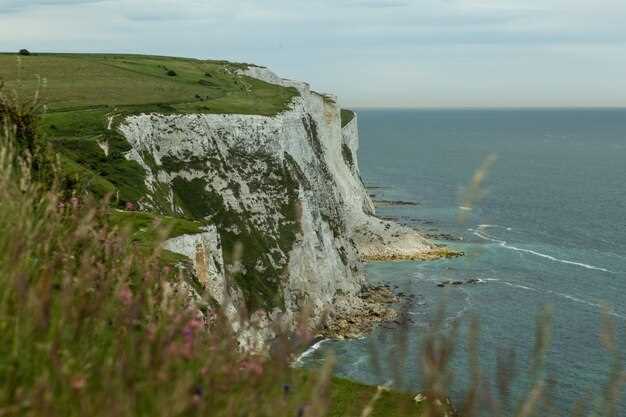
Devon and Cornwall, two beautiful regions of South-West England, are often dubbed the heart of the country’s stunning coastline. This guidebook presents an in-depth exploration of both areas, showcasing not just the must-see attractions but also the hidden gems that often go unnoticed by the casual tourist. From the chilled-out beaches of Sidmouth to the rugged cliffs of Looe, this region offers something for everyone, whether you’re interested in history, nature, or local traditions.
Historically, Devon and Cornwall were inhabited by various peoples, including the Dumnonii and the Cornovii, who thrived long before the arrival of the Normans and the Anglo-Saxons. Their legacy is still visible today in the ancient castles and churches that are scattered throughout the landscape, such as the impressive St. Michael’s Mount. As you explore the history of the area, from overland routes to legal documents from the courts of the 18th century, you’ll find that every corner tells a story.
The economy of Devon and Cornwall has traditionally been rooted in maritime activities, with fishing and tourism playing essential roles. Local museums, such as those dedicated to the extraction of precious minerals, highlight the region’s rich heritage and the weight of its past. Furthermore, the environmental diversity on display – from rocky coastlines to tranquil wells – creates the perfect backdrop for outdoor enthusiasts and tourists alike. Each visit promises to expose you to something new, ensuring a memorable trip to these iconic destinations.
Exploring the Natural Landscapes of Devon & Cornwall
Devon and Cornwall, located in the south-west of England, are renowned for their stunning natural landscapes. This region’s upland areas, such as the rugged moors of Dartmoor and Bodmin, offer striking contrasts to the rocky coastlines that define the peninsula. Visitors can experience significant sights that have been shaped by both natural forces and human history.
The unique topography of this area includes the Tamar Valley, known for its rich mining heritage, particularly during the period when the stannary towns thrived. The rugged cliffs and exposed coastal paths provide ample opportunities for exploration, attracting tourists and connoisseurs of natural beauty alike. Families will find idyllic spots to picnic and enjoy the surroundings, while anyone interested in history can learn about the ancient societies that once inhabited these lands, as mentioned by the ancient historian Diodorus.
After a day spent exploring, there are various cafes and eateries scattered throughout Cornwall and Devon where you can enjoy local delicacies. These establishments often reflect the Victorian influences of the region, providing a comfortable place to relax after a day of travel. You might even find something rare on the menu, making each meal a unique experience.
Redruth, with its mining heritage, is an area that captures the essence of the local culture and history. Known for its significant role during the conflict of the mining boom, it showcases how industry has shaped landscapes. The names of places in this area often echo the past, reminding us of the individuals who once shaped these counties.
As you travel through Devon and Cornwall, you’ll discover that the landscapes are not just beautiful but also hold stories that date back to the reign of ancient parliaments and beyond. The patterns of land use have continued to evolve, impacting the natural and cultural landscape we see today. This area is an invitation to explore, offering anyone the chance to delve into the extraordinary history and unique geological features that define this part of Britain.
| Highlight | Opis |
|---|---|
| Tamar Valley | A historical area famous for its stannary heritage and stunning scenery. |
| Dartmoor National Park | An expansive moorland offering unique hiking experiences and ancient sites. |
| Penwith Peninsula | A region celebrated for its dramatic coastline and artistic communities. |
| Historical Cafes | Restaurants reflecting Victorian architecture and local culinary delights. |
Iconic Coastal Walks You Can’t Miss
Devon and Cornwall offer a range of iconic coastal walks that showcase their unique landscapes and rich history. One such walk is the stretch from Sidmouth to Budleigh Salterton. Here, you can experience the perfect combination of dramatic cliffs and stunning coastal views that have been significant points of interest since the 19th century. The area is characterized by its red sandstone formations, reflecting a rich geological past, including evidence of bronze mining.
Another must-visit is the South West Coast Path, which expands over 600 miles. This path provides access to some of the most breathtaking seaside scenery in the UK. While traversing this route, walkers will encounter quaint fishing towns, remnants of smuggling history, and charming hotels. Each section offers a unique genre of local culture, with names that date back centuries, showcasing the evolution of life along the coast.
The walk from Lizard Point takes you to Kynance Cove. This area is particularly noted for its turquoise waters and unique rock formations. As you walk, keep an eye out for the wildlife that thrives in its diverse habitats. The backdrop of these walks includes the highest cliffs in Cornwall, portraying a dramatic meeting between land and sea.
In the background of many coastal walks, ancient Anglican churches and landmarks like the monumental St. Michael’s Mount, present a captivating glimpse into the region’s historical significance. These sites reflect the intertwining of both natural and built environments, offering insight into a society defined by its maritime heritage.
The iconic coastal walks of Devon and Cornwall are not just about the scenery; they also provide a chance to explore unique experiences, local food, and the cultural fabric that has shaped these regions. Whether you are a seasoned walker or someone looking for a leisurely stroll, these paths are sure to leave a lasting impression.
Hidden Beaches Off the Beaten Path
Devon and Cornwall, known for their stunning landscapes and rich cultural history, contain many hidden beaches that are often overlooked by mainstream travellers. These secluded spots, away from the crowds, offer the perfect escape for anyone looking to enjoy the serenity of nature. Among them are beaches that might be found near small towns like Redruth, nestled close to the upland moors and evolving into charming areas steeped in local identity.
One such beach, dubbed the sanctuary of the Dumnonii, is a place where the Phoenicians once docked their boats. It has remained largely unchanged through the ages, providing visitors with a unique glimpse into the history of the region. These hidden gems are often accessed via narrow paths that wind through the hills, with the rewarding views of the coastline shown at the end of the trek.
Adding to the allure are the stories of the Anglo-Saxons and their connection to the land. Many of these beaches serve as ceremonial grounds, a silent nod to the past where one can reflect on the evolution of the landscape. For those seeking cultural enrichment, visiting local museums can highlight the enduring influence of Catholicism and its patrons in the region, further linking the natural beauty with the historical narrative.
When visiting these distinct locations, it’s essential to respect the fragile ecosystem that survives amid the coastal intrusions. For the eco-conscious traveller, there are FSCs (Forest Stewardship Councils) dedicated to maintaining the natural order, allowing visitors to save these areas for future generations. As you walk along the shores, you might find that the tools of relaxation are all around, from sunbathing spots to rock pooling in the shallows.
Whether you are reading a guidebook or seeking advice from locals, these hidden beaches offer unmatched tranquility and a chance to connect deeply with the culture of the South-West. No doubt, for those who venture beyond the well-trodden paths, the rewards are plentiful in this magical region of Kernow.
National Parks and Their Unique Features
Devon and Cornwall boast some of the most breathtaking national parks in the UK, each offering a unique blend of natural beauty and cultural heritage. The two main parks are Dartmoor and Exmoor, where visitors can experience extraordinary landscapes and a plethora of outdoor activities.
Dartmoor National Park, founded in 1951, is characterized by its rugged moorland, granite tors, and rich history. The park is home to ancient stone monuments and remnants from the Anglo-Saxon period, providing a glimpse into a time when the land was inhabited by early missionaries and settlers. Travellers can explore a selection of walking trails that lead to some of the highest points in southern England, where the panoramic views are simply unmatched.
Exmoor National Park, on the other hand, is renowned for its dramatic coastline, rolling hills, and abundant wildlife. Situated between the North Devon coast and Somerset, it offers numerous spots for fishing, hiking, and wildlife watching. This area has never been fully developed, allowing visitors to enjoy a more timeless environment that feels untouched by modern society.
When it comes to dining, both parks have their hidden gems. Fowey, located on the Cornish coastline, features a selection of cafes and restaurants that serve local seafood, perfect after a day of exploring the surrounding areas. Many establishments pride themselves on using sustainable practices, ensuring the preservation of the beautiful landscape for future generations.
Access to these national parks is handy for anyone wanting to escape the hustle and bustle of city life. Regular transit services from Exeter make it easy to embark on a day of adventure. Whether you’re interested in hiking, discovering the diverse wildlife, or simply soaking in the stunning backgrounds, the parks in Devon and Cornwall offer something for everyone.
In summary, Dartmoor and Exmoor represent the best of Britain’s natural parks, combining breathtaking scenery with rich cultural history. They offer a perfect escape for those looking to reconnect with nature, explore historical landmarks, and enjoy the local cuisine, ensuring a memorable experience in this beautiful part of the country.
Best Scenic Viewpoints and How to Access Them
The coastal regions of Devon and Cornwall boast some of the najlepszy scenic viewpoints in the UK, famed for their breathtaking landscapes and rich maritime history. These areas have a variety of viewpoints that anyone can access to experience the natural beauty and charm of this part of the country.
One noteworthy spot is Góra Edgcumbe, located just across the rzeka from Plymouth. The formal gardens and parkland offer a stunning vantage point for viewing the English Channel. To get there, take a ferry from the city center, which is a delightful adventure in itself, showcasing the large expanse of water that separates Plymouth from Cornwall.
Another must-visit is Wells Cathedral, a remarkable architectural feat recorded throughout history. The surrounding areas provide a viewpoint that emphasizes the grandeur of its gothic structure against the landscape. Visitors can enjoy a picturesque walk to reach the cathedral, making it a perfect day for niezależny explorers.
For those who appreciate a more isolated setting, head to Lanhydrock House. The grounds are populated by ancient trees, and the views of the house itself framed by the gardens create a serene atmosphere. Access is easily achieved via well-marked walking paths from the nearby parking area.
Connoisseurs of natural beauty will want to venture to Redruth, where a slightly hidden viewpoint offers panoramic views of rolling hills and verdant valleys. This spot, which has been largely inhabited by nature rather than development, provides a refreshingly different perspective on the region.
The dramatic cliffs of Rame Head are another fascinating point of interest. The film landscape here depicts a rugged, yet stunningly beautiful section of the coast. The best way to access this viewpoint is via the coastal path that hugs the cliff edges, allowing for a scenic hike with more- than ample spots to stop and take in the view.
Finally, the beaches along the Cornwall coastline offer various vantage points for visitors. These beaches are continually shaped by the revolution of the tides, creating a constantly evolving landscape. It’s particularly valuable to visit during low tide, when the rocky formations become visible and provide a class of their own amid the surrounding vistas.
In conclusion, Devon and Cornwall possess an array of scenic viewpoints accessible to everyone, from the casual tourist looking for a quick stop to the dedicated hiker seeking a full day of adventure. Whether you prefer the grandeur of katedry or the raw beauty of coastal landscapes, each location tells a unique story and invites all to explore.
Top Attractions to Visit in Devon & Cornwall
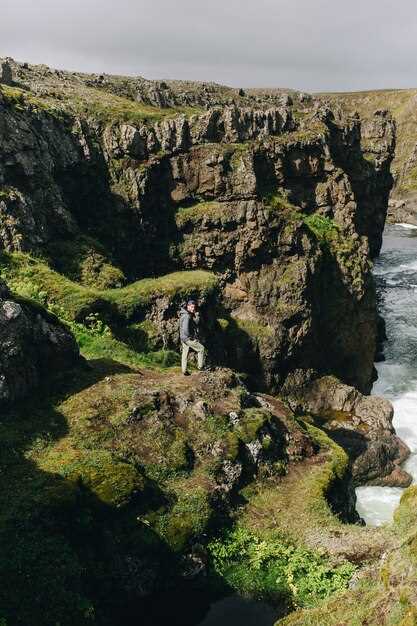
When planning your trip to the picturesque counties of Devon and Cornwall, you’ll discover a wealth of attractions that showcase the region’s stunning landscapes and rich history. The area’s dramatic linia brzegowa is dotted with rocky cliffs and sheltered bays, making it a paradise for travelers who adore natural beauty.
One of the most significant attractions is Bodmin Moor, a vast expanse of rugged terrain that has been recorded in literature and history for centuries. The środek of the moor features ancient stone circles and the infamous Wells of Diodorus, which draw those interested in the religious and historical aspects of the area.
For art lovers, the Tate St Ives is a must-visit. This iconic gallery houses contemporary works that celebrate the region’s unique climate and features. It is where modern art meets the stunning land of Cornwall, making it a distinct attraction for visitors from all over.
The charming town of Looe is another highlight. With its vibrant nightlife, delightful eateries, and picturesque harbor, it is a perfect spot to unwind after a day of exploring. Travelers often enjoy eating fresh seafood while taking in the stunning views of the coastline.
If you’re venturing into the less traveled areas, Lanhydrock is a magnificent Victorian house surrounded by beautiful gardens that transport you to a different time. This remarkable estate showcases the lifestyle of the wealthy in a bygone era, while its significant features provide an interesting glimpse into history.
For those interested in outdoor activities, the South West Coast Path offers a challenging yet rewarding way to experience the breathtaking landscapes. Hiking between regions allows you to meet other travelers while soaking in the stunning vistas of the sea and countryside.
Whether it’s the rich historical fabric, cultural experiences, or the warm and inviting cafes that you seek, Devon and Cornwall have something for everyone. Don’t forget to download travel guides or eBooks that might provide additional tips on hidden gems and lesser-known sites, ensuring a comprehensive understanding of these captivating counties.
Historic Castles and Their Stories
Devon and Cornwall, rich in history and cultural significance, are home to a variety of historic castles that tell the tales of their past. These stone fortifications, many dating back to the Norman conquest and earlier, rise dramatically against the surrounding landscapes, offering not just a glimpse into history but also stunning views over moors and coastlines.
One of the largest and most significant castles in Cornwall is Tintagel Castle, often referred to as the birthplace of King Arthur. Its dramatic cliffs and exposed ruins provide a unique window into the past, attracting tourists and scholars alike. The castle is also a site where artifacts dating back to the time of the Cornovii, the ancient tribe that inhabited the region, have been discovered, further enriching its historical narrative.
In Devon, Exeter Castle stands as a testament to the region’s medieval heritage. With its well-preserved structure and the artifacts housed in the nearby museum, visitors can find a deeper understanding of the area’s history. Notably, this castle served as a ceremonial site where significant events, including royal visits, were held, marking its importance in the cultural tapestry of the region.
While preparing to explore these remarkable sites, it is essential to engage with local bookshops and trusted contributors who offer detailed accounts of the castles and their stories. The historical landscape is not only about the buildings but also about the lives that were sheltered within their walls. Each castle has a unique narrative, from the victories and conquests that took place within to the daily lives of its inhabitants.
Some castles, like Launceston Castle, provide insight into the transition between Saxon and Norman periods, showcasing the architectural style known as Breton-Norman. The remains of these structures open a dialogue about the social dynamics of their time. It is likely that visitors will leave with a deeper appreciation for the challenges faced by those with disabilities in a landscape dominated by towering walls and steep cliffs.
The historic castles of Devon and Cornwall not only capture the imagination but also serve as major institutions of learning and cultural exchange. Those who write about them often highlight the blend of history, architecture, and natural beauty, making them essential stops on any traveler’s itinerary in this captivating part of the UK. By reading their stories, one can truly appreciate the legacy these castles represent in the larger context of British history.