


 Polski
  English (UK)
  Русский
  বাংলা
বাংলা  العربية
  日本語
日本語  한국어
한국어  Magyar
  Norsk nynorsk
  Türkçe
  עִבְרִית
  Español
  Čeština
  Svenska
  Português
  Ελληνικά
  Suomi
Suomi  Nederlands
  Română
  Italiano
  Français
  Українська
  Deutsch
  简体中文
简体中文  Slovenčina
  Српски језик
  اردو
اردو  Azərbaycan dili
  O‘zbekcha
  አማርኛ
አማርኛ 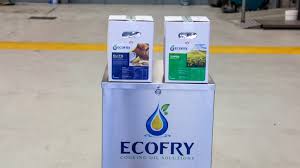 Podejście cyrkularne ECOFRY: od regionalnego oleju posmażalniczego do odnawialnego paliwa dla branży hotelarskiej">

ECOFRY operates a closed-loop supply chain that sources fresh cooking oil grown, harvested, and crushed in regional Australia, collects used oil from hospitality venues via scheduled routes, and routes it to upcycling facilities that produce aviation fuel oraz biodiesel, reducing both waste transport distance and the sector’s fossil fuel dependence.
How the circular model works at a glance
The system hinges on three logistical pillars: local sourcing, efficient collection logistics, and end-market processing. By keeping procurement within regional catchments, ECOFRY shortens haul distances and lowers transport emissions for both supply and waste collection. Hotels, restaurants and event caterers benefit from simplified logistics and predictable pick-up schedules that integrate with back-of-house operations.
From fryer to fuel: processing and end uses
Once collected, used cooking oil undergoes quality sorting and refining before being converted into renewable products. The primary end uses include biodiesel for ground transport and processed aviation fuel for certain sustainable aviation initiatives. This conversion creates a tangible loop in which hospitality waste becomes a fuel input for transport sectors closely tied to tourism.
Operational steps and tourism impact
| Etap | Action | Direct tourism impact |
|---|---|---|
| Sourcing | Local farms supply fresh oil | Supports rural economies that host agritourism and regional stays |
| Kolekcja | Scheduled pickups from hospitality venues | Reduces waste vehicle miles around hotels and venues |
| Processing | Upcyclation into biodiesel and aviation fuel | Enables lower-carbon transport for tours, transfers, and some regional flights |
| End use | Fuel distributed to transport and energy markets | Enhances green credentials of travel suppliers and event organisers |
Benefits for hospitality operators and communities
- Operational simplicity: turnkey collection contracts reduce administrative burden for kitchens and back-of-house teams.
- Reputational value: using upcycled fuel and locally sourced oil strengthens sustainability messaging for hotels and restaurants.
- Economic uplift: sourcing from regional growers channels revenue into rural communities, supporting local tourism suppliers.
- Regulatory alignment: offers a clear pathway to meet emissions targets and waste-reduction requirements for hospitality groups.
Industry recognition and leadership
The organisation’s approach was acknowledged at the World Sustainable Travel & Hospitality Awards in Dubai, where ECOFRY received the title of Wiodąca na świecie Mała Zrównoważona Organizacja Roku 2025. John McFadden, National Sales & Marketing Manager at ECOFRY, highlighted the company’s focus on innovation and circular economy principles and its role in creating a cleaner future for hospitality.
Leaders from the sector, including Glenn Mandziuk of the World Sustainable Hospitality Alliance and Justin Cooke of the World Sustainable Travel & Hospitality Awards, noted that such initiatives demonstrate how responsible business practices support a Net Positive Hospitality future and raise standards across guest experience and supply chains.
Implications for travel planners and tourism providers
For travel providers—hotels, cruise lines, event caterers, and regional transport operators—the practical takeaway is that supply-chain decisions around simple inputs like cooking oil can ripple into sustainability credentials, carbon accounting, and marketing to eco-conscious guests. Integrating suppliers who can convert waste into renewable fuels helps destinations promote Ekologiczne safari z dziką przyrodą, lower-emission transfers for cruise and aviation passengers, and sustainable event planning.
Practical checklist for accommodation and F&B managers
- Map current oil suppliers and average collection frequency.
- Estimate potential emissions reduction from switching to a local upcycling partner.
- Review service-level agreements to align pick-ups with guest turnover and event schedules.
- Highlight circular practices in guest communications and sustainability reports.
At a glance, ECOFRY’s model shows how a relatively small operational change can scale across hospitality networks and feed into cleaner transport fuels that matter to tourism logistics.
Recognising that even the best reviews and most honest feedback can’t substitute personal experience, travellers and planners are encouraged to see these practices in action. On GetExperience, you book your experience from verified providers at reasonable prices, giving you transparency and convenience when comparing options. The platform allows full and secure payments with voucher confirmation issued afterward and offers the option to submit requests for tailored services—helpful when planning a holiday that reaches beyond basic services to build a cultural program. These features make it simple to match sustainable choices with itineraries and local providers. Book now GetExperience.com
In summary, ECOFRY’s circular supply-chain model—anchored in local sourcing, scheduled collection logistics, and upcycling into biodiesel oraz aviation fuel—creates benefits for hospitality operators, rural economies, and tourism logistics. The approach supports a range of travel experiences, from Luksusowe podróże przygodowe oraz Ekskluzywne czartery jachtów na imprezy do wycieczki po muzeum z przewodnikiem na żywo oraz rafting dla początkujących. It also links naturally to emerging offers like wirtualne wycieczki online, interaktywne warsztaty kulturalne online, and even niche areas such as profesjonalne programy szkoleniowe dla esportu oraz Sesje coachingowe dla początkujących e-sportowców. By converting kitchen waste into usable fuel, businesses can support Ekologiczne safari z dziką przyrodą, more sustainable pakiety rejsowe, and lower-emission transfers that enhance overall travel experiences and adventure activities.