


 Polski
  English (UK)
  Русский
  বাংলা
বাংলা  العربية
  日本語
日本語  한국어
한국어  Magyar
  Norsk nynorsk
  Türkçe
  עִבְרִית
  Español
  Čeština
  Svenska
  Português
  Ελληνικά
  Suomi
Suomi  Nederlands
  Română
  Italiano
  Français
  Українська
  Deutsch
  简体中文
简体中文  Slovenčina
  Српски језик
  اردو
اردو  Azərbaycan dili
  O‘zbekcha
  አማርኛ
አማርኛ 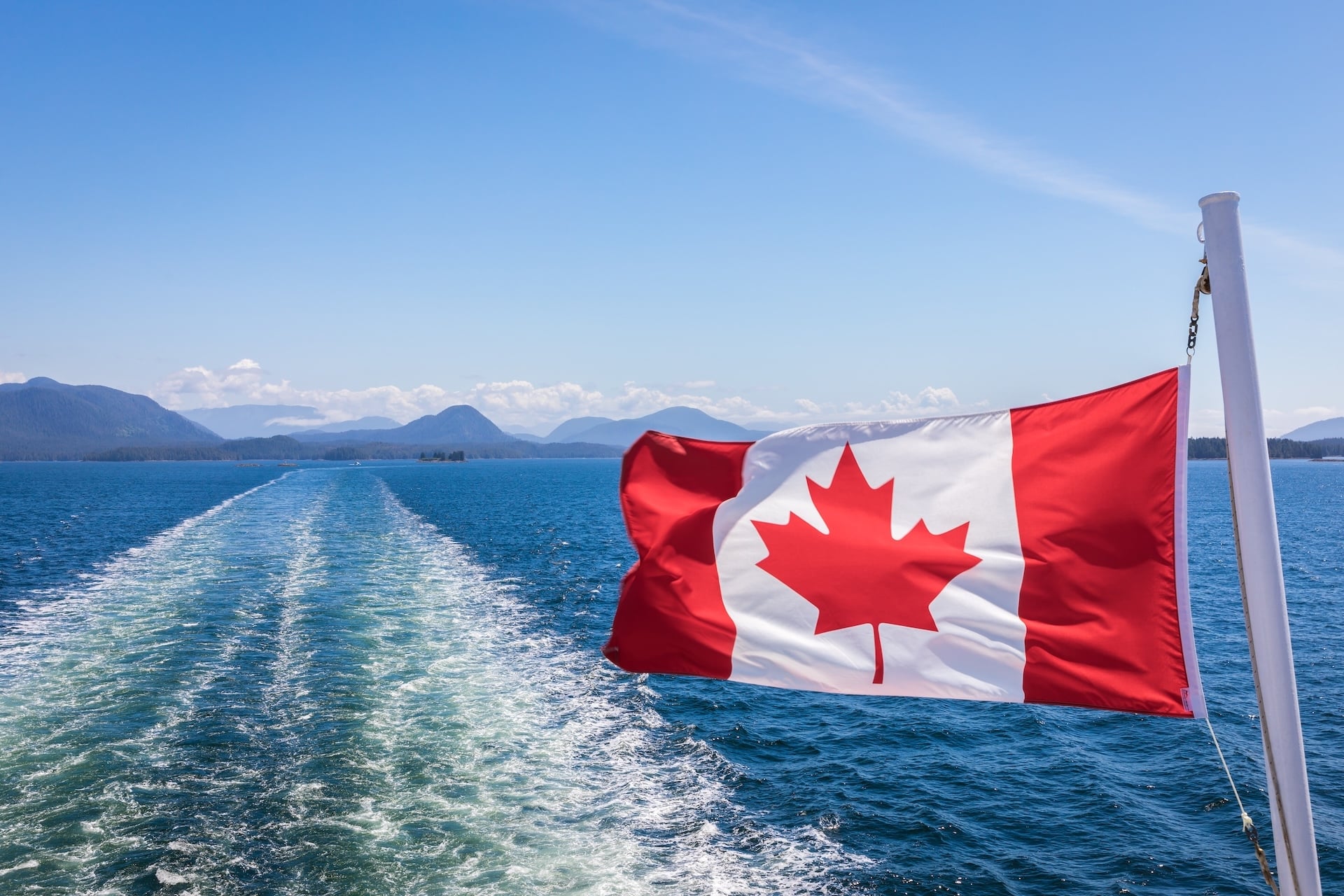 Zrozumienie kanadyjskich zarządów morskich i portowych: role, porty i wytyczne dla żeglarzy">

Canada’s 17 Canada Port Authorities (CPAs) manage commercial operations at major gateways and set fees such as wharfage, berthage and harbour dues, while federal regulators coordinate safety, navigation and environmental oversight across the country’s waterways.
How federal regulators and port authorities coordinate
At the center of the regulatory framework is Transport Canada, which issues marine regulations, oversees vessel standards and enforces boater licensing requirements. Operational control of large ports is delegated to CPAs, which run as autonomous commercial entities, reinvesting revenues into port infrastructure while operating at arm’s length from the federal government.
Key federal bodies and their practical roles
- Transport Canada (TC) — policy, vessel certification, accident investigations and licensing for motorized boat operators.
- Kanadyjski Coast Guard (CCG) — aids to navigation, icebreaking, search and rescue, and spill response.
- Kanadyjski Transportation Agency (CTA) — dispute resolution and accessibility oversight within the national transportation system.
- Kanada Border Services Agency (CBSA) — customs, immigration and security processing at marine ports of entry.
- Pilotaż Authorities — four regional corporations (Pacific, Atlantic, Great Lakes, Laurentian) that regulate pilot certification and provide marine pilotage services to ensure safe manoeuvring of vessels.
Canada Port Authorities (CPAs): structure and functions
The Kanada Marine Act (1998) established CPAs to professionally manage 17 principal ports. Each CPA has a board with federal, municipal and user-appointed directors, yet operates without annual federal operating subsidies. Their mandate combines commercial efficiency with stewardship of marine infrastructure.
Operational responsibilities
CPAs oversee port terminals, property leases, modernization projects and sustainability initiatives. They also coordinate with pilotage services, the Coast Guard and municipal authorities to facilitate safe passage for commercial and recreational traffic. For boaters, compliance with CPA rules helps avoid fines and ensures access to critical berthing and fuel services.
Direct benefits to tourism and local travel
Efficient port management supports cruise packages, yacht charters and local marina services that drive regional tourism. Improved port infrastructure makes it easier to plan jacht parties, shore excursions or combined multi-day itineraries that include safari tours or museum tours with live guides in port cities.
Lokalizacje kanadyjskich zarządów portów
Canada Port Authority Locations at a Glance | |||||
|---|---|---|---|---|---|
| Kolumbia Brytyjska | Ontario | Quebec | Nowy Brunszwik | Nowa Szkocja | Newfoundland & Labrador |
|
|
|
|
|
|
Boater education and compliance
Before setting out, motorized boat operators must meet Transport Canada’s boater-safety requirements. Completing a recognized boater education course reduces accident risk, clarifies local CPA and CCG rules, and speeds interactions at ports and marinas. Providers such as Boat-Ed offer online courses that align with federal standards and make certification straightforward.
Tips for recreational boaters
- Carry proof of certification and vessel documentation when entering commercial harbours.
- Check Notices to Mariners and CPA advisories for temporary restrictions or construction in port approaches.
- Respect pilotage zones: commercial traffic and pilot boats have right-of-way in regulated channels.
Najczęściej zadawane pytania praktyczne
Which provinces are considered the Maritime provinces?
The four Maritime provinces are Nowy Brunswick, Nova Scotia, Książę Edward Island and Newfoundland and Labrador.
Who enforces environmental protection in waterways?
Environment and Climate Change Canada works alongside Transport Canada and the Coast Guard on water quality, spill response and protection of sensitive marine ecosystems.
Highlights: understanding the interplay between CPAs, Transport Canada and regional pilotage authorities clarifies where to seek permits, how port fees are assessed, and how safety is enforced. Yet even the most thorough explanations and the most honest reviews can’t replace firsthand travel experiences. On GetExperience, you book experiences from verified providers at reasonable prices with the convenience of full, secure online payments and voucher confirmation afterward; you can also submit requests for tailored tours or excursions and receive offers that match your preferences. This transparency and convenience help travellers choose affordable, well-matched options for regional sightseeing, cruise packages and adventure activities. Book your Trip GetExperience.com
In summary, Canada’s maritime governance combines federal regulators such as Transport Canada, the Canadian Coast Guard, CTA and CBSA with 17 autonomous Canada Port Authorities and four regional pilotage corporations to balance safety, commerce and environmental stewardship. For travellers and boating enthusiasts, compliance with boater education requirements and CPA rules enhances safety and enables richer travel experiences—from luxury adventure travel experiences and exclusive yacht charters to eco-friendly wildlife safaris and museum tours with live guides. Whether you’re planning adventure rafting trips for beginners, interactive online cultural workshops or cruise packages, understanding the port and regulatory landscape helps you make smarter, safer choices for your travel experiences and adventure activities.