


 Polski
  English (UK)
  Русский
  বাংলা
বাংলা  العربية
  日本語
日本語  한국어
한국어  Magyar
  Norsk nynorsk
  Türkçe
  עִבְרִית
  Español
  Čeština
  Svenska
  Português
  Ελληνικά
  Suomi
Suomi  Nederlands
  Română
  Italiano
  Français
  Українська
  Deutsch
  简体中文
简体中文  Slovenčina
  Српски језик
  اردو
اردو  Azərbaycan dili
  O‘zbekcha
  አማርኛ
አማርኛ 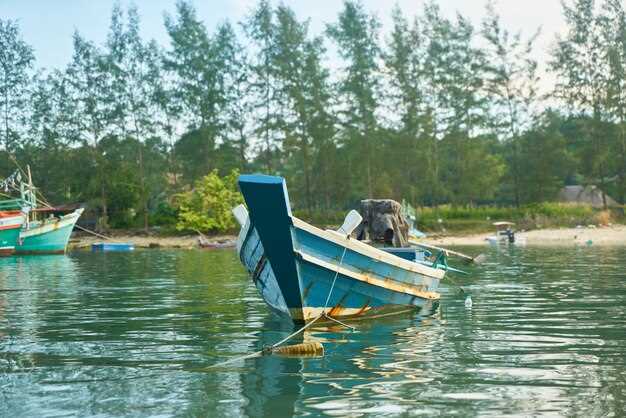 Agadir Rejs Statkiem – Wędle, Pęśstwo iamp;">

Zarezerwuj tę wycieczkę już teraz, aby spędzić intensywny, pełen wrażeń dzień na wodzie pod okiem doświadczonej załogi, która pomoże Ci na każdym kroku. Spotkajmy się w marinie Agadir, wejdźmy na pokład łodzi i cieszmy się wygodnym początkiem z przyjaznymi twarzami, które zajmą się odprawą od momentu wypłynięcia.
Czas trwania: 4 godziny: 09:00–13:00. Maksymalna liczba pasażerów: 12. Cena: 70 EUR za osobę; dzieci: 40 EUR. Oferty dla grup od 4 osób. Zawiera wysokiej jakości sprzęt wędkarski, sprzęt do snorkelingu, kamizelki ratunkowe i wodę butelkowaną. Świeże owoce w pudełku zapewniają zdrowe przekąski na pokładzie. Trasa jest dostosowana do spokojnych warunków przybrzeżnych i przeznaczona dla osób w każdym wieku.
Trasa biegnie wzdłuż wybrzeża Sahary, oferując panoramiczne widoki i sporadyczne obserwacje delfinów. Przystanki obejmują 1-godzinną sesję wędkarską, 20-minutową przerwę na pływanie i czas na podziwianie krajobrazów, podczas gdy załoga dzieli się praktycznymi wskazówkami. Kapitan jest ekspertem z lokalną wiedzą, a załoga dodaje instruktaże dotyczące bezpieczeństwa i przyjazne wsparcie w każdej chwili.
Szczegółowe informacje dotyczące spotkania: zbiórka na promenadzie w pobliżu głównego molo, około 15 minut przed wypłynięciem; prosimy zabrać krem z filtrem, kapelusz, lekką kurtkę i małą torbę. Należy założyć buty antypoślizgowe i zostawić kosztowności w szafce na pokładzie. Wszystko, co potrzebne do aktywności, jest zapewnione; obowiązują ograniczenia w razie wzburzonego morza lub silnego wiatru, w takim przypadku oferujemy zmianę terminu lub zwrot kosztów bez żadnych opłat.
Dlaczego to idealne rozwiązanie?: wygodna opcja dla rodzin i grup poszukujących wartościowego czasu na wybrzeżu, z przewidywalnym harmonogramem i sprzętem w cenie. Szczególnie polecana dla osób łowiących ryby po raz pierwszy i ciekawych podróżników, którzy chcą zrównoważonego połączenia lekkiego sportu, spotkań towarzyskich i relaksującego pływania. Nasz zespół dba o to, aby każdy pasażer czuł się mile widziany i otoczony opieką od pierwszego powitania na spotkaniu do ostatniego pożegnalnego machnięcia ręką.
Gotowy do rezerwacji? Sprawdź kalendarz, wybierz datę i zarezerwuj bezpośrednio. Jeśli potrzebujesz wersji dopasowanej do indywidualnych potrzeb, możemy dostosować czas trwania, dodać prywatny sprzęt lub ustalić niestandardowe miejsce spotkania. To prosty sposób na wzbogacenie dnia nad morzem na wybrzeżu Agadiru.
Jakich rodzajów ryb mogę się spodziewać podczas wycieczki łodzią po Agadirze?
Zarezerwuj termin o świcie, aby zmaksymalizować swoje szanse na wylądowanie. tuńczyk żółtopłetwy oraz dorado, a ocean pozostaje spokojny, a załoga na pokładzie udziela osobistych wskazówek, jak osiągnąć sukces. Ten wczesny start zapewnia radość przy każdym pociągnięciu i nadaje pozytywny nastrój na resztę wyprawy.
Spodziewaj się mieszanki gatunków pelagicznych i przybrzeżnych, w tym tuńczyk żółtopłetwy, dorado (delfin), barrakuda, ładny, makrela, lucjan, granikoraz dorada. W tym regionie możesz również napotkać amberjack oraz okazjonalne większe połowy w zależności od daty. Region ten jest szczególnie produktywny latem. Każdy połów wzbogaca twoje doświadczenia i daje mnóstwo okazji do przetestowania różnych przyponów i technik.
Aby zmaksymalizować wyniki, wybierz datę rezerwacji przy spokojnych warunkach morskich. Transport do przystani z hoteli w centrum Agadiru jest prosty. Sprzęt na pokładzie jest zapewniony, ale zabierz kurtki na start przed świtem. Miej pod ręką swoją butelkę wody i ochronę przeciwsłoneczną; docenisz spokój między braniami, gdy rozpryski wody chłodzą pokład. Przyjazność załogi poprawia atmosferę, a ich wskazówki pomagają znaleźć produktywne miejsca. Ta aktywność oferuje mnóstwo akcji, w tym różnorodność gatunków, z jasno określonymi cenami pakietów i łatwymi krokami rezerwacji. Zebrane tutaj doświadczenia pozostaną z Tobą długo po podróży.
Kontynuuj odkrywanie regionu, łącząc swoją wycieczkę z innymi aktywnościami na brzegu lub spokojnym powrotem pod żaglami, aby zaznać chwili wytchnienia. Dobrze zaplanowana rezerwacja zapewnia elastyczność harmonogramu i zwiększa szanse na udane połowy. Jeśli cenisz sobie osobiste relacje, instruktaż załogi przed wypłynięciem wprowadza odpowiedni nastrój, a klimat oceanu i przyjazna atmosfera na pokładzie sprawiają, że każda chwila jest niezapomniana.
Sezonowe gatunki pełnomorskie: tuńczyk, dorado i barakuda
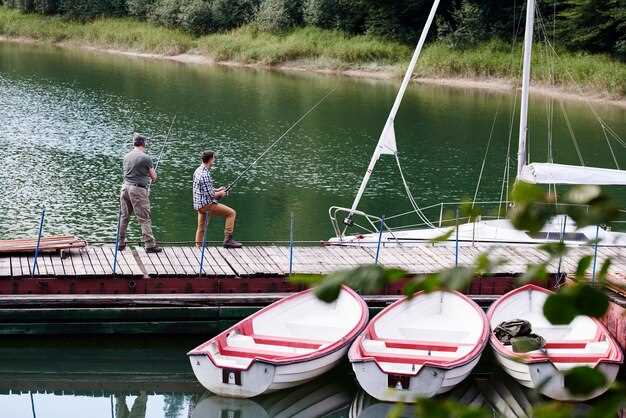
Aby cieszyć się najlepszymi połowami na otwartym morzu w tym sezonie, zarezerwuj 8-godzinną wycieczkę z przewodnikiem w małej grupie, aby trafić w szczytowe momenty żerowania tuńczyka, dorado i barakudy, zwykle w godzinach porannych do późno popołudniowych, przy spokojnym wietrze.
Nasza załoga zapewnia autentyczne, spersonalizowane wskazówki, dzięki czemu początkujący szybko nabierają pewności siebie, a doświadczeni wędkarze doskonalą technikę. Wskazówki koncentrują się na idealnych warunkach pogodowych, liniach prądów i produktywnych miejscach wymienionych w naszym atlasie, z wyposażeniem dopasowanym do każdego gatunku ryb.
dommarbury, kapitan z wiedzą o głębinach morskich, dzieli się sprawdzonymi taktykami i utrzymuje stałe tempo, co większość wędkarzy docenia za bezpieczne i przewidywalne wyprawy na pełne morze.
Transport do mariny jest sprawnie zorganizowany, z opcjami transferu z hoteli w centrum, a dzień może obejmować krótki postój na lądzie, aby zaczerpnąć świeżego powietrza i skorzystać z lekkich aktywności, takich jak sandboarding na pobliskich wydmach, co stanowi pozytywną i smakowitą przerwę.
Jeśli dopiero zaczynasz przygodę z wędkarstwem morskim, potrzebujesz odpowiedniego sprzętu, a my dostosowujemy wyposażenie i instrukcje do Twojego tempa, abyś mógł cieszyć się scenerią i stałym postępem od pierwszego rzutu do ostatniego połowu.
Po prostu miej pozytywne nastawienie, a nasz zespół poprowadzi cię przez każdy etap dnia, od przygotowań po moment wypuszczenia ryby i delektowania się scenerią.
| Gatunek | Idealne Okno | Gdzie znaleźć | Techniki |
|---|---|---|---|
| Tuńczyk | Lato przechodzące we wczesną jesień (czerwiec–wrzesień) | Strefy głębinowe, 96–241 km od brzegu | Trolling z rozstawionymi linkami, szybko poruszające się przynęty, żywa przynęta, kiedy dostępna. |
| Dorado (Mahi-Mahi) | Wiosna do późnego lata (marzec–sierpień) | Ciepłe obszary powierzchniowe, granice prądów w pobliżu podwodnych gór | Łowienie z rzutu lub trolling z użyciem jaskrawych tworzyw sztucznych lub żywej przynęty; używaj lekkiego sprzętu i świeżej żyłki. |
| Barracuda | Od wiosny do jesieni (kwiecień–październik) | Środkowa warstwa wody, w pobliżu szczątków, krawędzie raf | Przypony z grubego drutu, zestawy do szybkiego zacięcia, agresywne zacięcia. |
Połowy przybrzeżne: dorada, snapper i makrela
Zarezerwuj półdniową wycieczkę z miejskiej mariny z zaufanym organizatorem, a połączysz intensywne wędkowanie z czasem na orzeźwiającą kąpiel.
Nearshore catches lean toward sea bream, snapper, and mackerel. Sea bream typically run 0.3–0.6 kg, snapper 0.4–1.2 kg, and mackerel 0.25–0.8 kg, with multiple keeps per outing when conditions are calm. Where tides stay stable, bites come quickly and you can re-rig fast for the next line, giving plenty of chances to add to your tally. Clear bite signals help you time your next cast, and the light tackle keeps it manageable for beginners and satisfying for families.
Dates run daily, with morning 09:00 or afternoon 13:00 departures. A half-day on the water covers about 2.5–3 hours, part of a busy day, leaving time for a quick dip or a stroll along the quay before returning to the marina.
Pricing updates are posted and seats are available on most departures. Packages are priced per boat or per guest, with add-ons like gear rental and fish cleaning available. If you need to cancel, you can do so up to 24 hours before the date for a refund; otherwise refunds follow the provider’s policy and are processed within 5–7 business days.
Onboard comforts include shade, clean seating, and a soothing breeze. After the bite, soak in the sunshine and enjoy delicious bites or desserts to round out the day.
Whether you seek a calm, family-friendly outing or a thrill-filled session, this option fits. Adding flexibility to your visit, you can request gear setup, target preferences, and a pace that matches weather windows. This arrangement adds convenience for travelers.
From the city, a quick ride to the marina makes it easy to fit a visit into a busy day. This experience delivers a steady bite rate, a chance to stock up on fresh fillets, and a memorable coastal cruise.
Size, weight, and bag considerations for popular targets
One requirement for smooth handling on deck is a compact, weatherproof bag size 25–35L; keep total gear weight around 9–10 kg. From taroudant to Agadir, you can join cruises that blend adventure with a unique scenic coastline and maritime culture, including a friendly meeting with the crew. A seamless flow from preparation to landing helps everyone enjoy the day more, especially on dates with calm seas.
-
Small reef targets (0.5–3 kg)
- Size and weight: 0.5–3 kg typical; use 15–25 lb test line; leader 20–30 lb; rod 1.8–2.2 m; reel loaded with 150–250 m of line.
- Bag considerations: keep 1 keeper per fish; measure on deck; release undersized fish; total carry 3–5 kg if you keep 1–2 fish; use a cooler bag with ice to preserve fillets.
- Gear tips: including light jigs 10–25 g or small plastics; optional extra spares in a waterproof pouch; forward planning helps deck flow; taste and aroma of your catch add to the experience.
-
Medium pelagic targets (4–8 kg)
- Size and weight: 4–8 kg common; line 30–50 lb; leader 50–80 lb; rod 2.4–3.0 m; lures 60–120 g; trolling setups or fast jigging.
- Bag considerations: aim for 1 keeper or two smaller fish per person on date-specific limits; larger specimens released; measure first; total bag around 5–12 kg depending on date.
- Gear tips: bring a mid-weight harness; spare 30–50 lb spool; optional gaffing tools; beverages and snacks help during the fight.
-
Large pelagic targets (8–25+ kg)
- Size and weight: 8–25+ kg; line 60–80 lb; leader 100–130 lb; rod 2.7–3.4 m; heavy jigging or trolling gear; sturdy reel with smooth drag.
- Bag considerations: limit to 1 keeper per person when allowed; release others; use a tape measure to verify size; total bag weight often 8–15 kg depending on catch and date.
- Gear tips: heavy tackle box, cutters, and a sturdy landing net; optional stout belt and seat; forward planning improves safety and speed on deck.
The offering focuses on flexibility for various groups, with friendliness from the crew, and a feedback loop to update the maritime offering. On board, you will find a restroom and beverages to enjoy along the scenic coastline. For those seeking an adventure that matches your taste, plan your date carefully and share feedback after the trip; various options and optional side stops suit your group’s needs, with forward planning for dates and seamless execution. This region connects inland markets with coastal experiences, enhancing your overall trip.
Gear, tackle and lure tips for different species
Recommendation: start with a 50–80 lb braided main line paired with a 60–100 lb fluorocarbon leader and a 7’6″–8′ rod for most nearshore pelagic targets around Agadir, Morocco, to ensure solid hookups and worry-free days on the ocean there.
-
Pelagics (tuna, dorado, wahoo): Use a heavy setup that handles long runs and strong pulls. most setups rely on a 50–80 lb braid and a 60–100 lb leader; reels should offer smooth drag and quick line pickup. Lures include 6–8 inch skirted baits, metal jigs in the 180–350 g range, and surface poppers 100–180 mm. Colors in daylight: chrome, blue/black, and neon; at dawn or dusk try bright patterns. Trolling speed stays around 6–8 knots; when birds circle, switch to casting and work the surface to trigger strikes. These tactics work well for catching offshore and inshore schools off the city coast, and they translate to positive memories on Morocco cruises and guided trips.
- Leader length: keep 5–15 ft of fluorocarbon to reduce bite-off risk from big tuna and dorado.
- Terminal tackle: use circle hooks 5/0–7/0 for easier hook-ups and higher landing rates.
- Maintenance: rinse gear after every day to protect against salt and sun; inspect guides for salt buildup and smooth drag rings for frictionless work.
-
Bottom species (grouper, snapper, yellowtail, sea bass): Target reefs and wrecks with a stout bottom rig. For these there is value in a 40–60 lb main with 60–80 lb leader, a 7’6″–8′ rod, and a reel with solid line capacity. Use jigs in the 80–200 g range, vertical metal spoons, and soft plastics in natural hues to match the local forage. A dropper or sliding sinker rig improves bites when current is strong, and you can switch to a small live-bait setup if permitted by the charter. You’ll find best results during moving tides and in the calmer parts of the day in the Agadir area, making it a favorite choice for many participants on guided charters.
- Jigging: 80–150 g vertical jigs with steady pulls; pause every few seconds to entice bottom feeders.
- Color choice: earth tones and silver reflections mimic local forage; keep a few glow/green options for dirty water.
- Leaders: use 60–80 lb fluorocarbon with 40–60 lb main line to balance strength and sensitivity.
-
Medium snappers and nearshore species (mackerel, bonito, small trevally): Use lighter tackle that allows quick bites and fast retrieves. A 20–40 lb main line with 20–40 lb leader supports lively fights and short runs. Lures include metal spoons in 15–40 g range, small soft plastics, and in-line spinners. Match the lure size to the fish; most bites come when the bait is between 2–4 inches in length. Color options: silver, blue, and reflective gold. Work with steady retrieves and occasional twitches to provoke strikes, especially in the busy fishing days around Agadir’s bays.
- Spinners: choose 2–4 g spoons for micro-chases; use a fast turnover to keep lures in the strike zone.
- Soft plastics: 2–3 inch paddletail or curl-tail grubs in blue/white or chartreuse.
- Line management: keep the line tight to avoid tangles when multiple boats are casting in close quarters with meeting guides or in busy harbors.
-
Inshore saithe-like and coastal species (red mullet, seabream, bream): For these species, lighter gear shines. A 12–25 lb braid with a 12–25 lb fluorocarbon leader, a 6’6″ rod, and a small spinning reel handle easy, precise casts from the shore or a shallow reef. Use micro jigs (10–20 g) and small soft plastics (1–2 inch) to imitate baitfish or crustacean scraps. Chunk baits or meal-based attractants can improve bite rates when the water is clear; use natural tones to blend with the seabed. These equipment choices let you fish from the city shoreline or a calm boat ride, producing steady catches and lasting memories for participants during a Morocco cruise or a guided shore excursion.
- Snook-like targeting: bounce a 10–15 g jig along sandy patches close to structure to draw shy fish from hide.
- Live baits: if permitted, small shrimp or minnows increase contact rates in clear water.
- Hook choice: circle hooks size 6–1/0 work well for seabream and red mullet to reduce gut hooks.
-
Lure selection and presentation notes: For all species, bring a basic kit of spoons, soft plastics, and topwater options. Include at least three color patterns (chrome/blue, dark blue/black, and glow) to adapt to water clarity and light conditions. Practice a few retrieves before your trip to avoid overthinking; a simple steady reel pace or a controlled twitch-twitch-pause can produce the most bites, and adjustments often come within a single day of fishing there. Throughout your days on agadir cruises, these tactics deliver consistent catches and help you build positive stories with every bite. Remember to hide from glare when the sun is high by angling the line toward shadows or deeper water to keep your lure visible and your line less visible to wary fish.
Availability and gear loans: many charters in Agadir city offer worry-free gear rental and guided instruction, making it easy to start catching on the first day. Reviews highlight how these kits perform in diverse conditions, and you’ll often see participants returning for additional days because the equipment, the tips, and the gentle coaching create memorable, low-stress experiences. Also, if you’re joining a group, bring a compact kit for luggage balance and a break between long sessions to keep energy high for meal breaks and socializing with the crew. There are plenty of moments to share stories and plan the next day of memories on Morocco’s blue ocean.
Best practices for landing, handling and releasing fish on board
Always land the fish with a soft landing net and keep it in the water or on a damp deck mat during the initial moments on board; for a 5-hour trip, this approach reduces stress for mackerel and other species and helps them swim away healthily in the beautiful environment around you.
Handle with care: wet hands or gloves, support the fish along its belly, and avoid squeezing or lifting by the jaw or gills; use a dehooking tool and optional barbless hooks; if the hook is deeply seated, cut the line and let the fish recover in water.
Even a mouthwatering mackerel deserves a careful release; keep the fish in the current, move it gently to the surface, and allow revival time; avoid exposing the fish to air longer than necessary; once it shows strength, give it space to swim away.
Onboard program notes: quality equipment and a variety of tackle options enable specific, tailored guidance from our expert crew; here on the 5-hour itinerary, personalized tips, especially for first guests, improve safety and total experience. This offer also includes optional restroom access and clear, non-refundable booking terms, while reasons customers return include what they value in care for their catch and the fish’s welfare; this approach adds value and is reflected in ratings for their time on board.