


 Polski
  English (UK)
  Русский
  বাংলা
বাংলা  العربية
  日本語
日本語  한국어
한국어  Magyar
  Norsk nynorsk
  Türkçe
  עִבְרִית
  Español
  Čeština
  Svenska
  Português
  Ελληνικά
  Suomi
Suomi  Nederlands
  Română
  Italiano
  Français
  Українська
  Deutsch
  简体中文
简体中文  Slovenčina
  Српски језик
  اردو
اردو  Azərbaycan dili
  O‘zbekcha
  አማርኛ
አማርኛ 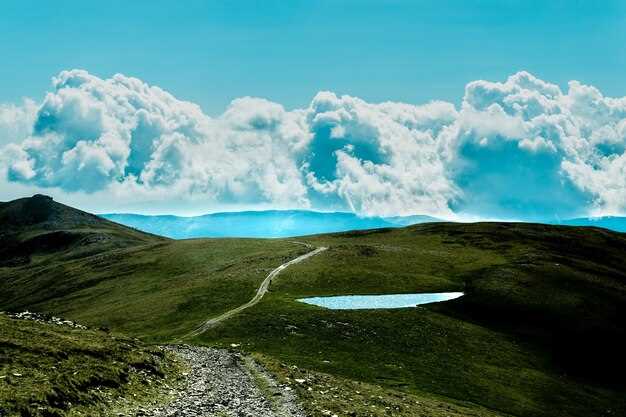 8-dniowa wycieczka po Irlandii – Idealna malownicza trasa &">
Rekomendacja: Wynajem kompaktowego SUV-a z Hertz na 8-dniowy wypożyczę i odbiorę go w Dublinie. Taki układ sprawdza się na krętych, wiejskich drogach, pomieści odzież przeciwdeszczową i pamiątki, a także umożliwia praktyczne objazdy do nietypowych miejsc. Dostępność jest duża, jeśli zarezerwujesz z wyprzedzeniem, w tym dostępne okienko odprawy w preferowanym przez Ciebie czasie.
Rozpocznij łukiem skierowanym na zachód, który podkreśla Iveragh Półwysep, gdzie kręta droga wzdłuż wybrzeża łączy widoki klifów, skalne iglice i pola usiane owcami. W planie krótki przystanek w Staigue Fort dla dawki historii, wypatrywanie ruin fortu pierścieniowego wzdłuż wybrzeża, a następnie baza wypadowa w Killarney, aby codzienne przejażdżki zajmowały około 2-3 godzin i zapewniały mnóstwo okazji do robienia zdjęć.
Stamtąd skręć na północny zachód w stronę connemara dla surowego, smaganego wiatrem podejścia do wybrzeża. W connemara można wspiąć się na wzgórza w pobliżu Clifden i przejechać Sky Road, by podziwiać turkusowe panoramy morskie. Zatrzymaj się w Clifden lub Oughterard, aby utrzymać codzienne etapy w granicach 120-180 km.
Następnie przejedź Półwysep Dingle i zakończ łukiem Klifów Moheru. Trasa Dingle oferuje zatoki, foki i tętniące życiem scenę pubową z barami serwującymi świeże owoce morza. Poszukaj ruin fortu pierścieniowego nad morzem i wypatruj pasących się owiec na wzgórzach.
Praktyczne planowanie ma znaczenie: postoje na tankowanie co 150-180 km, rezerwacja hoteli i pensjonatów z wyprzedzeniem oraz wczesne starty, aby uniknąć tłumów w popularnych miejscach. Zatrzymywaliśmy się w różnych rodzinnych gospodach i małych hotelach, które zapewniały solidne śniadania i gościnnych mieszkańców, którzy dzielili się wskazówkami dotyczącymi parkowania i tras.
Gdzie dopiąć plan i sprawdzić ceny? Zajrzyj na stronę Hertza i do lokalnych wypożyczalni, aby znaleźć dostępne okna czasowe i dodatki. Dla dalszych korekt, niezależnie od tego, czy trzymasz się zwartego rytmu, czy włączasz spontaniczne objazdy wybrzeżem, trasa zapewnia wspaniałe krajobrazy, niezapomniane spotkania i spokojne tempo wśród atlantyckich wiatrów.
Przewodnik po Irlandii – wycieczka samochodowa
Wynajem kompaktowego samochodu z GPS i praktycznym bagażnikiem sprawia, że długie przejazdy są komfortowe, szczególnie na wąskich irlandzkich drogach. Wybierz model o niskim zużyciu paliwa i przestrzeni na buty trekkingowe oraz plecaki dzienne. Dzisiejszy plan: start w Dublinie, a następnie pętla w kierunku przeciwnym do ruchu wskazówek zegara, aby odwiedzić nadmorskie miasteczka, wioski w głębi lądu i interesujące miejsca po drodze.
Kilometry dziennie powinny oscylować w granicach 150–210, aby utrzymać energię na spacery wśród drzew i wzdłuż wybrzeża, a także zostawić czas na pobliskie wioski. Dlatego zaplanuj 2–3 krótkie postoje każdego dnia, aby się rozprostować i pozwiedzać, a nie tylko jechać. Każdy dzień powinien obejmować przynajmniej jedno miejsce, które wydaje się inne, jak rynek w miasteczku lub ścieżka klifowa z widokiem na wodę.
Nadbrzeżne dni jaśnieją na zachodzie i północy, gdzie droga przytula się do wody, a powietrze niesie rybny zapach z miasteczek rybackich. W Ring of Kerry i Doolin znajdziesz miejsca, w których warto założyć wygodne buty i zwolnić tempo. Opcjonalne przedłużenie: jeśli masz dodatkowe dni, skieruj się na północ od Galway w kierunku Sligo na dwudniowe rozszerzenie, które oferuje odległe widoki i unikalne miejsca dziedzictwa.
Poniżej znajduje się zwarta siedmioetapowa trasa z odległościami w kilometrach i najważniejszymi punktami. Umożliwia ona korzystanie z pobliskich opcji, wspiera zwiedzanie parków narodowych i łączy długie przejazdy z krótkimi spacerami po miastach o silnym dziedzictwie.
| Noga | Od | Do | Odległość (km) | Najważniejsze wydarzenia |
|---|---|---|---|---|
| 1 | Dublin | Kilkenny | 155 | Widoki na wybrzeże Wicklow, plac w Kilkenny, średniowieczne ulice |
| 2 | Kilkenny | Waterford | 110 | Trójkąt Wikingów, nadbrzeżne spacery, pobliskie wzgórza |
| 3 | Waterford | Kork | 120 | Wycieczka wzdłuż wybrzeża Youghal, English Market, spacery po porcie |
| 4 | Kork | Killarney | 110 | Zamek Blarney, Muckross House, początek dostępu do parku narodowego |
| 5 | Killarney | Doolin (Klify Moheru) | 250 | Objazdy po Ring of Kerry, krajobrazy Burren, widoki z Cliffs |
| 6 | Doolin | Galway | 85 | Miasteczka rybackie, Zatoka Galway, lokalna muzyka, rybne targi |
| 7 | Galway | Dublin | 210 | Migawki Connemary po drodze, długie odcinki wybrzeża |
8-dniowa wycieczka po Irlandii: Najlepsza malownicza trasa i Cobh Heritage Centre
Zarezerwuj na dzień 2 wizytę w Cobh Heritage Centre na pół dnia, aby zobaczyć torkwes i wystawy związane z emigracją, a następnie przespaceruj się wzdłuż portu, podziwiając romantyczne widoki przypływających i odpływających statków.
Na trasie pokonasz kilometry wybrzeża i zielonych pól, gdzie owce upiększają pobocza. Przełęcz Dunloe oferuje satysfakcjonującą wspinaczkę, z miejscami parkingowymi zwykle łatwo dostępnymi na zatoczkach, dzięki czemu możesz przyjechać i odjechać bez pośpiechu, podziwiając dramatyczne krajobrazy doliny.
Aby zapewnić sobie komfortowy pobyt, wybieraj każdego dnia kompaktowy, tradycyjny hotel. Zabytkowe miasteczka, przez które przejeżdżasz, wydają się mroczne i zachęcające, z światłami portu i poczuciem historii. Kate dołączy do grupy 3 dnia; pobyt jest zarezerwowany w Actons, dzięki czemu możesz się bez problemu zameldować i rozpocząć spokojny, relaksujący wieczór po długiej podróży.
- Cobh Heritage Centre – założone, aby uczcić morską przeszłość Cork, to miejsce zatrzymania umiejscawia cię blisko portu, gdzie rozwijają się historie emigracyjne, z torcem na wystawie i żywym opisem statków, które odpłynęły dawno temu.
- Przełęcz Dunloe i Park Narodowy Killarney – oszałamiająca przejażdżka pośród zalesionych brzegów i granitowych wzniesień; zaparkuj w pobliżu miasta, a następnie wejdź na punkty widokowe, aby podziwiać niesamowite panoramiczne widoki i przespacerować się brzegiem jeziora.
- Odcinek Kinsale i Ring of Kerry – przeplataj się przez zwarte wioski, zatrzymaj się na tradycyjne owoce morza i gulasz wołowy, i rozkoszuj się romantycznym zachodem słońca nad poszarpaną linią brzegową.
- Półwysep Dingle – obowiązkowy punkt programu, by podziwiać dramatyczne klify, kolorowe porty i miejscowych wybierających świeży połów; parkowanie jest zazwyczaj proste w pobliżu molo, co ułatwia zwiedzanie na piechotę.
- Przystanki w Adare i Cork – zatrzymaj się na lunch w pubie, spróbuj wołowiny i stoutu, a potem spaceruj krętymi uliczkami tradycyjnych domków i podziwiaj rzeźbione wapienne fasady, które sprawiają niesamowicie przyjazne wrażenie.
- Ostatni wieczór i powrót do Dublina – komfortowy hotel w pobliżu głównej autostrady idealnie wieńczy 8-dniowy plan, zapewniając łatwą poranną podróż i ostatni spacer po zabytkowym miasteczku przed wyjazdem.
Planując podróż, pamiętaj o tych wskazówkach: przybywaj wcześniej do popularnych punktów widokowych, aby uniknąć tłumów, szukaj miejsc parkingowych w pobliżu centrów miast, aby skrócić spacery, i rezerwuj atrakcje z dużym wyprzedzeniem, aby zapewnić sobie najlepsze ceny i rodzaje pokoi. Ta trasa łączy naturę, kulturę i dziedzictwo morskie w jedno kompletne doświadczenie, które zapamiętasz na długo po powrocie do domu.
Plan Dnia Po Dniu: Dystanse, Czas Przejazdu i Główne Przystanki
Rekomendacja: Rozpocznij dzień 1 od 170-kilometrowej przejażdżki z Dublina do Kilkenny, zatrzymując się w Glendalough, aby podziwiać zapierający dech w piersiach poranek, a następnie cieszyć się zamkiem w Kilkenny, pobliskimi ruinami klasztoru i miłym popołudniem w mieście.
Dzień 1 – Dublin do Kilkenny Dystans: około 170 km; czas jazdy: około 2 h 40 m. Wyjedź z Dublina na południe i wjedź w góry Wicklow, by podziwiać widoki, które wydają się wręcz filmowe. Zatrzymaj się w Glendalough na spokojny spacer, a następnie zjedź w kierunku Kilkenny. W Kilkenny znajdziesz średniowieczne uliczki, znakomite połączenie pubów i restauracji oraz atmosferę staroświeckiego rzemiosła. Jeśli masz czas, przespaceruj się wzdłuż rzeki obok zamku i powędruj po Dzielnicy Katedralnej, zanim rozgościsz się na noc.
Dzień 2 – Kilkenny do Waterford Dystans: około 110 km; Czas jazdy: mniej więcej 1 godz. 50 min. Nadmorska trasa biegnie w kierunku skąpanego w słońcu południowego wschodu, a miasteczka po drodze oferują przyjemne przystanki w kawiarniach i lokalne produkty. W Waterford warto zwiedzić fabrykę kryształów, pospacerować po nabrzeżu i spróbować owoców morza w restauracji nad wodą. Krótka, opcjonalna przeprawa promowa z Passage East do Ballyhack doda popołudniu powiewu świeżości i zapierającej dech w piersiach perspektywy, a nadal będziesz mieć czas na zwiedzanie średniowiecznych uliczek i targowisk Waterford przez cały dzień.
Dzień 3 – Waterford do Cork Odległość: około 125 km; Czas jazdy: około 2 godz. 10 min. Wyjedź z Waterford w kierunku Youghal i Cobh, skąd kiedyś statki zabierały emigrantów, a atmosfera portu pozostaje żywa. W Cork English Market oferuje wspaniały wybór jedzenia i kawiarni; wybierz restaurację nad rzeką na lunch, a następnie przejedź w kierunku podmiejskich wzgórz lub pobliskiego nadmorskiego miasteczka na popołudniowy spacer. Jeśli wolisz, możesz zrobić pętlę do zamku Blarney lub Fota Island, aby podziwiać ogrody, przed powrotem do Cork na noc.
Day 4 – Cork to Killarney (Ring of Kerry base) Distance: about 95–120 km; Driving time: 2 h 0 m–2 h 20 m. Today’s scenery shifts from rolling farmland to forested hills as you move toward Killarney. Stop at Muckross House and Torc Waterfall to stretch your legs and take photos; the Ladies View outlook gives a breathtaking panorama over the lakes. In Killarney, choose a nice riverside restaurant for dinner and walk along the grounds of the national park to get a sense of place beyond the town.
Day 5 – Ring of Kerry loop Distance: about 180 km; Driving time: 4 h 40 m. This classic coastal loop includes Kenmare, Sneem, and Cahersiveen. The routes weave along cliffs and green fields throughout the day, with plenty of photo stops. Try fresh seafood in one of the small restaurants along the coast; a late-afternoon stop at Moll’s Gap or Staigue Fort offers vantage points that feel almost outside time. By evening you’ll be back toward the core of the Ring, where you can settle into a cozy hotel and reflect on the day.
Day 6 – Ring of Kerry to Dingle Peninsula Distance: about 100–130 km; Driving time: 2 h 30 m–3 h 0 m. Head toward the Dingle peninsula, with Cahersiveen and Valentia Island offering dramatic sea vistas. The Slea Head Drive around the tip provides some of the finest coastal views, and you’ll want to step onto the cliffs at viewpoints and stroll through Dingle town in the afternoon. For a lighter option, return to the peninsula’s beaches and parklands, then end the day with a seafood supper at a nice restaurant in Dingle.
Day 7 – Dingle to Cliffs of Moher and the Burren; option to visit Galway Distance: about 270–300 km; Driving time: 4 h 45 m–5 h 15 m. Morning drive along the coast toward the Cliffs of Moher for a truly breathtaking cliff-edge walk. The Burren’s lunar landscape follows, with nearby villages offering local produce and small shops. If you’re up for a longer day, continue to Galway and wander the Latin Quarter, where writers’ corners and street music create a lively sense around the shopfronts and eateries. A short ferry from Doolin to Inisheer (Aran Islands) is possible in season; the ferry ticket is modest and adds a memorable inland sea crossing to your route.
Day 8 – Galway to Dublin via Connemara Distance: about 210–230 km; Driving time: 3 h 20 m–3 h 50 m. Leave Galway along the Connemara coast and skirt rugged lakes and peat bogs, with Kylemore Abbey as a highlight. Throughout the day you’ll find fine viewpoints and established walking routes to stretch your legs–feet on solid ground, you’ll feel the pace slow as you drink in the landscape. Return toward Dublin in the late afternoon or early evening, giving yourself time to stroll around the city center and reflect on the miles covered along the coast and beyond.
Must-See Scenic Drives: Ring of Kerry, Cliffs of Moher, Dingle Peninsula
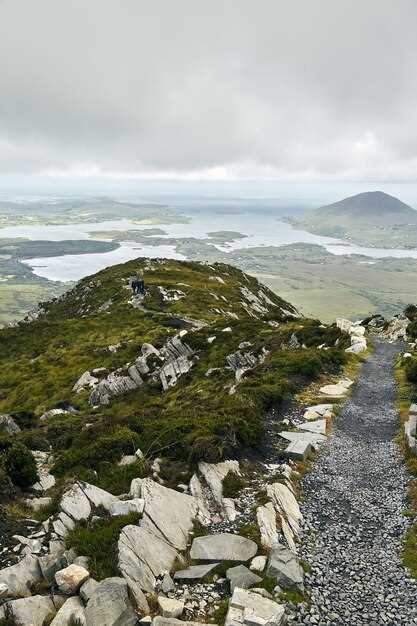
Start your Ring of Kerry day in Killarney for a comfortable loop that starts the adventure with rolling hills. The complete circuit runs about 179 km and takes roughly 6–8 hours with stops. Parking is easy at Muckross Gardens, Ross Castle, and in towns like Kenmare and Cahersiveen, so you can pause without rushing. The route sits between lakes and the sea, with viewpoints that let you view above the hills and coast. May through September are the best months for clear skies, but a well-planned day works in other seasons as well. Between Dublin and the southwest coast, this drive is a reputable way to discover irelands countryside; if you want a cultural detour, a quick stop at Kells can add a historic note before you head back to the ring.
Cliffs of Moher deliver a fabulous, towering display where the land drops steeply to the Atlantic. The cliffs rise about 214 meters and stretch for roughly 8 kilometers of dramatic sea views; O’Brien’s Tower marks a classic vantage point. The Cliffs of Moher Visitor Experience provides parking and well-marked overlooks; spend 2–3 hours to walk the top path and capture sweeping views of the Burren coastline. The best months for a comfortable visit are May through September, with plenty of parking and shorter lines; you’ll sense a harbour-area energy in nearby Doolin as you plan the next leg of your coast road.
Dingle Peninsula offers another contrasting landscape with Slea Head Drive and Conor Pass. Start in Dingle town, then loop around to the western coast where beehive huts, sea stacks, and rugged bays meet the road; Dingle Harbour anchors the town with colorful boats and lively seafood spots. Parking is available at major viewpoints, and a short detour to Gallarus Oratory provides a tangible history fix along the way. Expect 4–6 hours for a complete loop, longer if you pause for meals or wildlife. This route is situated away from busy highways but well signposted, with terrific photo opportunities, castles along the coast, and activities that make the day feel truly complete. The total experience can be enjoyed over two to three days if you want to linger in gardens and harbour towns along the way.
Cobh Heritage Centre Visit: Exhibits, Tickets, and Scheduling
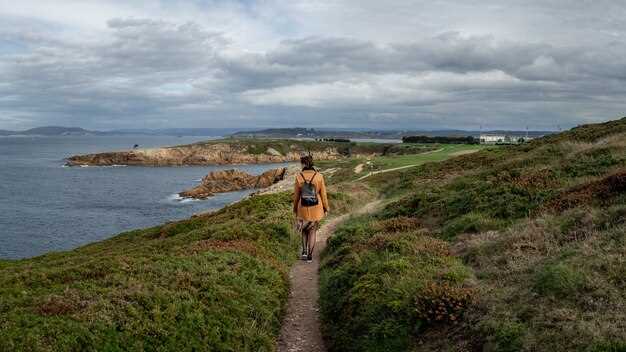
If you opted for a smooth day, pre-book your times online and bring the confirmation on your phone or printed. The Cobh Heritage Centre is located on the waterfront, welcoming visitors with a compact, well-organized layout that lets you pace at your own speed. After you’ve explored, enjoy a stroll around the harbor or plan a bunratty detour on another day if your week includes a broader southern Ireland loop.
The exhibits cover Cork Harbour maritime history, emigration stories, and local connections to ships that sailed from the port. Highlights include a reconstructed deck, ship models, rescued artifacts, and detailed signage that makes the narrative clear. conor, a local guide, sometimes leads short talks in the hall; check at the desk for times. The displays are built to be informative and welcoming, with both intimate corners and larger installations that echo the port’s past. Those who enjoyed the centre’s stories will appreciate the care in curation.
Tickets can be booked online or purchased on-site. For adults, prices typically sit around €14–€15, with concessions for students and seniors, and family tickets offering options for multiple guests. Pre-book online to save time; if you opted for a guided talk, its schedule appears at the front desk or on the kiosk. Audio guides are available in several languages for a small fee to enrich the exhibits.
Scheduling tips: plan 60–90 minutes to take in the core displays; morning visits tend to be quieter, and the welcoming staff can help with directions. If your week includes a broader Irish road trip, map a relaxed pace that leaves room for a stroll in Cobh town or a short stop at Spike Island ferry if you want extra time. Wear comfortable shoes, as you’ll cover marble floors and several display zones on foot.
Accessibility: The building offers step-free access between floors, elevators, and a friendly team ready to assist. Bring a light jacket for harbour breezes indoors and outside, and consider packing a compact camera or a phone for photos in the memorial gallery. The centre’s detailed, well-lit spaces make it easy to absorb the stories of locals and emigrants alike, and the experience fits neatly into an Irish itinerary.
Practical Transport Tips: Parking, Fuel, Toll Fees, and Car Hire
Rent a compact SUV for your 8-day loop and book in advance; it handles iveragh hills, slea coast, and narrow lanes, while making staying in small towns easier and keeping your sight of castles within reach. This choice takes the rough edges out of driving and makes planning the legs of the trip easier, so youll feel confident on day trips from airports and bases alike.
-
Parking
Expect paid on-street parking in Dublin, Galway, Limerick, and near major attractions, with typical rates of €2–€4 per hour and daily caps around €15–€25 in the city centers. In towns along the ground-rolling countryside and rural grounds, free spots appear near church grounds or village centers, but spaces fill quickly in peak season. Use park-and-ride options on the outskirts of big cities to avoid inner-city traffic, especially if you plan to visit sights along the slea coastline or in the mountains. When you stay in smaller towns on routes toward the iveragh peninsula, look for municipal car parks with clear signage; downtime stays and easy access are common near market days. Always read blue/white signage to avoid fines, and leave valuables out of sight to protect your car while you explore sights such as castles or coastal attractions.
-
Paliwo
Fuel prices hover roughly €1.75–€2.15 per litre for petrol and €1.70–€2.05 for diesel, varying by region and station. Fill up near larger towns or airports to lock in better rates; in rural legs between Downpatrick and the iveragh area, stations can be sparse, so topping up before a long stretch is smart. Most stations operate 24/7 in towns, with a drop in late evening hours in smaller locations. A full-to-full policy with your car hire keeps costs predictable; refuel before returning the vehicle to avoid surcharges.
-
Toll Fees
Most tolls on major routes in and around Dublin occur on the M50 and Port Tunnel; you can pay via an in-vehicle system (eFlow) or post-pay at the rental desk if you’ve arranged it. Budget roughly €3–€4 per M50 crossing and about €1.50–€3 for Port Tunnel depending on your payment method. Some regional bridges carry tolls as well, so plan ahead when charting routes toward attractions along the mountains or around the slea coast. If you’ll stay along the coast for a day or two, check toll maps before departing so you don’t get caught by surprise penalties.
-
Car Hire
Most renters in Ireland require drivers to be at least 21–23 years old, with some agencies adding a young-driver surcharge. A valid domestic or international license is acceptable for stays of two weeks or less; an International Driving Permit is optional for non-EU residents but can simplify verification. Expect a credit-card hold for the excess (roughly €600–€1200 on many daily rates). Choose a full-to-full fuel policy and consider adding a second driver for long legs of the trip; automatic transmissions are available but cost more than manuals. Pick-up at airports (Dublin, Shannon, Cork) minimizes city traffic, and you’ll find a wide range of options near transit hubs offering flexible pickup times. When you plan days around iveragh, castles, or rolling grounds, a compact SUV or mid-size SUV helps with tight lanes and uneven surfaces, especially on rural routes where road conditions can vary. If you stayed in a school or hostel area before your drive, confirm the pickup location so you aren’t rerouted late at night. For the best value, compare at least three providers and check what’s included in the rate (CDW, theft protection, and windscreen coverage) before you sign.
With the right car, your 8-day itinerary becomes easy to manage: you’ll cover each sight, from dramatic mountains to coastal attractions and iveragh’s winding roads, without rushing, and you’ll enjoy flexible stops for coffee, meals, and photo runs at Slea Head and Downpatrick landmarks. Keep a simple plan, and you’ll finish the trip with a full memory bank and no parking headaches.
Food, Lodging, and Budget Planning for the 8-Day Trip
Reserve 2-3 central B&Bs with included breakfast and reliable parking to simplify mornings and keep transitions smooth.
Budget snapshot for two travelers on the eight-day route: lodging ranges €960-€1,680; meals €320-€560; car rental and basic insurance €330-€630; fuel €80-€140; parking and incidentals €40-€120. Total €1,730-€3,130.
Food strategy combines groceries and casual dining. Start the day with a hearty breakfast at the B&B, pack snacks for road stops, and plan one substantial dinner in a pub or family-run restaurant each day. Expect lunch in a café or at a grocery store deli for about €12-€20 per person and dinners around €18-€35 per person in towns, with higher prices in Dublin and tourist hotspots.
Lodging options mix character and value. Rural towns offer quiet rooms with views of trees or small rivers, often with free parking and a warm Irish morning. In larger towns or coastlines, choose guesthouses or family-run hotels near the town square for easy strolls to shops and cafes. Booking early in peak season helps lock in better rates and reliable parking near the entrance.
Renting a car remains the most convenient way to explore Ring of Kerry, Cliffs of Moher, and remote coastal stretches. Expect €25-€50 per day for the rental, plus €8-€15 daily for basic insurance. Book in advance and verify coverage options, including whether your credit card offers secondary protection. Plan a fuel budget of roughly €70-€140 for eight days, depending on how much you drive and your fuel efficiency.
Some convents and nuns-run guesthouses provide simple, peaceful stays, typically at lower rates and with a quiet atmosphere–great for long drives and early starts. If you choose these options, call ahead to confirm accessibility and parking arrangements within walking distance of dining options or markets.
Shopping opportunities help manage costs and add local flavor. Visit farmers’ markets for fresh bread, cheeses, smoked fish, and seasonal vegetables, then shop nearby bakeries or grocers for lunch supplies. Use town squares as a navigation anchor to find parking lots and entrances to markets, pubs, and cafés without wasting time in transit.
Sample day outline: start with a full breakfast at the B&B, drive through scenic routes by the river, stop in a small town square for a mid-morning coffee, check nearby parking before you wander streets, enjoy a seafood lunch or a hearty pub dish, and return to a cozy lodging for a warm dinner–if you crave something different, a simple convent guesthouse can offer a quiet contrast to tourist hubs, and you’ll still have energy for teatime and strolls under the trees, a reminder that even when plans change, the pace stays relaxed, not Egypt-fast, and you can take your time to savor every moment.