


 Polski
  English (UK)
  Русский
  বাংলা
বাংলা  العربية
  日本語
日本語  한국어
한국어  Magyar
  Norsk nynorsk
  Türkçe
  עִבְרִית
  Español
  Čeština
  Svenska
  Português
  Ελληνικά
  Suomi
Suomi  Nederlands
  Română
  Italiano
  Français
  Українська
  Deutsch
  简体中文
简体中文  Slovenčina
  Српски језик
  اردو
اردو  Azərbaycan dili
  O‘zbekcha
  አማርኛ
አማርኛ  7 Best Extreme Sports in Malaysia to Add to Your Bucket List">

Wybierz swobodne spadanie jako swój pierwszy typ, aby rozpocząć swoją malezyjską przygodę w tym sezonie. Licencjonowany operator zapewnia skoki tandemowe z dokładnym instruktażem bezpieczeństwa, dzięki czemu możesz uchwycić horyzont i zachować stabilną głowę podczas opadania. Czas w samolocie wydaje się krótki, ale wspomnienia pozostają na długo, a Ty zobaczysz wybrzeża znikające w spektakularnych szczegółach.
Następnie eksploracja rock wspinaczka staje się twoim następnym krokiem; Batu Caves i inne wapienne skały oferują trasy dla początkujących i doświadczonych wspinaczy. Przewodnicy, często brytyjski instruktorzy znajdują się w pobliżu, aby pomóc Ci znaleźć chwyt i wziąć udział w bezpiecznej wspinaczce. Uchwycisz moment wejścia i doświadczysz silnego poczucia spełnienia, z bezpieczeństwem zawsze na pierwszym planie.
Nurkowanie jaskiniowe Park Narodowy Gunung Mulu, położony w malezyjskiej części Borneo, oferuje dostęp do imponujących podziemnych rzek. Pod okiem doświadczonych przewodników, będziesz mieć okazję bycie świadkiem tryskające strumienie rzeźbiące wapień podczas eksploracji ukrytych komnat. Doświadczenie wymaga przestrzegania precyzyjnych zasad bezpieczeństwa, dlatego będziesz nosić kask i korzystać z systemu partnerskiego. Rozkoszuj się nieziemską ciszą i nagrywaj film z bladymi ścianami skalnymi podczas ślizgania się przez jaskinie.
Spływ pontonem po wzburzonej wodzie na rzece Kampar w pobliżu Gopeng w stanie Perak oferuje bystrza klasy II–III, idealne do przetestowania swojej odwagi bez uszczerbku dla bezpieczeństwa. Organizatorzy zapewniają pełne wyposażenie, od kamizelek ratunkowych po kaski; nauczysz się opanowywać linie bystrz i odkrywać rzeczne wąwozy. Zaplanuj weekendową opcję z 2–3-godzinnym spływem i kawiarnią w stylu kampung nad brzegiem rzeki, gdzie możesz szybko zjeść lokalne przekąski. Czas na wodzie mija błyskawicznie, gdy wyruszasz w kręty wąwóz, obserwując wodę szumiącą wokół ciebie.
Paralotniarstwo oferuje widok z lotu ptaka na malezyjskie wyżyny; wystartuj ze wzgórza i szybuj na prądach termicznych, aby delikatnie wylądować. To idealne rozwiązanie dla początkujących dzięki lotom w tandemie i szczegółowym instrukcjom bezpieczeństwa; spędzisz czas w przestworzach, podziwiając wybrzeże i korony drzew. Twoja głowa pozostanie stabilna podczas szybowania, a Ty możesz rozkoszować się panoramicznymi widokami, rejestrując kampung wioski poniżej i skalne ściany wzgórz.
Kolarstwo górskie Przemierzanie nierównych szlaków malezyjskich lasów wystawia na próbę równowagę, oddech i wytrzymałość. Trasy wokół Fraser’s Hill lub wzgórz w pobliżu Kota Bharu oferują zróżnicowane nachylenia; przejażdżki z przewodnikiem pomagają znaleźć najlepsze linie, z kontrolą bezpieczeństwa, etykietą szlaku i szybkim odprawą w lokalnej kawiarni. Możesz wziąć udział w kilkugodzinnej przejażdżce i rozkoszować się naturalnymi krajobrazami – bujną zielenią, szumiącymi strumieniami i dziką przyrodą, obserwując sekrety lasu w krótkim czasie.
Canyoning Zjazdy po kaskadowych wodospadach to aktywny sposób na obcowanie z surową potęgą natury. Zjazdy na linie, pływanie i skoki do głębokich basenów wymagają starannego planowania i lokalnych przewodników z okolicznych osad (kampung). Zrobisz dramatyczne zdjęcia wirującej wody i skalnych ścian, a kontrole bezpieczeństwa zapewnią ochronę wszystkim uczestnikom. Jeśli szukasz dnia, który łączy adrenalinę z naturą, to będzie to idealny dodatek do Twojej listy rzeczy do zrobienia w Malezji.
Malezja: 7 najlepszych sportów ekstremalnych, które warto dodać do swojej listy marzeń
Zacznij od wspinaczki skalnej w Batu Caves, aby poczuć adrenalinę pionowego wapienia i wysokie drogi, które witają każdego śmiałka, a następnie zaplanuj kolejne kroki w bujnym, pełnym wysp planie podróży.
Nie pomijaj kontroli bezpieczeństwa.
Następnie zmierz się z raftingiem na bystrzach rzeki Padas na Sabah, gdzie odcinki o bystrym nurcie wystawią na próbę Twoje umiejętności wiosłowania i pracy zespołowej. Podróż może trwać kilka godzin, a sceneria lasu deszczowego jest wspaniała, gdy wraz z załogą pokonujesz trasę.
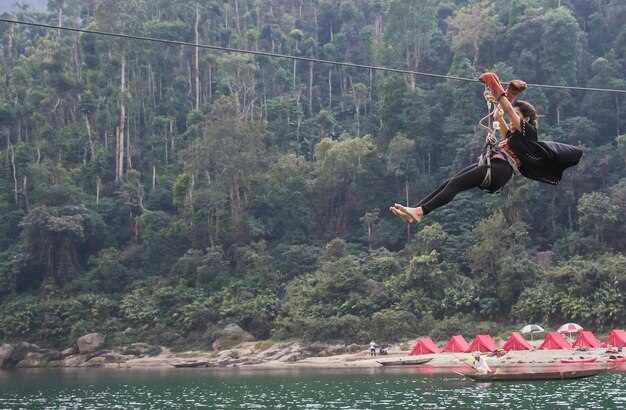
Następnie wzbij się w powietrze, przemierzając bujne lasy na tyrolce podczas canopy tour w pobliżu Doliny Danum, podziwiając wyjątkową perspektywę z korony drzew i panoramę wzgórz oraz miasta z lotu ptaka.
Weź udział w paralotniarstwie nad miastem i okolicznymi wzgórzami, startując z wysokiego punktu startowego i podziwiając wspaniałą panoramę, unosząc się nad centrum miejskiej siatki.
Jeśli szukasz innej dawki adrenaliny, wybierz się na canyoning w wapiennych wąwozach Perak: zanurkujesz w słodkowodnych basenach, przeciskać się będziesz przez wąskie kanały, a na koniec czeka ci błotna kąpiel, po której na każdym kroku będziesz się uśmiechać.
Kolarstwo górskie zjazdowe na stromych szlakach w pobliżu Genting Highlands lub Fraser’s Hill wystawia na próbę równowagę i nerwy, z wysokimi drzewami i bujnymi koronami oraz błotnistymi odcinkami, które stanowią wyzwanie na każdym kroku.
Zakończ przejażdżką łodzią motorową po rzekach Sabah – szybką, pełną rozprysków wodnych atrakcją, która sprawia, że ci, którzy w niej uczestniczą, chcą zarezerwować kolejną sesję. Następnie zaplanuj kolację na wyspie lub w mieście, aby podziwiać zdjęcia i dzielić się historiami z kimś wyjątkowym. Przed wzięciem udziału należy sprawdzić zakres ubezpieczenia, a osoby początkujące powinny pamiętać o swoich ograniczeniach, aby nie przesadzić.
| Sport | Lokalizacja | Why It Shines | Wskazówki |
|---|---|---|---|
| Wspinaczka skałkowa – Batu Caves | Jaskinie Batu, Selangor | Kultowe wapienne ściany, wysokie drogi; idealne dla wszystkich poziomów zaawansowania | Wynajmij lokalnego przewodnika; załóż odpowiednie buty; weź ze sobą kredę; sprawdź pogodę |
| Spływ pontonami po wzburzonych wodach – rzeka Padas | Sabah | Rafter klasy III–IV; ekscytujący spływ rzeką; tło w postaci lasu deszczowego | Wczesny start; załóż kamizelkę ratunkową; weź wodoszczelną torbę; sprawdź ubezpieczenie |
| Ziplining – baldachim doliny Danum | Dolina Danum, Sabah | Widoki z baldachimu; unikalna perspektywa na bujne lasy. | Ochrona przed słońcem; lekka odzież; z przewodnikiem |
| Paralotniarstwo – KL city i wzgórza | Region Kuala Lumpur | Widok miasta z lotu ptaka; płynny start; zróżnicowany teren | Certyfikowany pilot tandemowy; sprawdzenie pogody; wygodne uprzęże. |
| Canyoning – Wąwozy Perak | Perak | Wodospady, naturalne zjeżdżalnie, naturalne baseny | Zapasowe ubrania; buty do wody; obecny przewodnik |
| Kolarstwo zjazdowe – strome trasy | Genting Highlands / Fraser’s Hill | Strome zejścia; wysokie drzewa; błotniste odcinki | Protections; bike check; proper tires |
| Jet boating – Sabah rivers | Sabah | High-speed ride; spray and adrenaline | Helmet; life jacket; insurance coverage; know your limits |
Bungee Jumping: Top Spots and Height Details
Begin with Langkawi for verdant scenery, a balanced safety record, and a memorable first jump. The course sits atop coastal cliffs, with a drop around 40-50 meters and a clear blue sea below. The session lasts about 60-90 seconds, giving you time to savor the adrenaline, while trained guides handle gear checks, backup lines, and emergency procedures so you can focus on the moment. These settings invite you to admire the view amidst tropical breeze and hear waves nearby.
On the west coast near the capital region, operators offer a 50-55 meter jump with sweeping views of hillside greenery and the city skyline at dusk. It’s a popular event for friends taking a weekend escape, and there are both solo and tandem options to suit different types of thrill seekers. British visitors often begin here, enjoying a short ride whilst deciding whether to tackle a longer challenge. There are thorough safety briefings, harness checks are double-verified, and you will be guided step by step; there is no rush, you will know when to jump.
In Sabah, amidst lush rainforest canyons, a longer option sits above a river pool, with height around 60 meters delivering a longer feel before you snap back to calmer air. The route surrounds verdant rocks and offers unique views of wildlife trails and the jungle. Guides emphasize safety, including backup lines and weather checks, so you will stay safe while enjoying the scenery. If you are with friends, you can share the moment and support each other in the ascent and breath control.
These options offer several types of jumps, from solo to tandem, so you can pick what matches your confidence level. If you’re afraid, start with Langkawi’s shorter option and gradually build up–you will learn to pace your breath and turn the moment into a life-affirming memory. Bring friends to share the exhilaration, and plan the time around a broader Malaysia itinerary; a single session can be extended or split into a second jump with a photo session for lasting keepsakes. Enjoying the thrill, whilst you admire the verdant backdrop, you will feel the sense of adventure around you.
Rock Climbing: Indoor Gyms vs Outdoor Crags and Essential Routes
Rekomendacja: Begin indoors to build balance, then spend a weekend outdoors to test what youve learned on real rock.
Indoor gyms around Ampang, Sunway, and Jaya offer controlled routes, auto belays, and coaching that speeds progress. Most centres run two to three hours blocks, with gear rentals, chalk, and staff who can check your technique as you go. Start with gentle slabs to learn footwork, then move to vertical walls and small overhangs as you gain confidence. Build a simple list of 3–4 problems to repeat across a week, focusing on smooth movement, precise foot placement, and stable body position at the wall. Many climbers appreciate this structured approach because it creates consistent gains in a short window.
Outdoor crags give you context you cannot replicate indoors: batu walls near Batu Caves and in Perak offer magnificent limestone climbs with forest approaches and occasional cave sections. For a first outdoor push, pick three sport routes that are well-bolted and within your indoor grade, ideally on a dry, sunlit morning. Always check the forecast, bring a partner to belay, and be mindful of muddy patches after rain so you can descend down safely. If you get lost along the approach, backtrack calmly to a known landmark and read the topo again. Weekends draw crowds, so plan to arrive early to secure parking and a quiet crag near Ampang or Jaya, then cruise back to town with a sense of accomplishment. Some climbers extend a trip to Bharu to connect with local groups and swap route recommendations; you can combine it with a coastal hike and a quick dip in the ocean afterward.
Essential Routes to build your progression: indoors, begin with 3–4 beginner problems on slabs to train balance and footwork, and once confident, add 2–3 verticals to develop edging and weight transfer. Outdoors, choose two short sport routes on a dry day, then try a longer line if your partner confirms the anchors are solid. After the climbs, consider a quick swimming session or a stroll through a nearby park or forest trail to aid recovery. If you want a mixed-day option, head to a location like Sunway or Ampang and finish with a zorb ride for a light, playful cooldown. For a deeper dive, plan another weekend to explore a cave route or a limestone crag in Perak, keeping a keen eye on weather and mud levels to avoid a muddy mess.
Want help choosing routes? Start with the centre staff’s list of locally trusted lines and map a three-route loop that fits your levels. The most important rule is safety: check the anchors, tie in correctly, and communicate clearly with your partner. When you return, record a few hours of practice in a notebook or app so you can track gains in balance, tension, and flow. This approach lets you grow steadily, lets you enjoy the scenery, and builds a base that makes every move feel magnificent.
SkyDiving: Primary Jump Locations, Licensing, and Safety Tips
For your first skyjump, choose a certified operator in sarawak to ensure trained staff, well-maintained gear, and clear emergency procedures.
Primary jump locations span Peninsular Malaysia and Borneo, with licensed airfields that provide controlled drop zones. In sarawak, coastal strips near miri and river valleys offer predictable winds suitable for tandem flights and practice. In the peninsula, sunway-area airfields connect to a growing network of operators, while tabur, a steep hillside near the city, hosts demonstrations and training for seasoned teams. These places combine breathtaking views with safety margins, and many instructors bring british standards to the briefing. from these venues, plan weekend jumps and explore waters and islands, witnessing coastlines from above.
Licensing and training follow the PAM framework. Tandem jumps require no solo license, while solo progression demands accredited instruction, medical clearance, and completion of ground school and exit practice. According to PAM guidelines, you must be 18+ and physically fit, and you sign waivers before the first session. Operators issue a certificate after ground school, safety briefing, and a supervised exit, ensuring you meet the standard before a solo attempt.
Safety tips: review the weather forecast and wind limits; never jump with risk conditions. Before exit, inspect harness, reserve, and altimeter; listen to the pre-jump briefing and use the signals; avoid alcohol and heavy meals; wear appropriate gear; keep focus amidst other jumpers and traffic. If you plan with family, tandem options let you share the thrill together, and these routines reduce risk and improve confidence. During the briefing, instructors point out the wall of air at exit and how to stay within the marked zone. The safe approach gives you confidence.
Plan your weekend with a licensed operator: many packages include ground practice, gear checks, and a final jump. Spend time on safety briefings, water and island awareness, and a relaxed debrief after the exit. Once you complete the first jump, you will admire the coastline from above and want to book another session soon.
Note on regional notes: in bharu and nearby kelantan coast, seasons shape wind patterns, creating calm windows at certain times. Always verify access and permits, especially if you combine with rafting, swimming, or park visits in the same day. Amidst your preparations, keep family plans and consider a british-standard safety check before the jump. For first-timers, choose a partner operator who can guide you through the process, plan ahead, and ensure your safety and enjoyment.
Snorkelling: Best Marine Parks, Seasons, and Visibility
Book a guided snorkelling session with licensed instructors because calm mornings offer the clearest light and the most vibrant reef colors. Take a crisp, data-driven approach: plan around seasons, reserve a small-group boat, and arrive early to maximize hours in the water while staying safe along the coastline of Malaysia.
-
Tunku Abdul Rahman Marine Park (Sabah) – a cluster of five islands just off Kota Kinabalu, ideal for coral gardens and resident sea life. Seasons favoring visibility are March–May and August–October; typical underwater visibility runs 15–25 m on clear days, with occasional drops after heavy rains. A half-day plan works well, with 3–4 hours on the water, often including a short island visit and a simple beach stroll. Instructors lead the excursion, and safety gear is standard, including life jackets suitable for beginners.
-
Pulau Payar Marine Park (Langkawi, Kedah) – accessible from Langkawi island with a straightforward ferry-cruise combo. Best visibility tends to occur in the dry months, roughly February–April and August–October; expect 10–20 m on good days. Cruises often run 3–5 hours, sometimes with a stop for a beach dinner nearby, giving you a unique opportunity to combine a shopping visit on Langkawi with the snorkel. Boats prioritize safety briefings and instructor-led guidance.
-
Redang Marine Park (Terengganu) – renowned for long sandy bays and clear reef edges. Peak visibility is March–October; underwater clarity commonly stretches 15–25 m. Expect full-day options (6–7 hours) or half-day trips, with gentle currents around sheltered coves. Instructors emphasize safe distances from corals and proper finning technique to protect life under water.
-
Perhentian Islands Marine Park (Terengganu) – a favorite for snorkellers chasing vibrant fish and coral towers. Best conditions materialize during March–October; typical visibility sits around 10–25 m on bright days. Many operators offer 3–4 hour cruises, paired with a beach visit for a light lunch or dinner onshore, adding a relaxed cadence to your day.
-
Tioman Island (Pahang/Sabah border area) – a classic central-east coast destination for reef life. Snorkel windows peak March–October, with 12–25 m visibility common on clear mornings. Plan a 4-hour outing to maximize time along rock outcrops and patch reefs, often followed by a short shopping stroll in local village markets.
Visibility varies with wind, rain, and currents: high weeks bring glassy waters, low weeks bring cloudier days. For the best chance of seeing color, snorkel around islands with sheltered bays and avoid rough ocean hours after storms. Night snorkelling is offered by limited operators in some locations, but you should confirm safety gear and instructor presence before booking.
Safety and preparation matter: always snorkel with trained instructors, wear a proper life vest if you’re new, and follow the donts–don’t touch corals, don’t chase fish, and don’t stand on delicate reef structures. Etiqa travel coverage can help with medical and evacuation costs, so plan your policy before joining a high-activity trip in malaysia. Bring reef-safe sunscreen, a hat, and a lightweight dry bag for your valuables, and consider pairing your snorkel day with a Tabur rock hike if you’re combining adventures on a single visit for a balanced itinerary.
Plan a seamless experience by syncing a morning snorkel with a relaxed afternoon cruise along the coastline, followed by a waterfront dinner. If you’re visiting several islands, map a logical route to minimize bumpy transfers and maximize time in waters around sheltered reefs. A well-timed visit allows you to see life thriving beneath the surface and creates a memorable story to share after your trip.
Water Rafting: Rivers, Difficulty Levels, and Guided Tours
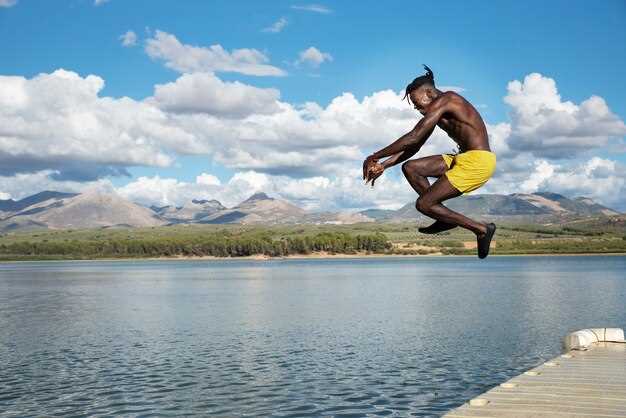
Plan a weekend rafting escape with a licensed operator and test your limits on Malaysia’s jungle rivers. If you’re starting from petaling, the Kampar River run near Gopeng in Perak offers II-III rapids and easy exit points, ideal for friends and first-timers. The route is located a short drive from KL and pairs well with a riverfront lunch and a stroll through a square market after the ride. Rivers bend where jungle quiet meets white rapids, and you’ll be witnessing lush cliffs and green valleys as you descend; forget city noise, because safety remains the top priority with a professional guide. This experience lets you build teamwork and confidence as you paddle tall waves and navigate swift turns.
For a tougher ride, sarawak offers jungle runs on the Rajang and Rejang basins with II-III rapids and longer stretches that suit mixed groups, including climbers who want a challenge. In sabah, the Padas River delivers III-IV rapids and a compact setup near Beaufort, with guides handling all safety and gear so you can focus on the line and the scenery. Multi-day options add river camping and jungle hikes for a more immersive adventure.
Guided tours include a safety briefing, certified guides, and gear such as a PFD, helmet, and throw bag. Small groups, typically 4-8 paddlers, keep pace and maximize safety. Most itineraries run over 2-4 hours on the water, with rest breaks and photo opportunities to capture the action and the scenery.
What to bring and how to prep: quick-dry clothes, water shoes with secure straps, a dry bag, and a light rain shell. Pack sunscreen, insect repellent, a towel, and an extra set of clothes for after the ride. After the descent, cooling off near calm stretches or natural slides helps you recover. For a comfortable experience, choose operators with well-fitting life jackets and wetsuits when the water is cold or windy. Jumping from unsafe spots is discouraged; follow the guide’s signals and stay in designated areas.
After rafting, add options like a river cruise or a zorb ride on slower stretches. Outdoor adventures nearby include hiking to viewpoints and easy routes for beginners; climbers can explore nearby limestone cliffs with supervision. Some routes are located near petaling or sarawak, making weekend combos easier.
Caving: Notable Caves, Permits, and Gear Essentials
Begin with Batu Caves near Kuala Lumpur to test your setup, where you can get comfortable with helmet, light, and basic crawls through limestone galleries in a cave system. This lets you spend time on technique before moving to deeper routes.
Notable caves span Gua Tempurung in Perak, Gunung Mulu’s Clearwater and Deer Caves in Sarawak with massive chambers and gushing streams, and Niah Caves offering ancient art and diverse wildlife; each area offers unique formations, and trekking time and skill demands vary.
Permits come from the park authority or your guide, and operators handle paperwork; for Gunung Mulu and Niah, contact Sarawak Parks or Sabah Parks weeks in advance; for Perak caves, certified guides manage your permit on site. Many groups start at local hubs in the verdant area; guides let you focus on the climb. In the jaya area near the city, gear shops and licensed guides are easy to reach.
Gear essentials include: helmet with a secure headlamp; spare batteries; gloves; knee pads; sturdy boots; abrasion-resistant coveralls; a harness, rope, carabiners, and slings; a descender or rack; a dry bag; rain shell; map or compass; first-aid kit; insurance documents; and a plan that covers timing, meeting point, and exit routes. An airrider helmet or light kit can improve visibility, while a compact camera helps capture memories. This lets you handle each session with confidence.
After the cave, many experiences pair verdant jungle trekking with a river cruise or a dinner in the city; some operators frame safety basics as quick games that let newcomers practice knots and rope handling. This mix lets you unwind and reflect on what you learned through the day.