


 Polski
  English (UK)
  Русский
  বাংলা
বাংলা  العربية
  日本語
日本語  한국어
한국어  Magyar
  Norsk nynorsk
  Türkçe
  עִבְרִית
  Español
  Čeština
  Svenska
  Português
  Ελληνικά
  Suomi
Suomi  Nederlands
  Română
  Italiano
  Français
  Українська
  Deutsch
  简体中文
简体中文  Slovenčina
  Српски језик
  اردو
اردو  Azərbaycan dili
  O‘zbekcha
  አማርኛ
አማርኛ 
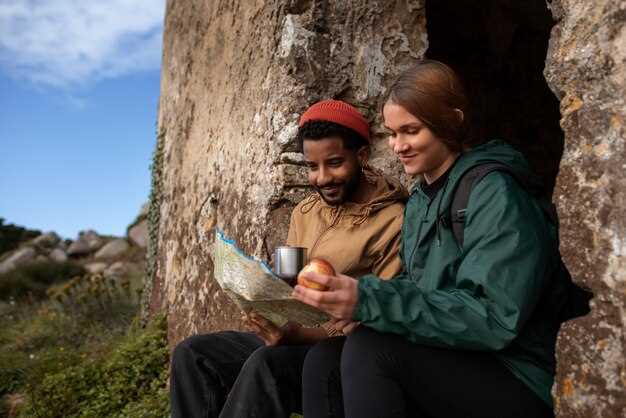
Walking the Camino de Santiago is not just a physical journey; it’s a deeply immersive experience that speaks to the soul. For years, I wanted to explore this ancient pilgrimage route, and the stories I found along the way helped shape my perspective. Among those stories, I discovered a selection of books that not only captured the essence of the Camino but also resonated with my own journey. These narratives are filled with unexpected twists, sincere reflections, and an honest portrayal of what it means to walk those miles.
From memoirs that shared the personal sins and triumphs of fellow pilgrims to delightful accounts that infused humor into the everyday ritual of walking, I found comfort and inspiration in these pages. Each book became a recipe for my own adventure, offering guidance and companionship as I prepared for my own trek. Whether you’re a seasoned walker or someone just starting to contemplate the journey, these selections will always hold a special place in my heart, as well as on my Goodreads shelf.
Among my favorites is the book penned by Paulo Coelho, which captured the magic of the Camino and resonated well with readers around the world. The narrative transported me to places I had yet to visit, igniting a flame of hope and desire to explore. I also found Beth’s story particularly moving; her four days on the Camino were a reminder that every step taken is a part of a larger tradition. If you’re ready to dive into the rich tapestry of stories that the Camino offers, these 14 inspiring books are sure to light your path.
The Cat Who Walked the Camino
“The Cat Who Walked the Camino” by Eric Moores is a memoir that takes readers on a unique journey through the iconic paths of the Camino de Santiago. This story integrates the everyday experiences of a group of travelers alongside a cat that followed them, capturing the magic of the pilgrimage from an unexpected perspective.
The book explores the weight of personal stories and the cultural significance of the routes taken. Through the eyes of the cat, readers might see how the journey impacted the people involved. The author does not shy away from discussing the challenges faced by both humans and their feline companion as they walked together, sharing beds and boots, while connecting with one another.
Moores’ narrative is both nice and engaging, providing insights on the importance of community and support. As the group faced the highs and lows of the pilgrimage, they also encountered vast landscapes and shared in the sins of everyday life. The cat’s presence served as a reminder that everyone, regardless of species, carries their own burdens and dreams while on such life-altering journeys.
This book is for those who hope to find inspiration in life’s simple pleasures, who think about planning their own adventure, or who want to watch how animal companionship adds to the experience of walking the Camino. Each chapter acts as a guidebook, helping to uncover something new about the Camino and the impact it has on people’s lives.
“The Cat Who Walked the Camino” is a heartfelt tribute not only to the paths walked but also to the friendships formed along the way. Just like Paulo Coelho’s works, it reminds readers that the journey itself should be cherished, and it’s these stories that stay with us long after the boots have been put away.
Understanding the Unique Perspective of a Feline
In the journey of self-discovery, the experience of traveling the Camino de Santiago extends beyond the typical human narrative. Imagine a cat that observes the travelers in their boots, noting their motivations and struggles as they walk through the Spanish countryside. Such a feline perspective provides a unique lens on the pilgrimage that many have undertaken.
This cat might see how others carry their burdens, how each step connects them to the land, and how their journey reflects their cultural backgrounds. You can almost picture it perched atop a table in a quaint village, absorbing the stories of grandmothers sharing recipes with little ones, or travelers recalling their experiences later in the evening.
From this vantage point, the cat witnesses four major themes that recur across different travelers:
- Personal Growth: Each pilgrim is doing the Camino for their reasons, whether to seek solace or confront their sins.
- Wymiana kulturalna: Travelers learn not just from the routes they take, but from the people they meet and the cultures they are immersed in.
- Wellbeing and Reflection: The journey serves as a means of connecting with oneself and the world, providing support for those who need it most.
- Shared Stories: Memoirs and guides often written by those who have walked before serve as a recipe for new travelers, highlighting experiences from both Kerkeling and MacLaine to help orient those who might feel scared at the start.
As the cat observes, it becomes clear that the Camino is not just a physical path; it is an emotional and spiritual journey for everyone involved. Whether a reader finds their way onto Goodreads to search for the next memoir or chats with a fellow traveler about their regrets and hopes, the feline presence continues to symbolize understanding and support.
Ultimately, these moments – the connections, the reflections, and the camaraderie – remind us that, while we may travel alone, we are always part of a larger narrative that weaves itself through the history of Santiago. The feline, with its curious gaze, understands that this journey shapes not only the traveler but also the essence of the path itself.
Lessons Learned from a Cat’s Journey

The journey of a cat can often be more than just a simple szedł path; it can offer profound lekcje about life, friendship, and personal growth. Much like the Camino de Santiago, where individuals from around the world embark on a transformative journey, a cat’s exploration of its environment can reflect similar experiences. For those who have read the tales of Paulo Coelho, they might recognize the parallels in the narratives of growth and self-discovery.
The story begins when the cat, feeling scared of the unknown, packs its little backpack with everything needed for the adventure. Just as one might start their pilgrimage with a heavy heart and a mind filled with myths about the road ahead, the cat also anticipates a journey that will change its view of the world.
Throughout its travels, the cat visits a grand katedra that serves as a symbol of beauty and tradition. Here, it learns that while traditions are important, the experience gained along the way is what truly matters. It integrates lessons about przyjaźń from other animals it meets, reminding us of the significance of companionship on any journey.
One particularly piękny encounter occurs with a szary cat named Lindy, who shares food and stories of her travels through Australia. Lindy explains how she found joy in both the dobry and the challenging moments, and how those experiences pomogło her grow into a wiser creature. This connection showed the cat that sharing a meal at a simple table with a friend can be as fulfilling as any luxurious bed.
The cat also learns to embrace the różny facets of life. Just like in the tales written for a non-religious audience, where characters face the scary realities of their choices, this feline absorbs the diversity of its surroundings. It becomes evident that life is about moving beyond superficial goals to discover what truly makes one lepiej.
In the end, the cat returns home, not merely with a collection of stories but carrying a newfound sense of purpose. It realizes that the journey itself–filled with challenges, fears, and joys–is the essence of existence. Much like Joyce and Beth from the Camino, who found a deeper understanding of themselves and their place in the world, the cat too embraces all that it has become.
These lessons from a cat’s journey remind us that every walk, whether on a pilgrimage or a simple path through the neighborhood, can offer rich lessons and insights into life, encouraging us to embrace the journey ahead with hope and an open heart.
The Impact of Companion Animals on Pilgrimages
Companion animals play a significant role in enhancing the experience of those who embark on pilgrimages, such as the Camino de Santiago. They offer more than just companionship; they create a unique connection between the traveler and their surroundings. For many, the presence of a pet–be it a dog, cat, or even a small animal–has been deeply intertwined with their journey.
In the books written by authors like Paulo Coelho or Joyce Moore, we often see tales where companion animals provide comfort and support in times of need. They help soothe the weary soul during long walks on the routes, making the hardships of travel feel a bit lighter. These animals are not just pets; they are members of the family who share in the joys and challenges of the pilgrimage.
When you read accounts from various memoirs, such as those by Shirley Bennett, you learn that animals often take on the role of emotional guides. They can sense our feelings and provide companionship in times of solitude. This connection can actually transform the experience into something magical. Having a companion animal can serve as a reminder of the beauty of life, much like the iconic cathedral at Santiago de Compostela that pilgrims yearn to see.
Every pilgrimage comes with challenges, both physical and emotional. There are hard times when the journey feels overwhelming, but the presence of a companion animal often provides a much-needed source of joy. For some travelers, it’s the humor and antics of their pets that keep spirits high, while others may find comfort just in the act of caring for their animal during the journey.
Furthermore, companion animals bring a layer of connection not only to nature but also to fellow travelers. They initiate conversations and foster relationships between pilgrims, which can lead to beautiful tales and shared experiences. It’s not uncommon for travelers, inspired by the stories of their companions, to form bonds that last beyond the journey itself.
In fact, the impact of sharing these experiences with a beloved pet may be among the most valuable lessons learned from the pilgrimage. The camaraderie cultivates a lasting sense of community, reminding us of the importance of connection–both to our fellow human beings and to the animals that share our lives.
Visuals and Illustrations: Enhancing the Reading Experience
When you delve into books about the Camino de Santiago, the visuals and illustrations included can profoundly enhance your reading experience. These elements serve not just as embellishments, but as vital tools that help convey the essence of the pilgrimage.
For example, maps might guide you through the various iconic routes, offering a visual representation of the journey ahead. These maps are especially useful for those who are planning to walk the pilgrimage themselves, as they provide valuable insights into the terrain and landmarks along the way.
In many narratives, photographs taken by pilgrims capture the stunning beauty of the landscapes. Seeing the sun rise over the hills or the mesmerizing sheen of the nearby rivers can evoke a sense of adventure within you. These images often tell stories that words alone cannot, reminding readers of the emotional weight each step carries.
Illustrations can also highlight the traditions and cultures you encounter. Whether it’s the unique architecture of a port town or the simple yet profound moments of friendship shared among strangers on the trail, these visuals provide context and depth to the lessons learned. They can help future pilgrims understand the historical significance and personal impact of each location.
Additionally, personal anecdotes shared by authors, such as Jean and Bill Bennetts, often come alive with supportive illustrations. These artistic representations may showcase unexpected encounters or the joyful camaraderie found while walking that extended distance, thus creating a connection with the reader that is hard to achieve with words alone.
For those who are non-religious, the visuals can provide an insight into the more secular aspects of the Camino. They emphasize that this journey is open to everyone, regardless of their beliefs. In fact, the friendships formed among pilgrims often stand out as some of the most cherished adventures, depicted vibrantly through artwork or candid snapshots.
Finally, by using illustrations that resonate on an emotional level, authors can more effectively convey the struggles and triumphs of their journey. The feeling of being scared before embarking on an adventure, or the lessons earned through long days of walking, are articulated beautifully through these enhanced visual elements. Such illustrations not only ensure the stories stick with readers but also inspire them to write their own narratives as they set off on similar journeys.
Other Notable Books on the Camino
The Camino de Santiago has inspired countless authors to share their experiences and stories from the pilgrimage. Here are some additional books that particularly stand out, offering valuable insights and adventures along this ancient route. These selections resonate with hikers and those who want to understand the true meaning of this journey, providing something for everyone contemplating the path ahead.
One of the most cherished authors associated with the Camino is Paulo Coelho. His reflections on pilgrimage not only inspire but also connect readers with the deeper aspects of the journey. In his writings, he emphasizes the weight that one carries, both physically and emotionally, and how shedding these burdens can lead to profound personal growth.
Joyce Rupp’s works have always been favorites for those seeking spiritual guidance, particularly during their time on the Camino. Her reflections offer a blend of practical advice and heartfelt stories that resonate deeply with pilgrims, helping them navigate not just the physical trails but also the emotional landscapes of their lives.
Lindy Jusino’s narratives vividly depict the adventures faced by young hikers as they traverse the Pyrenees to Santiago. Her engaging prose captures the essence of friendship formed along the way, highlighting both shared challenges and joyous moments that define the pilgrimage experience.
In addition to these authors, Martin’s collection of stories from various pilgrims provides a useful resource for those wanting to learn from the experiences of others. These tales serve as a reminder that every hiker carries their own unique weight on their shoulders, yet they all come together in their search for connection and hope.
The following table summarizes these notable authors and their contributions to the literature on the Camino:
| Autor | Tytuł książki | Temat |
|---|---|---|
| Paulo Coelho | The Pilgrimage | Spiritual growth and exploration |
| Joyce Rupp | The Heart’s Journey | Spiritual reflection and guidance |
| Lindy Jusino | Not all who wander are lost | Friendship and adventure |
| Marcin | Pilgrims’ Tales | Shared experiences and lessons learned |
These additional books should be on the shelves of anyone who loves the Camino and the stories behind it. They provide insightful perspectives that not only enhance the pilgrimage experience but also help hiker reflect on their own journeys and the adventures that lie ahead.
Diverse Perspectives: Stories from Different Pilgrims
The Camino de Santiago attracts a multitude of pilgrims from around the world, each embracing their journey with unique motivations and experiences. These tales provide insights into the diverse perspectives that enhance the richness of the pilgrimage experience. In cities such as Pamplona and Santiago, you’ll encounter individuals whose lives have been transformed by their walk along the routes.
One of the most unexpectedly inspiring stories comes from Patrick, who hails from Australia. Scared at first, he didn’t anticipate the profound impact the Camino would have on him. He shares his narrative through a film documenting his extended journey. His experiences illustrate how, when planning their routes, pilgrims often discover something deeper than mere physical endurance.
Lindy, another pilgrim, integrates humor into her tales from the trail, creating a relatable account of her journey. With every step taken through the gray landscapes of the Pyrenees, she emphasizes that the journey is just as important as the destination. Her stories resonate with readers who find camaraderie among the strangers who become friends along the way.
In fact, the surprising friendships formed during the pilgrimage act as a source of strength and support. Each additional encounter illuminates different aspects of human experience, which is documented in various films and books by award-winning authors like Rupp. These narratives help to not only entertain but also to educate, capturing the essence of what it means to walk the Camino.
Every pilgrim brings their own life experiences to the path, contributing to the beautiful tapestry of the Camino. Since these tales are so varied, they offer a comprehensive view of the journey, allowing future walkers to learn from others’ insights and prepare for what lies ahead. Whether you’re looking for practical guides or simply wanting to immerse yourself in the wisdom of fellow pilgrims, the Camino has something for everyone.