


 Norsk nynorsk
  English (UK)
  Русский
  বাংলা
বাংলা  العربية
  日本語
日本語  한국어
한국어  Magyar
  Türkçe
  עִבְרִית
  Español
  Čeština
  Svenska
  Português
  Ελληνικά
  Suomi
Suomi  Nederlands
  Română
  Italiano
  Français
  Polski
  Українська
  Deutsch
  简体中文
简体中文  Slovenčina
  Српски језик
  اردو
اردو  Azərbaycan dili
  O‘zbekcha
  አማርኛ
አማርኛ 
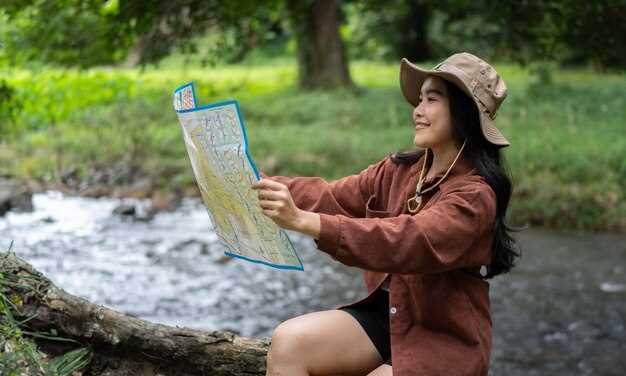
Yosemite National Park, a sanctuary of natural beauty, is often synonymous with breathtaking landscapes and evergreen forests. When planning an unforgettable adventure in this iconic location, selecting the right map is crucial. The right map can transform your experience from merely sightseeing to a thrilling exploration of the park’s hidden gems. With numerous routes and trails to choose from, each route’s crux lies in effectively navigating the park’s vastness.
Visitors will discover several options when it comes to maps, each designed to enhance your journey through this majestic wilderness. From those who prefer to wander near the towering peaks to those in search of wheelchair-accessible pathways, accessibility is often at the forefront of the design. This allows everyone–from adventurous hikers to families with strollers–to find their perfect trail, ensuring that no one feels overwhelmed by the crowded visitor areas or the frantic pace of life outside the park’s entrance.
In addition to the vast space filled with boulders and serene lakes, Yosemite serves as a vivid canvas for exploration. For those who want to soak in the eternal beauty of America’s landscapes, carefully picking your map can mean the difference between a hot hike under the sun and an easy, enjoyable day amidst lush scenery. If you’re looking to make the most of your Yosemite experience, understanding which map suits your needs is paramount. So, before you embark on this journey, let’s delve into how to select the best map for your Yosemite adventure.
Understanding Different Types of Maps
When preparing for your adventure in Yosemite, it’s essential to select the right map that caters to your needs and interests. There are a variety of maps available, each designed to provide a different perspective on the park’s features, facilities, and attractions.
The most common types include:
| Map Type | Description |
|---|---|
| Trail Maps | Ideal for climbers and hikers, these maps highlight trails, peaks, and points of interest, helping visitors understand the terrain before they set out. |
| Road Maps | These maps focus on the road network, showcasing entrances, parking areas, and lodgings to ensure families and visitors can navigate the park’s roads effectively. |
| Visitor Maps | Designed for first-time visitors, these provide general layouts of the park, including restrooms, service areas, and accommodations, making it easier to plan your sightseeing. |
| Historical Maps | A unique perspective on Yosemite’s past, these maps reveal changes over time, including historical placards that narrate the park’s rich history. |
| Topographic Maps | Great for outdoor enthusiasts, they display elevations and contours, perfect for those looking to explore beyond popular trails into the Sierra wilderness. |
| Digital Maps | Using technology to enhance your visit, these maps provide features such as real-time updates and navigation while you explore. Ensure you have reliable fuel and service for your device. |
Before embarking on your journey, check the available maps and choose the one that aligns with your plans, whether it’s spotting wildlife between roadside attractions or hiking challenging trails. Always be aware of permit requirements, especially during peak seasons like October and February, to ensure a smooth experience.
By selecting the right map, you’re not just picking a tool, but rather making a commitment to fully explore and enjoy Yosemite’s heart, from its majestic peaks to its tranquil valleys.
Topographic Maps: Key Features Explained
Topographic maps are essential for anyone planning adventures in Yosemite and its surrounding wilderness. They provide detailed information about the terrain, making it easier for families to navigate through the beautiful landscapes.
One of the primary features of topographical maps is the representation of elevation through contour lines. These lines indicate the steepness of the terrain, allowing hikers to assess the difficulty of their planned excursions. For instance, if you’re planning hikes near Merced or along Curry Village, understanding the elevation changes makes it easier to prepare. The closer the lines are, the steeper the slope, which is something to keep in mind while planning your journey.
Additionally, topographic maps include vital information about road systems and trails. This is particularly helpful for travelers in vehicles looking for accommodations or roadside insights. Yosemite’s main roadways can be easily identified, along with entrances to the park, ensuring you stay on course and explore the best parts without getting lost.
Another key aspect is the identification of campgrounds and amenities. For those seeking a rustic experience, knowing where to find accommodations or places offering great dining options like delicious pizza is crucial. Whether you’re staying in hotels or camping under the eternal canopy of pine trees, topographic maps help you locate suitable options based on your preferences.
Rangers and naturalists often recommend using these maps not just for navigation but for planning activities as well. They can direct you to the best hiking routes, scenic viewpoints for sightseeing, and opportunities for cross-country sports. Familiarizing yourself with the map before your trip can greatly enhance your overall experience.
Lastly, always check the weather conditions in October and other seasons when you’re stranded in the wilderness. Topographic maps can help you gauge the safest and most enjoyable routes to take based on current weather patterns, ensuring that your adventure in the parks is memorable and safe.
Trail Maps vs. Road Maps: What’s the Difference?
When planning your adventure in Yosemite, understanding the difference between trail maps and road maps is essential for maximizing your experience. Trail maps provide detailed information about the various hiking paths, including elevation changes, terrain types, and nearby points of interest. These maps are particularly useful for families and visitors who want to explore the park’s natural beauty through its many trails.
In contrast, road maps focus on the park’s entrance points, main roads, and scenic routes that connect different areas. These maps are ideal for those who prefer Ịnya ụgbọ ala to various attractions, like the famous views at Wawona and the majestic sequoias in Mariposa Grove. They display essential information such as parking areas and campgrounds, making it easy to plan your journey.
While trail maps highlight the best routes for hiking and discovering hidden gems, road maps serve as navigational aids for finding your way to destinations with easy access for visiting numerous viewpoints. Whether you are a seasoned climber looking to tackle the challenging trails, or a family interested in a leisurely drive, both types of maps play a vital role in planning an unforgettable trip.
With nine main entrance points, including Tuolumne and Merced, anyone can enjoy the park while utilizing these resources. While trail maps are recommended for those eager to explore backcountry areas, road maps are essential for understanding the main routes. Combining both maps can enhance your experience, providing the freedom to move between hiking adventures and scenic drives.
For a complete experience, consider reviewing both types of maps before your trip. This way, you can create a balanced itinerary that includes fitness activities on the trails and relaxing moments at scenic vistas, ensuring every aspect of your visit to Yosemite is memorable.
Digital Maps: Pros and Cons for Adventurers
Digital maps are an essential tool for adventurers looking to explore the beauty of Yosemite. They provide a wealth of information that can enhance your experience, but they also come with specific drawbacks that should be considered. Understanding these pros and cons can help you choose what type of map is best for your adventure.
One major advantage of digital maps is their accessibility. You can easily access them from your smartphone or tablet, eliminating the need to carry a physical map while you navigate the towering cliffs and stunning lakes. Apps often show real-time data, like traffic conditions, making it simple to plan your route to popular spots like Tioga Pass or the iconic Half Dome.
Another benefit is the variety of features available. Many digital maps come with beta information on climbs and trails, catering to climbers and hikers alike. This includes details about Canyon views, such as the best spots to take a rest or enjoy a picnic with a view of the majestic sequoias. Additionally, you can find nearby hotels or fueling stations if you’re in need of a quick break.
However, there are also drawbacks to using digital maps. One significant concern is the reliance on battery life. If you’re out exploring for years and your device runs out of power, you may find yourself lost without traditional navigation tools. There’s also the issue of connectivity; in crowded areas or when you’re deep in nature, signal can be weak or nonexistent, making it difficult to get the information you need.
Another downside is that digital maps may oversimplify certain features. For instance, while they can show horizontal positions and distances, they might not accurately represent the steep climbs or side trails that are essential for a full experience of Yosemite’s landscape. Additionally, when you’re trying to enjoy the beauty of a place like degnans or taking in the views from an arch, staring at a screen can detract from the moment.
In summary, digital maps offer convenience and an array of features that can significantly enhance your outdoor adventure. However, adventurers must balance this with the limitations of technology. Whether you’re snowshoeing in the winter or climbing in the summer, it’s wise to have a backup plan, such as traditional maps, to ensure a safe and enjoyable journey in Yosemite.
Park Guides: What to Look For
When visiting Yosemite, having the right park guide can significantly enhance your experience. Here are key elements to consider:
- Focus on Trails: Look for maps that highlight trails suited for varying levels of mobility. Whether you’re planning leisurely walks or challenging hikes, understanding the terrain is crucial.
- Visitor Centers: Check for guides that list visitor centers and their locations. These provide essential info on park rules, weather conditions, and current trail statuses.
- Public Transportation: Consider maps that include public transport options. This can be particularly helpful for exploring nearby towns without relying on a personal vehicle.
- Campsite Locations: If you’re camping, ensure the guide details campgrounds and their amenities. Some sites may provide year-round accommodations, while others may be seasonal.
- Waterfalls and Lakes: Yosemite is famous for its beautiful waterfalls and lakes. Select guides that show the best spots for viewing these features, like Hetch Hetchy and Mariposa.
- Weather Information: Understanding the weather patterns is critical. Seek guides that give insights into seasonal changes, especially if planning snowshoeing trips in February.
- Accessibility: Ensure the guide offers insights into routes that are accessible for everyone, allowing a greater number of visitors to enjoy the park.
- Maps of Nearby Towns: Having a perspective of nearby towns can enrich your traveling experience. Look for guides that include maps of local restaurants and accommodations, such as Thompson and Alex.
In conclusion, the right park guide provides a comprehensive framework for navigating Yosemite, helping you make the most of your adventure with a reasonable approach. Always check the latest information, and plan ahead to inspire yourself and your party!
Factors to Consider When Choosing a Map

When planning an adventure in Yosemite, selecting the right map is crucial for an enjoyable experience. Several factors can influence your decision:
- Purpose of the Trip: Consider whether you’re hiking, camping, or just exploring roadside attractions. Different maps cater to different activities, such as trails for bouldering or scenic overlooks for photography.
- Seasonal Changes: The seasons can dramatically affect accessibility. Some areas may be ideal in the fall, while others might be inaccessible due to snow in winter. Ensure your map reflects these seasonal variations.
- Level of Detail: A map that provides a detailed view of trails, boulders, and points of interest is essential for immersive adventures. Look for maps that highlight species of flora and fauna, as well as historical sites within the park.
- Orientation and Scale: Choose a map that offers a clear perspective, allowing you to gauge distances and navigate effectively. Maps with a scale will help in understanding how far you are from popular sites like Tenaya Lake or Groveland.
- Access Points: Identify the entrances to the park and nearby facilities like ranger stations and visitor centers. The Merced entrance, for instance, offers easy access to many recreational areas.
- Group Size: If you’re traveling with a party, consider how well the map accommodates groups. Maps indicating larger areas are beneficial for planning meets and guided tours.
- Reservation Information: Some locations within the park require reservations. Make sure your map includes information on these sites, helping you manage your itinerary effectively.
- Local Amenities: Look for maps that mark essentials such as restrooms, parking areas, and restaurants like the rustic Grub. Knowing where you can refuel or relax is as important as mapping out your route.
- Historical Significance: Some areas of Yosemite have rich histories. Maps that detail historical landmarks can enhance your experience by providing context to the landscapes you’re visiting.
Considering these factors will ensure that you select a map that best suits your needs during your adventurous journey in Yosemite, allowing you to make the most of everything the park has to offer.
Scale and Detail: How Much Do You Need?
When planning your adventure in Yosemite, understanding the scale and detail of your map is crucial. The scale determines how much area is represented within a given space, affecting the amount of detail you can access. For instance, a map with a scale of 1:24,000 provides fine details suitable for navigating trails, campgrounds, and areas like Tioga Pass, ensuring you can find spaces for your tents na lodging needs.
On the other hand, maps at a larger scale, such as 1:100,000, offer a broader overview, which can be useful for planning routes into nearby areas or understanding the gebiede points of access. However, such maps often lack the fine information required for navigating trails and less-traveled paths, leaving you at risk of missing out on the beauty of places like the Capitanes.
မိသားစုနဲ့ ခရီးသွားတာ ဒါမှမဟုတ် groups ní o shɛŋ ŋɔŋlɔŋ nɔŋ, a maaŋ tɔŋ gbɔŋ kɛ gaŋ, a maaŋ bɔŋ di geyaɣ liʋɛ, di nimina di laŋ piin yaŋ. Tɔŋ miŋ, n yɛŋ a gʋŋ gbɔŋ gbɔŋ kaŋ maaŋ gʋŋ miŋ, a maaŋ kɔŋ gbɔŋ ŋɔŋ mʋli waters mbugharị gbogbo bí, obodo nwere ike ime ka ahụmịhe gị dịkwuo mma. Ihe ndị dị ka usoro okporo ụzọ na ihe ndị a ma ama ụmụ egwuregwu aala gbɔŋlɔŋŋlɔŋŋ gbɛŋ gbɔŋ gbɛŋ yɛŋɛŋgbɔŋŋ gbɔŋ ŋŋ, yɛŋ a gbɔŋ aŋɛ ŋlɔŋŋŋ gbɔŋ–ŋŋŋ ŋlɔŋŋ.
Ndií nkɛ ɛyɛ ntɛnŋlɛŋ kɛŋkɛŋ kɛŋ, bɛnŋ gbɔŋlɛŋlɛŋ kɛ ugwu ugwu ọwụwa anyanwụ nwụrụ anwụ, maapụ ziri ezi nwekwara ike iduzi gị site na mpaghara ndị na-adịghị arụsi ọrụ ike, na-enye ahụmịhe nke ịga ije n'udo n'etiti okike. Ebe ọ bụ na ihe dịka pasentị iri asaa nke ndị ọbịa na-ahọrọ ụzọ a haziri ahazi, inwe maapụ ziri ezi nwere ike ịpụta ọdịiche dị n'etiti njem nkịtị na memorable ìrìn àjò.
Nọ bọnla gbɔngbɔŋ gbɔŋgbɔŋ gbɔŋ gbɔŋgbɔŋ gbɔŋgbɔŋ, alo gbɔŋ fɛŋ ŋɔŋlɔŋ. ụlọ ahịa ŋlɔŋlɔŋ Groveland gbɔŋlɔŋ yɛŋlɛŋlɛŋ mape ŋɔŋlɔŋ gbɔŋaŋ ŋuŋŋlɔŋ ŋlɛŋ ŋwɛ̃ŋwɛ̃ŋ needs. Ọ bụrụ na ị na-achọ maapụ nke na-egosipụta fine maelezo au inayotoa maelezo ya jumla zaidi, fikiria yatakayofanya uzoefu wako wa usafiri kuwa rahisi na wa kufurahisha. Kumbuka, ramani sahihi huleta tofauti kubwa katika kuhakikisha uchunguzi wako wa Yosemite unakuwa wa kuridhisha.
Küküllüs: Paber vs. Watappruuf Opšons
Yosemiteta-wana pataakuti takkinniallu, pingaartumik aquppatit avataanik assigiinngitsunik, pingaartumik eqqarsaatigissavatit kaartap atugarsaarutissaanik. Pappialamit kaartat, nalinginnaasumik nuannarineqartaraluartut immikkut ittumik paasissutissaqarnerat pissutigalugu atuaruminassusaallu, pinngortitami pissusissamut ajornartorsiutissanngortarput. Oktoberimi pujoraluarnera imaluunniit akisuut atorlugit ingerlavikkaartinnerit kaartatit asasaasavit ulillugit atuarsinnaajunnaarsissavaatit.
Ní àwọn mapu tí kò gbà áyerò, ní ẹ̀kẹ́ túndé, maá n fúnni láǹfàní gédégbé. Àwọn mapu yí lè gba àwọn fifọ́n omi láti àwọn odò tó wà nítòsí àti àwọn ipò ọ̀rin tó wà nínú igbó. Yálà o ń ṣàwárí àwọn ipa ọ̀nà ìrìnkiri ní àríwá ìlà oòrùn tàbí o ń ṣọ̀nà sí èrèkúṣù olóòótọ́, àwọn àṣàyàn tí kò gbà áyerò ń ríi dájú pé o kò ní sọnù lórí ẹ̀kúnrọ̀rọ̀ lásán. Ọ̀pọ̀lọpọ̀ àwọn olólùfẹ́ ìta gbangba máa ń mọrírì àmúyẹ yí, níbo tí ó ti jẹ́ kí wọn fiyèsí àwọn ìran dípò kí wọ́n máa ṣàníyàn nípa ipò mapu wọn.
Август парданыӊ он дёртынче кӱнинде кайкамчылу туулардыҥ ортозында учурлу тындуларла кожо турганыӊды санан. Колыӊда суу ӧткӱс карта болзо, кандый ла јолды бузуларынаҥ коркыбай ӧдӧргӧ бӱдер аргалу болорыӊ. Онойдо ок айалгаларла эптӱ-јӧптӱ болгоныҥ ачык суулардыҥ јанына јууктыйтан јолдорго эмезе јуук турачактардагы јарамык токтоолго пландаштырар арга берер. Тӱҥӱк карта ундылбас учуралдарды бедиреген кандый ла кижиге учурлу кийдирилге болот.
Ɛyɛ a susuw sɛ mpɛn dodow a ebehia sɛ wobisa w’asase mfonini nso ho. Sɛ woyɛ obi a wotaa bu akwantu a ɛhyɛ nipadua den anaa wokɔhwɛhwɛ nneɛma a mfoninitwafo ayɛ a, nea nsu ntumi nkɔ mu no betumi atena hɔ adapɛn pii sɛ wɔde toto krataa a wɔtaa de yɛ no ho a, ebetumi asɛe wɔ nnansa yi ara mu. Nea ɛsen saa no, asase mfonini a nsu ntumi nkɔ mu no pii de nkyerɛkyerɛmu ntiantiaa a ɛboa ma wohu nneɛma titiriw te sɛ baabi a yɛde nsa hohoro, mmeae a wɔn a wɔte mmubuaa mu betumi akɔ anaa akwan a wɔfa so ko gya ho mpo ka ho.
Nígbẹ̀yìn, yíyan láàrin ìwé àti èyí tí kò ṣeé rí nínú omi yóò sinmi lórí àìní pàtó rẹ. Tí o bá ń gbèrò láti lo àkókò púpọ̀ ní àwọn aginjù tàbí kí o retí àwọn ipò tí ó lè mú kí nǹkan tutù lẹ́ẹ̀kọ̀ọ̀kan, yíyan èyí tí kò ṣeé rí nínú omi ṣeé ṣe kí ó bá àwọn àìní wọ̀nyẹn mú ní ọ̀nà tí ó gbéṣẹ́. Síbẹ̀, fún ọjọ́ ìrìn-àjò gbafẹ́ tí ó ní ìtura níbi tí o ti lè ṣàkóso mapu rẹ ní àtẹ̀lẹwọ́, mapu ìwé lè tó. Ohunkóhun tí o bá yàn, rí i dájú pé ó ràn ọ́ lọ́wọ́ láti ṣeflọ́tẹ̀ ní àwọn ilẹ̀-ẹlẹgẹ́ títayọ̀ ti Yosemite kí ó sì fa ìmísí ìrìn-àjò rẹ nípasẹ̀ ẹwà rẹ̀.