


 Norsk nynorsk
  English (UK)
  Русский
  বাংলা
বাংলা  العربية
  日本語
日本語  한국어
한국어  Magyar
  Türkçe
  עִבְרִית
  Español
  Čeština
  Svenska
  Português
  Ελληνικά
  Suomi
Suomi  Nederlands
  Română
  Italiano
  Français
  Polski
  Українська
  Deutsch
  简体中文
简体中文  Slovenčina
  Српски језик
  اردو
اردو  Azərbaycan dili
  O‘zbekcha
  አማርኛ
አማርኛ 
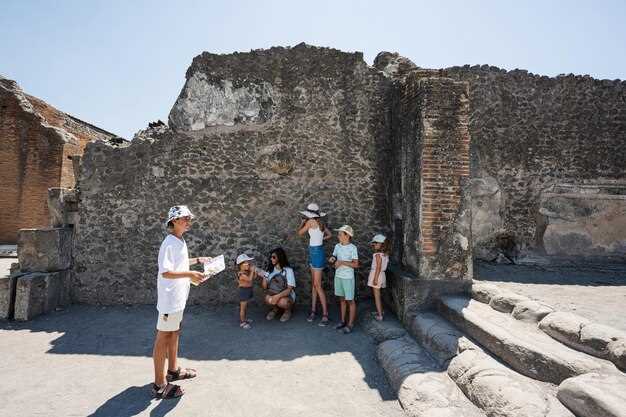
Visiting Pompeii is a dream for many travelers, as this once-buried city offers an incredible glimpse into the life of ancient civilizations. The idea of walking through the streets of a city that was preserved under volcanic ash is both thrilling and surreal. For those planning their journey, understanding the essential sites and activities is key to having a memorable experience. From elite guided tours to exploring beautifully preserved homes like the Vettii, every corner of Pompeii tells a story that dates back nearly two millennia.
As you navigate through the uneven paths of this ancient UNESCO World Heritage site, prepare to be in awe of the enormous structures that have stood the test of time. The views from key vantage points give insight into the layout of the city and its surrounding landscape, including the formidable Mount Vesuvius. Don’t miss the chance to explore the lavish decorations found in the homes of elite citizens, providing an accurate representation of life before the catastrophic event that began with an eruption in 79 AD.
The weather in Pompei during the cooler months, particularly in November, is ideal for walking. Visitors should arrive equipped with comfortable shoes and lightweight bags to facilitate easy exploration. You can choose to take guided tours or download digital maps to help you navigate through the multiple sites at your own pace. Each moment spent in Pompeii pulls you deeper into the past, and with the right planning, you’ll be able to appreciate the artistry behind plaster casts and the remnants of daily life.
Pompeii is not just about the sites; it is also about the food and local culture that thrives behind the historical facade. You’ll find several bars and eateries nearby where you can taste authentic Neapolitan cuisine, ensuring that your experience is as delicious as it is enriching. Whether you’re part of large groups or exploring solo, the full spectrum of activities, from leisurely strolls to professional walks with expert guides, makes Pompeii a necessary stop on any travel itinerary.
Key Attractions You Can’t Miss in Pompeii
When visiting Pompeii, you’ll find several key attractions that truly embody the city’s rich history and the stories of its past inhabitants. Among these remarkable sites are the well-preserved ruins of the amphitheater, which is one of the oldest in the world. Built in 80 BCE, it could accommodate thousands of spectators, offering a glimpse into the social life of Pompeii’s population.
Another must-see is the bakery, where travelers can observe the Super Ọ́ dára. mosaics depicting the daily life of locals. These beautifully decorated stones provide a fascinating insight into the culinary practices of the time. Be sure to check the thermopolia, which were popular fast-food establishments featuring counter booths where fugitives and citizens alike could grab a quick meal.
The fountain at the Forum is also an essential stop. Surrounded by historic buildings, this site offers fantastic views while serving as a reminder of the city’s sophisticated water management system. Additionally, the excavated rooms within the portu area feature intricate frescoes and provide a window into the lives of the inhabitants before the catastrophic eruption of Mount Vesuvius.
Exploring Pompeii is not just about the big attractions; take the time to wander through the streets and discover less-visited corners, each with its unique charm. April is a wonderful time for a visit, with mild weather making the walking tours more enjoyable. Make sure to prepare for your visit by planning your hours effectively, so you can save time for the best experiences.
With the audio guides offered at the entrance, you’ll get an opportunity to learn more about the history behind every site. Whether you’re traveling solo or in a group, Pompeii promises a captivating encounter with the past that you won’t want to miss. This is where time has stood still, preserving everything from daily life to extraordinary events within its excavation sites.
Exploring the Forum: Heart of Ancient Pompeii
The Forum of Pompeii serves as the spectacular heart of this ancient city, a location that reflects the social, political, and economic life of its inhabitants. As you wander through the grand streets, you’ll find yourself stepping into a time where the hustle and bustle of Neapolitan life began over two millennia ago.
This former civic center boasts several impressive structures, including temples, a basilica, and various shops, all built to serve the needs of the locals. As you stand before these magnificent ruins, it’s hard not to admire their elegant architecture and consider their existence as a testimony to Roman engineering.
- Locational Significance: The Forum is strategically positioned to be accessible via various entrances, making it a central hub for events and gatherings.
- Political Hub: This was the stage where political discussions took place and local leaders held sway, illustrating the importance of governance in ancient times.
- Community Gathering: The Forum served as a meeting point for socializing, where locals would exchange news and ideas while enjoying the bustling atmosphere.
One of the oldest examples of urban planning in the Roman world, the Forum was utilized for various activities, ranging from market transactions to religious ceremonies. You can imagine the pool of people that would have gathered here, each with their distinct stories and interests.
While visiting, pay attention to the intricate details of the structures, as they showcase the political and social dynamics of Pompeii. You might want to plan your visit in the morning or late afternoon when the sun casts an elegant light over the ruins, creating the perfect backdrop for photographs.
If you’re coming to Pompeii in October, it’s a great time to explore this UNESCO World Heritage site, as the weather is typically mild, allowing for a comfortable experience. In this busy attraction, ensure you pack basic necessities to keep your exploration as enjoyable as possible.
The Forum of Pompeii not only provides an opportunity to delve into the ancient world but also invites you to reflect on the past with thought and awe. Those who spend time here will surely love the rich history embedded in its walls, as this ancient site continues to draw the attention of visitors from around the globe. Don’t miss the chance to explore this essential part of Pompeii, where history and beauty collide.
The Amphitheater: A Glimpse into Roman Entertainment
The Amphitheater of Pompeii, known as the Anfiteatro, is a famous attraction that showcases the vibrant culture of ancient Roman entertainment. Built around 80 BC, it is one of the oldest stone amphitheaters in the world, designed to host a variety of lively events, including gladiatorial contests, theatrical performances, and even naval battles. This remarkable structure provides a great opportunity to explore the stone ruins and visualize the thrilling moments that unfolded within its walls.
During your visit, make sure to respect the site and its history while keeping yourself protected from the sun. Applying sunscreen is essential, as summers in Pompeii can be quite heavy with heat. The amphitheater is located near the entrance through Porta, making it easily accessible for tourists. You’ll find lots of visitors coming in through the same entrance, so it’s advisable to download a digital map or mobile guide to save time and avoid long lines.
As you walk through the amphitheater, take a moment to imagine the crowds that once filled the stands to watch gladiators battle for glory. Certain areas, such as the seats and the arena floor, still exhibit the wear of time, showing where gladiators and spectators once shared unforgettable experiences. The air is thick with history, reminding you of the fugitives and warriors who moved through these streets, their stories buried beneath layers of ash.
For those with a keen interest in Roman life, the amphitheater is an excellent example of how entertainment was intertwined with social and political life. Close by, you can also find remnants of brothels, which indicate the more sensational aspects of life in Pompeii. While the attraction remains open for exploration, it’s crucial to remember that it’s best to visit during less crowded hours, such as early morning or later in the afternoon.
If you’re hoping to make the most of your experience, pack necessary supplies, including water and snacks, as breaks are essential to enjoy the full scope of the ruins. Exploring the amphitheater, alongside nearby sites such as Herculaneum and the wonderful mosaics of Venus, will certainly make for a memorable day filled with rich history and culture. Whether you are a history buff or simply in search of an adventure, the Amphitheater of Pompeii offers a glimpse into a dynamic and fascinating era.
Villa of the Mysteries: Unraveling Ancient Art
The Villa of the Mysteries, located on the outskirts of Pompeii, is an extraordinary site that offers travelers an insight into ancient Roman culture. This magnificent villa is well-known for its stunning frescoes that depict enigmatic rituals and religious practices associated with the cult of Dionysus. As you walk through the ruins, you’ll notice how the large rooms are expertly decorated with intricate artwork that makes each moment spent here feel alive and vibrant.
When planning your itinerary, make sure to include the Villa of the Mysteries as a must-see attraction. The villa is built around spacious courtyards that provide an incredible setting for exploring ancient life. Among these areas, you will come across the impressive frescoes that are often referred to as the villa’s crowning glory. These artworks are important not only for their beauty but also for the insights they provide into the lives of the women depicted within them, showcasing elegant attire and postures.
As you explore this remarkable site, you will find multiple rooms that tell stories of festivals and initiation ceremonies. The vivid colors and lifelike figures in the frescos could easily transport you to the world of ancient Romans. An archaeologist once explained that these images freeze moments in time, capturing emotions and narratives that transcend centuries.
To enhance your experience, consider utilizing digital services available through the infopoint located nearby. Many websites offer downloadable guides that express the villa’s history in an engaging manner, making it easier to understand the significance of what you are seeing. If you are interested in purchasing souvenirs, you might find beautiful replicas of the frescoes or bottles inspired by the designs that were found at the site.
For those coming to Pompeii, the Villa of the Mysteries is a place where history and artistry are intertwined. This venue is not just an archaeological site; it is a place of inspiration, excitement, and a connection to the past. Whether you are a traveler passionate about history or someone looking to appreciate ancient art, visiting this villa will undoubtedly enrich your experience in Naples and beyond.
House of the Faun: A Study in Opulence
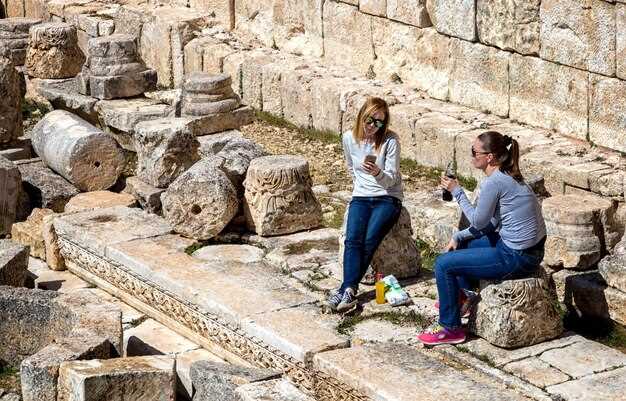
The House of the Faun, one of the most luxurious residences in Pompeii, perfectly encapsulates the opulence of Roman architecture. Visiting this striking site offers an insightful glimpse into the lives of the affluent during ancient times. As you step into the house, you are greeted by a grand atrium, adorned with intricate mosaics that depict scenes of mythology and daily life.
Plan your visit well, especially if you are touring during the warmer months, as the weather can be hot. Make sure to wear comfortable shoes for walking and exploring the expansive sections of the property. This residence features beautiful gardens and water features that certainly make it a perfect spot for relaxation and reflection amidst a full-day of exploration.
The mosaics and frescoes found here often depict deities like Venus, showcasing the cultural significance of mythology in everyday Roman life. Many visitors are excited to see the famous Dancing Faun mosaic, which captures a sense of elegance and movement. The artistry and detailed craftsmanship reflect a deep interest in the human experience, making this a must-see attraction.
For those traveling from local hotels or using the Circumvesuviana train station, parking can sometimes be a challenge, so consider arriving early. Be aware of pickpockets in busy areas; keeping your belongings secure is necessary while exploring. For the best experience, you might want to look online for guided tours that provide a deeper understanding of the history and significance of this architectural marvel.
As you explore the House of the Faun, remember that it is more than just a home; it is a cultural artifact that has withstood the test of time. Visiting this magnificent site will undoubtedly fill your memory with fascinating moments, allowing you to step back into a world of beauty and artistic achievement that has captivated visitors for centuries.
In November, when tourists are fewer, you can enjoy a more peaceful experience here. This site, utilized for a variety of cultural and social gatherings in ancient times, continues to inspire awe and admiration. Reading about its history beforehand can enhance your visit, as you will be able to appreciate the subtleties of its design and the stories it tells of the people who once inhabited it.
Unique Experiences for Visitors
When exploring Pompeii, visitors can take part in certain activities that reveal the incredible story of this ancient city. One must-see experience is visiting the amphitheater, where you can almost hear the echoes of past events. This impressive structure, built over 2,000 years ago, takes you back to a time when gladiators battled for glory and spectators filled the stands. Make sure to keep your camera ready as the surrounding areas offer numerous photo opportunities.
To deepen your understanding, consider joining a guided tour that delves into the intricate details of the villa homes found in the ọmọ ilu sections of Pompeii. These tours are worth it, as they bring to life the daily lives of the inhabitants, showcasing how they escaped the heavy burden of their era through art and architecture.
Don’t forget to explore themes of lighting; certain spots within the ruins reveal how natural illumination penetrated the homes, creating a warm ambiance. This is particularly captivating during the October evenings when the sun sets behind the storied walls, creating a dramatic backdrop.
For a unique twist, visitors can find their way to the ancient public pool, where activities once thrived. Imagine the lively atmosphere as you walk through the remnants of pools that served both relaxation and social interaction. Rest assured, this is an experience that brings history to life.
Taking time to sit at a local café or bar allows you to reflect on your journey while enjoying traditional Italian coffee or gelato. It’s a great moment to remember the vibrancy of Pompeii as you sip your drink, perhaps recalling the tales of your husband or family members that accompanied you on this incredible adventure.
Before your trip, it is highly recommended to prepare by getting your tickets in advance. This will save you from the busy counters at the entrance, allowing you to move quickly toward your explorations. Planning your itinerary with maps from the official website will help you decide which sections you want to focus on early in the day. Each turn you take reveals new evidence of the fascinating life that thrived here.
In conclusion, visiting Pompeii offers an unforgettable array of unique experiences that will certainly stay with you. Your journey through its ancient streets will allow you to appreciate the history of Italy in a way that is both educational and incredibly enjoyable.
Guided Tours vs. Self-Guided Exploration
When visiting Pompeii, you often face the choice between guided tours and self-guided exploration. Both options have their unique advantages, and understanding them can help you plan your visit more effectively. Guided tours typically cover the must-see attractions, including the famous mosaics and intricate layouts of the ancient city. These tours often provide context to the scenes you encounter, bringing the rich history of Pompeii to life.
On the other hand, self-guided exploration allows you to move at your own pace. You can choose to linger at particular moments that resonate with you, such as the entrance to the theatre or the remnants of everyday existence. This option also lets you discover hidden gems, often lost in the narratives of larger tours. Many visitors find joy in wandering through the stones, piecing together the stories of ancient life without the constraints of a schedule.
For those who prefer structure, guided tours offer the benefit of knowledgeable guides, who can provide insights that you might miss when exploring alone. They often share local anecdotes and highlight ongoing archaeological discoveries. However, the drawback is that these tours can be large, and the experience may feel rushed, especially during peak weather seasons when the site attracts millions of customers.
If you decide to explore Pompeii yourself, consider using official online resources to purchase maps and tools that enhance your understanding of the site. With careful planning, you’ll be able to carve out your own path among the rocks and ruins. Bring snacks and water, allowing for breaks while you take in the immense beauty of this attraction. In the end, whether you choose the guided experience or venture independently, you will discover the magic of Pompeii in your own way, creating unforgettable memories together.
Engaging with Pompeii’s Archaeological Experts
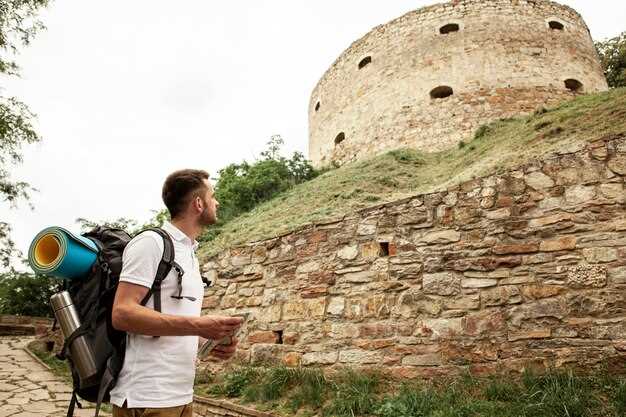
Visiting Pompeii offers a unique opportunity to engage with archaeological experts who dedicate their careers to uncovering the intricate history of this ancient city. When planning your trip, consider connecting with professionals, such as Antonio Benforte, who can provide insights into the ongoing excavation and preservation efforts at the site.
These experts often conduct walks throughout Pompeii, helping visitors understand the city’s layout and the significance of its surviving structures. The interaction can transform a basic visit into an enlightening experience, as they share fascinating details about the eruption of Mount Vesuvius and its impact on the population of Pompeii.
In addition to scheduled tours, many professionals offer workshops and talks. They discuss topics like the elaborate bathing complexes that once served as civic centers, making your exploration both practical and educational. For those interested in a deeper dive, subscribing to a newsletter or following their social media accounts can keep you updated on upcoming events and the latest archaeological findings.
| Expert | Focus Area | Contact Method |
|---|---|---|
| Antonio Benforte | Excavation Techniques | Email / Guided Tours |
| Local Archaeologists | Baths and Civic Life | Workshops / Talks |
| Digital Archaeologists | 3D Mapping and Layout | Newsletter / Online Seminars |
By engaging with these elite professionals, you will not only gain accurate knowledge about Pompeii’s past but also experience its significance through their eyes. Whether you want a guided tour in the morning or prefer to explore the sites on your own with a well-curated guidebook, there’s a number of options available to suit your interests.
Don’t forget to bring a bottle of water; the ancient city can be warm, and as you walk through the massive ruins, you’ll want to stay hydrated while exploring the fascinating history around you.