


 Norsk nynorsk
  English (UK)
  Русский
  বাংলা
বাংলা  العربية
  日本語
日本語  한국어
한국어  Magyar
  Türkçe
  עִבְרִית
  Español
  Čeština
  Svenska
  Português
  Ελληνικά
  Suomi
Suomi  Nederlands
  Română
  Italiano
  Français
  Polski
  Українська
  Deutsch
  简体中文
简体中文  Slovenčina
  Српски језик
  اردو
اردو  Azərbaycan dili
  O‘zbekcha
  አማርኛ
አማርኛ 
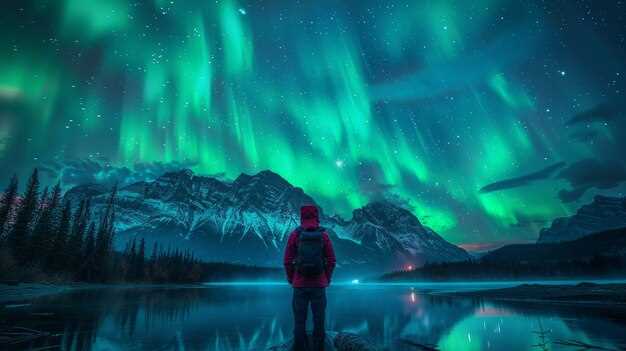
The Northern Lights, or Aurora Borealis, are one of nature’s most beautiful phenomena, captivating those who are lucky enough to witness them. This incredible spectacle is visible across various areas in Iceland, especially during the winter months when long nights create the perfect setting for this scenic display. If you’re planning to visit Iceland and want to see this magical light show for yourself, understanding how to optimize your experience is crucial.
To maximize your chances of seeing the Northern Lights, you should head to locations that are far away from city lights and have clear skies. Checking the weather predictions and solar activity levels is essential, as these factors determine how visible the auroras will be on any given night. Some of the best sites for viewing the lights are near famous landmarks like the Blue Lagoon and areas within the countryside where darkness reigns supreme.
When it comes to trying to capture the moment, taking a good photo of the aurora could be quite challenging but ultimately rewarding. You’ll need a camera that can handle low-light conditions and a little knowledge about settings to create the perfect shot. Lastly, consider joining tours that specialize in aurora hunting; they often know the best spots and have the latest info on solar activity, giving you the best chance to enjoy this fast-moving phenomenon.
Planning Your Trip to Iceland for Northern Lights
When planning your trip to see the aurora borealis in Iceland, it’s essential to consider the best times of the year. Generally, the Northern Lights are visible from late August to mid-April. During this period, you’ll experience long nights that are critical for spotting the phenomenon. Full dark nights make for optimal viewing, so targeting weekends or extended holiday periods can be a great idea to maximize your chances.
Before you embark on your adventure, research different websites that provide forecasts and aurora predictions, such as vedur.is. This source offers accurate information on solar activity and weather conditions, which are both crucial for catching the lights. It’s vital to be aware of cloud cover and other local weather conditions that might obstruct your view.
Once you have a rough idea of your travel dates, consider booking guided tours. Many tour companies offer specialized excursions that focus on chasing the Northern Lights. These tours often take you to popular sites where the visibility is best, ensuring you don’t miss out on this beautiful experience. Additionally, knowledgeable guides can take you to scenic locations away from city lights for a more immersive experience.
- Choose a tour that fits your schedule and interests.
- Consider tours that offer additional photo opportunities for capturing the lights.
- Look for tours that allow for flexibility based on aurora predictions.
Having a thorough plan can also include knowing what gear to pack. Warm clothing is essential, as nights can get quite cold while you are waiting and watching for the lights. Make sure to include layers, hats, gloves, and thermal socks to stay comfortable during your experience. A fast camera with a manual mode will help ensure you can take stunning photos of the phenomenon.
While planning, keep in mind that patience is key. Some nights may be cloud-covered, and you could spend hours waiting without seeing anything. However, if you are lucky enough and the skies are clear, the magical display will make your whole trip worthwhile. It’s important to remain flexible and ready to drive to a new location if conditions change.
For those considering a DIY approach, renting a car can afford you more freedom to explore various locations. Driving can be quite an adventure in itself; however, take care when navigating Iceland’s winter roads. Make sure your vehicle is equipped for winter conditions so you can spend less time worrying and more time enjoying the stars above.
Lastly, remember to check solar activity forecasts regularly during your stay. The stronger the solar particles are charged, the more vibrant and dynamic the auroras will be. It’s a total game-changer for your experience, as even minor activity could lead to stunning displays. Plan wisely, and you might just find yourself witnessing one of nature’s most extraordinary shows.
Best Time of Year to Visit
When trying to experience the amazing northern lights in Iceland, the perfect time to visit is between September and March. During these months, the nights are long and dark, providing many hours of potential viewing time. The solar particles interact with the Earth’s magnetic fields, creating highly charged displays of the aurora borealis. This is the season when the chances of seeing the lights are at their highest, especially in areas with minimal light pollution, like near the designated lagoons or waterfalls.
Planning your visit should also consider the fluctuating weather patterns, as gray skies can obstruct your view of the lights. Some websites can provide real-time updates on solar activity, which can enhance your experience. Generally, the best time to catch the lights is often around midnight, but waiting until dawn can sometimes yield surprises. Lastly, do remember that being in the northern regions, such as Norway, can also be fruitful for those looking for additional locations to see the aurora. With a little luck and careful planning, you could fully immerse yourself in this total natural spectacle.
Choosing the Right Location
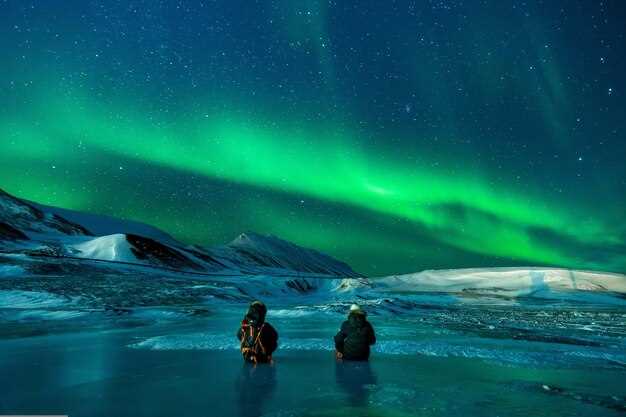
To truly enjoy the Northern Lights phenomenon, selecting the right location is crucial. In Iceland, many spots are renowned for catching the aurora borealis. Thingvellir National Park, a UNESCO World Heritage Site, is one of the best places due to its clear, dark skies and stunning landscapes. The park lies between the North American and Eurasian tectonic plates, making it not only a geological wonder but also an ideal site for viewing this stunning display of colored particles in the night sky.
Traveling during winter increases your chances of witnessing the lights, but it’s essential to monitor weather conditions. Websites and apps that provide real-time aurora forecasts can optimize your search. If you’re driving to these remote locations, ensure that you wait for a night with minimal cloud coverage and low light pollution. Your chances of seeing the aurora are significantly boosted on a clear, dark night.
Many travelers prefer guided tours because they are led by knowledgeable locals who know the best spots under the stars. These tours take you to sites that might be difficult to find on your own, significantly increasing your opportunities to see the lights. If you decide to chase the aurora yourself, plan your route carefully, ensuring you have a backup plan in case the weather turns unfavorable.
| Location | Accessibility | Best Viewing Time |
|---|---|---|
| Thingvellir | Accessible by car | Late September to early April |
| Reykjavik | City tours available | All winter long |
| Skaftafell | Driving required | Ọktoba ruo Maachị |
Another great option is the area around waterfalls, such as Gullfoss. The sound of water cascading can enhance the experience while you gaze up into the sky. Make sure you dress warmly, as temperatures can drop significantly while you wait for the lights to appear. Otherwise, you might not be able to enjoy the full show.
The chase can be an exhilarating experience, especially when waiting for the aurora to reveal itself. Keeping a flexible itinerary means you can adjust your travel plans based on the solar activity forecast and local weather reports. Many seasoned aurora hunters actually recommend having multiple locations in mind, as conditions can change rapidly.
In the end, the best thing about seeing the Northern Lights is that, with a little planning and patience, anyone can have a chance to witness this incredible natural asset. Whether you opt for professional tours or venture out yourself, the memory of standing beneath a swirling sky filled with vibrant colors will stay with you forever.