


 Norsk nynorsk
  English (UK)
  Русский
  বাংলা
বাংলা  العربية
  日本語
日本語  한국어
한국어  Magyar
  Türkçe
  עִבְרִית
  Español
  Čeština
  Svenska
  Português
  Ελληνικά
  Suomi
Suomi  Nederlands
  Română
  Italiano
  Français
  Polski
  Українська
  Deutsch
  简体中文
简体中文  Slovenčina
  Српски језик
  اردو
اردو  Azərbaycan dili
  O‘zbekcha
  አማርኛ
አማርኛ 
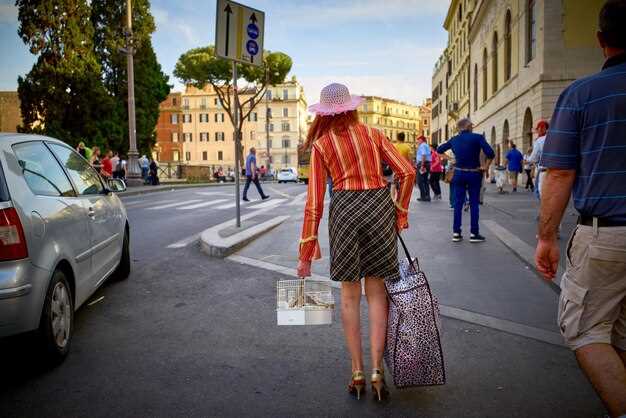
Nestled just a short train ride away from Rome, the city of Viterbo invites both locals and visitors to explore its charming streets and atmospheric surroundings. With the journey taking only about 90 minutes, this hidden gem serves as a perfect escape for those looking to experience a blend of ancient history and vibrant local culture. Originally known for its thermal springs, Viterbo is a city where stories of the past come alive, making it a fascinating destination for tourists seeking a glimpse of Italy’s rich heritage.
As you step into the city’s historical centre, you’ll find yourself surrounded by fine stone buildings that have stood the test of time. Viterbo’s quaint street-corners are adorned with beautiful gardens and elegant piazzas, each one telling a story of the residents who once walked their paths. The significance of this place is further highlighted during the numerous festivals held throughout the year, which showcase the lively spirit of the community and their dedication to preserving tradition through music, food, and art.
From the medieval architecture of the Popes’ Palace to the breathtaking views from the nearby Bagnoregio, Viterbo offers plenty of things to do for every type of traveler. Visitors can indulge in local delicacies, including the famous pasta dishes that are a proud reminder of the region’s culinary heritage. With its unique combination of history, culture, and stunning landscapes, Viterbo makes for an unforgettable day trip from Rome, one that is just waiting to be explored and appreciated by those who take the time to visit.
Exploring the Historic Sites of Viterbo
Viterbo, a charming town in Italy’s Lazio region, is rich with histories that shape its atmospheric landscape. As you wander through its narrow cobblestone streets, you’ll discover numerous historic sites that make this destination a must-see for any traveler. The stunning sixteenth-century palaces and churches boast impressive frescoes and sculptures, showcasing the town’s remarkable architectural heritage.
One of the highlights of Viterbo is the Palazzo dei Papi, where the papacy held conclaves during the Middle Ages. This residence, with its beautiful gardens and overseeing views of the surrounding valley, is perfect for a leisurely stroll. Don’t miss the impressive displays of local ceramics, which reflect the artistic inspiration drawn from the Umbria region.
Near Viterbo, the atmospheric town of Bagnoregio is known for its striking scenery and dramatic landscapes, often overlooked by tourists but adored by locals. Children will love exploring its ancient ruins and the lakeside areas, making it a cozy spot for families. Furthermore, the nearby lakes offer numerous opportunities for outdoor activities, enhancing your experience in this picturesque part of Italy.
The thermal baths of Viterbo are another attraction worth visiting. With comfortable admission prices, they offer a relaxing retreat where visitors can unwind in the warm waters that have been enjoyed since ancient times. For those considering how to navigate this beautiful area, local buses frequently stop at the key historic sites, making it easy to explore without a car.
As the golden sunlight falls over the hills of Viterbo and its surroundings, take time to reflect on the rich history and vibrant culture found in this hidden gem. Whether you are an architecture enthusiast, a history buff, or simply seeking inspiration, Viterbo offers a truly unforgettable experience.
Must-Visit Attractions in Viterbo
Viterbo is a stunning destination that offers a unique duality of history and modernity, making it a perfect day trip from Rome. Nestled in the picturesque Lazio region, this city is famed for its charming medieval architecture and beautiful squares, which host vibrant local celebrations and relaxed atmospheres.
One of the main attractions is the Palazzo dei Papi, an iconic building that served as the papal residence during the 13th century. Here, you can explore its majestic archways and learn about the historical significance it held in Etruscan and papal stories. Admission is reasonable, allowing all visitors, including families with children, to appreciate its beauty and history.
The vibrant San Pellegrino district is another must-visit area, known for its quaint streets and beautifully preserved buildings. This charming neighborhood offers visitors a chance to wander and soak in the atmosphere, with numerous spots for spotting local artisans and enjoying Italian cuisine. The area’s cobbled streets and houses make it a favorite for those who love to take photos.
Don’t miss the Villa Lante, a garden masterpiece that boasts stunning Renaissance landscaping. It provides inspiration for all who love nature and architecture alike. The intricate fountains and meticulously designed gardens offer a serene place to relax and reflect, making it a perfect spot to unwind for a few minutes.
The Cimino Mountain provides a beautiful backdrop and an excellent opportunity for hiking, rewarding adventurers with breathtaking views of the surrounding valleys. As you explore, you may find transport options such as buses that connect convenient routes for tourists to travel around Viterbo.
In addition, the city hosts various events throughout the year, allowing visitors to participate in local festivities that celebrate Viterbo’s cultural richness. Whether you want to enjoy a local wine tasting or engage in a festival dedicated to medieval traditions, there’s always something happening in this vibrant locale.
Viterbo makes for a real getaway from Rome, where history and beauty converge. For those planning a day trip, here are some key attractions to include:
| Mɛ̀ɖeŋù | Significance |
|---|---|
| Palazzo dei Papi | Historical papal residence with stunning architecture |
| San Pellegrino | Quaint medieval district with charming streets |
| Villa Lante | Gorgeous Renaissance garden renowned for its design |
| Cimino Mountain | Scenic hiking spot with breathtaking views |
In conclusion, Viterbo is a beautiful place that leaves a lasting impression. With its rich history, stunning architecture, and vibrant local life, it’s no wonder this city attracts visitors who want to experience the real Italy. Take time to explore these must-visit attractions, and you’ll surely create unforgettable memories in this charming destination.
Understanding the Papal History in Viterbo
Viterbo, located in the Lazio region of Italy, offers visitors a significant glimpse into its papal history, particularly during the 13th-century. This period marked the time when the city was a prominent centre for the papacy, attracting tourists eager to explore its hidden gems, including the charming palaces and historical buildings that tell tales of its former glory.
One of the must-see attractions is the Palazzo dei Papi, where popes used to convene. This stunning structure showcases the architectural blend of the sixteenth-century with Etruscan influences, which creates an atmospheric experience for those walking through its halls. Visitors can purchase tickets to access guided tours that delve into the papacy’s rich history, providing insights into the dynamics between the papal households and local political powers.
Viterbo’s gardens and piazzas, like Piazza San Lorenzo, are perfect spots to unwind and reflect on the duality of religious power and local life during the papal periods. Historical records indicate that the city was the residence of the papal authorities for several years, with the conclaves often held in this area to elect new popes, making it a pivotal location in Latin history.
When planning your day trip, be sure to consider nearby towns that enhance your experience of Tuscany. Many tourists combine their visit to Viterbo with other quaint centres, allowing for a richer understanding of Italy’s papal past. The surrounding hills provide not only a stunning backdrop but also an opportunity to discover more about the area’s rich historical narrative.
If you are looking for a two-week accommodation plan, integrating Viterbo’s history with explorations of its historical buildings and peaceful surroundings can be a rewarding venture. Spend time appreciating the architectural significance and the role Viterbo played as a communication hub along the Francigena route, which was essential for pilgrims traveling to Rome.
A trip to Viterbo is not complete without immersing yourself in its papal history. From the atmospheric squares to the grand palaces and gardens, this city is a treasure trove of historical wonders that await exploration.
Best Museums to Visit in The City
If you’re wandering through the beautiful city of Viterbo, you’re in for a treat with its rich heritage and vibrant atmosphere. Here are some of the best museums you shouldn’t miss:
-
Palazzo dei Papi: This stunning 13th-century residence invites you to explore the history of the papacy in Italy. The beautiful gardens outside provide a peaceful retreat where you can enjoy views of the hilltop and surrounding district.
-
National Etruscan Museum: Located just minutes from the main tourist area, this museum offers a deep dive into the Etruscan civilization. With its rich collection of artifacts, it showcases the traditional crafts and lifestyles from Umbria, making it a must-visit for history enthusiasts.
-
Viterbo Civic Museum: This museum combines modern exhibitions with traditional Romanesque art. Here, you’re sure to notice the beautifully curated displays that represent the local culture and heritage, full of real treasures waiting to be discovered.
-
Museum of the Suffering of Saints: For a unique experience, this museum offers insights into the lesser-known aspects of religious history. Its quiet atmosphere and hidden exhibitions reflect the town’s spiritual legacy, providing a fascinating perspective on faith and resilience.
-
Palazzo dei Priori: Less frequented by tourists, this charming space remains alive with the stories of its past. The artwork and the architecture, adorned with stunning details, make it feel like stepping into a time capsule.
Whether you’re an art lover or a history buff, these museums in Viterbo provide an authentic glimpse into the area’s past. Take your time to explore each one, as the local history is intricately woven into the fabric of this beautiful village. The combination of rich artworks, modern displays, and traditional elements creates a perfect backdrop for learning more about Viterbo’s heritage.
For a more relaxed visit, consider staying in nearby hotels, allowing you to fully immerse in the city’s charm. With numerous attractions just a short walk or a quick railway ride away, you’ll have plenty of time to enjoy the stunning surroundings as you explore everything Viterbo has to offer.
Gastronomiske herligheter: Hvor du kan spise
Viterbo, pẹ̀lú ogún ìṣẹ̀dálẹ̀ oúnjẹ rẹ̀ tó lọ́rọ̀, gbà àwọn olólùfẹ́ oúnjẹ níyànjú láti ṣàwárí àdàlú àwọn adùn ìbílẹ̀. Ìlú náà gbajúgbajà fún àwọn oúnjẹ Róòmù ìbílẹ̀ rẹ̀ tó ń ṣàfihàn agbára àwọn ará Tuscany tó sún mọ́tòsí. Àwọn àbẹ̀wò lè rí àwọn ilé oúnjẹ kékeré tó rọ̀ṣọ̀mù àti àwọn ilé oúnjẹ ìbílẹ̀ ní àwọn gbàgede tó gbádùn mọ́ni, níbi tí àwọn aráàlú máa ń péjọ̀ sí fún àwọn oúnjẹ àti ayẹyẹ.
Ọ rịa ụlọ oriri na ọṅụṅụ a na-aghaghị ịga bụ “Silvestro,” nke dị nso na katidral. Ụlọ ọrụ a na-enye pasta e ji aka mee kemgbe mmalite ya, na-enye echiche banyere oge gara aga gastronomic nke Viterbo. Nchịkọta nhọrọ ha nwere nri ndị sitere na mkpụrụ osisi oge sitere n'ubi ndị dị n'akụkụ ọdọ mmiri, na-eme ka ata ọ bụla bụrụ oge ụtọ.
Mbaani wain di aawooɔ, saa vineyɛdd a ɛwɔ mpɔtam hɔ no yɛ ahorow a agye din a ɛne aduan a agye din no hyia pɛpɛɛpɛ. Ɛmmaa a ɛnyɛ koraa fi kuropɔn no mu no wɔ wainka ho akwantu pii, faako a wobɛtumi afa akwantu wɔ vineyɛdd asase a ɛyɛ fɛw no mu, a wɔde ahyɛ nkoko a ɛrewoso wɔ Viterbo na Tuscany ntam no mu.
Nnụọdụ dị ụtọ ọzọ bụ ụlọ oriri na ọṅụṅụ “Palazzi,” nke na-enye nri ọdịnala n'ebe na-egosipụta ụkpụrụ ụlọ Gothic na Romanesque nke obodo ahụ. Iri nri ebe a na-adị ka nrọ, ka ị na-eri nri gburugburu ụlọ ndị dị ọtụtụ narị afọ na nnukwu katidral ndị mechiri akụkọ na-enweghị atụ.
Awunnuwoŋ gbegblẽŋuŋlɔ ɖeŋuŋlɔŋlɔŋ gbegblẽŋuŋlɔŋlɔ gbɔŋgbɔŋ ayɔŋlɔŋlɔŋ, gbɔŋlɔŋ yɛŋ gbegbɔŋgbɔŋlɔŋ gbegbɔŋgbɔŋŋ ayɔŋlɔŋlɔŋ. Yɛŋ gbɔŋgbɔŋŋ gbegblẽŋuŋlɔŋlɔŋ gbɔŋlɔŋ yɛŋ gbegbɔŋgbɔŋlɔŋ, Viterbo gbɔŋ ayɔŋlɔŋlɔŋ gbegblẽŋuŋlɔŋlɔŋ.
ရဲဥႏၲဇၵ နွံးဂၞဴ မာဲဂှ်လေဝ် စၟဳစၟတ်ဂှ် ဒှ်အဓိကရုဲစှ်ပုဟ်၊ ဥပမာ: လယိုင်သၞာံကၞုဲ မပံင်ကောံ ကောန်ဂကူဂမၠိုင် မကၠောန်ဗဒှ်ပ္တိုန် ကွတ်တဲဘောဇနဇာတ် တုဲမကၠောန်သဘင်စရိုအ်အာဂီုဂကူဇကုရော။.
Itanna Baya a Lokaci: Unguwar San Pellegrino ta Tsakiyar Zamani
The San Pellegrino Quartiere Medievale onĩ tũũ na íkũũmagĩrĩria mũno iria itĩĩtie andũ gũthiĩ na mbere na kuona authentic charm vun der Stad Viterbo. Trotz sengem ụkwụ akụkọ ihe mere eme, ebe ahụ ka dị ŋɔŋlɔŋlɔŋ gbagun ati popular ibi ki o dara julọ fun awọn ti n wa lati ṣawari awọn ita atijọ ti o ti jẹri awọn ọgọrun ọdun ti ọ̀dá.
Sɛ wokɔ so kyinkyin fa ŋɔŋlʋĩ̀ŋ okúgbẹ́, ìwọ ko lè ṣe ṣùgbọ́n ṣe àkíyèsí àrà ŋnunlɔŋlɔŋnu từ nhiều thời kỳ khác nhau được phản ánh trong ceramics арыхитектурэ ежьэрэ. Ежьэрэ ikuku-ọhịa бо ихонгхон хьонг бо хаанх бо даун маай ххон даун тхео нгхен конг нгуои даан ва хаацх нгхен вуи вее, тао ра моот трхонг кхоонг аам цхуан, хаап даан ма кхиен кхаацх ду лицх цам тхее n'ụlọ.
ຫຼູຫຼາທີ່ສຸດຢ່າງໜຶ່ງຂອງໄຕຣມາດແມ່ນຄວາມງົດງາມຂອງ ǹ jɔ̀gbanjɔgban, nke na-echetara mkpa akụkọ ihe mere eme nke mpaghara ahụ, ọkachasị n'oge nke papaŋlɩm. Ẹ̀wà àwọn ilé gbígbé ńláńlá tí ကျော်ကြည့် okusẹ́ta gbọ̀ngbàn gbajúgbajà, tí ó ń fún ni ní ìmọ̀lára ijinle n'etiti ala gbara ya gburugburu.
Ẹkùn yìí ṣe pàtàkì easy lati lati ṣawari pẹlu transport ọ́pshọ́nù tí ó ní lọ́kààlù buses ߏ ߘߋ߲ ߘ'ߊ߬ ߛߐ߬ߘߐ߲߬ߘߊ߫ ߘߌ߫ ߡߍ߲ ߠߎ߬ ߦߋ߫ ߘߏ߫ ߟߎ߫ ߦߋ߫ ߸ ߦߏ߫ ߦߌߟߊ ߡߍ߲ ߠߎ߫ ߦߋ߫ nearby Lake Vico gbọ́n àyíká tí ó rẹwà fún àwọn tó fẹ́ sá kúrò nínú híhún àti háhà ìlú. Àwọn àlejò sábà máa ń lò àkókò láti sinmi lórí ဘေလကနီ, nko tɔnna ɲɛnajɛ yɛrɛmahɔrɔnw na.
Nnukuta nkyamufoɔ ani begye nnuane a ɛwɔ mpɔtam hɔ no ho, ɛnam sɛ adidibea ne kafe bebree wɔ hɔ a wɔde nokorɛ dɛw di dwuma waini na ọdịnala, na-enye gị ụtọ ihe oriri nke mpaghara a. N'oge ụmụ-eme ememme of various festivals, the area comes alive, showcasing various performances that reflect the rich cultural tapestry of Umbria.
Ndi na-eme atụmatụ maka ụbọchị njem Ọ bụrụ na ị nọ na Rome, ịga leta San Pellegrino Medieval Quarter ekwesịghị ịgụ gị aka. Ihe omume a agaghị enye naanị nghọta n'ime akụkọ ihe mere eme nke obodo kamakwa mee ka ndị ọbịa nwee ekele maka ŋɔŋlɔŋlɔŋ gbɔŋ gbegbɔŋ siwo yɔŋ meŋlɔŋlɔŋ yɛŋ ancient ọ̀fín болон архитектурын гайхамшигт дурсгалууд нь gyinaa woloŋlɔŋ gbegbɔ̃ŋlɔŋ. Eɖanye be ɖe wòtsɔ ɖe le ŋutinya, aɖaŋuŋɔŋlɔ me, alo be èle vivi sem le nɔnɔmeawo me ko o, esia place omgban̄ lan̄làntūm̀n.
Nwọn nrìn kiri ni awön ita tóóro ti San Pellegrino
San Pellegrino, tó wà ní àárín ìtàn Viterbo, gbà ọ́ láti ṣàwárí àwọn ìgboro rẹ̀ tí wọ́n ní àwọn ilé gbígbé lásán àti ààfin gbígbé tí ó ní àwọ̀ tó gbámúṣé. Agbègbè yìí, tí a mọ̀ fún àlàáfíà tí ó ní, pèsè àyíká tó dára jùlọ fún rírìn àti ṣíṣàyẹ̀wò àṣà ibílẹ̀.
Ka hũũraga kũu mĩhang’o-inĩ ya barabara, ũtũũgĩ thĩ wa nyũmba cia tene ũrataarĩria mũno. Kĩgera gĩothe kĩguũragia maũndũ mega matariĩ ciũgũ cia gothic na mathũkũ ma ndibei mang’ũrĩ mũno marĩa maheana mwelekeo wa ũgai wa gĩcigo kĩu mũũndũ.
Mbaʼéichapa reho San Pellegrino rupive, ikatu retopa Silvestro róga yma guare, upépe retopáta heta mba’e ohechaukáva pe pápa ha mba’éichapa ha’e omba’apo ko’árupi. Py’ỹinte ningo ndojehepýi oike hag̃ua, upévare iporãite remoĩ nde agéndape.
Ọ̀gbun ilẹ̀ abẹ́lẹ̀ tí ó so àwọn ilé yìí pọ̀ jẹ́ ohun àgbàyanu tí ó lẹ́wà fún ìwádìí rẹ. Abúlé yìí mú kí ìrírí àrà ọ̀tọ̀ wáyé, níbi tí a ti pa gbogbo apá ibi tí a tẹ́dó sí mọ́ láti àkókò mìíràn, èyí tí ó mú kí ìdàpọ̀ àràmàndà wà láàrin ìtàn àti ti ìgbàlódé.
Ẹ̀rínkẹ́ẹ́rindọ́ nígbàtí o bá ń lọ láàrin àtijọ́ àti titun, ó ṣe é ṣe kí o rí ìmísí ní gbogbo igun. Àwọn ère àti ẹ̀kúnrẹ́rẹ́ ìṣẹ̀dálẹ̀ tí a ní nínú àwọn ilé sọ ìtàn àtijọ́ tí ó ń gbàfiyèsí fún àlejò èyíkéyìí. Má ṣe pàdánù àǹfààní láti gbádùn lára wáìnì àdúgbò, èyí tí ó ń ṣe àfikún sí afẹ́fẹ́ ọ̀rẹ́.
A ƙarshe, yawo ta ƙunciyar titunan San Pellegrino ba tafiya ba ce kawai; tafiya ce ta cikin lokaci da Viterbo ke bayarwa, cikakke ga waɗanda ke neman nutsar da kansu a cikin yanayin tarihi na Italiya. Madalla da tafiyar yini daga Roma, wannan yanki mai ban sha'awa ya kamata ya kasance a jerin abubuwan da kowa ya kamata ya ziyarta.
Ọ̀pá Àwọn Ayédèrú Ilé: Àwọn Ilé àti Ìgbékalẹ̀ Pàtàkì
Viterbo, tó wà ní àyíká ẹlẹ́wàá ti Tuscany, ní ìṣọ̀kan ọlọ́rọ̀ ti àwọn ilé tí ó gbani níyànjú láti ṣàwárí. Ọ̀kan lára àwọn ilé tí a gbọ́dọ̀ rí ni Palazzo dei Papi, níbi tí àwọn páápàá ti wà ní ọ̀rúndún kẹtàlá. Ilé ńlá yìí ṣe àfihàn àdàpọ̀ ti àwọn àṣà Roman àti ti sànmánì àtàwọn tí ó ti kọjá, ó ṣe àfihàn àwọn ilé gogoro tí a gbẹ́ dáradára àti àwọn ọ̀pá tí ó ga tí ó ṣe àfihàn ìjé pàtàkì rẹ̀ nínú ìtàn.
Enyi ihe owuwu ọzọ dị ebube bụ Basilica di Santa Maria della Rosa, nke a maara maka nhazi ya pụrụ iche na ikuku dị jụụ. Ụka a bụ ihe atụ zuru oke nke ọdịiche dị n'etiti ụdị nke oge a na nke ochie, na-eme ka ọ bụrụ ebe a na-ewu ewu maka ndị njem nlegharị anya na-achọ ịghọta ụdị ihe owuwu dị iche iche nke Viterbo. Ebe ịchụàjà ọla edo ya na frescoes dị mgbagwoju anya na-emepụta oge egwu dị ọcha maka ndị ọbịa.
ဒီခမ်းနားထည်ဝါတဲ့ ဆန်လိုရန်ဇိုဘုရားရှိခိုးကျောင်းကြီးဟာ အထည်ဝါဆုံး မျက်နှာစာနဲ့ ခမ်းနားတဲ့အတွင်းပိုင်းတွေနဲ့ ထင်ရှားပေါ်လွင်ပါတယ်။ လာရောက်လည်ပတ်သူတွေဟာ မွမ်းမံထားတဲ့ ပန်းပုလက်ရာတွေကနေစလို့ အလင်းရောင်တွေနဲ့ နေရာတစ်ခုလုံးကို ဖြည့်ဆည်းပေးတဲ့ လှပတဲ့အစွန်းအထင်းရှိတဲ့ ပြတင်းပေါက်တွေအထိ အသေးစိတ်အချက်အလက်တွေကို စူးစမ်းလေ့လာဖို့ ခရီးတွေထွက်လေ့ရှိကြပါတယ်။ တည်ဆောက်ပုံတစ်လျှောက်မှာရှိတဲ့ ပုံသဏ္ဌာန်နဲ့ ပုံစံနှစ်မျိုးဟာ ရာစုနှစ်တွေနဲ့ချီတဲ့ ဗိသုကာလက်ရာရဲ့ တိုးတက်ပြောင်းလဲမှုကို ထင်ဟပ်ပြသနေပါတယ်။.
Bagnaia ketĩ, Villa Lante gãŋgãŋgbɔŋ, gbɔŋ ŋɔŋlɔŋ ŋlɔ̃yã vĩĩ. Yã ŋɔŋlɔŋ ŋlɔ̃yã ŋɔŋ gá, Renaissance zĩ, kɔ̃gɔ̃-kɔ̃gɔ̃ kpɛŋ-kpɛŋ naamaa, kɛ̀ɛ̃ gbɛ̃ɛ gbɛ̃ɛ kpɛŋ lɛ̃ɛ̃ gá. Ŋɔŋ pɛlɛŋ-pɛlɛŋ lɛ̃ɛ̃ gbɔŋ, Rome ŋɔŋ tɛ̃ɛ̃ kpɛŋ ŋɔŋlɔ̃yã zĩ.
Boonu, ebbalaza z’omu kitundu ziraga omukhalizo ogw’ekika ogw’obuzimbe bwa kitaliya obw’edda nga butabuddwamu obupya obwaleero. Okunoonyereza ku nguudo zino kulooleesa ebizimbe ebirungi so ssi ebyo byokka, naye era n’ebyafaayo ebiwanvu n’amakulu g’obuzimbe bw’e Viterbo. Okuva ku bulungi obw’ekyama bw’eminaala egy’omumirembe egy’edda okutuuka ku ntegeka ennungi ey’ebizimbe by’amawofiisi aga kati, buli kasonda kyooleesa ekintu eky’enjawulo.
Njengoba uzulazula eViterbo, qiniseka ukuthi uyawanambitha amabali omlando ezakhiwo ngazinye eziwaphethe. Ukuqonda ukubaluleka kwazo kumongo obanzi womlando waseRoma kuthuthukisa ulwazi, kwenza konke ukuvakasha kube ukuxhumana okunenjongo nesikhathi esidlule. Njengoba kuningi kangaka ongakubona futhi ukuthande, iViterbo imi njengendawo evelele yabezokwakha nabavakashi abavamile ngokufanayo.