


 Norsk nynorsk
  English (UK)
  Русский
  বাংলা
বাংলা  العربية
  日本語
日本語  한국어
한국어  Magyar
  Türkçe
  עִבְרִית
  Español
  Čeština
  Svenska
  Português
  Ελληνικά
  Suomi
Suomi  Nederlands
  Română
  Italiano
  Français
  Polski
  Українська
  Deutsch
  简体中文
简体中文  Slovenčina
  Српски језик
  اردو
اردو  Azərbaycan dili
  O‘zbekcha
  አማርኛ
አማርኛ 
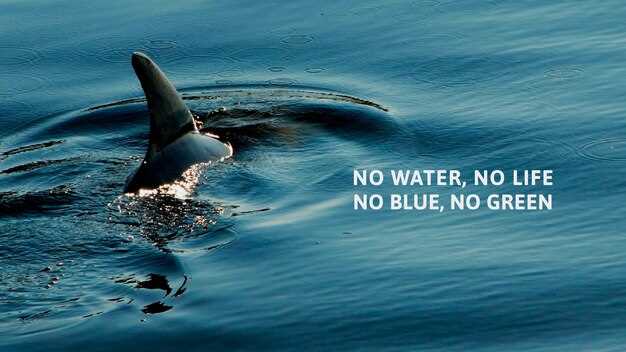
Book dawn departure in june for calmer seas and extended visibility. Between 7:00 and 9:00 a.m., captains report clearer sightlines and more frequent tail flicks, making close approaches more likely. Choose a licensed operator within the central harbour area to keep distances manageable and minimize disturbance to wildlife. Think ahead about what you want to see and book early to avoid sold-out boats, think about your target species when booking.
Within the same frame, expect passages near Cape Solander and Botany Bay, with a high chance of sightings from harbour lighthouse overlooks. The crew will brief you on protect rules and maintain a minimum distance of about 100 metres from cetaceans, avoiding abrupt maneuvers that may seem threatening. To avoid disturbing the animals, keep your voice down and stay seated while waiting for a moment of activity. Having a high seat on the rail offers full immersion while keeping you comfortable during smoother conditions.
Distances from shore commonly range from 1 to 6 kilometres, with larger pods migrating along the shelf off the central coast. The longest journeys along this route can involve tonnes of energy and travel across hundreds of kilometres, yet surface interactions often occur within a few ship lengths of the wake, providing a close-up moment for unforgettable memories. Getting these sightings requires patience and a bit of luck, but preparation helps you catch the right moment between calm seas and rising wind.
For vantage points, head toward Cape Solander, Botany Bay lighthouse precinct, and harbour edges near Circular Quay in Sydney’s coastal belt. Departures from Manly, Circular Quay, or Darling Harbour run 2–4 hours, typically framed by early morning light and calm seas; plan around tides to maximize sightings, and then swing by a cafe to share photos and distances walked or travelled.
Included in many itineraries is a brief briefing, plus a moment to record your first close approach. Getting the most from the trip means having a light jacket, a zoom lens, and patience; after the first tail arc slides beneath the surface, you’ll understand why this coastal region hosts such unforgettable encounters.
Practical Snapshot: Best Sighting Times, Spots, and Planning in Sydney
Choose sunrise sessions along kamay peninsula and nearby headlands; arrive early, pack jacket, and bring picnic. During migration, whales may surface close to shore, offering tail-slapping displays; at dawn, calm seas improve visibility for blow as cetaceans surface.
From vantage points at North Head, Cape Solander, and Barrenjoey Peninsula, scan sea surface for spouts and tails from shoulder-level vantage points; moving between locations enhances chances across kilometres. Common sightings occur at nearby viewpoints.
Note: plan includes parking options near popular viewpoints; public transport links to Kamay Botany Bay National Park improve access; a visit to marine centre and museum offers broader context about seasonal movements.
Further, dramatic moments arrive across multiple sites, giving different value to each vantage; think about sea state, wind, and swell, with more reliable results when conditions are calm. Some observers lying on rocks capitalize on low-angle light.
Local guides note harbourfront near Kamay as second-oldest public space in metro area, adding value to natural spectacle.
Families including women appreciate accessible paths along park networks; bring jacket, sunscreen, and water; picnic in safe zones offers simple nourishment. People born into coastal communities frequently share timing hints with visitors. Some notes suggest carrying binoculars for closer looks.
Distance to queensland coast lies roughly nine hundred kilometres away; planning can include multiple stops along coastline; a museum visit enriches experience; kilometres of open shore await. Heading along coastal routes provides additional context.
Heading out with flexible plan yields best chances; every trip yields new observations; check forecast, wind, and swell before heading out.
Best seasons and peak sighting months around Sydney
Target late May through November, prioritizing July–August for the strongest encounters along the Australian coast. Plan dawn departures from Bondi Point and Darling Point to maximize visibility across waters where cetaceans follows a broad migration path, then reach a moment of clarity against a panoramic backdrop of historic headlands.
- Seasonal rhythm: migrations start in May; closest approaches cluster in July–August; mothers with calves are seen mainly September–November; rare late-season glimpses can occur in November.
- Where to observe: Bondi park viewpoints, headland trails, Campbells Cove, and North Head offer the closest land-based vantage. Darling Point and Watsons Bay viewpoints yield reliable glimpses with a panoramic skyline as a backdrop.
- Distances and reach: observers report sightings from 2–5 km up to 15 km offshore; distances can reach 28km on distant passes, so crews and guides help interpret what’s seen from shore-based spots.
- Safety and guidelines: follow accepted guidelines for approaching cetaceans; maintain respectful distances; crews aboard tours provide timely updates and stay within distances advised by authorities.
- Observation timing: early morning windows often present calmer waters; moments of contact tend to occur when pods pass landmark points along the coast, including Campbells, Bondi Point, and coastal headlands.
- Mothers and calves: seeing mothers with calves adds rarity and significance to the moment, especially as the season starts and again during peak months.
- Indoor complements: when seas are unsettled, indoor exhibits at the Australian Maritime Museum in Darling Harbour deliver context on migration patterns and historical coastal use, enriching your plan.
- Practical notes: distances started to be tracked from shorelines and points to help plan cross-checks; use binoculars and cameras with long lenses for distant passes, and consider a park-based or waterfront base to maximize comfort and access.
Top vantage points and boat routes for reliable sightings
Cape Solander in Botany Bay National Park: stable surfaces, solid accessibility, and frequent passing of humpbacks along coastal tracks. Pack sunscreen, water, and plan to board boat from Circular Quay for up-close views.
South Head Lookout, where coastlines sweep toward open water, offers broad horizons. Early light yields crisper outlines; sunscreen and sunglasses recommended; surfaces can be uneven, so choose seating on even ground. Accessibility options along pathways support visiting adults.
Harbour departures from Circular Quay or Darling Harbour provide 2–3 hour sails along heads where humpbacks pass. Stay on deck to maximize sightings; paying tours often provide commentary and track migration lines northward. Deck space, binoculars, and calm seas greatly improve the experience.
Longer offshore tracks depart from Manly or Circular Quay, heading along southern coastline toward Botany Bay shelf and reef pockets. These routes would push further offshore when winds allow, increasing encounter rates with passing cetaceans. Some itineraries would extend toward queensland for immersive reef experiences, giving a great connection between southern and tropical waters.
What to watch for: tell signs include tail flukes during fluking and breaching; behaviour cues help identify feeding or travelling. Early season windows provide clearer water; visiting adults and accompanied kids often find enjoyable mornings on deck with free space. Pack kamay gesture briefings from crew where needed; what signals to look for? Staying respectful, bearing in mind surfaces, sunscreen, and accessibility matters, would keep this experience great and repeatable, again and what you learn would inform future visits.
Gear, clothing, and safety tips for a comfortable ocean trip
Put on a quick-dry base layer, add a windproof shell, and finish with a lightweight fleece; shoes with non-slip soles ensure easy footing when boarding catamarans.
Choose breathable fabrics that wick moisture; carry a compact rain shell for showers; a broad-brim hat, UV sunglasses, and SPF 30+ sunscreen protect against sun exposure; for younger travelers, pack spare socks and a small towel.
Ensure accepted life jackets are available aboard, with a size range for kids and adults; confirm with the captain about accessibility for all passengers; clip flotation devices on when boarding, especially for youngsters and seniors.
Bring a compact camera and binoculars; spotting migratory birds like osprey along the shoreline can be part of the ride; scan the horizon throughout the voyage to increase sightings; if something is spotted, document it briefly and share with others.
Walkways should stay clear; passengers should hold rails; mast proximity should be avoided; maintain stable stance during wave action; stay away from deck edges during rough waters.
For accessibility, catamarans often offer easy access with low boarding heights and wide pathways; aboard, listen to safety demonstrations; the captain and crew will outline how to move safely on pitching decks.
theres always value in prepping a small daypack with seasickness remedies, water, snacks; ensure you have a waterproof case for your camera; the experience becomes unforgettable when you respect the vessel, wildlife, and fellow travelers.
Choosing a wildlife-friendly operator and proper tour etiquette
Prefer a licensed operator with a clear wildlife-policy, published safety standards, and a group cap of three on each trip to minimize disturbance to nearby creatures.
Follow pre-tour briefings ahead, stay with everyone in the group, and keep voices low to avoid stressing nearby wildlife; behavior matters and quiet decks reduce overhead noise that can disturb birds and marine life.
Dress in light layers, use sun protection, and bring compact gear for easy boarding; check accessibility features, and plan to arrive via train to bondi stops for easy access to embarkation points.
junejuly ụtụtụ dị nso kurnell na bondi na-enyekarị ohere kachasị elu maka ịhụ ihe, na ụgbọ mmiri na-anọ nso àkwà mmiri na echiche ụlọ opera mgbe ha na-esonye na usoro nkwanye ùgwù ma na-agbaso ntụziaka iji nọgide n'ime ebe dị anya nchekwa.
ডৌফিন ক্ৰুজ আৰু সিডনীৰ চাৰিওফালে মনোমোহা পাল তোলা একত্ৰিত কৰক: তিমিৰ বাহিৰেও
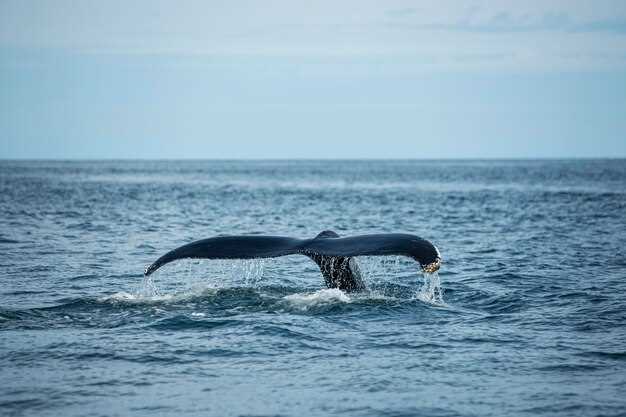
Okunuşu: Həftə sonları günortadan sonra dənizdəki balinaları görmə və rahatlığı artırmaq üçün dəniz səyahətini görməli yerlərlə birləşdirilmiş balina turuna çıxmağı tövsiyə edirik.
ဇွန်လတွင် လေများသည် အေးမြလေ့ရှိပြီး နေ့ခင်းဘက် ရေယာဉ် ခရီးစဉ်များကို အထူးနှစ်သက်ဖွယ် ဖြစ်စေသည်။ ခရီးစဉ်အများစုသည် ငြိမ်သက်သော ရေပြင်တွင် အကာအကွယ်ပေးထားသော ဆိပ်ခံတံတားတစ်လျှောက် ပြေးဆွဲပြီး သင်္ဘောပေါ်တွင် သဘာဝပညာရှင်တစ်ဦးက လင်းပိုင်များ၊ ငှက်များနှင့် ရွှေ့ပြောင်း သွားလာမှုပုံစံများအကြောင်း သတင်းအချက်အလက်များ ပေးသည်။ မွေးကင်းစ ဖွားမြင်ထားသော လင်းပိုင်ငယ်လေးကို သင်္ဘောနိုးထမှုစီးနေသည်ကိုပင် တွေ့နိုင်သည်၊ သို့မဟုတ် ရေပြင်အလွန်ဝေးသောနေရာတွင် ဝေလငါးမင်းသည် အချို့ကာလများတွင် ဖြတ်သွားသည်ကိုလည်း တွေ့မြင်နိုင်သည်။.
လင်းပိုင်စီးပြီးတာနဲ့ ကမ်းရိုးတန်းနဲ့ မိုးကုပ်စက်ဝိုင်းပုံရိပ်တွေကို အမှတ်အသားပြုထားတဲ့ ရှုခင်းသာလမ်းကြောင်းရှည်တစ်ခုကို ပြောင်းလိုက်ပါ။ ချောက်ကမ်းပါးတွေ၊ တံတားတွေနဲ့ ကမ်းလွန်ကျွန်းတွေကို ဖြတ်သန်းမောင်းနှင်ရင်း တစ်မိနစ်ပြီးတစ်မိနစ် အံ့သြဖွယ်မြင်ကွင်းတွေ ပေါ်လာပါလိမ့်မယ်။ ကြမ်းတမ်းတဲ့ရက်တွေမှာ ရိုက်ပုတ်တဲ့ရေတွေက ဓာတ်ပုံတွေအတွက် ရသမြောက်စေပြီး ပိုငြိမ်သက်တဲ့ ပင်လယ်ပြင်က ကလေးတွေနဲ့ လူကြီးတွေကိုပါ သက်တောင့်သက်သာဖြစ်စေပါတယ်။.
Márná nin á we gbɔ̌ngbɔ́n ɖó xwiixwixwɛ kpo fífá kpo tɔn ɖé, gbɛzinzan tɔn tínjɛn dó gbɔjɛ kpo awǎjijɛ kpo jí. Tinmɛ gbɛ̌ta tɔn lɛ́ɛ ɖíe: yɔkpɔ́nnɔ lɛ́ɛ nyɔ́ gbɔn fí; wécée gbɔn tɔjíhún mɛ kpo kpɛn jí; xwétá lɛ́ɛ gbɔn fí bó ná mɔ tɔ́n kpó kɔfée kpó ɖó fí línkpé línkpé lɛ́ɛ gbɔn ɖɛ̌ɛ; kplɔ́n gbɔn gbɛzinzan sɔ́gbɛnɔ́ lɛ́ɛ, fí línkpé línkpé lɛ́ɛ jɛ. Nú tɔ́ jǐ alǐnɔ̃ lin, alǒ jǐhɔn gbɔn, zín dó azǎn ɖěvo jí ɖó bló tɔn gbɔn.
ꯑꯁꯤ ꯄꯨꯟꯁꯤꯟꯕ ꯑꯁꯤ ꯈꯟꯒꯗꯕꯒꯤ ꯃꯔꯝꯁꯤꯡ: ꯅꯨꯃꯤꯠꯅꯤꯡꯊꯧꯒꯤ ꯅꯨꯃꯤꯠꯁꯤꯡꯗ ꯍꯣꯡꯗꯣꯛ ꯍꯣꯡꯁꯤꯟ ꯌꯥꯕ, ꯊꯣꯡ ꯆꯠꯄꯒꯤ ꯃꯔꯛꯇ ꯇꯨꯡꯗꯤꯟ ꯂꯩꯇꯕ ꯑꯃꯁꯨꯡ ꯊꯕꯛ ꯑꯃꯕꯨ ꯏꯍꯨꯟ ꯍꯤꯡꯕꯒ ꯄꯨꯟꯁꯤꯟꯅꯕꯒꯤ ꯈꯨꯗꯣꯡꯆꯥꯕ ꯑꯃ, ꯃꯁꯤꯅ ꯍꯤꯡꯆꯥꯕ ꯁꯤꯡꯕ ꯑꯃꯁꯨꯡ ꯐꯖꯔꯕ ꯐꯝꯕꯥꯛ ꯌꯦꯡꯕꯗ ꯃꯇꯦꯡ ꯄꯥꯡꯂꯤ ꯑꯃꯁꯨꯡ ꯆꯠꯄ ꯑꯃꯗ ꯅꯨꯡꯉꯥꯏꯕ ꯐꯪꯍꯜꯂꯤ꯫.
Agbara ndị a na-agba gburugburu afọ ma na-enye ahụmịhe dị iche iche dabere na oge, ihu igwe, na ọrụ anụ ọhịa. Ọ bụ ezie na ọnọdụ nwere ike ịgbanwe, ịhazi ụbọchị nwere akụkụ abụọ na-abawanye ohere maka oge ncheta na dolphins, nnụnụ, na ihe nkiri ụgbụ mmiri.
| Experience | Gbígbọ́kẹ́lẹ̀ | Best time | Includes | Cancellation |
|---|---|---|---|---|
| Ọdúnmọ́dú tí a súnmọ́ tòsí | 60–75 min | Ngimbi sobɛi | Naatsorsiorfik ilisimatuutut ilinniarsimasoq; timmissat; angalaareernermi cafe-mi unissalluni | ညှိနှိုင်းနိုင်သည့် ၂၄ နာရီအတွင်း |
| Ọ̀kọ̀ ojú omi afẹ́fẹ́ lẹ́bàá etíkun | 75–90 min | mataanŋ, alaaɗe nguleeki | ngĩĩthurũkia njega cia itũũra; handũ ha kũnyita mbica; gĩathĩ kĩarĩ ho rũgendo-inĩ rũmwe | ẹ lọ sí ọjọ́ mìíràn bí òkun bá rorò |
| ඩුඕ සංයුක්ත ඇසුරුම | 2–2.5 वह | ọ̀sán | ŋɔŋlɔŋ gbegbãɖeŋu eve; nyatakaka gbɔŋgbɔŋgbɔŋ; ƒome ƒe ɖoɖowɔɖi si me vivido le | ການຍົກເລີກ ຫຼື ການປ່ຽນຕາຕະລາງພາຍໃນ 24–72 ຊົ່ວໂມງ |