


 Norsk nynorsk
  English (UK)
  Русский
  বাংলা
বাংলা  العربية
  日本語
日本語  한국어
한국어  Magyar
  Türkçe
  עִבְרִית
  Español
  Čeština
  Svenska
  Português
  Ελληνικά
  Suomi
Suomi  Nederlands
  Română
  Italiano
  Français
  Polski
  Українська
  Deutsch
  简体中文
简体中文  Slovenčina
  Српски језик
  اردو
اردو  Azərbaycan dili
  O‘zbekcha
  አማርኛ
አማርኛ 
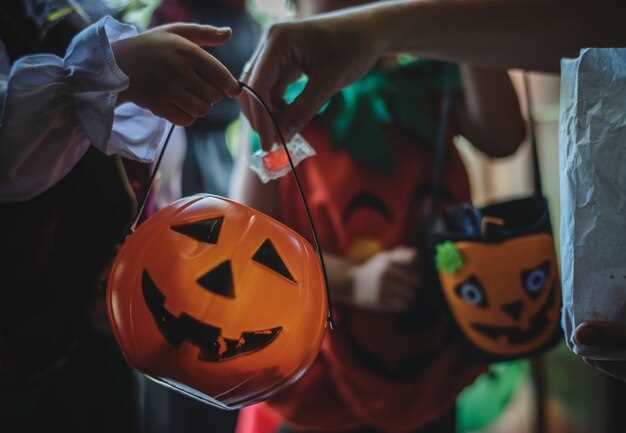
Halloween, a celebration steeped in rich history and diverse traditions, has evolved significantly since its origins. The most recognized aspects of this spooky holiday include dressing up in costumes, hollowing out pumpkins, and indulging in candy. Yet, the roots of Halloween stretch back centuries, merging various cultural practices and beliefs into what we know today. This intriguing holiday can be traced back to ancient Celtic festivals, particularly Samhain, which marked the end of the harvest season and the onset of winter.
As immigrants brought their unique customs to America, Halloween began to transform from its Celtic origins into a distinctly American celebration. By the late 19th century, it became a time for community gatherings, feasts, and playful pranks, as townspeople would come together in large numbers, creating a sense of connection among residents. The influence of British traditions, including the celebration of All Hallows’ Eve, played a significant role in shaping American Halloween customs. The classic symbols we see today, especially the iconic pumpkin, represent not just decoration but also a deeper connection to the land and its seasonal cycles.
Over the years, Halloween has transitioned from a primarily religious observance to a largely secular celebration enjoyed by people of all backgrounds. The future of Halloween seems equally dynamic, with innovations adding to its allure: themed parties, haunted houses, and various festivities, all reflecting the diverse cultures that have contributed to this holiday’s rich tapestry. As we celebrate Halloween each year, we continue to engage with its fascinating history while looking forward to new traditions that may soon emerge, blending the old with the new under the watchful gaze of tradition and folklore.
Origins of Halloween
The origins of Halloween can be traced back to the ancient festival of Samhain, celebrated by the Celts over two thousand years ago in what is now modern-day Ireland and the United Kingdom. This event marked the end of harvest and the beginning of winter, a time filled with superstition and spooky beliefs about spirits and ghosts. On the night of Samhain, it was believed that the barrier between the living and the dead was particularly thin, allowing the souls of those who had passed away to return. As a result, people would dress in costumes to ward off these wandering spirits and make offerings of fruit or other goods, hoping to appease any ghosts that came their way. Roman influences further incorporated elements such as the festival of Pomona, honoring the goddess of fruit and trees, blending traditions that spanned across centuries and cultures.
In the 19th century, Halloween began to transform as Irish immigrants brought their customs to the United States, leading to the secular and festive celebrations we know today. During this period, the holiday became designated as a time for community gatherings, pranks, and playful activities, moving away from its more somber origins. Characters like trick-or-treaters emerged, and the practice of dressing up quickly gained popularity. By the 20th century, Halloween evolved into a widely recognized event, marked by festivities that included parties, parades, and haunted houses, reflecting the transformation of a once solemn occasion into a vibrant celebration that continues to captivate people of all ages.
The Celtic Festival of Samhain
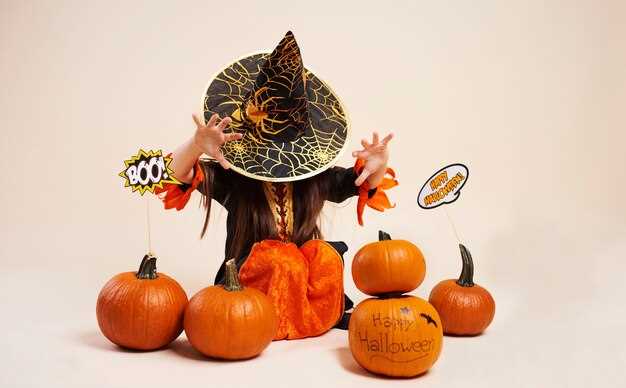
The original Celtic festival of Samhain, celebrated on the evening of October 31st, marks the transition from the harvest season to the darker half of the year. This early festival has roots in the ancient Gaelic customs that symbolized the boundary between the worlds of the living and the dead. It was believed that on this night, the veil between these realms thinned, allowing spirits, or otherworldly beings, to roam the earth. Celebrants would light bonfires and wear costumes to ward off malevolent spirits, a practice that later incorporated elements from various cultures and religions.
During the festival, communities would gather around a communal hearth, feasting on food and sharing stories of those who had passed away. Young members of the family, often dressed in costumes that included animal skins and masks, would participate in rituals meant to honor the dead. This is where the concept of costumes originated, evolving over centuries into the playful and sometimes eerie outfits we see in modern Halloween celebrations. While many ancient traditions focused on honoring the deceased, there were also attempts to predict the future, treating Samhain as an omen for the coming year.
As the Roman Empire expanded into Celtic territories, they brought their own customs, resulting in a melding of traditions over time. By the late 19th century, many of these practices began to shift, eventually trickling into American culture and becoming modern-day Halloween. The combination of various elements, including the celebration of All Hallows’ Eve, transformed Samhain’s significance. This blending allowed for a richer and more diverse set of practices during the festivities, leading to the inclusion of parades, games, and more secular elements that focus on fun and community.
In the 20th century, Samhain underwent further changes as American attitudes towards the holiday shifted. Many traditions were adapted to accommodate the growing interest in ghosts and spooky themes, while still paying homage to their Celtic origins. Turnips, once used as lanterns to light the way for spirits, were replaced by pumpkins, giving rise to the iconic Jack-o’-lantern. Although the commercialization of Halloween has become widespread, many still recognize the importance of the festival’s ancient roots and how they connect us to our historical knowledge.
Today, Samhain is celebrated differently across various cultures, but its essence remains alive. The festivities serve as a time for reflection, community, and connection to those who have come before us. Modern practices, including the use of costumes, ghost stories, and offerings for pets, show how this ancient festival has adapted over the years. As we celebrate, we honor the spirit of Samhain, reminding us there is always a connection to our past, even during the most festive of times.
Transition from Paganism to Christianity
The origins of Halloween are deeply rooted in ancient pagan traditions, particularly those of the Celtic festival of Samhain. This festival, marking the end of the harvest season and the beginning of winter, was viewed as a time when the boundary between the living and the dead became blurred. According to historical accounts, the Celts believed that on the night of October 31, ghosts of the deceased could return to the earth, creating a need to ward off these spirits with rituals and offerings.
As Christianity spread throughout Europe in the early medieval period, it began to incorporate and adapt various pagan practices. The transition from paganism to Christianity was not instantaneous; it involved a gradual assimilation of cultural elements. Many of the customs associated with Samhain were reinterpreted to align with Christian beliefs. This process is evident in the introduction of All Saints’ Day on November 1, which was intended to honor saints and martyrs, turning the previous pagan celebration into a Christian one.
During the 19th century, European immigrants brought their Halloween traditions to the United States, expanding this blend of pagan and Christian practices. They transformed the evening into a night of festive revelry, marked by pranks and tricks, which can be seen as a continuation of the earlier beliefs in playful spirits.
- Many of these traditions included:
- Carving pumpkins into jack-o’-lanterns.
- Wearing costumes to ward off evil spirits.
- Hosting gatherings featuring games and food.
Despite its roots in paganism, Halloween has become increasingly secular in modern times. In many American cities, the holiday is celebrated with parties, parades, and trick-or-treating, focusing more on fun than on its traditional religious aspects. Movies and media have helped popularize various aspects of Halloween, portraying it as a non-religious season filled with costumes and festive activities.
By the late 20th century, Halloween had transformed into a distinctly American holiday. Characters like witches, ghosts, and bats became staples of the celebration, while the evening itself turned into a showcase of creativity. Schools and communities would often organize events to share the holiday spirit, engaging the young in activities that celebrate both tradition and imagination.
Many Americans now enjoy Halloween as a time to gather with family and friends, creating lasting memories through various rituals. This is evident in the popularity of Halloween-themed decorations and costumes, which have expanded the holiday’s reach beyond just one evening. Instead of focusing solely on the past, Halloween has become an occasion for communities to come together and celebrate cultural diversity.
Through this rich history, Halloween remains a dynamic holiday, reflecting a blend of beliefs and practices–from its pagan origins to its current expression in nonreligious contexts. As American society continues to evolve, so too does Halloween; it is a perfect example of how traditions can adapt and change while still retaining elements of their original meaning.
Historical Figures Influencing Halloween
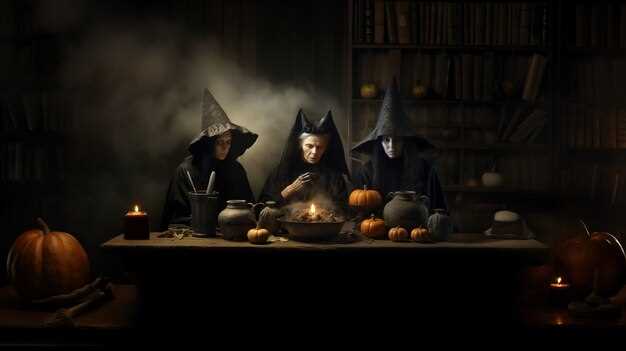
Throughout the centuries, various historical figures have shaped Halloween into the secular celebration we know today. One notable character is Samhain, a Celtic figure associated with the harvest season and the bridge between the living and the dead. This ancient festival, held at the end of October, became an inspiration for many Halloween traditions and was a time when celebrants would light bonfires to ward off dark forces. The transition from Samhain to modern Halloween illustrates how historical knowledge blurs the lines between pagan beliefs and contemporary festivities.
Another influential figure is Saint Boniface, who sought to convert pagans in Northern Europe during the 8th century. He aimed to replace their traditional practices with Christian teachings, effectively integrating the apple and other symbols of autumn into the festivities. By incorporating characters from folklore, such as bats and wandering spirits into Halloween traditions, these transformations contributed to the rich tapestry that characterizes this holiday. Over the years, these adaptations made Halloween much more accessible to a wider audience of Americans, ushering in the celebration of costumes, tricks, and the famous “trick-or-treat” tradition.
In the late 19th century, Halloween began to evolve further with the influence of popular media, including movies and literature that depict characters in extravagant costumes. Figures such as the stingy Jack from Irish folklore became symbols of Halloween’s dark charm, captivating imaginations and inspiring countless stories. This expansion of Halloween’s narrative allowed it to embrace various elements, which ultimately fostered a sense of community among participants. As Halloween continued to grow, families shared experiences through seasonal gatherings, transforming once fearful concepts into a fun-filled night where ghosts and creatures greets children carving pumpkins at the table.
Traditions Throughout the Ages
The history of Halloween is rich with traditions that have evolved over centuries. The ancient Celts celebrated Samhain, a festival marking the end of harvest, where they believed the veil between the living and the dead was especially thin. During this period, they would light bonfires and wear costumes to ward off wandering spirits. As Christianity spread, the festival was incorporated into All Hallows’ Eve, thus greets a sequel to Samhain, merging the old customs with new ones. The celebration turned into a time where prayers were offered for the dead, and over the years, elements like the hollowed-out pumpkins emerged, thought to symbolize protection against evil. In Ireland, the tradition of carving turnips gave way to pumpkins, which were more abundant in the United States, as they celebrated the harvest with gatherings on Saturday nights.
As Halloween spread across the United States and beyond, it adopted new practices, such as trick-or-treating, which often involved children dressing up and visiting houses to collect candy. This modern practice can be traced back to early 20th-century efforts in the country to create a festive atmosphere in the wake of Christmas, pulling elements from various cultures, including the Día de los Muertos celebrations. Each year, numbers of participants grow as communities embrace this vibrant celebration, blending old and new traditions. Given its origins, Halloween now symbolizes more than just the specter of death; it marks a time of creativity, where young and old alike can rejoice in the playful fright it offers, while also reflecting on the superstitions and omens that were once deeply rooted in historical beliefs.