


 Norsk nynorsk
  English (UK)
  Русский
  বাংলা
বাংলা  العربية
  日本語
日本語  한국어
한국어  Magyar
  Türkçe
  עִבְרִית
  Español
  Čeština
  Svenska
  Português
  Ελληνικά
  Suomi
Suomi  Nederlands
  Română
  Italiano
  Français
  Polski
  Українська
  Deutsch
  简体中文
简体中文  Slovenčina
  Српски језик
  اردو
اردو  Azərbaycan dili
  O‘zbekcha
  አማርኛ
አማርኛ 
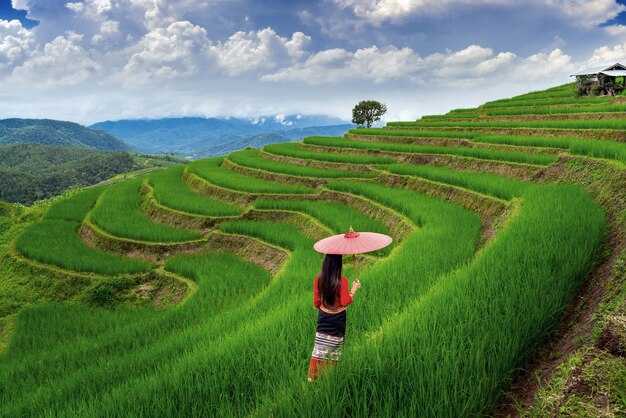
The main lookout sits among a handful of nearby lookouts that offer different angles. From the car park, a short, fast stroll leads to the balcony with a beautiful vista of the stepped fields and the valley beyond. For a more intimate experience, try a secondary edge path that climbs among palms and small shrines; you’ll find a scenic panorama that changes as the sun climbs.
Best light occurs roughly between approximately 07:00 na 08:00; plan a pick-up around 05:45 in the dry season or 06:15 during the wet season; this ensures youre among the first to photograph before crowds arrive. If you’re staying in the south coast, expect travel times of approximately 60–75 minutes depending on traffic, so your driver can return you to your hotel or continue to other points such as lempuyang and jatiluwih after the morning session.
If you came by car, dress for outdoor conditions: wear lightweight, quick-dry clothing and sturdy footwear; bring water and a hat. Respect local customs, especially at shrines along the route; keep your voice low and avoid blocking lines of sight for others. Consider trusted local services that tailor a short, efficient itinerary across points and help you catch the optimal light.
Integrate this stop into a broader day that includes lempuyang and jatiluwih, both offering meaningful contrasts: one with towers and a sea horizon at dawn, the other with sweeping stepped fields across the hills. You can structure a route that visits three to four places and returns with time to rest before evening photography. For a hassle-free experience, pick-up and drop-off at multiple places can be arranged, which is particularly useful if you’re coming from different parts of the island.
To maximize your time, go fast through the warm-up stretches, then linger at a couple of places with the scenery you love most. A small, well-planned loop means you’re among photographers and locals who love this landscape and the customs that surround it. If you’ve got a deep interest in culture and nature, this loop remains one of the most loved among visitors, and the light above the fields won’t disappoint. The last leg of the loop offers a quiet moment to reflect for everyone who loves a meaningful morning in a lush setting.
When to visit in 2025: timing for weather, crowds, and signature terrace photos
Begin at sunrise to catch warm light over tegalalang’s emerald paddies, a golden moment for photographs. Arrive around 06:30–07:00 to beat the first flow of visitors; mount paths open at dawn, letting you move freely along the lanes. For transport, gojek is reliable from sidemen or the north side; costs stay modest for a short hop, and you can enjoy a full-day plan to savor multiple viewpoints with stops at tegalalang’s eateries. This route is known for its luminous mornings.
Dry-season mornings stay cool and clear; the rainy spell can bring brief showers, so pack a light rain jacket and a refillable drink bottle. For signature light, aim for sunrise and the two-hour window after dawn, then again during golden hour before dusk. A practical addition is a quick detour toward tirta reflections near the temple cluster, which pairs well with the paddies and adds depth to your shots. If you want more variety, swing by sidemen for a different landscape before returning to tegalalang’s steps.
To manage crowds, plan on weekdays or earlier in the day; the number of visitors rises on weekends and holidays, and traffic can slow entry lines near the main approaches. A well-timed full-day route lets you alternate morning shoots with cafe breaks, which is a good way to stay warm and refreshed and still finish with a set of strong, daily frames. Nearby restaurants offer light meals and cooling drinks to recharge after a long morning of walking.
| Period | Weather snapshot | Crowd level | Best light window | Tips |
|---|---|---|---|---|
| Early dry-season mornings | Cool, mostly clear; warm sun later | Ọ̀wọ́n sí dede | Sunrise to golden hour | Arrive 06:30–07:00; mount paths open; use gojek; bring water; enjoy tegalalang vantage points; costs at entry; restaurants nearby |
| Peak travel days (mid dry season and holidays) | Bright, dry, hot after noon | High | First light and late afternoon | Expect longer queues; leave extra time; consider a full-day plan; parking and traffic rise; share routes with companions |
| Wet-season windows | Humid; short showers common; reflections vary | Dedede | Golden hour after showers | Carry compact umbrella; use sheltered spots; tirta reflections add depth; daily light shifts can yield surprises; costs stay reasonable |
Uma Dawa Resort and Spa: location perks, room types, and exclusive stay offers
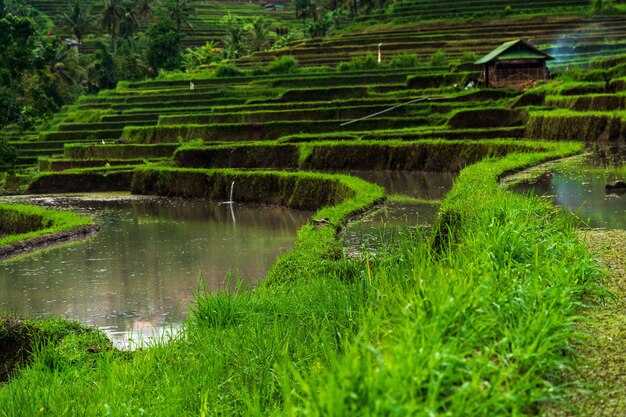
typically perched along a lush hillside in the island’s central highland, Uma Dawa offers an open, inviting vibe with a refined touch. The location provides entry to Pupuan markets and a network of cafes and restaurants, perfect for travelers who want to explore before retreating to a private poolside lounge. The design blends traditional craftsmanship with modern comfort, and the year-round cool climate keeps days refreshing for visitors. The hita warmth of the lobby lighting greets guests. For tegallalang-inspired lookouts, spots with sweeping valley panoramas are reachable by a short drive, making exploring later in the day easier.
Room types: the property offers one-bedroom private pool villas with open-plan living, a king bed, and an outdoor rain shower; two-bedroom garden villas with a second bath and a private plunge pool; and premium suites with expansive seating and valley panoramas. Interiors weave fresh, natural materials with intricate woodwork and subtle textures; all units feature espresso makers, high-speed Wi-Fi, and daily fruit bowls. For couples seeking total privacy or families needing space, the layouts are flexible, with direct access to shaded decks and courtyard paths.
Exclusive stay offers: direct-book guests access best-rate guarantees and flexible cancellation windows; private dining on a hilltop deck curated by a chef; spa packages with aromatherapy and a signature massage; year-round promotions for longer stays; private tours to nearby villages and markets, with a local guide. On-site dining and cafés provide a rotating menu of fresh, traditional bites; gojek service is available for on-demand meals or groceries; travel add-ons include airport transfers and cultural workshops. Visitors can discover a balance between downtime and exploration, while staying in a private sanctuary that feels both intimate and welcoming.
Practical tips: request a tegallalang-inspired lookout corner or a garden-view seating area inside the grounds–keeping close to the tranquil pool. Entry to the resort is straightforward via a secure gate, and staff can arrange rides or private transfers for easy access to markets, spots, and eateries. Typical travel days include strolls through nearby villages and markets, followed by sunset drinks at the airy lobby lounge and a cool breeze on the private sun deck. For travelers who went seeking cultural insight, arranging a guided exploration later in the day can yield better discoveries and personal connections with local artisans.
Best viewpoints and photography angles at Tegalalang: sunrise, lighting, and etiquette for drones
Arrive thirty minutes before sunrise at the southern overlook to catch soft golden light over the land. From a high spot where irrigation channels carve through the greenery, frame multiple layers of landscapes with a telephoto to compress depth and create a beautiful, photographed scene.
Lọ́ three dependable angles: a straight-on, elevated shot that emphasizes rhythm; a diagonal perspective along the irrigation lines for dimension; and a low shot through a gap that captures the sky. Move from spot to spot, keeping talking to a minimum so the atmosphere remains quiet and spirituality resonates for everyone.
For drones: obtain permission where required, check customs for local restrictions, and respect fellow visitors. Coordinate with the villa management or site staff at location before taking off; keep altitude low, stay out of crowds, and avoid directing the camera toward sacred sites or animals. If you’re visiting during march, plan dawn flights to minimize shadows and disruption, then photograph through the soft light while mobility remains comfortable. Those staying in munduk can link dawn spots for a longer shoot. Respect other photographers and visitors on these sites.
Accessibility matters: some vantage points are challenging for mobility; look for level paths or nearby platforms that are wheelchair-friendly. If you rely on a wheelchair, ask guides for the easiest route and avoid steep climbs; select a small, clean zone where you can shoot without blocking space for others. Together, you can capture a changeful mood with a less intrusive approach that respects customs and land stewardship.
Etiquette and practice: keep chatter low, step aside for groups, and treat irrigation equipment with care. Photograph from designated spots rather than rushing through the area; think about the spiritual significance some visitors attribute to this landscape and honor it. Pick a single standout angle and return tomorrow if the light wasn’t right, since the best images often come from patient waiting and careful timing.
Getting there and around: transport options, parking tips, and walking routes from Ubud
Àwọn ìmọ̀ràn: Start early: book a private driver for a short dawn ride from town; you will reach the gate before crowds, and the driver can wait or be booked to return, with a price that is often competitive when arranged the day before.
Transport options include scooter rental for a lightweight, budget-friendly option, a car with driver for mobility needs, or a taxi app ride. wheelchairs: the main entrance area has limited access; consider a lightweight, foldable chair for flat segments, and be prepared for the final approach that may require stairs.
Parking tips: use the official lot near the entrance and follow staff directions; if full, there are side spots along the road but avoid blocking vendors; expect a small fee (price varies); arrive early to secure shade.
Walking routes: from parking, take the short side path through nearby coffee fields to the ridge; the route runs through muddy patches when weather is wet, but yields stunning views along scenic coffee rows. The walk takes 15–20 minutes, with water stations occasionally along the route; wear non-slip footwear and bring a water bottle.
Facilities nearby include a cluster of restaurants and a sanctuary temple where locals perform a traditional dance on certain evenings; those who want to contribute can tip farmers tending the fields; a yoga circle sits nearby, offering a chance to stretch after the trek. For those who have seen a few shots online, note that secret spots exist along the main path, but ask locals for permission before stepping onto private plots; the views can be picturesque and epic.
Accessibility note: wheelchairs: not ideal for the full ridge route; those who need it should start from the gate-side access or use the first terrace and then proceed on foot; a small, lightweight chair can help on flatter segments, and a compact daypack keeps hands free.
Weather and gear: weather can shift quickly; like many visitors, bring a water bottle, a light rain shell, sunscreen, and a lightweight backpack; the perfect light is at dawn, producing captivating, picturesque views through the ridge line; whether you arrive by scooter or car, you will leave with epic photos. Written tips from those seen on site emphasize starting at first light for the best color. Must-know: arrival at first light is highly recommended to capture the most stunning tones.
Cultural etiquette and practical rules for visitors: dress, behavior, and respectful photography
Dress modestly with shoulders and knees covered; lightweight fabrics are best year-round, and a thin scarf can serve as a shawl when a ceremonial site opens to visitors. This must be done to respect local norms and to avoid drawing attention away from the landscape–bright outfits can grab attention and spoil the experience for others.
Following these etiquette rules reduces friction and makes visits smoother for everyone. Speak softly; limit talking near sacred spaces; never touch crops or stonework on the hillside; stay on marked paths; allow room for workers and guided groups; during busy times, step aside and pause. The stalls along the trail belong to families; buy locally to support livelihoods and remember pupuan arrangements may be part of ceremonies–forget touching or moving them. If you travel with family, model calm behavior and help children stay on trails. shows or performances may occasionally occur near ceremonial spaces; observe from a respectful distance and do not interfere.
Respectful photography means asking before capturing people, especially during ceremonies; avoid close-ups of individuals without consent; use a quiet shutter and keep a respectful distance near sacred spaces; never feed macaques or tease them, and secure belongings to prevent tempting them. If youve time, wait for the crowds to thin and shoot during the golden hours for a breathtaking result.
To protect greenery and preserve hillside charm, leave no litter, avoid plastic, and bring a reusable bottle; choose sustainable options when buying goods at family-run stalls, and limit waste. Your purchases support local livelihoods and remind visitors that this place is loved year-round. Visiting with care helps protect the entire terraced landscape from damage; stay on marked routes to shield the soil and greenery, and avoid stepping on fragile beds. If youve time, explore jatiluwih for a quieter perspective.
Open hours begin at dawn and close after dusk; plan visits to avoid peak crowds and to catch the golden light. For a quieter experience, arrive in the early morning or late afternoon and follow a guided route. Avoid sports or rough activity on the hillside; this dedication makes your experience more immersive and rich, and ensures the hillside remains loved for future visits by family and friends.
Following these tips helps you discover a breathtaking landscape while respecting the people who care for it–your patience, restraint, and sustainable choices turn every hillside encounter into a story worth repeating during future visits.
One-day itinerary: balance Tegalalang with nearby attractions and Uma Dawa dining and spa
Begin with a dawn ridge lookout to immerse yourself in the harmonious light above the lush valley; park on the shoulder of the road and hire a local driver for transport, at least 60 minutes before crowds arrive.
-
Morning ridge-to-village loop. From the ridge, descend to a community coffee plantation and craft workshop. These stops are captivating destinations offering insight into rural life. The walk is moderately challenging in places but doable, with every step revealing lush scenery. A few moments were written about by travelers in recent blog posts. Allow approximately 2–3 hours for this leg; these experiences are excellent for yourself and for capturing photographed memories.
-
Midday lunch at Uma Dawa dining. Reserve a table with garden vistas; the menu offers herbal, citrusy, and seafood dishes with excellent flavors. This setting supports a harmonious energy for the afternoon. These things travel well for your feed and for sharing recommendations with the community; dining lasts about 90 minutes.
-
Afternoon explorations. A short drive to a sacred water temple and nearby cascades reveals more rolling paddies along the route; you can climb a gentle lookout to photograph the entire valley. Beyond the fields, the road winds through lush coffee farms, where giant trees line the lanes. These attractions are friendly to every traveler, and drivers able to adjust pace to your energy. Time here: around 2 hours.
-
Evening spa and sunset. End the day with a spa treatment–massage, body wrap, and herbal tea–then a sunset stroll along the ridge to complete the cycle. The experience is offered with options to suit different budgets, leaving you rested and ready to write impressions for your blog or journal.
- Transport: private driver is the least complicated way to access back roads and these rural attractions; discuss a flexible route in advance.
- Dress code: light, breathable clothing; cover shoulders when visiting temples; comfortable footwear for easy climbs.
- Photography: bring a compact camera or phone; these moments are photographed best during golden hour.
- Culture: greet locals with a smile; respect norms and avoid interrupting ceremonies.
- Budget: plan approximately, including lunch, spa, and tips; Uma Dawa offers an offering to suit different budgets.