


 Norsk nynorsk
  English (UK)
  Русский
  বাংলা
বাংলা  العربية
  日本語
日本語  한국어
한국어  Magyar
  Türkçe
  עִבְרִית
  Español
  Čeština
  Svenska
  Português
  Ελληνικά
  Suomi
Suomi  Nederlands
  Română
  Italiano
  Français
  Polski
  Українська
  Deutsch
  简体中文
简体中文  Slovenčina
  Српски језик
  اردو
اردو  Azərbaycan dili
  O‘zbekcha
  አማርኛ
አማርኛ 
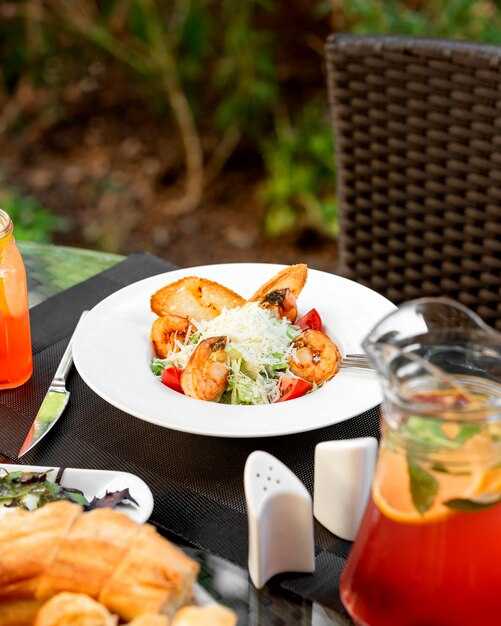
Start early at the Marché de Papeete and buy poisson cru right from Tahitians on the coast. The tahitian stall owner will show you how to mix lime, fresh coconut milk, and onions for a bright, acidic bite. Ask for the version with red pepper and extra coconut–visitors who try this first thing will have a memory of a crisp, salty-sweet balance, especially for first-timers.
On the coast, you’ll find the seaside shack run by murph, owner, where charcoal grills coax deep flavors from fish, octopus, and breadfruit. murph serves poisson cru with lime-chili and a kiss of coconut cream, while a salt-rimmed coconut drink keeps you refreshed. For visitors seeking balance, pair it with taro and a green-mango salad.
For learning the local palate, follow the tahitis and ask about dishes that highlight taro, breadfruit, and fresh fish. The tahitis know where to find the best raw fish and taro, and they season with lime and coconut to keep the taste bright. In the evenings, tiki torches glow along the coast while drumming groups pace the rhythm, creating a romantiline mood that elevates every bite.
Something practical to try next: order poisson cru with extra lime juice, then compare it with a grilled fish in coconut sauce. At Teahupo’o and other surf spots near the island, nearby eateries serve keeper dishes: mahi-mahi lightly seared and bathed in coconut milk, or chicken with breadfruit. A night market stroll, a fresh fruit plate, and a closing drink at a resorts bar offer a rounded finish. If you want a hands-on approach, book a short cooking class with a local owner or guide to learn the basics of poisson cru, breadfruit, and taro. The coast scene invites you to discover something new and keep your senses engaged.
Practical Outline: Tahiti Food Experiences & Papenoo Safari
Begin with a half-day Papenoo Safari: depart from the east coast in a rugged 4×4, ride along river canyons, and hike to a shaded overlook where a fresh sashimi plate and coconut-grilled fish are served, ensuring a memorable start to your culinary day.
In downtown Papeete, explore the market for sashimi, poisson cru, and fresh coconut desserts. Look for stalls with high turnover and reliable service; locals point to the best catches, herbs, and sauces. The market opens at dawn, letting you beat crowds and sample the freshest bites. Grab a quick bite, then stroll to waterfront stalls to compare price and quality, keeping portions generous and fresh.
After the market, head to a beach shack on the south coast for sashimi, grilled fish, and a cold beer. This setup pairs simple, fresh flavors with a relaxed setting; prices range from affordable to expensive in resort zones, so be sure you pick the scene that fits your plan and check portion sizes.
Accommodations: stay a night in downtown rooms to access markets and ferries, then a south-coast bungalow for ocean views; this mix minimizes miles and keeps you within easy reach of Papenoo’s trailhead.
To stay updated, subscribe to a culinary newsletter and follow local groups on facebook for tips. Reddit threads offer fresh route ideas and honest reviews; weve found this helps refine your plan and ensure you have a smooth day on the island.
Practical gear and budgeting: bring cash for stalls, reef-safe sunscreen, and a light rain layer; pack a water bottle, a small towel, and comfortable shoes for river stops. If you spend a day with mindful pacing, much of Tahiti’s flavor emerges in waves of fresh ingredients, majestic scenery, and the warm welcome of locals.
Must-Try Tahitian Dishes Across Islands
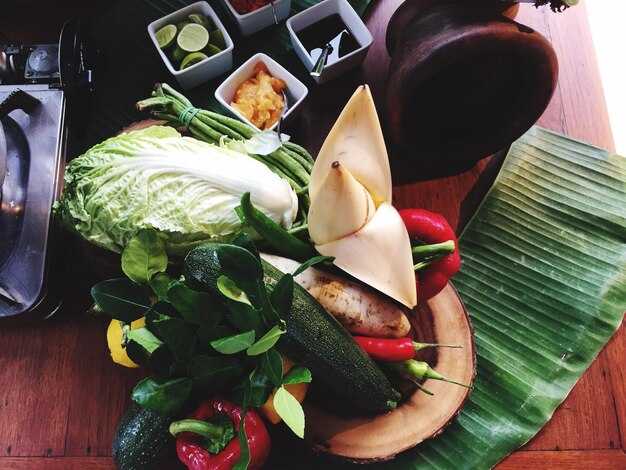
Start with Poisson cru at a Papeete market stall, where the catch of the day meets lime and coconut milk for a delicious plate.
Across tahiti’s islands you will encounter a variety of dishes that reflect days spent fishing and gathering breadfruit. Including intimate evenings around village tables, you can watch cultural drumming appear in the square and enjoy the simple décor that frames each meal.
From the main island to the area away from tourist hubs, each bite comes from the same warm live tradition: the catch is grilled, cured, or roasted and served with taro, breadfruit, or a coconut-scented sauce. The flavors feel luscious and direct, inviting you to live more in Tahiti’s foods scene for days.
| Chitsuwa | Must-Try Dish / Experience | Why it shines |
|---|---|---|
| Tahiti | Poisson cru | Iconic raw-fish dish; tuna in lime-coconut cream; best at Papeete market stalls and seaside eateries. |
| Moorea | Ahima’a pig roast | Earth-oven pork, slow-cooked until tender; intimate village feast atmosphere with taro and breadfruit; evenings glow with drums. |
| Bora Bora | Reef fish grilled with coconut-lime sauce | Bright, luscious fish from the lagoon; simple, warm plating against a beach backdrop. |
| Raiatea | Vanilla-infused dessert with coconut cream | Hints of island vanilla complement creamy coconut; a nod to area agriculture and aroma. |
| Huahine | Taro leaf curry with coconut | Hearty and green-forward; easy to share in a village cafe away from crowds. |
Best Local Markets and Where to Eat in Tahiti
Begin at Le Marché de Papeete, arrive before 08:00 to catch the opening rush and grab a fresh juice from a stall opposite the main entrance.
Expect poisson cru, ripe tropical fruits, and a garden of stalls with flavors including citrus, coconut, and smoky grilled fish ready to eat on the spot.
For a quick lunch, follow the quay to casual boat-side booths offering grilled fish with lime, taro, and a little salad; many options are made to order and served on a simple table.
Village markets in nearby towns operate on set days, usually 06:00–12:00 times, with times that vary, and feature vanilla pods, taro, yams, and coconut products that reflect Tahiti’s varied agriculture.
Beginners should start with small portions to compare flavors and ensure you have enough time; ask for samples if you need guidance; heres a reliable path to find preferred stalls.
Premium selections include vanilla pods and monoi oil, plus fresh reef fish; prices vary, but the strength of freshness makes it worth the spend.
After loading your bag, sit at a shared garden table to compare notes with a person next to you, then snap a photo of your purchases for a keepsake from paradise.
If you arrive by boat, dock at the marina and stroll toward the market; this away route helps you map the neighborhood and discover better deals at the opposite stalls and along the way.
This isnt about fancy dining; markets provide an economy-boosting, hands-on experience with a varied mix of produce, seafood, and snacks that go far beyond resort fare.
One-Day Tahiti Food Itinerary for Visitors
Start early at Vai’ete Market in Papeete for poisson cru and crepes with lime juice to set your palate for the day.
Walk through the stalls, sample full portions of tropical fruit, grilled coconut treats, and sea-salt bites; talk with vendors to hear authentic stories and the true strength of Tahiti’s flavors.
For a savory lunch, head to a seaside grill and order grilled tuna or reef fish with a lime glaze; you can choose from several menus and balance portions to keep you full without dragging your energy.
After lunch, wander along lovely beaches and pause at a roulotte for a quick taste of a second poisson cru or a crepe, then refill with a fresh coconut water.
In the afternoon, walk to the pointe near Pointe Venus for a breezy view, then plan a sunset dine near the port; the market opens around 5pm, inviting you to try late bites, and the open-air vibe makes your meal epic and unforgettable.
Evening dining features a mix of grilled catches and island specialties: sample a few portions from the menus before you finish with a sweet crepe or fresh fruit; here the vibe is special and true to Tahiti’s spirit.
Here are tips to maximize your day: start with poisson cru, keep to a full pace, and stay away from overly heavy dishes; bring cash for roulottes and check opening times so you do not miss the best bites.
Plan your route to cover islands if you have time, but for Tahiti proper this one-day rhythm blends authentic flavors with beaches, lime, and grilled highlights–an epic, unforgettable, true taste of the island.
Papenoo Valley Safari: What to Expect and How to Prepare
Hire a local guide for Papenoo Valley Safari to maximize safety and sightings; you’ll descend down muddy tracks and cross streams with tips from guides who know every turn. Guides share Bligh’s tales of exploration and point out lagoons, leaves, and viewpoints that visitors miss. A quick briefing in a small room before you depart helps everyone align on safety and plan.
What to expect: the route threads through dense rainforest and lava-rock clearings, with uneven ground and occasional river crossings. Nearly every bend offers a new perspective, with viewpoints over the lagoons glimmering through the trees and a lively chorus of birds. The day highlights Tahiti’s beauty and provides several photo-worthy stops.
Plan your pace and gear: start early to beat the heat; most tours run 4–5 hours and can be extended with an add-on trip. For a smoother day, arrange door-to-door transfers from your hotel and aim to return by evening when the village comes alive with music and markets.
Packing and snacks: wear sturdy shoes, bring a lightweight rain jacket, sun protection, insect repellent, and a compact towel. Carry 1–2 liters of water and a small snack like mango or frite; a waterproof pouch protects your phone and camera, and a few leaves from local plants can be a nice natural touch at viewpoints.
Logistics and connections: combining Papenoo with lagoons tours or other trips is common; this flow works well for travelers who want more than a single stop. Hotel guests should confirm pickup times and any required deposits with the operator.
Etiquette and sharing: respect locals and their customs; ask before photographing people; tipping guides is appreciated. Sharing tips with guides and fellow travelers helps everyone enjoy richer experiences, a point of interest for readers planning Tahiti adventures.
In this part of Tahiti, you’ll see a slice of the world’s natural beauty–lush leaves, vibrant lagoons, and the sense of space that makes Papenoo memorable for every traveler who visits.
Practical Packing, Safety, and Etiquette for Food Experiences
Pack a compact daypack with a reusable bottle, reef-safe sunscreen, a lightweight rain shell, insect repellent, a small first-aid kit, and cash in local currency for markets and street stalls. For experienced travelers, this easy setup keeps you ready for bites and market hops on trips without extra bags.
Evening dining near a lagoon rewards patience and flexibility; bring a light layer for cool sea breezes and a dry pouch for your phone when boats or beach walks appear on the plan. In papenoo and along the road, vendors cluster along the coast, so stroll, pick a stall with a line, and savor the best flavors.
What to pack
- Lightweight, quick-dry clothes and a compact rain shell
- Reef-safe sunscreen and a brimmed hat
- Bug repellent and a small first-aid kit
- Reusable bottle and a foldable shopping bag
- Cash in small bills; cards aren’t always accepted at markets
- Phone with a dry pouch for boat trips or lagoon visits
- Snacks like fresh mango and small treats; look for aito stalls for local bites
- Light snacks for evenings and easy access to poke-inspired bowls
Safety basics
- Choose stalls with clean prep areas and foods cooked to order; avoid raw shellfish if you’re unsure
- Ask about freshness, storage, and how seafood is kept on display
- Drink bottled water or boiled beverages; skip ice from uncertain sources
- Keep perishables in a small cooler if you buy seafood like lobster or fish for later
- Inform vendors about allergies or dietary needs before ordering
- Watch tides and currents if you plan lagoon trips or beach meals
Etiquette and behavior
- Greet with Ia ora na and thank with Māuruuru; maintain a friendly tone
- Queue politely, sample small portions, and avoid blocking walkways or stalls
- Ask before photographing people or their food; tipping is appreciated when service is table-based
- Round up the bill or leave a small amount if service is memorable
- Respect local culture and modest dress when visiting villages or sacred sites
- Dispose of leftovers responsibly; avoid throwing scraps into the environment
Food experiences to seek
- Poisson cru at a seaside stall, featuring fresh tuna, lime, coconut milk, onions, and cucumber
- Lobster prepared on grills at coastal markets, with garlic butter and citrus
- Poke-inspired bowls that fuse raw fish with seaweed, avocado, and sesame
- Mango desserts and fresh fruit cups from village stands
- Roadside tastings near papenoo that locals recommend, with a slow, flavorful pace
- Evening trips guided by insider tips on the site or Reddit threads from returning visitors
Tips for locals and visitors
- Gbáàtì gbogbo ìgbà láti ṣe àkíyèsí ìṣànwọ̀n ibùdó kí o tó dara pọ̀ mọ́ ìlà; àwọn ibi kan máa ń lọ́ lọ́ọ́ lọ́ lọ́ọ́ pẹ̀lú ìṣàn tó dúró ṣinṣin
- Mụta n'isi ụtụtụ na ahịa Monday maka nhọrọ kachasị ọhụrụ na nhọrọ kacha mma
- Te kohi te reira i te mana o te ahurea Poronihiana i roto i ngā whakaranu raukikini me te whakareri kaimoana; whakamātauria tētahi kai e whakanui ana i te waiū kokonati me te kotakota
- Maa gbɔŋ tsiŋ, gbɔŋ gbɔŋ kpɛŋ yɛŋ niŋ kpataa zuŋ, niŋ gbɔŋ gbɔŋ dinŋ gaa.
- Ẹ̀bẹ̀rí àwọn ìrántí jáde wá túmọ̀ sí ju àwọn ohun ìrántí lọ; pín àwọn ohun tí o rí pẹ̀lú àwọn ọ̀rẹ́ tàbí lórí àtúnyẹ̀wò ojúlé.