


 Norsk nynorsk
  English (UK)
  Русский
  বাংলা
বাংলা  العربية
  日本語
日本語  한국어
한국어  Magyar
  Türkçe
  עִבְרִית
  Español
  Čeština
  Svenska
  Português
  Ελληνικά
  Suomi
Suomi  Nederlands
  Română
  Italiano
  Français
  Polski
  Українська
  Deutsch
  简体中文
简体中文  Slovenčina
  Српски језик
  اردو
اردو  Azərbaycan dili
  O‘zbekcha
  አማርኛ
አማርኛ 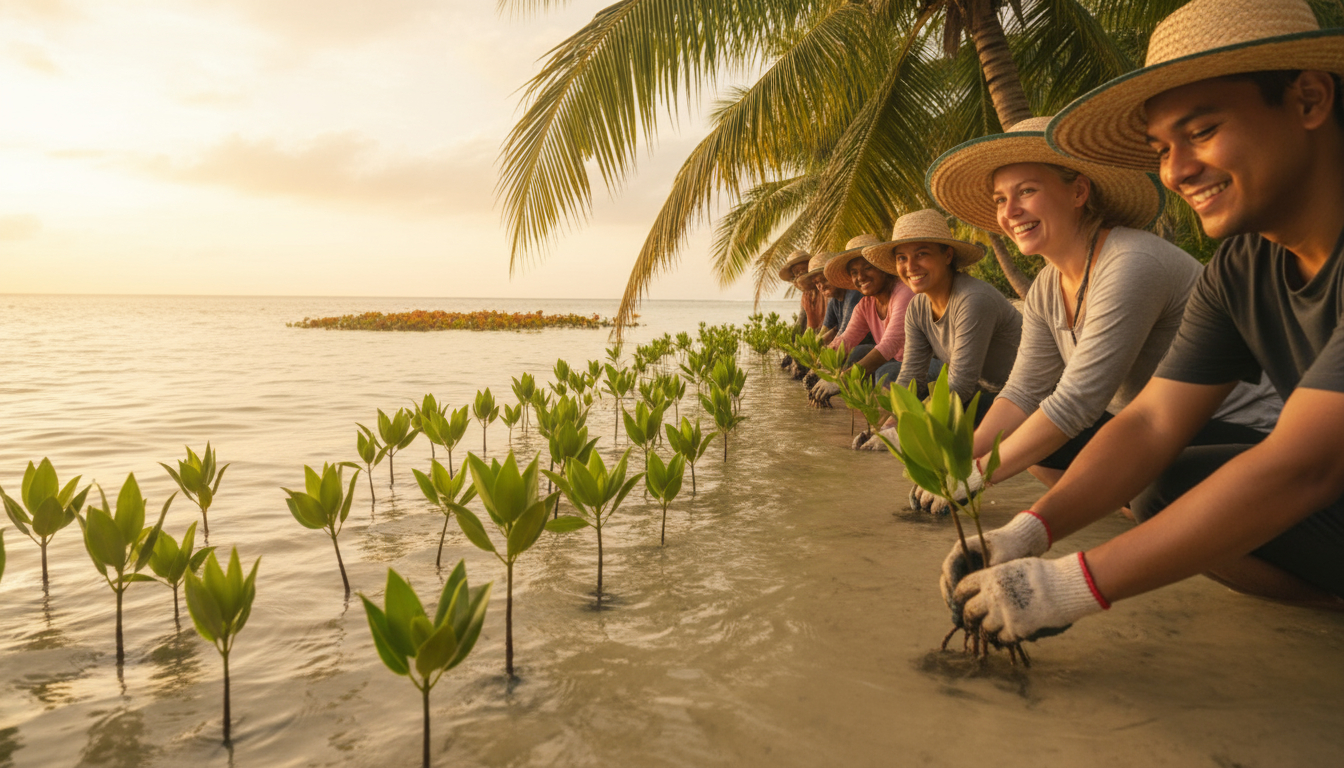 Practical Voluntourism: How to Give Back Responsibly While Traveling">

Practical voluntourism combines the joy of travel with meaningful contribution, allowing adventurers to support local communities and environments without causing harm. When done right, this approach creates positive impact while enriching your journey through authentic cultural immersion and personal growth. Responsible voluntourism prioritizes local needs over tourist desires, ensuring your efforts truly benefit destinations rather than exploit them.
Choosing Ethical Voluntourism Programs
Selecting the right opportunity forms the foundation of practical voluntourism. Research thoroughly to avoid organizations that prioritize profit over purpose.
Red Flags and Green Flags in Volunteer Organizations
Avoid programs promising “life-changing” experiences in two weeks or those involving direct work with vulnerable children without proper vetting. Practical voluntourism rejects orphanages that separate kids from families for tourist revenue. Instead, seek organizations transparent about fund allocation, where at least 80% reaches the community.
Green flags include long-term partnerships with locals, skill-based placements matching your expertise, and programs led by community members themselves. Platforms like Volunteer World or GoAbroad now feature impact ratings, helping identify genuine practical voluntourism opportunities.
Matching Your Skills to Real Community Needs
Effective practical voluntourism aligns your abilities with actual requirements rather than creating make-work projects. Doctors might support rural clinics in Costa Rica, while teachers strengthen English programs in Thai villages. Construction professionals build homes in Nepal using local materials and techniques, ensuring structures endure.
Digital nomads contribute through remote-friendly roles like website development for African NGOs or social media management for Indonesian coral conservation. This skill-based approach distinguishes practical voluntourism from superficial photo-op volunteering.
Best Destinations for Meaningful Voluntourism
Certain locations excel at responsible programs that integrate volunteers seamlessly into ongoing initiatives.
Conservation-Focused Opportunities Worldwide
Costa Rica leads in practical voluntourism with sea turtle protection projects on both coasts. Volunteers patrol beaches at night, relocating eggs to safe hatcheries and monitoring nesting mothers. These programs, running decades strong, have increased turtle populations significantly.
In Australia, Great Barrier Reef restoration invites divers to plant coral fragments on damaged sections. Marine biologists train participants in scientific methods, contributing real data to global research. Similar initiatives thrive in Maldives, where resorts partner with NGOs for reef rehabilitation.
Community Development Hotspots
Nepal’s post-earthquake reconstruction continues needing skilled volunteers for sustainable building. Organizations teach earthquake-resistant techniques using local bamboo, creating jobs while training residents. Practical voluntourism here includes women’s cooperatives producing handicrafts, with volunteers assisting business development.
In Peru, Amazon rainforest communities welcome help with reforestation and eco-tourism. Volunteers live with indigenous families, learning traditional farming while planting native trees. These exchanges preserve culture alongside environment.
Preparing for Your Voluntourism Experience
Proper preparation ensures your practical voluntourism contribution proves valuable rather than burdensome.
Cultural Sensitivity and Language Basics
Learn basic phrases and customs before arrival. In Thailand, understanding wai greeting prevents awkward moments. Research hierarchical structures in African communities to show respect. Practical voluntourism embraces humility, recognizing locals as experts in their context.
Pack appropriately, modest clothing for conservative areas, work gloves, and reusable water bottles. Many programs request specific tools rather than random donations that flood markets.
Health and Safety Considerations
Secure comprehensive travel insurance covering volunteer activities, many standard policies exclude manual labor. Get recommended vaccinations and malaria prophylaxis for tropical destinations. Practical voluntourism organizations provide detailed health guidance and emergency protocols.
Mental preparation matters equally, expect culture shock and limited amenities. Journaling helps process experiences constructively.
Maximizing Impact During Your Placement
Active engagement transforms good intentions into lasting change.
Building Genuine Relationships
Practical voluntourism thrives on human connections. Share meals with host families, participate in local festivals, learn traditional songs. These interactions create mutual understanding beyond labor.
In Cambodia, volunteers teaching English often receive Khmer lessons in return, fostering true exchange. Document stories with permission, amplifying community voices upon return.
Sustainable Practices On-Site
Follow local environmental guidelines, conserve water in drought-prone areas, reduce plastic usage. Support women-led initiatives and fair wage projects. Practical voluntourism means leaving systems stronger than found.
Track your contribution’s ripple effects, many organizations share annual impact reports showing how volunteer hours translate to real outcomes.
Post-Trip Integration and Continued Support
The journey continues after departure through ongoing commitment.
Sharing Your Experience Responsibly
Avoid savior narratives when posting online. Focus on community achievements and local leaders. Practical voluntourism storytelling centers host voices, perhaps co-creating content with participants.
Many volunteers establish sponsorship programs or return annually, building decade-long relationships. Fundraise for specific needs identified during placement rather than general donations.
Responsible voluntourism evolves into lifelong global citizenship, transforming travelers into advocates. Whether protecting Thai elephants or teaching Balinese farming, practical voluntourism proves travel can heal rather than harm when approached with intention and respect.