


 Norsk nynorsk
  English (UK)
  Русский
  বাংলা
বাংলা  العربية
  日本語
日本語  한국어
한국어  Magyar
  Türkçe
  עִבְרִית
  Español
  Čeština
  Svenska
  Português
  Ελληνικά
  Suomi
Suomi  Nederlands
  Română
  Italiano
  Français
  Polski
  Українська
  Deutsch
  简体中文
简体中文  Slovenčina
  Српски језик
  اردو
اردو  Azərbaycan dili
  O‘zbekcha
  አማርኛ
አማርኛ 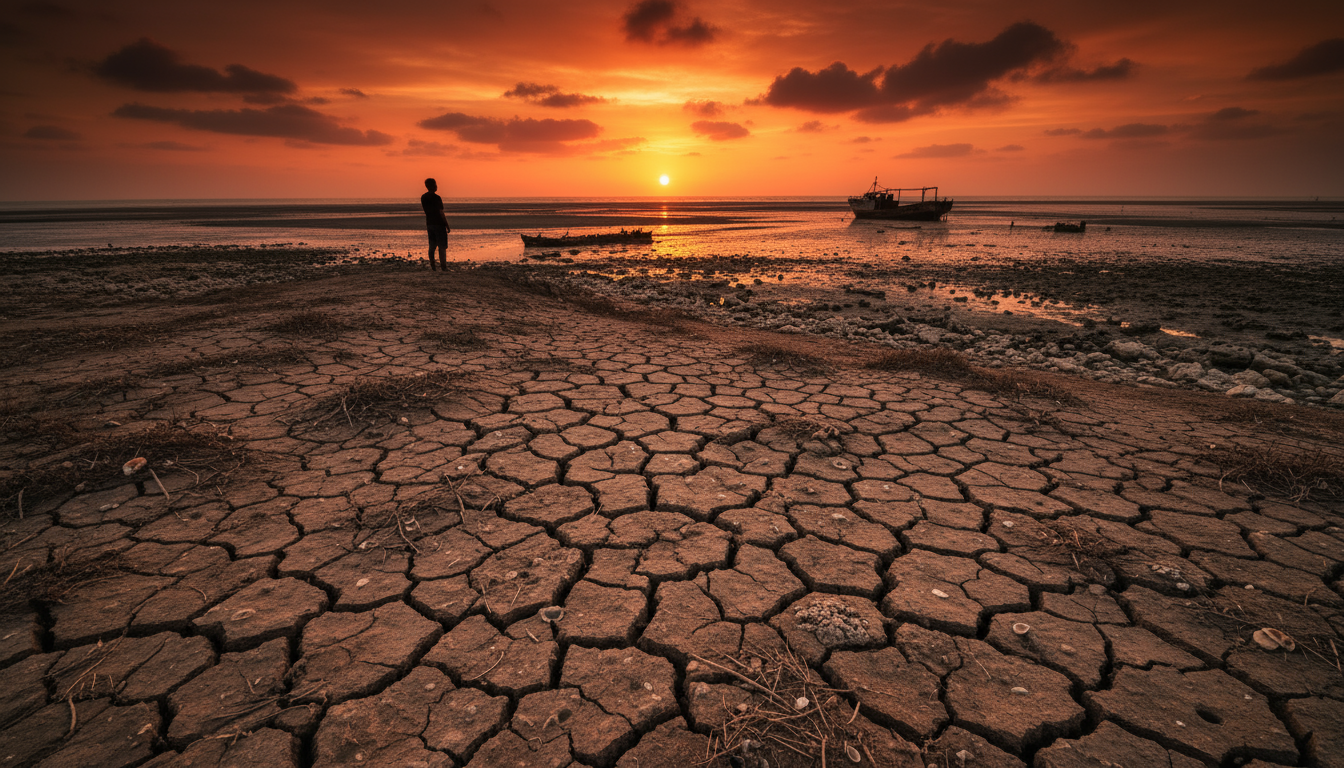 Climate Change and Its Effect on Popular Destinations: Navigating the Future of Travel">

The global climate crisis is no longer a distant threat; it is a tangible force reshaping the geography, accessibility, and appeal of destinations around the world. For travelers and the travel industry alike, understanding climate change and its effect on popular destinations is becoming critical for sustainable planning and operation. From rising sea levels threatening coastal cities to extreme weather events disrupting infrastructure, the consequences are profound and necessitate a fundamental change in how we choose to explore the planet.
Coastal and Island Destinations Under Threat
The most immediate and visible effects of a warming climate are being felt in coastal regions and on low-lying island nations. These areas, often the backbone of global tourism, face existential threats that will inevitably alter the travel landscape. Rising sea levels and coastal erosion are gradually consuming beaches and infrastructure, forcing destinations to adapt or potentially disappear.
The Changing Face of Beach Tourism
Beach destinations worldwide, from the Maldives to the Mediterranean, rely on stable coastlines. However, sea level rise is accelerating coastal erosion, making once-vast beaches narrow or non-existent during high tides. Furthermore, warming ocean temperatures contribute to coral bleaching, decimating the vibrant reefs that draw divers and snorkelers. This deterioration means that the pristine, iconic images used to market these popular destinations may no longer reflect reality. Consequently, tour operators must increasingly focus on conservation efforts and promoting inland activities to maintain appeal. This direct link between climate change and its effect on popular destinations is forcing a rapid reassessment of traditional beach holiday models.
Extreme Weather and Operational Risks
The increased frequency and intensity of extreme weather events—such as hurricanes, typhoons, and storm surges—pose significant operational risks to island and coastal tourism infrastructure. Airports and hotels built close to the sea are vulnerable to damage and disruption, leading to sudden closures, cancellations, and substantial financial losses. For travelers, this means a higher risk of travel interruptions and safety concerns, making the predictability of a destination a factor in booking decisions. Insurance companies and travel advisories are now incorporating climate change risk into their assessments, leading many tourists to favor more resilient, less exposed regions during peak storm seasons.
Impact on Natural Wonders and Biodiversity Hotspots
Many of the world’s most sought-after destinations are natural ecosystems defined by delicate climatic balances. When these balances are disrupted, the attractions themselves begin to vanish, dramatically changing the character of the regions they define.
Glaciers and Snow-Based Tourism Decline
The accelerated melting of glaciers in places like the Swiss Alps, Patagonia, and the Canadian Rockies is perhaps the most dramatic visual evidence of climate change and its effect on popular destinations. Ski resorts are struggling with shorter, less reliable snow seasons, necessitating massive investments in artificial snow-making, which is costly and energy-intensive. Alpine communities, which rely heavily on winter tourism, face severe economic challenges. For travelers, the experience of visiting ancient glaciers or relying on dependable snow conditions for sports is rapidly diminishing, prompting a shift towards higher-altitude or more resilient cold-weather destinations.
Desertification and Cultural Heritage Sites
In arid and semi-arid regions, increasing temperatures and changing rainfall patterns are contributing to desertification. This not only threatens local water supplies but also endangers immovable cultural heritage sites. Ancient ruins, such as those in the Middle East or parts of Africa, are exposed to more intense solar radiation, wind erosion, and flash floods. Furthermore, the heat itself can deter tourism. When temperatures regularly exceed safe levels for prolonged outdoor exploration, visits to these important historical sites become restricted to early morning or late evening, changing the very rhythm of the travel experience.
Adaptation Strategies for a Changing World
The tourism sector is not merely a victim of climate change; it is also a powerful driver of adaptation and mitigation efforts. Many popular destinations are pioneering new strategies to protect their resources and future-proof their appeal.
Diversification Beyond Traditional Attractions
Destinations heavily reliant on a single climate-sensitive attraction—such as skiing or coral reefs—are aggressively diversifying their tourism offerings. For instance, former ski resorts are expanding year-round activities like mountain biking, hiking, and wellness retreats to maintain revenue streams outside of the dwindling winter season. Coastal towns are investing in agro-tourism, culinary experiences, and cultural festivals to reduce pressure on fragile beaches and reefs. This strategic diversification is essential for building resilient local economies and mitigating the financial impacts of climate change and its effect on popular destinations.
The Rise of Climate-Conscious Tourism Planning
Governments and regional tourism boards are beginning to integrate climate projections into their long-term planning. This involves developing infrastructure that can withstand extreme weather, such, as elevated roads and flood-resistant buildings. It also includes implementing strict regulations on resource consumption, particularly water and energy use, within the tourism sector. For the traveler, this could mean mandatory educational components about local conservation efforts or booking restrictions designed to reduce overcrowding during vulnerable seasons. The overarching goal is to transform from a high-impact model to one that is regenerative and truly sustainable, ensuring the longevity of these beautiful places.
The Traveler’s Role in Mitigation
Individual choices have a collective impact. As the consequences of climate change and its effect on popular destinations become clearer, travelers are expected to shoulder more responsibility for their actions.
Choosing Lower-Impact Travel
The single biggest change a traveler can make is to choose lower-impact modes of transport. This includes prioritizing train travel over short-haul flights, choosing direct flights when flying, and opting for fewer, longer trips instead of multiple short ones. When selecting tour operators and accommodation, travelers should actively check for verifiable sustainability credentials, such as commitments to renewable energy, waste reduction, and fair labor practices. Every choice made by the consumer reinforces the demand for a more environmentally responsible industry.
Supporting Local Conservation Efforts
Finally, tourists can actively support the places they visit by contributing directly to local conservation and adaptation projects. This might involve choosing hotels that donate a portion of their revenue to reef restoration, participating in citizen science projects during their vacation, or paying voluntary carbon offset fees. By recognizing the direct link between climate change and its effect on popular destinations, travelers can move beyond mere observation to become active participants in the preservation of the world’s most beautiful and vulnerable places. This is the new imperative for global travel.