


 Norsk nynorsk
  English (UK)
  Русский
  বাংলা
বাংলা  العربية
  日本語
日本語  한국어
한국어  Magyar
  Türkçe
  עִבְרִית
  Español
  Čeština
  Svenska
  Português
  Ελληνικά
  Suomi
Suomi  Nederlands
  Română
  Italiano
  Français
  Polski
  Українська
  Deutsch
  简体中文
简体中文  Slovenčina
  Српски језик
  اردو
اردو  Azərbaycan dili
  O‘zbekcha
  አማርኛ
አማርኛ 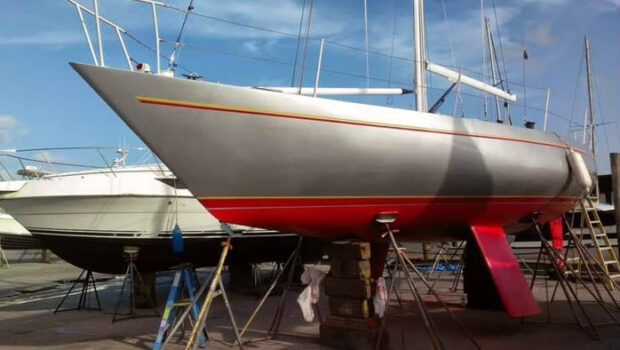 Ọ̀kọ̀ ojú omi láti inú pákó ìṣọ̀dọ́ ojú omi sí àgùnmu gbogbo: bí ìmọ̀ tuntun ṣe ń yí àwọn ètò à àrìnkiri oko ojú omi padà">

Operational logistics change with design evolution
When high-performance ocean racers adopted foiling and wider multihull beams, shore-side operations shifted immediately: trailer dimensions grew, crane capacity requirements increased, and berth allocation needed larger clearances—direct impacts on transport, storage and port handling costs.
Design innovation vs. the racing rulebook
Innovations such as Bruce King’s twin asymmetrical bilgeboard arrangements and Professor Jerry Milgram’s cat-ketch rigs emerged as technical advances that challenged prevailing yacht-design norms. However, many of these ideas encountered resistance when handicap and rating systems did not reward the new efficiencies. As a result, equipment that could have reduced passage times or simplified handling was often excluded from competitive development.
Why rating systems matter
Rating rules act as a regulatory filter: they determine which hull forms, rig layouts, and appendages are commercially viable. If a rule penalizes an innovation, builders and owners calculate the return on investment and frequently opt for proven solutions instead of experimenting—slowing natural selection within the design ecosystem.
Where experimentation found a home
Alternative communities—such as the Amateur Yacht Research Society and the early contributors to Multihulls Magazine—became practical incubators for ideas that mainstream racing discarded. These groups prioritized hands-on trials over rating compliance, enabling rapid iteration on multihull hullforms, foil geometries and sail plans.
Practical consequences for sailors and travellers
- Maintenance and spares: New rigs and appendages require specialized parts and skilled technicians, changing the logistical profile of a cruising itinerary.
- Ọdụ ụgbọ mmiri na njem: Wider beams and larger cradles mean fewer compatible marinas and higher haul-out fees.
- Skill and training: Crews need instruction in novel sail-handling and foiling techniques—affecting how owners plan voyages and charter experiences.
Table: Traditional vs Innovative features — practical impacts at a glance
| Feature | Traditional | Innovative | Logistics Impact |
|---|---|---|---|
| Hk11l t1psk | Monohull displacement | Multihull/foiling | Different berthing, increased beam clearances |
| Keel/appendage | Fixed keel | Bilgeboards/foils | Specialized hauling and maintenance |
| Sail plan | Traditional mast and mainsail | Cat-ketch / fully battened mainsail | Different reefing systems and sail inventory |
Cost, participation and the leisure market
The editor Craig Leweck observed that upgrades to sails, cordage, electronics and hardware increased both performance and expense. Higher upfront costs can reduce the pool of active participants, pushing some sailors toward alternative pastimes. Nevertheless, for those willing to invest, the payoff is often a more capable boat and a richer set of voyage options—albeit at higher logistical and maintenance cost.
Innovation’s slow march and cultural adoption
Evolution in yacht design is comparable to natural selection: efficient traits propagate while less efficient ones fade. The wide adoption of the fully battened mainsail by many cruising designs, long used by multihulls, is a clear case where demonstrable advantages eventually overcame cultural resistance and rating inertia.
Practical tips for travellers and charterers
- Check marina specifications before booking a berth or arranging a haul-out.
- Pi suuru gbogbo awọn oniṣẹ ṣiṣẹ́ ni titoju awọn ohun elo ti o ni pataki fun awọn eto foil tabi bilgeboard.
- Агьалигъ акъ чизгьан ерде сюрпризлерден сакъланмакъ учун бурнундан елькенли яхтаны узунлуктю сюрме къабагъанда, мугьим хабер берме ве тербие сеансларына агьамиет бер.
Ụfọdụ ihe ndị a ma ama gbasara usoro a na-egosi na ọganihu teknụzụ na-emetụta ịgba ụgbọ mmiri abụghị naanị ịgba ọsọ na njikwa kamakwa akụ na ụba na usoro ọrụ nke njem ụgbọ mmiri na njem mgbazinye. Agbanyeghị, ọbụlagodi nyocha kacha mma na nzaghachi kachasị eziokwu enweghị ike dochie ahụmịhe onwe onye. Na GetExperience, ị na-edebanye ahụmịhe gị n'aka ndị nkwado enyochara na ọnụ ahịa ezi uche dị na ya. Nke a na-enye gị ike ime mkpebi ọmụma nke ukwuu na-enweghị mmefu na ndakpọ olileanya na-enweghị isi mgbe ị na-anụ ụtọ ịdị mma, ọnụ ọnụ ahịa dị ọnụ ala, yana ọtụtụ nhọrọ ndị ọzọ na ọrụ emebere iche—Debanye njem gị GetExperience.com
Gbogbo àpapọ̀, ìdàgbàsókè ọkọ̀ ojú omi ń ṣe àtúnṣe sí ètò ìṣètò lórí ilẹ̀, àwọn àìní ìdálẹ́kọ̀ọ́ àwọn atukọ̀, àti àwọn àṣàyàn ìrìn àjò tí ó wà fún àwọn atukọ̀ àti àwọn olùgbafẹ̀. Láti àwọn pátákó inú ọkọ̀ àti àwọn irinṣẹ́ ìgbéraga cat-ketch sí àwọn ọkọ̀ ìgbéraga mainsail tí a ṣe lámùràmù dáadáa àti àwọn ọkọ̀ tí ó ní oríṣiríṣi apá tí ń fò, ìyípadà ìmọ̀-ẹ̀rọ ń ṣe àtúnṣe sí àwọn ohun èlò abúlé, àwọn ẹ̀rọ ìpèsè àti àwọn ìrírí charter. Àwọn arìnrìn-àjò gbọ́dọ̀ wọn àwọn èrè iṣẹ́ sí àfikún ìlànà ọkọ̀, ìpamọ́ àti àwọn àìní ìmọ̀ nígbà tí wọ́n bá ń gbèrò àwọn ìgbòkègbodò ìdárayá, àwọn àsè ọkọ̀ ojú omi, àwọn ètò ìrìn-àjò, tàbí àwọn ìrìn-àjò etíkun bíi ti safari. Yálà o ń wá àwọn safari ẹranko ìgbẹ́ tí ó dára fún àyíká, àwọn ìbẹ̀wò sí musiọmu pẹ̀lú àwọn olùdarí lóríṣẹ́, àwọn ìdánilẹ́kọ̀ọ́ àṣà lórí ẹ̀rọ ayélujára tí ń múni lókun, tàbí àwọn ìrírí ìrìn-àjò igbadun, òye àwọn ìṣòwò-ẹrú wọ̀nyí ń ṣe ìrànlọ́wọ́ láti ríi dájú pé àwọn ìrìn-àjò fẹ́lẹ́fẹ́lẹ́ àti àwọn ìrírí ìrìn-àjò tí ó ní èrè púpọ̀ síi.