


 Norsk nynorsk
  English (UK)
  Русский
  বাংলা
বাংলা  العربية
  日本語
日本語  한국어
한국어  Magyar
  Türkçe
  עִבְרִית
  Español
  Čeština
  Svenska
  Português
  Ελληνικά
  Suomi
Suomi  Nederlands
  Română
  Italiano
  Français
  Polski
  Українська
  Deutsch
  简体中文
简体中文  Slovenčina
  Српски језик
  اردو
اردو  Azərbaycan dili
  O‘zbekcha
  አማርኛ
አማርኛ 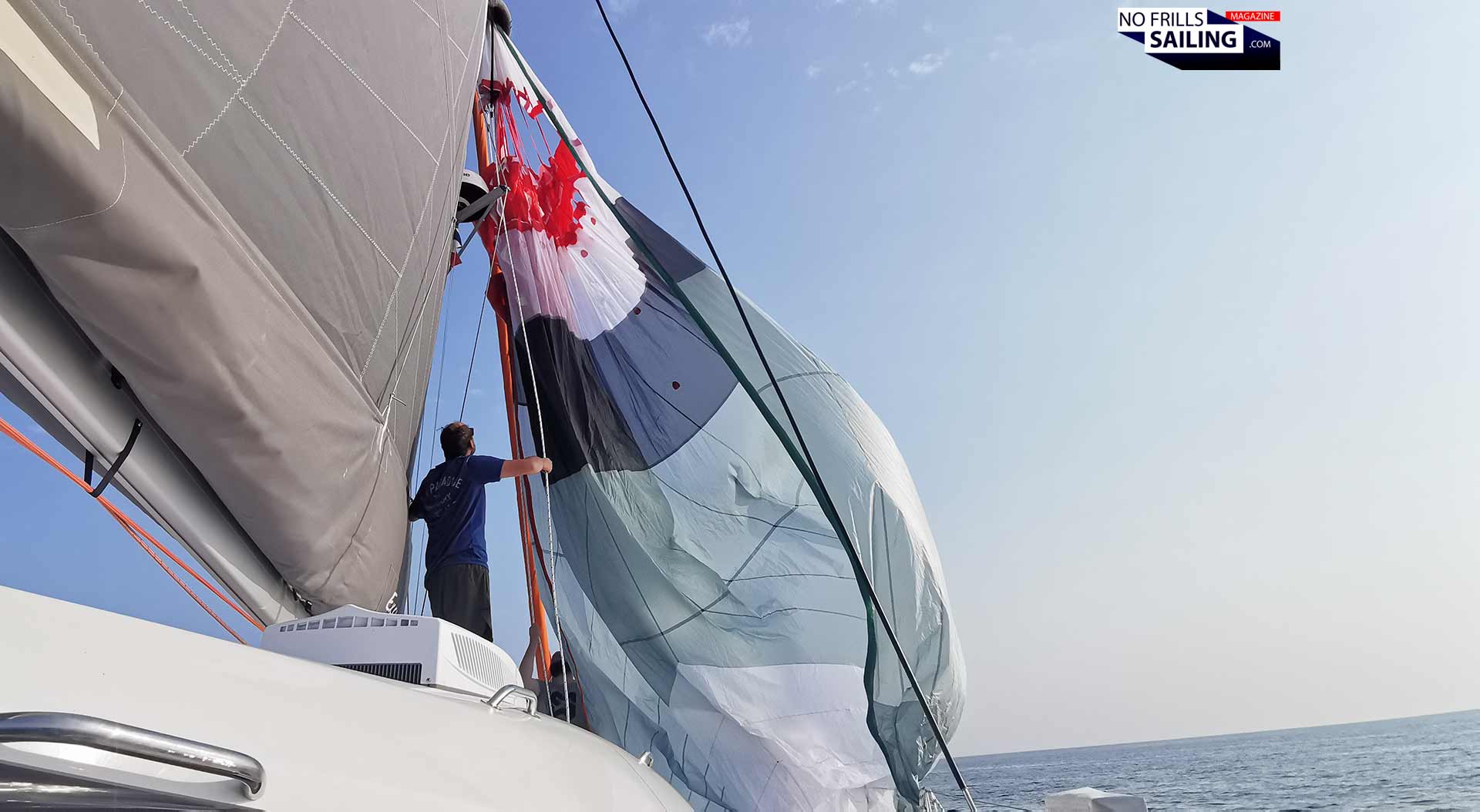 Ralf Groesel ja Oxley tiib: Praktilised takeldamise, käsitlemise ja jõudluse näpunäited">

Rigging logistics: why a wing sail changes sail handling
Stowing and deploying a light-wind wing sail such as the Oxley materially simplifies onboard logistics: the integrated wing reduces sail flaking, shortens hoisting time and lowers the crew needed to set a light-wind sail safely. For singlehanded skippers and family crews, the Oxley’s “fire-and-forget” characteristics cut the number of sail changes and lower the risk during gusty shifts, improving passage planning and watch rotations.
From paragliders to sails: the design lineage
Ralf Groesel’s route from paraglider designer to sail innovator explains the Oxley’s unusual performance. Trained in CAD and paraglider construction, Groesel combined a paraglider wing shape with a symmetric spinnaker shell to create a hybrid that both lifts na stabilizes. The wing’s pivoting lift acts as a counterforce to heel when gusts arrive, giving the sail a damping effect similar in function—if not exactly in form—to hydrofoils.
How the principle works
The key is the wing profile: ram pressure plus lift spreads load laterally across the sail, stabilizing the leeches and suppressing oscillation. In practical terms this makes the sail calmer in building wind and gives skippers the ability to use trimming to alter the sail’s shape—so a crew can move from a symmetric downwind mode to a flattened, slightly asymmetric wing that points higher.
Real-world uses for cruising and passagemaking
Owners report that the Oxley functions as:
- Downwind driver for dead-run passages where Gennakers falter.
- Gennaker substitute on long trade-wind legs thanks to better TWA range.
- Light-wind performance enhancer, allowing progress in minimal puffs.
Customer learning curve and expectations
Many experienced skippers are initially surprised—sometimes even appalled—when a sail that looks like a downwind bag enables pointing higher than expected. This “Aha” reaction is common: after a short learning period sailors learn trimming techniques that unlock the sail’s full spectrum from deep downwind to surprisingly close-reaching angles.
Choosing between Oxley Bora and Levante
| Feature | Oxley Bora | Oxley Levante |
|---|---|---|
| Wing construction | Double-walled paraglider wing (ram pressure + lift) | Single-layer wing (lift-dominant) |
| Ẹ̀bùn jùlọ fún | Heavier yachts, stronger winds | Lighter yachts, lighter winds |
| Damping/comfort | Maximum cushioning | Moderate damping, lighter feel |
| Handling complexity | Higher initial weight & complexity | Simpler, lighter to manage |
Buying advice
A certified dealer and a sea trial are worth their weight: hull type, displacement and your cruising area should drive the choice. Oxley sails are not a one-size-fits-all buy; a demonstration will show whether Bora’s ram-pressure cushioning or Levante’s lighter handling matches your program.
Production, expertise and the market gap
Groesel points out that making such a sail requires paragliding-grade manufacturing and aeronautical know-how—hence the limited number of suppliers. He built production capability with Brainchild-Production to handle ultrasonic welding, large-format digital printing and advanced laminates. This vertical integration explains why only a few brands (Oxley and Istec among them) currently offer the true wing-sail configuration.
Practical checklist for skippers
- Arrange a sea trial to test trimming across TWAs.
- Check stowage space and halyard routing before purchase.
- Train crew on reefing and controlled dousing under gusty conditions.
- Match sail choice (Bora vs Levante) to displacement and intended routes.
Highlights: the Oxley concept widens the light-wind arsenal—allowing safer singlehanded sailing, reducing sail-change logistics, and enabling surprising upwind ability from a seemingly downwind sail. However, hands-on testing remains decisive: no review beats personal sea trials. On GetExperience, you book your experience from verified providers at reasonable prices. This empowers you to make the most informed decision without unnecessary expenses or disappointments. The platform supports full and secure payments with voucher confirmation issued afterward and even lets you submit requests for tailored tours or demonstrations from providers to suit your needs. Book your Trip GetExperience.com
In summary, the Oxley wing sail is an engineering bridge between paragliding aerodynamics and cruising sail practice. It streamlines sail logistics for family and singlehanded crews, extends downwind and reaching performance, and demands a short but rewarding learning curve. Considerations of production expertise, material innovation and proper sea trials are essential before purchase. Whether you’re planning yacht parties or exclusive yacht charters for events, looking for cruise packages, planning adventure rafting trips for beginners, or simply dreaming of luxury adventure travel experiences and eco-friendly wildlife safaris between passages, the Oxley can be part of broader travel experiences—linking practical passage-making to memorable adventure activities, museum tours with live guides, online virtual tours or interactive online cultural workshops ashore. Ultimately, personal experience trumps even the best write-ups: go try it, compare options, and enjoy the ride.