


 Norsk nynorsk
  English (UK)
  Русский
  বাংলা
বাংলা  العربية
  日本語
日本語  한국어
한국어  Magyar
  Türkçe
  עִבְרִית
  Español
  Čeština
  Svenska
  Português
  Ελληνικά
  Suomi
Suomi  Nederlands
  Română
  Italiano
  Français
  Polski
  Українська
  Deutsch
  简体中文
简体中文  Slovenčina
  Српски језик
  اردو
اردو  Azərbaycan dili
  O‘zbekcha
  አማርኛ
አማርኛ 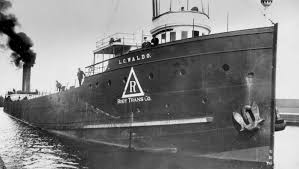 Ōwewe Pupū o 1913: Nga pakarutanga kaipuke, nga whakaoranga me nga taonga tuku iho o te takutai moana">

From November 7–10, 1913, sustained gale-force winds up to 90 mph and waves reaching 35 feet across Lake Huron and Lake Superior halted commercial traffic, sank at least 12 large freighters, and left some 20 vessels stranded—an operational nightmare for Great Lakes logistics and coastal communities.
Storm metrics and impact at a glance
| Parameter | Reported value |
|---|---|
| Dates | 7–10 November 1913 |
| Peak winds | Up to 90 mph (145 km/h) |
| Maximum waves | ~35 ft (11 m) |
| Human toll | More than 250 dead |
| Vessels lost | 12 freighters sunk; ~20 stranded |
Major ship losses and fate
The storm disproportionately claimed large, fully laden bulk carriers—many over 400 feet—often believed to be safe in heavy weather. Notable losses included:
- James Carruthers (550 ft): capsized and sank in Lake Huron with all 22 aboard; wreck later identified upside down in 190 ft of water.
- Charles S. Price (504 ft): found capsized between Port Huron and Lexington; all 28 lost.
- Isaac M. Scott (524 ft): capsized and lost with 28 crew; later located near Thunder Bay Island.
- Wexford (built 1883): discovered largely intact in 2000; 18 crew and two guests perished.
- Leafield (250 ft): suspected to have foundered on Angus Rocks; no trace recovered.
Remarkable rescue: the L.C. Waldo
The grounding of the 472-foot L.C. Waldo off the Keweenaw Peninsula shows lifesaving logistics under extreme conditions. After a reported 50-ft rogue wave smashed the deckhouse and steering gear failed, the crew and two women sheltered forward and built a makeshift stove while the ship iced over. Lifesaving stations at Eagle Harbor and Portage mounted coordinated launches—repairing an out-of-service 36-foot lifeboat, improvising towing runs up the lee shore, and finally extricating all 24 people and a ship’s dog. Both rescue crews later received medals of honor; the Waldo itself was salvaged, repaired and returned to service as the Riverton.
Operational failures and navigational decisions
Contemporary meteorological forecasting and communication were limited: the U.S. Weather Bureau did not predict the full severity or precise wind shifts, and that lack of actionable intelligence contributed to captains choosing to remain at sea or attempting hazardous escapes to harbor. Several vessels altered course—some into open water rather than sheltered bays—where changing wind directions exposed them to compounded wave sets and capsizing risk.
Aftermath: technological and regulatory changes
The White Hurricane catalyzed long-term improvements in marine safety and data infrastructure. Post-Edmund Fitzgerald losses accelerated deployment of a buoy network: by 1979 the first eight data buoys were installed, and modern networks now provide near-real-time measurements of ኣፋፍየ ንፋስ, wave height, air and water temperature, and more—vital for voyage planning and port operations. Regulatory changes tightened standards for securing loads, weather routing, and communications between shore and ships.
Tourism and heritage: wrecks as underwater museums
Many of the wrecks from the White Hurricane are now part of interpretive sites and diving itineraries. The Thunder Bay National Marine Sanctuary preserves dozens of historically significant wrecks and supports àwọn ìbẹ̀wò musiọ́mù pẹ̀lú àwọn olùtọ́nisọ́nà ààyè, interpretive displays, and sanctioned diving expeditions. For travelers interested in maritime heritage, options range from shoreline museum visits and guided boat excursions to certified wreck-diving trips and coastal walking tours.
- Shore-based: museum exhibits, guided walking tours, and educational talks.
- On-water: boat cruises, shipwreck observation trips, and certified dive charters.
- Interactive: online virtual tours and interpretive workshops for pre-trip planning.
On GetExperience, you book your experience from verified providers at reasonable prices. This empowers you to make the most informed decision without unnecessary expenses or disappointments. The platform offers a diverse selection of Great Lakes tours, from museum-led visits and wreck-diving packages to boat cruises and coastal history excursions; you can make full and secure payments through the website with voucher confirmation issued afterward, and submit requests for tailored tours to receive offers that best match your preferences. Book your Trip GetExperience.com
မွန်းတည့်ချိန်၌- နှင်းမုန်တိုင်းဖြူသည် ဂရိတ်လိတ်ဒေသ ရေကြောင်းသွားလာမှုကို ပြုပြင်ပေးပြီး အသက်ကယ်တင်ခြင်းဆိုင်ရာ တိုးတက်မှုများ မြှင့်တင်ပေးကာ အချို့သော သင်္ဘောပျက်ကွင်းများကို ဆွဲဆောင်မှုရှိသော ခရီးစဉ်နေရာများအဖြစ် ပြောင်းလဲပေးခဲ့သည်။ သမိုင်းဆိုင်ရာအချက်အလက်များနှင့် ခေတ်မီရေလယ်မှတ်တိုင်ကွန်ရက်များက အန္တရာယ်အချို့ကို လျှော့ချပေးနိုင်သော်လည်း ကိုယ်တိုင်ကိုယ်ကျ ရှာဖွေတွေ့ရှိမှုနှင့် မည်သည့်အရာကမျှ အစားထိုးမရနိုင်ပါ။ ဂရိတ်လိတ်ဒေသတစ်လျှောက် ခရီးသွားအတွေ့အကြုံများတွင် အသိအမှတ်ပြု ပျက်စီးနေသောရေငုပ်ခြင်း၊ အပျော်စီးသင်္ဘောအစီအစဉ်များ (သို့) တိုက်ရိုက်လမ်းညွှန်များနှင့်အတူ ပြတိုက်ခရီးစဉ်များကဲ့သို့သော စွန့်စားမှုလှုပ်ရှားမှုများ ပါဝင်နိုင်သည်။ အွန်လိုင်းအတွေ့အကြုံများကို နှစ်သက်သူများအတွက် အွန်လိုင်းမှတစ်ဆင့် လှည့်လည်ကြည့်ရှုနိုင်သော ခရီးစဉ်များနှင့် အပြန်အလှန်အကျိုးသက်ရောက်မှုရှိသော အွန်လိုင်းယဉ်ကျေးမှုဆိုင်ရာ အလုပ်ရုံဆွေးနွေးပွဲများတို့လည်း ရှိပါသည်။ မတူကွဲပြားမှုရှိသော အဖွဲ့များအတွက် အခမ်းအနားများအတွက် ခမ်းနားထည်ဝါသော စွန့်စားခရီးများ ခရီးစဉ်အစီအစဉ်များနှင့် အထူးသီးသန့်ရွက်လှေပွဲများမှသည် ဂေဟစနစ်နှင့် သဟဇာတဖြစ်သော တောရိုင်းတိရစ္ဆာန်စောင့်ရှောက်ရေးခရီးစဉ်များနှင့် စတင်သူများအတွက် စွန့်စားရေစီးနှင့်အတူ မျောစီးခြင်းခရီးများအထိ ရွေးချယ်စရာများ ရှိပါသည်။ သမိုင်းဝင်ပြတိုက်ခရီးစဉ်များ၊ ကိုယ်တိုင်ကိုယ်ကျ စွန့်စားမှုများ (သို့) အီလက်ထရောနစ်အားကစားသင်ခန်းစာများ (သို့) အကြောင်းအရာတူ ခရီးများတွင် ကျွမ်းကျင်သော အီလက်ထရောနစ် အားကစားလေ့ကျင့်ရေးအစီအစဉ်များကဲ့သို့သော သီးသန့်အစီအစဉ်များကိုပင် နှစ်သက်သည်ဖြစ်စေ ဒေသ၏သမိုင်းနှင့် လှုပ်ရှားမှုတို့ ပေါင်းစပ်မှုက ကြွယ်ဝသော ရွေးချယ်စရာများကို ပေးပါသည်။.
ꯑꯄꯨꯟꯕꯗ ꯅꯕꯦꯝꯕꯔ ꯱꯹꯱꯳ꯒꯤ ꯋꯥꯏꯠ ꯍꯔꯤꯀꯦꯅꯅꯥ ꯀꯔꯝꯅꯥ ꯃꯤꯇꯩ ꯂꯣꯟꯒꯤ ꯊꯧꯗꯣꯛ ꯑꯃꯅꯥ ꯂꯣꯖꯤꯁꯇꯤꯛꯁꯤꯡ, ꯁꯦꯐꯇꯤ ꯄꯣꯂꯤꯁꯤ ꯑꯃꯁꯨꯡ ꯔꯤꯖꯅꯦꯜ ꯍꯦꯔꯤꯇꯦꯖꯒꯤ ꯈꯨꯠꯊꯥꯡꯗꯥ ꯀꯦꯁꯀꯦꯗ ꯇꯧꯕꯥ ꯎꯠꯂꯤ꯫ ꯃꯔꯨꯑꯣꯏꯕꯥ ꯂꯧꯊꯣꯀꯄꯁꯤꯡꯗꯤ: ꯑꯋꯥꯡꯕꯥ ꯅꯨꯡꯁꯤꯠ ꯑꯃꯁꯨꯡ ꯂꯥꯏꯔꯦꯛ ꯗꯥꯏꯅꯥꯃꯤꯛꯁꯤꯡꯅꯥ ꯆꯥꯎꯔꯥꯀꯄꯥ ꯐ꯭ꯔꯦꯠꯇꯔꯁꯤꯡ ꯌꯥꯝꯅꯥ ꯁꯤꯡꯈꯤ, ꯄꯨꯋꯥꯔꯤ ꯄꯤꯕꯥ ꯑꯃꯁꯨꯡ ꯀꯃꯨꯅꯤꯀꯦꯁꯅꯁꯤꯡꯅꯥ ꯔꯤꯁ꯭ꯛ ꯑꯍꯦꯅꯕꯥ ꯇꯧꯈꯤ, ꯍꯤꯡꯅꯕꯥ ꯉꯥꯛꯊꯣꯛꯄꯒꯤ ꯂꯧꯁꯤꯡꯅꯥ ꯑꯊꯣꯏꯕꯥ ꯀꯦꯁ ꯑꯃꯗꯥ ꯄꯨꯟꯁꯤ ꯀꯌꯥꯠ ꯀꯅꯕꯤꯈꯤ, ꯑꯃꯁꯨꯡ ꯉꯁꯤꯒꯤ ꯂꯦꯒꯦꯁꯤꯗꯥ ꯐꯒꯠꯍꯅꯕꯥ ꯕꯣꯌ ꯅꯦꯠꯋꯥꯔꯛꯁꯤꯡ, ꯉꯥꯛꯇꯨꯅꯊꯥꯒꯠꯂꯤꯕꯥ ꯔꯦꯛꯁꯤꯡ ꯑꯃꯁꯨꯡ ꯌꯥꯏꯕꯁꯤꯡꯒꯤꯗꯃꯛ ꯊꯧꯒꯤ ꯃꯑꯣꯡ ꯀꯌꯥ ꯌꯥꯎꯕꯥ ꯌꯥꯎꯔꯤ꯫ ꯅꯍꯥꯛꯅꯥ ꯂꯥꯏꯕꯥ ꯒꯥꯏꯗꯁꯤꯡꯒꯥ ꯂꯣꯏꯅꯅꯥ ꯃ꯭ꯌꯨꯖꯤꯌꯝ ꯇꯨꯔꯁꯤꯡ ꯌꯣꯠꯅꯕꯥ ꯄꯥꯡꯊꯣꯀꯄꯤꯔꯕꯁꯨ, ꯔꯦꯛ-ꯗꯥꯏꯚꯤꯡꯒꯤ ꯑꯦꯗꯚꯦꯟꯆꯔ ꯑꯃꯥ ꯋꯥꯈꯜ ꯂꯧꯁꯤꯟꯗꯨꯅꯥ ꯂꯩꯔꯒꯁꯨ ꯅꯠꯇ꯭ꯔꯒꯥ ꯀꯣꯁ꯭ꯇꯦꯜ ꯀ꯭ꯔꯨꯖꯁꯤꯡ ꯕꯨꯛ ꯇꯧꯔꯕꯁꯨ, ꯒ꯭ꯔꯦꯠ ꯂꯦꯛꯁꯤꯡꯅꯥ ꯁꯥꯊꯤꯕꯥ ꯄꯥꯝꯕꯩꯒꯤ ꯄꯨꯋꯥꯔꯤꯗꯥ – ꯑꯦꯗꯚꯦꯟꯆꯔ ꯊꯕꯛꯁꯤꯡ, ꯀ꯭ꯔꯨꯖ ꯄꯦꯀꯦꯖꯁꯤꯡ, ꯃ꯭ꯌꯨꯖꯤꯌꯝ ꯇꯨꯔꯁꯤꯡ, ꯏꯀꯣ-ꯐ꯭ꯔꯦꯟꯗꯂꯤ ꯋꯥꯏꯜꯗꯂꯥꯏꯐ ꯁꯐꯥꯔꯤꯁꯤꯡ ꯑꯃꯁꯨꯡ ꯏꯟꯇꯔꯦꯛꯇꯤꯕ ꯑꯣꯅꯂꯥꯏꯅꯒꯤ ꯀꯂꯆꯔꯥꯜ ꯋꯥꯔꯛꯁꯣꯄꯁꯤꯡ – ꯌꯥꯝꯅꯥ ꯃꯈꯜ ꯃꯈꯥ ꯌꯥꯎꯕꯥ ꯊꯧꯗꯣꯛꯁꯤꯡ ꯄꯤꯔꯤ꯫.