


 Norsk nynorsk
  English (UK)
  Русский
  বাংলা
বাংলা  العربية
  日本語
日本語  한국어
한국어  Magyar
  Türkçe
  עִבְרִית
  Español
  Čeština
  Svenska
  Português
  Ελληνικά
  Suomi
Suomi  Nederlands
  Română
  Italiano
  Français
  Polski
  Українська
  Deutsch
  简体中文
简体中文  Slovenčina
  Српски језик
  اردو
اردو  Azərbaycan dili
  O‘zbekcha
  አማርኛ
አማርኛ 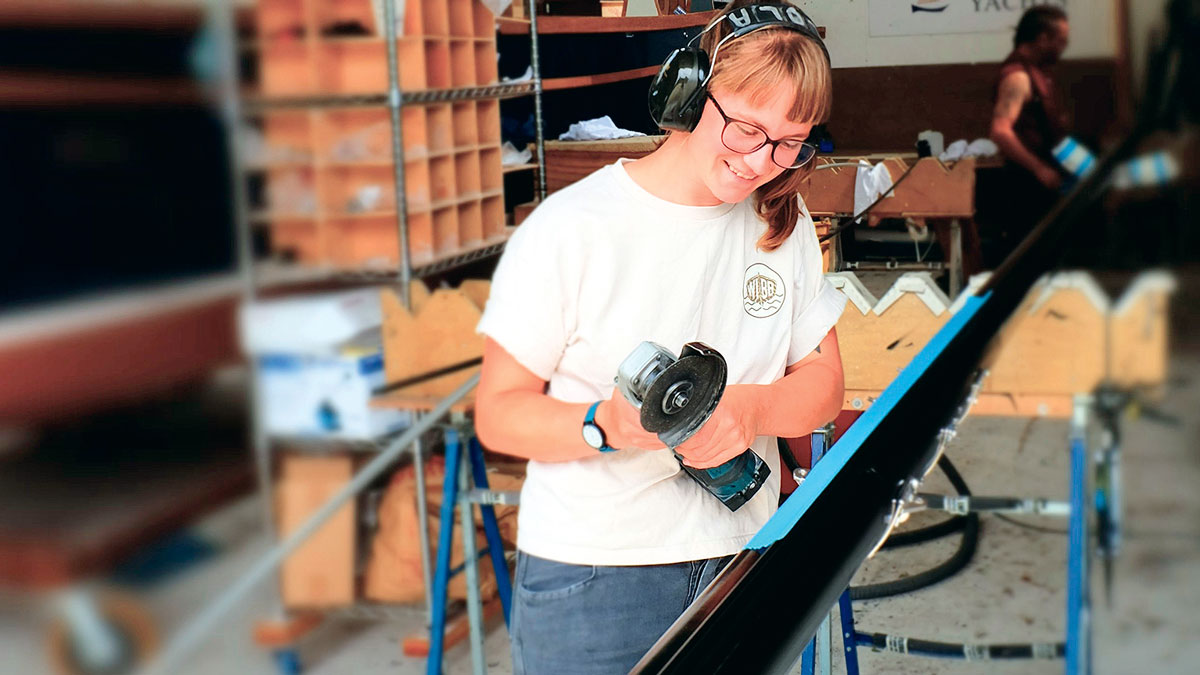 How a broader, better-trained boatbuilding workforce keeps wooden boats seaworthy and tourism alive">

Longer lead times and specialist bottlenecks at UK yards
Many UK yards report that structural repairs on wooden hulls now carry lead times measured in izinsuku ezimbalwa rather than days, driven by a shrinking pool of specialists able to assess load paths, scarf plank joints and reproduce traditional fittings. For owners of classic and charter vessels this affects availability, charter scheduling and seasonal tourism peaks, since downtime cascades into cancelled trips and tighter marina berth rotations.
Who’s entering the trade and why it matters
Over recent seasons, training intakes such as those at the Boat Building Academy have shown a notable rise in female enrolment. This demographic change expands the pool of practical skills — from steam-bending and joinery to systems installation — and improves resilience across yards and restoration workshops. A broader workforce increases capacity for maintenance that directly supports heritage boat tours, charter fleets and small-ship expedition operations.
Common entry routes into boatbuilding
- Short practical courses and 40-week programmes at specialist academies.
- Apprenticeships within local yards, combining on-the-job training with formal assessment.
- Self-led restoration projects that progress into professional trade roles.
- Cross-industry transferrals bringing skills from woodworking, engineering and project management.
Practical skills remain central
Accuracy, judgement and material knowledge count far more than raw strength. Modern workshops use mechanical advantage, jigs and hoists to handle heavy components, while traditional techniques require an understanding of grain, moisture and load distribution to ensure longevity and safety — crucial for vessels used in commercial excursions and museum displays.
Community networks and workshop culture
Groups such as Ụmụ nwanyị in Boat Building (WiBB) provide mentoring, visibility and peer networks that help newcomers navigate yard environments and progress in the trade. Online socials and local meet-ups allow members to share opportunities and practical advice, making yards more approachable and supporting retention — key to maintaining a steady pipeline of trained hands for tourism-related maintenance and restorations.
Practical training that preserves craft knowledge
Formal courses now cover clinker and carvel techniques, cold-moulding, epoxy methods and systems work alongside restoration practices. These training routes preserve not only individual repair skills but also institutional knowledge: how loads transfer in hulls, when original fabric can be conserved and when replacement is necessary. For heritage tourism and charter operations, that means boats can remain authentic, safe and economically viable to operate.
How industry perceptions are changing
The image of boatbuilding as solely brute-force labour is giving way to recognition of its technical and creative aspects. Yards such as Swallow Yachts and Mụọ Yachts illustrate how methodical planning and skilled workmanship make the difference — and how demonstrated competence, regardless of the worker’s background, shifts commissioning decisions toward repair rather than unnecessary replacement.
Fit for the future: the pioneering boat by BlueTree
Innovative projects such as those by BlueTree showcase how design thinking and modern construction techniques can sit alongside traditional craft, creating vessels suited to both leisure tourism and sustainable small-ship operations.
| Route | Typical duration | Best suited for |
|---|---|---|
| Short practical course | 1–4 weeks | Owners seeking basic repair skills |
| Long course / academy | 9–40 weeks | Prospective professional boatbuilders |
| Apprenticeship | 1–3 years | Career entry with workplace progression |
At a glance: benefits for owners and tourism operators
- Shorter downtime and more reliable repair scheduling for charter fleets.
- Preserved authenticity and safety for heritage and museum vessels.
- Greater local capacity to support seasonal excursion demand.
Expanding training and improving workshop access does not magically simplify every challenge, but it reduces the risk that traditional craft skills become rare. The presence of more trained people in yards means owners can expect clearer advice, realistic repair options and improved long-term value for classic and commercial vessels.
On GetExperience, you book your experience from verified providers at reasonable prices. This empowers you to make the most informed decision without unnecessary expenses or disappointments. The platform offers secure payments with voucher confirmation and allows tailored requests for tours or excursions that match your preferences — perfect if you’re planning heritage boat trips or workshop visits as part of a holiday. Book now GetExperience.com
In sum, a broader and better-trained boatbuilding workforce strengthens the entire boating ecosystem: it shortens repair lead times, preserves traditional skills, supports charter and heritage tourism, and opens craft careers to people with diverse backgrounds. Whether through academy courses, apprenticeships or self-led restoration projects, the result is more resilient maintenance capacity and more sustainable travel experiences. Travel experiences from museum tours with live guides to adventure rafting trips for beginners benefit when vessels are well maintained; luxury adventure travel experiences, eco-friendly wildlife safaris and exclusive yacht charters all rely on skilled workmanship. Ultimately, nothing replaces firsthand experience: book a workshop visit, a museum tour or a heritage boat trip and see the craft in action for yourself.