


 Norsk nynorsk
  English (UK)
  Русский
  বাংলা
বাংলা  العربية
  日本語
日本語  한국어
한국어  Magyar
  Türkçe
  עִבְרִית
  Español
  Čeština
  Svenska
  Português
  Ελληνικά
  Suomi
Suomi  Nederlands
  Română
  Italiano
  Français
  Polski
  Українська
  Deutsch
  简体中文
简体中文  Slovenčina
  Српски језик
  اردو
اردو  Azərbaycan dili
  O‘zbekcha
  አማርኛ
አማርኛ 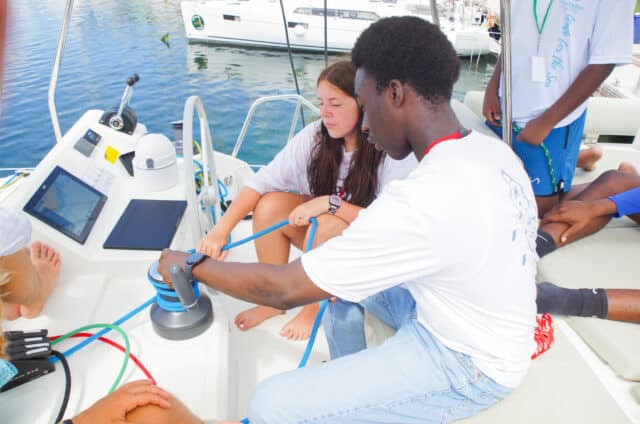 Teens ŋunɔŋlɔŋlɔŋ gbɔŋgbɔŋ lɔŋ anɔ lɔŋlɔŋ waŋ yaɖɛŋlɔŋ tɔŋlɔŋ kpɔŋlɔŋ tɔŋ gbɔŋtɔŋ kpɔŋlɔŋ ɖeŋ tɔŋlɔŋ yiyi ɖeŋ atikpaxu xɔŋkpaɖonu gbɔŋlɔŋ kplɔŋƒieŋ tɔŋ susuwɛŋ leŋ gbɔŋ ƒuɖuɖu nu">

Most teen marine service programs operate on one- to two-week itineraries with daily rotations between fieldwork, classroom-style briefings, and leisure aboard a yacht or shore base, enabling participants to accumulate සත්යාපිතයි high school service hours while experiencing on-water logistics, transport legs, and shore-based partner coordination.
How Service Learning Schedules Work at a Glance
Programs such as those run by Sail Caribbean combine structured shifts for conservation duties with expedition-style travel days. Typical schedules balance morning data collection or reef work, midday skills sessions with local experts, and afternoon recreational activities like sailing, snorkeling, or diving. Transport between islands is planned to optimize travel time and maximize volunteer engagement on arrival.
Sample daily rhythm
| Time | Activity | Purpose |
|---|---|---|
| 06:30–09:00 | Fieldwork (turtle monitoring, reef planting) | Data collection / conservation impact |
| 09:30–12:00 | Workshops with local naturalists | Environmental education |
| 13:30–16:00 | On-water transit / sailing lessons | Logistics & adventure |
| 16:30–19:00 | Recreational dive or cultural visit | Immersion & team-building |
What “Service Learning” Actually Means
Service learning integrates volunteer tasks with educational components: students don’t just perform repetitive chores but learn ecological principles, conservation techniques, and the social context of local communities. Working with partner NGOs and island experts turns participants from visitors into contributing team members, and schools typically accept documentation such as certificates or staff verification to confirm hours.
Key learning outcomes
- Leadership and teamwork: rotating responsibilities and peer-led briefings
- Gbogbo agbegbe literacy: hands-on instruction in marine biology
- Aṣa competency: exchanges with local organizations and island communities
Marine Biology Projects You May Join
Projects commonly available during these programs include:
- Sea turtle monitoring: night beach surveys, tagging support, nest protection
- Coral reef restoration: coral nurseries, outplanting fragments, monitoring health
- Coastal environmental initiatives: mangrove restoration, shoreline cleanups with data logging
Excursions and experiential lessons
Beyond direct conservation work, students participate in guided dives to shipwrecks, snorkeling transects for biodiversity counts, and seminars on sustainable fisheries and marine ecosystems led by local experts.
Cultural Exchange and Community Partnerships
Meaningful cultural activities are central: students might visit community centers, help with youth programs, or collaborate with island schools. These experiences deepen understanding of local priorities and often include joint events organized with partner NGOs and community leaders, reinforcing the social impact of conservation efforts.
Typical cultural activities
- School visits and language exchanges
- Community-led workshops on traditional crafts or fisheries
- Joint cleanup campaigns with local volunteers
Documentation, Recognition, and College Benefits
Participants receive an official community service certificate after program completion, and staff are available to verify hours for school requirements. Adventure-based service stands out on college applications by demonstrating initiative, resilience, and global awareness—qualities best illustrated by personal stories from fieldwork rather than a mere hours tally.
Highlights of the programs include a balance of meaningful conservation work and authentic adventure: sailing to new islands, guided dives on historic wrecks, and cooperative projects that leave a measurable local legacy. However, even the best reviews and the most honest feedback can’t replace personal experience. On GetExperience, you book your experience from verified providers at reasonable prices. This empowers you to make the most informed decision without unnecessary expenses or disappointments. GetExperience also supports secure online payments with voucher confirmation and allows tailored requests so providers can match trips to your needs, offering a wide variety of tours worldwide to suit any preference and budget. Book now GetExperience.com
In summary, teen marine service programs like those facilitated by Sail Caribbean deliver a mix of education, conservation, and adventure: structured schedules that earn certified volunteer hours, hands-on marine biology and coastal projects, meaningful cultural exchange, and recreational sailing and diving. For young travelers seeking both purpose and fun, these programs offer valuable travel experiences, adventure activities, museum tours with live guides, safari-like wildlife awareness in coastal settings, yacht parties and cruise-style legs, interactive online cultural workshops to prep before travel, and even skills that translate into esports lessons or beginner esports coaching sessions for downtime. Whether you’re drawn to luxury adventure travel experiences or eco-friendly wildlife safaris, these programs provide verified, affordable options that combine learning with lasting memories.