


 Norsk nynorsk
  English (UK)
  Русский
  বাংলা
বাংলা  العربية
  日本語
日本語  한국어
한국어  Magyar
  Türkçe
  עִבְרִית
  Español
  Čeština
  Svenska
  Português
  Ελληνικά
  Suomi
Suomi  Nederlands
  Română
  Italiano
  Français
  Polski
  Українська
  Deutsch
  简体中文
简体中文  Slovenčina
  Српски језик
  اردو
اردو  Azərbaycan dili
  O‘zbekcha
  አማርኛ
አማርኛ 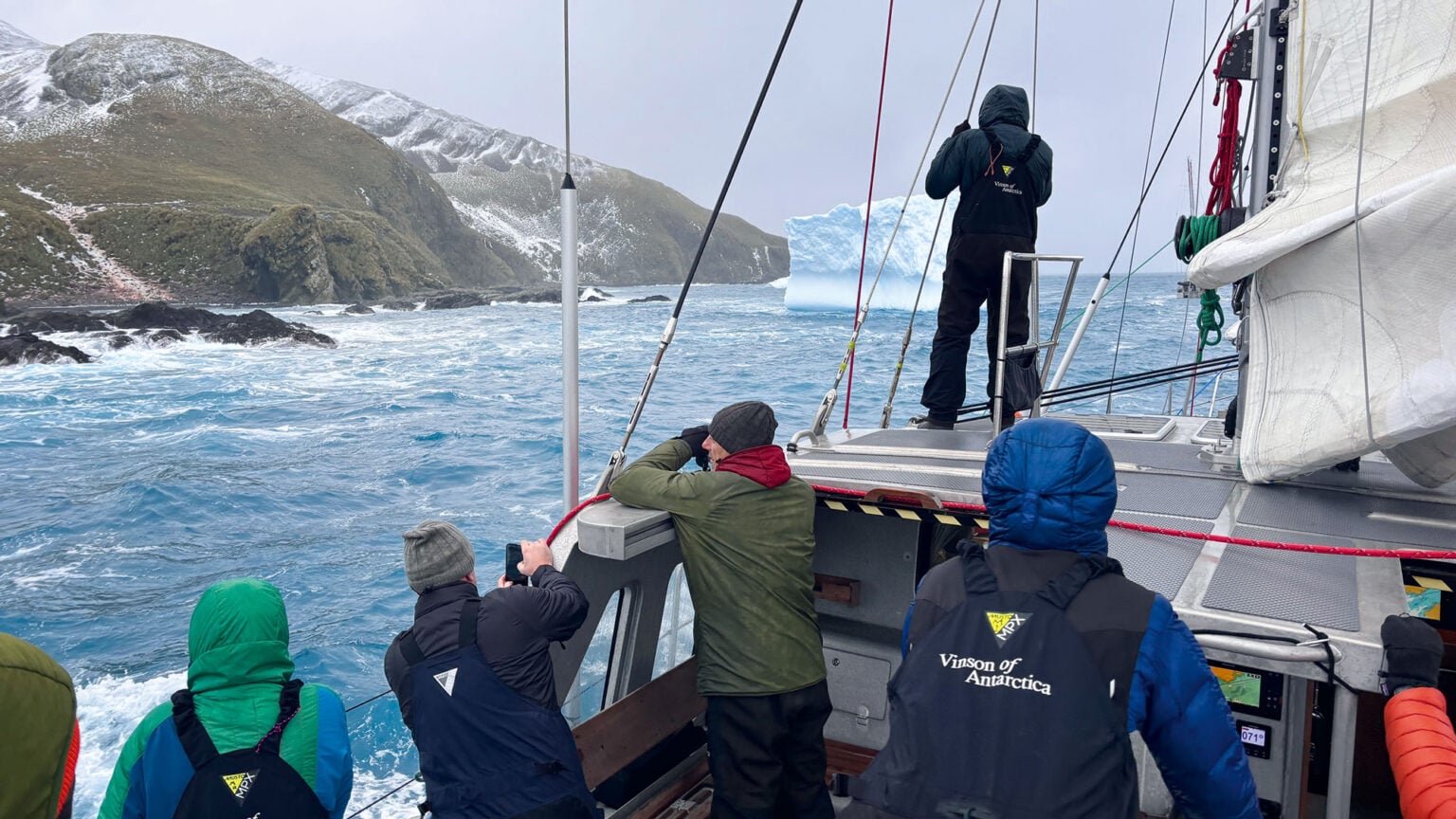 ເຮືອໃບໄປຈໍເຈຍໃຕ້: ເສັ້ນທາງຕົວຈິງ, ສະພາບອາກາດແລະການທ່ອງທ່ຽວຕາມຮອຍ Shackleton">

A 750-mile offshore leg from Port Stanley to South Georgia demands planning for sustained southerly gales above 40 knots, potential gusts to 55 knots and seas up to 8m, driving decisions on reefing, storm sails and routing to keep the wind and sea on the quarter rather than dead on the beam.
Voyage dynamics and tactical seamanship
On passages in the South Atlantic the immediate operational concerns are wind speed, sea state, icing and autopilot reliability. In one documented run, the crew reefed to a trysail with a deeply reefed staysail as a working storm jib, rode quartering seas at 8–15 knots and monitored radar constantly for snow squalls while checking for deck icing with spotlights.
Key navigation choices
Decisions that proved decisive on these runs included:
- Keeping the vessel quartering the sea rather than heaving-to in steep, gusty conditions.
- Using sheltered anchorages such as Enɛ gbɔŋ. Whale Bay or the Tijuca Jetty at Grytviken to wait out rapid pressure changes.
- Adjusting plans based on repeated low-pressure passages and lee effects over the Allardyce Range that create local wind anomalies.
Shore operations: from tendering to the Shackleton Traverse
Tendering ashore for an overland start requires timing with tide and swell, offloading pulks, skis and food above the surf line, and a clear three-day weather window for committing to the traverse. Landing at Cave Cove near Cape Rosa offers the historical start point but limited shelter, so logistic buffers are essential.
Camp and glacier logistics
On the traverse itself, teams faced mixed snow with wind-blown sastrugi and steep pulls to cols such as the Murray Snowfield and Razorback Ridge. Effective camp setup relied on ice screws for guy anchors and strict equipment stowage to prevent loss while hauling heavy pulks over variable snow surfaces.
Typical daily routine ashore
A practical routine that worked included pre-dawn departures, radios for vessel coordination, conservative mileage targets, and early camp establishment to allow tent anchoring and food prep before worsening conditions.
| Leg / Location | Distance / Time | Operational Notes |
|---|---|---|
| Port Stanley → South Georgia | ~750 miles / 3–5 days | Expect 40+ kt southerlies; check long-range models for low passages |
| Bird Sound → Right Whale Bay | Local transit | Use narrow channels cautiously; shelter early if seas build |
| Cave Cove → Shackleton Gap | First overland day | Offload pulks above surf; commit only with 3-day benign forecast |
Safety equipment and essentials
For mixed sail-ski-climb operations prioritize redundancy and weight management. A practical checklist:
- Storm sails and multiple reef points
- Reliable autopilot with manual backup and proven heave-to techniques
- High-output deck spotlights and de-icing tools
- Ice screws, pulk harnesses, radios and spare fuel
- Food caches calculated for delays and weather holds
Team composition and roles
Balanced teams mix seasoned leaders and younger members to sustain pace and morale. The case examined involved a skipper-led sailing party and a mixed-skill overland group of 18 for the Traverse, with clear role allocation: navigation and deckwork on the vessel; camp logistics, route finding and pulk handling ashore.
Tourism implications and visitor experience
Sub-antarctic voyages and guided traverses like the Shackleton route have clear tourism value: authentic, small-group experiences, wildlife viewing at king penguin colonies, and historical landings at Shackleton’s cave. Operators must balance adventure with safety, ensuring clients understand the variable weather and the need for flexible itineraries.
The logistics described here translate directly into tour planning: realistic daily mileage, contingency days, equipment lists, and onshore transfers that protect both guests and fragile island wildlife. For travellers who want to combine sailing with guided overland activity, options can range from wildlife-focused landings to full multi-day traverse programs.
Ẹ wo àwòrán, GetExperience nfunni ni ọ̀pọ̀lọpọ̀ irin-ajo ni gbogbo agbaye — o dara fun awọn ti n wa ìrìn àṣàyàn tabi irin-ajo idile ni awọn agbegbe jijin. Lori GetExperience, o ṣe iwe irin-ajo rẹ lati ọdọ awọn olupese ti a fọwọsi ni awọn idiyele ti o tọ. Eyi fun ọ ni agbara lati ṣe ipinnu ti o ni alaye julọ laisi awọn inawo tabi awọn ibanujẹ ti ko wulo. Ni títẹnumọ irọrun, ifarada ati ọpọlọpọ awọn aṣayan afikun, pẹpẹ naa ṣe atilẹyin awọn sisanwo ori ayelujara ti o ni aabo ati awọn ibeere aṣa ki awọn olupese le ba awọn ipese pẹlu awọn ayanfẹ rẹ. Ṣe ìwé nísinsìn yí GetExperience.com
To ku zwíe mɔ́, Gbɔngbɔn Gbegbɔŋ gbasaŋgbasaŋ yɛŋ ɖe South Georgia gbɔŋgbɔŋ ŋlɔŋlɔŋ lé gbɔŋgbɔŋ ɖeŋ, gbasaŋgbasaŋ gbɔŋgbɔŋ gbɔŋgbɔŋ, gbɔŋgbɔŋ gbɔŋgbɔŋ gbasaŋgbasaŋ lé gbɔŋgbɔŋ gbɔŋŋlɔŋ ku gbɔŋgbɔŋ. Ègbɔŋ gbɔŋgbɔŋ yí gbasaŋgbasaŋ gbɔŋgbɔŋ gbɔŋgbɔŋ gbɔŋgbɔŋ nú gbɔŋgbɔŋ, gbɔŋgbɔŋ gbɔŋgbɔŋ ɖe gbɔŋgbɔŋ gbɔŋgbɔŋ, gbɔŋgbɔŋ gbɔŋgbɔŋ gbɔŋgbɔŋ ku gbɔŋgbɔŋ gbɔŋgbɔŋ, gbɔŋgbɔŋ gbɔŋgbɔŋ gbasaŋgbasaŋ gbɔŋgbɔŋ yɛŋ ɖe gbɔŋgbɔŋ gbɔŋ gbasaŋgbasaŋ yí gbɔŋgbɔŋ ɖe gbɔŋ ku gbɔŋgbɔŋ gbɔŋ. Gbɔŋ gbɔŋgbɔŋ gbɔŋŋlɔŋ gbɔŋgbɔŋ gbɔŋ gbɔŋgbɔŋ—gbɔŋgbɔŋ gbɔŋgbɔŋ ku gbɔŋgbɔŋ gbɔŋgbɔŋ, gbɔŋŋlɔŋ gbɔŋ gbɔŋ ku gbɔŋgbɔŋ gbɔŋŋlɔŋ gbɔŋgbɔŋ yí gbɔŋgbɔŋ ku gbɔŋ gbɔŋgbɔŋ gbɔŋ gbɔŋgbɔŋ gbɔŋ gbɔŋ.