


 Norsk nynorsk
  English (UK)
  Русский
  বাংলা
বাংলা  العربية
  日本語
日本語  한국어
한국어  Magyar
  Türkçe
  עִבְרִית
  Español
  Čeština
  Svenska
  Português
  Ελληνικά
  Suomi
Suomi  Nederlands
  Română
  Italiano
  Français
  Polski
  Українська
  Deutsch
  简体中文
简体中文  Slovenčina
  Српски језик
  اردو
اردو  Azərbaycan dili
  O‘zbekcha
  አማርኛ
አማርኛ 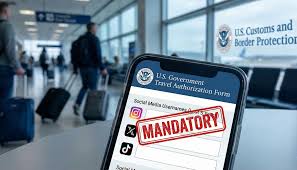 Understanding the New U.S. Social Media Requirements for Tourists and Their Impact on Travel">

The New Social Media Data Requirement for U.S. Tourists
Starting soon, travelers to the U.S., including those visiting on tourist visas or via the Electronic System for Travel Authorization (ESTA), will face a fresh set of entry rules. They will be required to disclose social media identifiers, phone numbers from the past five years, and email addresses spanning ten years. This shift is motivated primarily by national security concerns and aims to better screen visitors before they set foot on American soil.
Details of The Policy Change
The U.S. Customs and Border Protection (CBP) has introduced this policy as part of efforts to enhance screening protocols. Tourists applying for visas or ESTA clearance must now provide their social media information from the last five years. Other personal data requested includes telephone numbers used in the same period and email addresses used over the last decade. These are considered “high value data fields” aimed at helping officials identify potential security threats.
| Requested Information | Time Span |
|---|---|
| Social media usernames/profiles | Last 5 years |
| Telephone numbers | Last 5 years |
| Email addresses | Last 10 years |
Implications for Tourists and the Tourism Industry
While aimed at bolstering security, the move has raised eyebrows within the travel and tourism communities globally. Experts warn that this might lead to a decline in international visitors in 2026 and beyond due to privacy concerns and the perceived complexity or invasiveness of these new requirements.
Potential Impact on Visitor Numbers
- Privacy worries: Sharing detailed social media history could deter casual travelers wary of surveillance.
- Extended vetting times: Additional layers of scrutiny may result in visa or ESTA approval delays.
- Tourism revenue at risk: Reduced visitor numbers mean fewer bookings for flights, hotels, and attractions, impacting local economies.
Countries under the Visa Waiver Program (VWP), like the UK, Japan, Australia, and most of Europe, are particularly sensitive to these changes. Nationals from these allied countries have traditionally formed a significant bulk of U.S. tourists. The new rules could unexpectedly discourage visits from these valuable markets.
Security Versus Tourism: Official Responses
During a recent press conference, key U.S. officials emphasized that enhanced security measures are a priority, even if they pose challenges to tourism. The message is clear: public safety and national security come first, aiming to filter out individuals with criminal or dangerous backgrounds. This is part of a broader effort to overhaul immigration and visitation processes.
Despite concerns, some voices highlight the role of technology, especially artificial intelligence, in efficiently managing this data-intensive process, potentially making the new system more manageable.
How Visa Screening Has Evolved
This social media data requirement is not an isolated update. Since late 2025, stricter vetting applying to H-1B and H-4 visa applicants has been implemented, requiring public social media profiles for review. Extending similar scrutiny to tourist visas and ESTA applications signals a wider trend towards deepening background checks for all types of visitors.
Impact on Tourism Revenue
The combination of stricter entry requirements and economic factors has already resulted in a notable decline in U.S. tourism revenue. Recent reports forecast billions of dollars lost in international visitor spending. A modest 1% decrease in arrivals translates to nearly $1.8 billion in lost earnings annually, considering expenditures on lodging, travel, dining, and entertainment.
Balancing Safety and Travel Freedom: What Tourists Should Know
Travelers aiming to visit the U.S. should prepare for the new documentation and data-sharing expectations, bearing in mind the importance the government places on safety. Providing detailed social media history is now part of the entry process for many.
It’s wise to keep social media accounts updated, transparent, and consistent with submitted information. Misrepresentation or omission can result in visa denials or bans.
Planning Your Trip with Confidence
Given the complexities of the new rules, tourists seeking seamless and enjoyable experiences may want to consider additional planning and support from reliable platforms. GetExperience.com stands out by allowing secure payments with vouchers and tailored requests for tours or excursions suited perfectly to individual preferences and requirements. This can turn potentially stressful trip preparations into smooth and memorable travel adventures.
Why Personal Experience Still Wins
Undoubtedly, the social media screening policy marks a significant shift in how tourists approach travel to the U.S. While expert opinions and research outline potential pitfalls and impacts, nothing compares to firsthand experience. Every traveler’s journey is unique, influenced by personal encounters and individual perspectives.
NnwetaAhụmahụ empowers tourists to book offerings from verified providers worldwide, ensuring affordability, transparency, and choice. This platform makes it easy to compare adventure rafting trips for beginners, exclusive yacht charters for events, eco-friendly wildlife safaris, and even interactive online cultural workshops—providing something for every taste and budget.
So, whether you are planning a luxury adventure travel experience or a museum tour with a live guide, GetExperience.com is your reliable companion. Embrace the convenience, diverse options, and secure booking process. Book your trip at GetExperience.com.
ꯑꯄꯨꯟꯕ ꯃꯔꯨꯑꯣꯏꯕ ꯋꯥꯐꯝꯁꯤꯡꯒꯤ ꯃꯔꯨ ꯑꯣꯏꯕ ꯋꯥꯐꯝꯁꯤꯡ꯫
In brief, the U.S. government’s introduction of a five-year social media data requirement for tourist visas signals heightened security priorities, which may chill tourism from key markets. Adding personal contact details and expanding social media vetting reflect evolving immigration policies. This could lead to reduced visitor numbers and economic impacts if tourists opt for destinations with lighter restrictions.
Travelers are advised to prepare accordingly, ensuring transparency and accuracy in their applications. Meanwhile, platforms like GetExperience.com provide the tools to discover and book diverse travel experiences with confidence and ease, bridging gaps created by extra visa checks and fostering richer cultural encounters. In a changing world of travel regulations, empowering tourists with choice and knowledge is essential.