


 Norsk nynorsk
  English (UK)
  Русский
  বাংলা
বাংলা  العربية
  日本語
日本語  한국어
한국어  Magyar
  Türkçe
  עִבְרִית
  Español
  Čeština
  Svenska
  Português
  Ελληνικά
  Suomi
Suomi  Nederlands
  Română
  Italiano
  Français
  Polski
  Українська
  Deutsch
  简体中文
简体中文  Slovenčina
  Српски језик
  اردو
اردو  Azərbaycan dili
  O‘zbekcha
  አማርኛ
አማርኛ 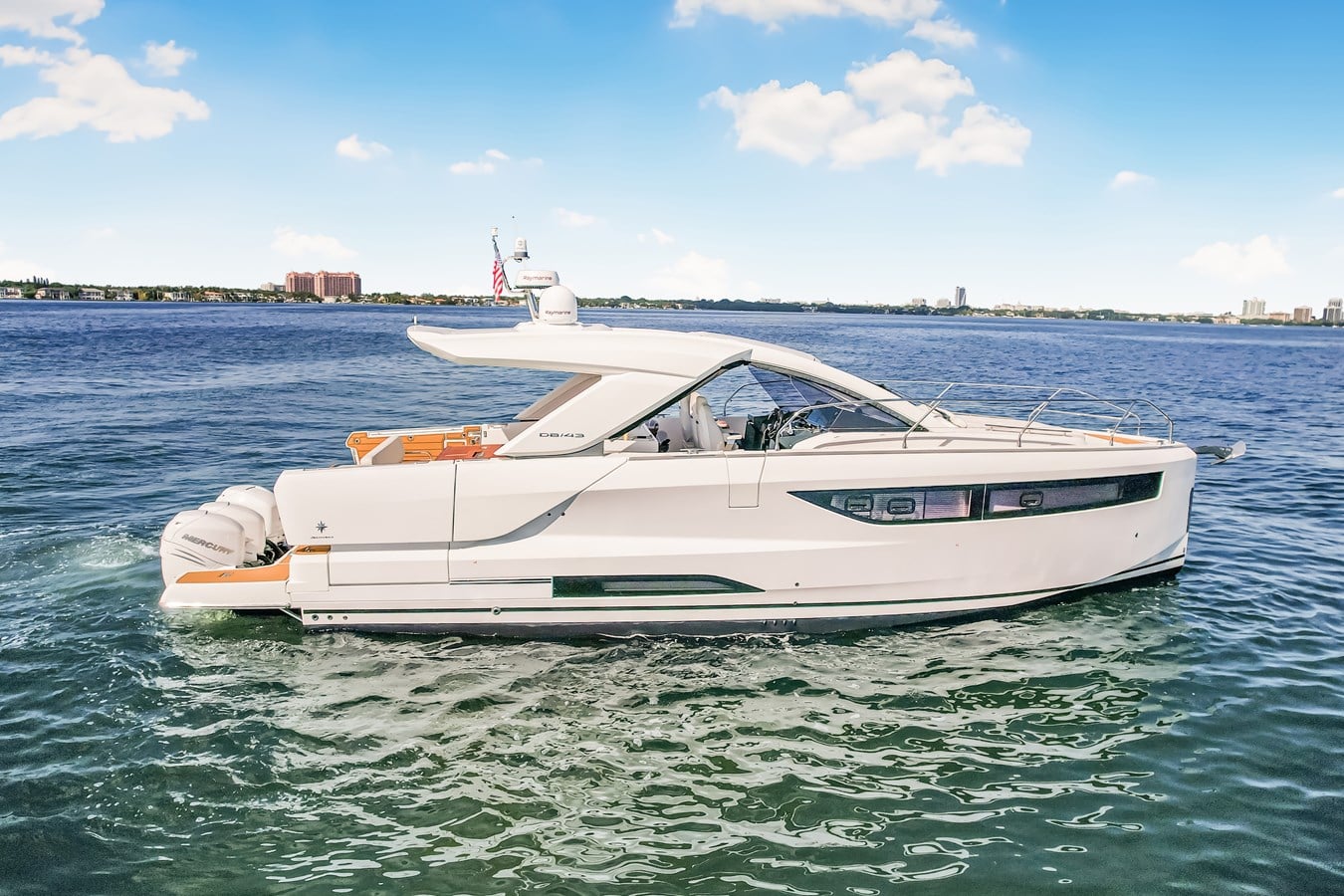 Kíkẹ́ Ọkọ̀ Ojú Omi Tí Ó Dára Láti Yan Láti Inú Àwọn Tí Kò Jú Ẹsẹ̀ Ànjáǹlá 50 Lọ: Ìfiwera Láàrin Axopar, Back Cove, Jeanneau, Beneteau & Grady-White">

A 40–50 ft yacht typically requires a marina slip of at least 50–55 ft and a beam clearance of 12–15 ft; most coastal cruisers in this class have drafts under 6 ft and engines rated between 200–800 HP, factors that directly affect fuel logistics, berth availability, and short-term charter viability.
Practical considerations for first-time owners
First-time yacht buyers should prioritize operational logistics: slip dimensions, fuel consumption per nautical mile, and maintenance network coverage. A brand with widespread dealer service reduces downtime and towing distances when parts or repairs are needed, lowering long-term ownership costs and making itineraries more reliable for weekend getaways or short charter seasons.
Key purchase metrics at a glance
| Metric | Why it matters | Recommended range (small yachts) |
|---|---|---|
| Slip length | Prevents overhang fines and ensures safe berthing | 50–55 ft |
| ထည် | Determines marina fees and dock handling | 10–15 ft |
| ร่าง | Affects cruising grounds and shallow-water access | <6 ft for coastal cruising |
| Fuel range | Defines day-trip reach and refueling logistics | 100–300 nm depending on hull and tanks |
What to look for in brands under 50 feet
Evaluate each brand against operational priorities: hull design for stability, accessibility of parts and service, and resale strength. For tourism operators or private owners planning charters, passenger comfort and cabin flexibility are equally important.
Size and layout
Yachts under 50 ft vary from open-deck dayboats to compact cruisers with comfortable berths. If you plan multi-day coastal trips or hosting guests, choose a model with a roomy salon and at least one head and galley. For predominantly day use—fishing or watersports—an open cockpit and modular seating work best.
Performance and handling
Look for hulls offering predictable handling at low speeds and confidence in moderate chop. Brands with multiple outboard or sterndrive configurations often provide easier maintenance and quicker engine swaps in many regions.
Build quality and durability
Materials such as fiberglass and, in performance models, carbon-fiber reinforcements influence stiffness and longevity. Brands with documented quality control and solid warranty networks reduce operational risk and improve resale prospects.
Brand breakdown: strengths and typical use
- Axopar — Scandinavian design focused on performance and versatility; great for owners who want sporty cruising, watersports, and stylish day charters.
- Back Cove — U.S.-built pilothouse cruisers known for practicality, comfortable weekend cruising, and straightforward systems for low-maintenance ownership.
- Beneteau — Strong resale value with refined sail and motor models; good choice for owners prioritizing design, comfort, and established dealer networks.
- Jeanneau — Innovative layouts and fuel-efficient hulls; ideal for those who want modern amenities and ease of handling in coastal waters.
- Grady-White — Rugged offshore performance for anglers and coastal cruisers, offering stability and seaworthiness in rougher conditions.
New vs used: an operator’s perspective
New yachts offer warranties and the latest systems but depreciate rapidly. Used vessels can be excellent value—especially early-model examples of reputable brands—but require thorough surveys and checks on engine hours, hull integrity, and service records. For tourism operators considering charter fleets, a mix of newer core vessels and well-inspected pre-owned backups can optimize capital expenditure.
Checklist before purchase
- Conduct a professional survey and sea trial.
- Verify parts availability and service network in your cruising area.
- Estimate total cost of ownership: insurance, storage, berthing, and maintenance.
- Consider conversion needs if you plan to use the yacht for excursions or charter.
Highlights: choosing the right small yacht under 50 ft influences route planning, passenger comfort, and operational costs. Practical factors such as berth size, draft, fuel range, and dealer networks are as important as aesthetics. Even the best reviews can’t replace firsthand experience—on GetExperience, you book verified providers and inspect options via vouchers and secure payments, tailoring tour requests and receiving offers that match your needs. This makes it easier to compare hands-on experiences and avoid surprises. Book your Trip GetExperience.com
In summary, prioritise functional specs—slip length, beam, draft, fuel range—and align those with intended use: leisure day trips, overnight cruising, or small-scale chartering. Axopar, Back Cove, Beneteau, Jeanneau, and Grady-White each occupy distinct niches, from sporty dayboats to comfortable pilothouse cruisers. With careful selection and a clear assessment of logistics and costs, buyers can enjoy memorable travel experiences, from adventure activities and safari-style coastal trips to luxury adventure travel experiences, yacht parties, cruise packages, museum tours with live guides, online virtual tours, and interactive workshops—ensuring each outing feels like a crafted adventure.