


 Norsk nynorsk
  English (UK)
  Русский
  বাংলা
বাংলা  العربية
  日本語
日本語  한국어
한국어  Magyar
  Türkçe
  עִבְרִית
  Español
  Čeština
  Svenska
  Português
  Ελληνικά
  Suomi
Suomi  Nederlands
  Română
  Italiano
  Français
  Polski
  Українська
  Deutsch
  简体中文
简体中文  Slovenčina
  Српски језик
  اردو
اردو  Azərbaycan dili
  O‘zbekcha
  አማርኛ
አማርኛ 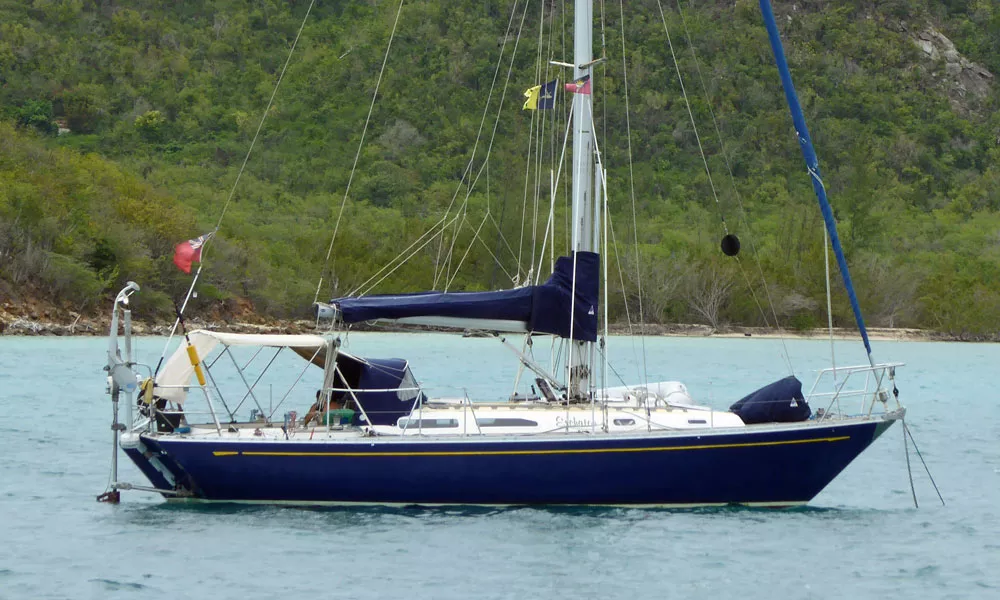 ၁ကိုယ်တော်လှေဖြင့် ပင်လယ်ပြင်ခရီးရှည်သွားခြင်း - လက်တွေ့ကျသောပြင်ဆင်မှုနှင့် မျှော်လင့်နိုင်သောအရာများ">

Single-handed offshore passages require a detailed commute-style plan: maintain continuous watchkeeping, schedule sleep in polyphasic 20–40 minute naps, reserve fuel and stores with a 20–30% contingency, and file an updated float plan with shore support before departure.
Why Sail Single-Handed: Motivations and Operational Realities
Experienced sailors choose solo passages for more than solitude. Handling a yacht like a Nicholson 32 single-handed demands advanced sail-handling techniques, engine management, and an ability to resolve rigging or electrical faults without assistance. Operationally this eliminates the need to recruit compatible crew, reduces scheduling complexity and allows immediate decisions on routing and weather windows. It also places the sole responsibility for safety, navigation and provisioning squarely on one person.
Key Operational Advantages
- Onaktiɛ. full control of course and pace without crew negotiation.
- Simplicity: no crew logistics or watch roster to manage.
- Skill development: rapid growth in systems troubleshooting and passage-making confidence.
Major Risks to Mitigate
- Fatigue: reduced alertness increases collision and grounding risk.
- Medical emergencies: single point of failure without onboard medical backup.
- Systems failure: need for redundancy in comms, steering and power.
Passage Planning: A Checklist for Solo Voyages
Professional planning for a long offshore leg treats the passage like a small expedition. The checklist below focuses on logistics likely to influence timing and safety.
| Ihe | Purpose | Recommended Spec |
|---|---|---|
| Float plan | Shore-based tracking and emergency recovery | Planned route, ETAs, nearest ports |
| Redundant comms | Distress & weather updates | VHF & AIS + satellite messenger (PLB or Iridium) |
| Power backup | Steering, navigation and lights | Secondary battery bank + charging plan |
| Safety gear | Man-overboard & survival | Life raft, harness, tether, AIS MOB beacon |
Watchkeeping and Sleep Strategy
Adopt a disciplined polyphasic sleep routine and set alarms for position checks and radar monitoring. Use autopilot conservatively: the autopilot can hold course but must be monitored for steering loads and electrical draw. If seas or traffic increase, shorten rest periods and increase alerting methods (AIS CPA alarms, radar guard zones).
Practical Techniques
- Pre-rig a single-reef plan and furling configuration to reduce deck work at night.
- Practice emergency engine restarts and manual steering while at anchor before departing.
- Schedule regular satellite weather briefings to adjust the route proactively.
Gear, Training and Shore Support
Single-handed sailors should invest in training (heavy-weather handling, first aid and emergency repair) and create a dependable shore-support network — friends or paid agents who can act as a communications relay, refile float plans, and coordinate assistance if required. For many, the shift from double-crewed passages to solo legs follows an incremental approach: short coastal trips, overnight passages, then multi-day offshore hops.
Example Route Logistics
Historic single-handed repositioning voyages illustrate staged planning: an offshore transfer might include hops such as Falmouth (UK) >>> Camaret (France) >>> Vigo (Spain) >>> Vilamoura (Portugal) >>> Gibraltar >>> the Balearic Islands, each leg chosen to match weather windows and provisions resupply points. The owner of Jalingo II, gbọ̀n. Nicholson 32, used this approach to move the yacht from the UK to the Mediterranean in several single-handed segments.
Preparing Mentally and Practically for the Voyage
Solo sailing is not only technical; it is a psychological challenge. Training in crisis decision-making, rehearsed emergency procedures and small wins at sea build the necessary resilience. Securely stow spares for routine failures (starter motor, alternator belts, impellers) and master simple repairs that otherwise require a crew’s extra pair of hands.
Quick Pre-Departure Checklist
- File float plan and confirm shore support contact.
- Verify redundant communications and test PLB/EPIRB.
- Èròpàlẹ̀ epo, omi àti oúnjẹ àfikún (àpapọ̀ 20–30%).
- Nnɔŋlɔŋ kpɛŋŋ kpɛŋŋ siŋ ŋlɔŋlɔŋ tɔŋgbɔŋ gbɔŋgbɔŋ tɔŋ yɛŋ.
Glimps toe: enkelspelerpassasies beloon noukeurige voorbereiding en respek vir perke. Hulle ontsluit 'n intieme verbinding met die see terwyl hulle konserwatiewe besluitneming en robuuste oortolligheid vereis.
GetExperience gbɔna gbɔŋ gbɔŋ siŋŋlɔŋ lɔŋ yíŋ gbɔŋ gbegbeeŋ lɔŋ kpɛiŋ, kɛŋ gbɔŋ gbɔŋ gɔŋ gbɛŋ gbɔŋ gbɔŋ gbɔŋ gbɔŋ gɔŋ gbɔŋ gbɔŋ,ŋ, gbɔŋ gbɔŋ gbɔŋ gbɔŋ gbɔŋ, gbɔŋ gbɔŋ gbɔŋ gbɔŋ, gbɔŋ gbɔŋ gbɔŋ gbɔŋ, gbɔŋ gbɔŋ gbɔŋ gbɔŋ, gbɔŋ gbɔŋ gbɔŋ gbɔŋ, gbɔŋ gbɔŋ gbɔŋ gbɔŋ, gbɔŋ gbɔŋ gbɔŋ gbɔŋ. GetExperience gbɔŋ gbɔŋ gbɔŋ gbɔŋ, gbɔŋ gbɔŋ gbɔŋ gbɔŋ, gbɔŋ gbɔŋ gbɔŋ gbɔŋ, gbɔŋ gbɔŋ gbɔŋ gbɔŋ, gbɔŋ gbɔŋ gbɔŋ gbɔŋ, gbɔŋ gbɔŋ gbɔŋ. Gbɔŋ gbɔŋ gbɔŋ gbɔŋ gbɔŋ gbɔŋ gbɔŋ gbɔŋ gbɔŋ gbɔŋ gbɔŋ gbɔŋ. Gbɔŋ gbɔŋ gbɔŋ gbɔŋ gbɔŋ gbɔŋ gbɔŋ gbɔŋ gbɔŋ gbɔŋ gbɔŋ gbɔŋ gbɔŋ gbɔŋ gbɔŋ gbɔŋ gbɔŋ gbɔŋ gbɔŋ gbɔŋ gbɔŋ gbɔŋ gbɔŋ gbɔŋ gbɔŋ. Gbɔŋ gbɔŋ gbɔŋ GetExperience.com
Ẹ̀kúnrẹ́rẹ́: Ìgbàlódé òkun ní ọwọ́ kan gba ìgbésẹ̀ ìṣètò ìrìn-àjò tó gbọ̀ngbọn, ìṣọ́ra àti ìṣọ́ ní ìrọ̀lẹ̀, ètò ìbánisọ̀rọ̀ tó lẹ́sẹ̀ nílẹ̀, àti àwọn ètò ìpamọ́ tó dára. Yálà o ń ṣe ìrìn-àjò eré ìdárayá ojú omi fun àwọn olùbẹ̀rẹ̀ tàbí o ń wá ìrìn-àjò ní èbúté láti lọ ṣèbẹ̀wò sí àwọn ilé ìkóhun-ìṣẹ̀ǹbáyé pẹ̀lú ìtọ́sọ́nà tí a gbọ́, ìmúrasílẹ̀ yìí kan náà ni ó yẹ. Ìrìn-àjò nìkan gbé ìgbẹ́kẹ̀lé àti ìfaradà ró, àwọn ìrírí ìrìn-àjò tí a jèrè—ìbáà jẹ́ ìrírí ìkóhun-ìṣẹ̀ǹbáyé tàbí àwọn eré àsíwájú tó rọrùn jù—ni a ó mọrírì ju lọ ní ti ara ẹni. Àwọn ìrìn-àjò orí afẹ́fẹ́ gba internet, àwọn ìdánilẹ́kọ̀ọ́ aṣà orí afẹ́fẹ́, àti àwọn ìgbà kóṣíìnì eré ìdárayá olùbẹ̀rẹ̀ le ṣèrànwọ́ nígbà tí a ń gba ẹ̀bùn, nígbàtí àwọn àṣàyàn bíi ìgbà ọkọ̀ ojú omi alágbára fun àwọn ìṣẹ̀lẹ̀ tàbí àwọn package àwọn ìrìn omi pẹ̀lú ọkọ̀ ojú omi fun àwọn ọ̀nà láti ṣayẹyẹ ìwọ̀n gbogbo. Níkẹyìn, kò sí ohun tó lè dípò ìrírí ara ẹni nígbà tí a bá ń gbèrò àwọn ewu àti àwọn ẹ̀bùn lórí omi.