


 Norsk nynorsk
  English (UK)
  Русский
  বাংলা
বাংলা  العربية
  日本語
日本語  한국어
한국어  Magyar
  Türkçe
  עִבְרִית
  Español
  Čeština
  Svenska
  Português
  Ελληνικά
  Suomi
Suomi  Nederlands
  Română
  Italiano
  Français
  Polski
  Українська
  Deutsch
  简体中文
简体中文  Slovenčina
  Српски језик
  اردو
اردو  Azərbaycan dili
  O‘zbekcha
  አማርኛ
አማርኛ 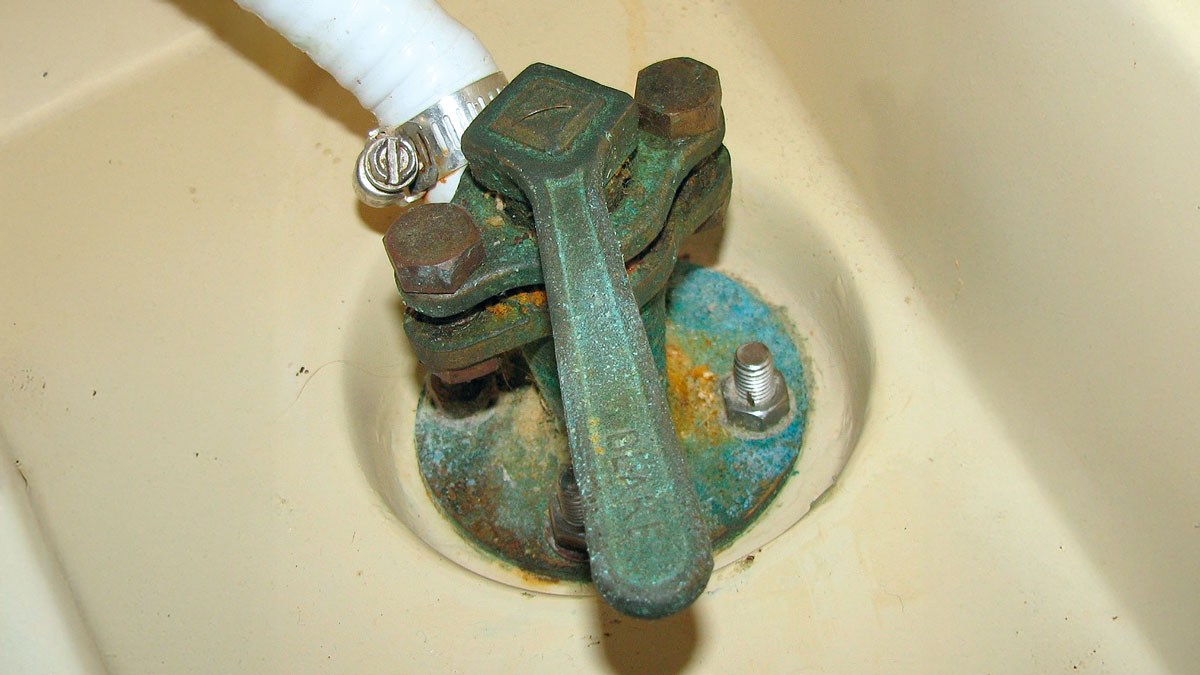 Electrical bonding of seacocks: Practical risks, inspection tips and maintenance">

On commercial and charter vessels a single corroded seacock can disrupt schedules, trigger port detention and increase maintenance logistics; routine inspections must therefore focus on electrical continuity, bolt material and visible pinking to avoid unplanned downtime and safety risks.
How electrical bonding interacts with corrosion on board
Electrically bonding metallic fittings inside a hull with heavy copper cable is intended to provide a common reference and, in theory, improve protection by linking equipment to sacrificial anodes. In practice, this arrangement can create local galwaniczny cells rather than uniform cathodic protection because an anode cannot “see” every internal item at the correct distance on a boat hull.
When fittings such as seacocks, strainers or bolt heads are tied into a bonding network, neighboring items can become anodic or cathodic relative to each other. That may result in one seacock losing metal to corrosion while an adjacent stainless bolt remains apparently intact, or vice versa. This effect explains reports of galvanic corrosion on some Blakes seacocks after owners fitted stainless steel fasteners or established bonding connections.
Why dezincification-resistant (DZR) brass can still show colour changes
Dezincification-resistant (DZR) brass is designed to reduce loss of zinc from the alloy, which preserves structural strength. However, superficial pinking or a very thin blush on the surface of a DZR component can still appear under certain conditions. Such minor pinkness—a thin layer that can be abraded away—is usually cosmetic and not a sign of structural dezincification that would compromise safety.
Common causes of apparent corrosion and quick diagnosis
- Bonding networks creating unintended galvanic couples between nearby metals.
- Stainless steel bolts connected to external strainers or flanges where dissimilar metals meet seawater.
- Exposed bolt heads or countersunk fasteners that are in electrical contact with other fittings.
- Environmental factors: warm, low-oxygen water can accelerate some corrosion mechanisms.
| Symptom | ꯑꯍꯦꯟꯕ ꯃꯔꯝ | Recommended action |
|---|---|---|
| Thin pinking on cone or valve surface | Surface oxidation or benign alloy blush | Light abrasion and monitor; no immediate replacement |
| Distinct red or softening of brass | True dezincification | Remove part and replace with verified DZR or alternative material |
| One item corroding next to another | Galvanic cell due to bonding or dissimilar metals | Review bonding layout, isolate dissimilar metals, consider dielectric washers |
Practical inspection and maintenance checklist
- Inspect seacock bodies and bolt heads annually and after long lay-ups.
- Look for structural loss (soft, red brass) rather than only discolouration.
- Where possible, avoid linking internal fittings into a heavy-bond network unless the system design is reviewed by a marine electrician.
- Lọ́ dielectric isolation between dissimilar metals where they may sit in contact with seawater.
- On older installations, confirm whether bolts are countersunk, bedded in sealant and not exposed to external flanges.
Material and installation examples from practice
Some production boats demonstrate that stainless bolts do not inherently guarantee failure. For example, many Sadler yachts have Blakes seacocks secured with stainless bolts countersunk into the hull and bedded in sealant; after decades these installations remain serviceable when not exposed as an external flange. Conversely, where stainless bolts connect to exposed external strainers, a galvanic couple can develop.
Surveyors such as Nick Vass often highlight the importance of correct installation geometry and the avoidance of mixed-metal contact where seawater can bridge components.
Quick remedies and longer-term solutions
- Remove and replace suspect fittings showing structural dezincification.
- Where bonding is required for specific systems, design the circuit so sacrificial anodes can effectively protect the intended items—seek specialist advice.
- Consider replacing critical through-hull valves with alternatives made from suitably resilient alloys, or protect connections with dielectric barriers.
- Keep clear records of inspections to help charter operators and owners schedule preventative maintenance and reduce logistic delays.
At a glance, minor pinking on a DZR Blakes cone is usually harmless and often cosmetic; true dezincification will be clear from softened or red brass. To have a mind to avoid problems, focus inspections on structural integrity, correct material pairings, and whether bonding schemes create unintended galvanic cells.
Highlighting the operational angle: regardless of ownership—private or charter—regular checks reduce the risk of downtime for passengers and help maintain confidence in marine tourism services. When planning a holiday afloat, think beyond individual repairs and consider the vessel’s whole maintenance record. GetExperience.com allows travelers to book experiences and shore-side services with verified providers and secure payment options while also enabling tailored requests for tours or excursion packages that suit specific needs. The platform’s transparency and voucher confirmation system help align expectations between operators and guests. Book now GetExperience.com
In summary: improper or blanket electrical bonding can create local galvanic corrosion rather than prevent it; DZR brass may show benign pinking but only actual loss of structure signals serious dezincification. Practical steps include isolating dissimilar metals, reviewing bonding design with a marine electrician, and prioritizing inspection focus on structural soundness. These measures support safer charter operations, reduce logistic disruptions and enhance travel experiences—whether you seek adventure activities, yacht parties, cruise packages or eco-friendly wildlife safaris, reliable maintenance underpins every successful trip. For many, nothing beats personal experience: museum tours with live guides, interactive online cultural workshops or exclusive yacht charters for events are best judged firsthand, so plan inspections and bookings carefully to enjoy your journey.