


 Norsk nynorsk
  English (UK)
  Русский
  বাংলা
বাংলা  العربية
  日本語
日本語  한국어
한국어  Magyar
  Türkçe
  עִבְרִית
  Español
  Čeština
  Svenska
  Português
  Ελληνικά
  Suomi
Suomi  Nederlands
  Română
  Italiano
  Français
  Polski
  Українська
  Deutsch
  简体中文
简体中文  Slovenčina
  Српски језик
  اردو
اردو  Azərbaycan dili
  O‘zbekcha
  አማርኛ
አማርኛ 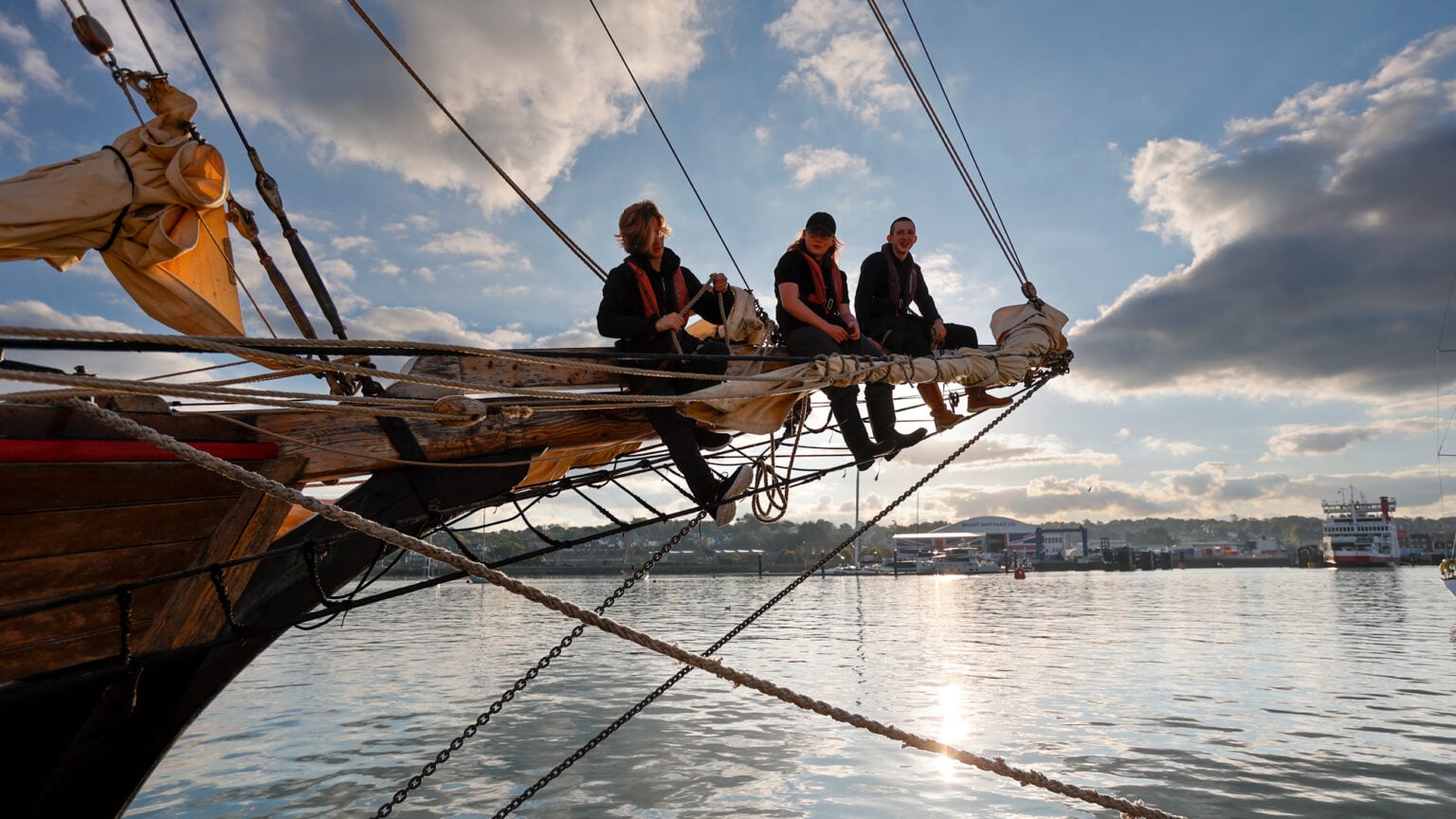 Nea Sail Training ŋlɔŋlɔ̃ŋ ŋɔŋlɔ̃ŋŋ ŋlɔŋlɔ̃ ŋlɔ̃ŋlɔ̃, eye gbɔŋ ŋlɔŋlɔ̃ŋ kple gbɔŋ ŋlɔŋlɔ̃ŋ gbɔŋ gbɔŋlɔ̃.">

ASTO supports more than 30 member charities operating over 50 vessels, running programmes that reach more than 12,000 young people annually, with pre-pandemic outcomes reporting 90% improved wellbeing and 93% increased sense of achievement for participants.
Logistics of delivering learning at sea
Sail training voyages require tight coordination of embarkation points, crew-to-participant ratios, safety briefings, and mentor assignments to meet complex social and emotional needs. Vessels such as Boleh na Morning Star are deployed alongside smaller fleet members from organisations like the Island Trust and the Rona Sailing Project, creating a patchwork of coastal and offshore programmes that governments, local authorities, and social services can plug into.
Onboard logistics are deliberately structured: tasks are allocated across watches, duty rosters are used to teach responsibility, and mentors—often trained in youth work and mental-health first aid—manage individual support plans. This operational model flattens social hierarchies and gives young people discrete, achievable responsibilities in a contained environment.
Who benefits: profiles of “out-of-sight learners”
- Young people in care or foster systems
- Home-educated individuals awaiting formal enrolment
- Those caring for family members or with practical barriers to school attendance
- Young people who have disengaged from conventional classroom settings for emotional or social reasons
Onboard activities and measurable outcomes
Aboard sail-training vessels, practical duties—helming, navigation, cooking, sail handling—double as structured learning units. The combination of practical skill-building and emotional support produces measurable shifts in behaviour and aspiration once participants return to shore.
| Onboard Task | Learning Focus | Typical Outcome |
|---|---|---|
| Helming and watchkeeping | Responsibility, concentration | Improved self-agency and routine |
| Navigation and passage planning | Problem‑solving, teamwork | Enhanced communication and decision-making |
| Galley duties and provisioning | Planning, hygiene, cooperation | Stronger social bonds and practical life skills |
How voyages link to next steps ashore
Voyages act as transitional platforms. Practical achievements at sea restore routines and confidence, making participants more likely to pursue education, apprenticeships, or vocational routes. Programmes often include formal debriefs and referral pathways to local colleges, language-integration programmes, and maritime apprenticeships.
- Return to mainstream education or specialist programmes
- Apprenticeships and vocational training
- Language integration and community services
- Longer-term maritime careers for motivated participants
Why the sea setting matters
The combination of nature, reduced screen time, and uninterrupted peer interaction delivers mental-health benefits that are hard to replicate on land. Small-crew dynamics create a contained social laboratory where mentoring can be more focused and where progress is visible and rapid.
Tall Ships and tourism links
Events such as the Tall Ships Race bring these vessels into port towns and create tourism opportunities. When a fleet visits a city, local economies see increased footfall, and visitor programmes—guided tours, museums, and waterfront festivals—can introduce the public to sail-training charities, attracting volunteers and donors.
Practical considerations for providers and funders
Successful sail-training delivery depends on consistent funding, safe crewing standards, and coordinated transport logistics to and from ports. Partnerships with schools, social services, and tourism operators can underwrite voyages while creating local inward tourism benefits: museum tours with live guides, harbour-side hospitality, and family-friendly events often accompany sail-training visits.
For travellers and organisers thinking about integrating sail-training into tourism offerings, consider packaging shore-based cultural programmes with short day sails or taster voyages to broaden appeal without compromising the programme’s social objectives.
Despite solid outcome data and repeat case studies, even the best reviews and most honest feedback can’t truly compare to personal experience. On NnwetaAhụmahụ, gbɔŋ ŋɔŋlɔŋ ŋɔŋlɔŋ, gbɔŋ ŋɔŋlɔŋ ŋɔŋlɔŋ. gbɔŋ ŋɔŋlɔŋ, gbɔŋ ŋɔŋlɔŋ ŋɔŋlɔŋ ŋɔŋlɔŋ gbɔŋ ŋɔŋlɔŋ. gbɔŋ ŋɔŋlɔŋ ŋɔŋlɔŋ gbɔŋ ŋɔŋlɔŋ ŋɔŋlɔŋ ŋɔŋlɔŋ ŋɔŋlɔŋ, gbɔŋ ŋɔŋlɔŋ gbɔŋ ŋɔŋlɔŋ ŋɔŋlɔŋ gbɔŋ ŋɔŋlɔŋ ŋɔŋlɔŋ gbɔŋ ŋɔŋlɔŋ. gbɔŋ ŋɔŋlɔŋ ŋɔŋlɔŋ GetExperience.com
Gbogbo ninu, ikẹkọ oko oju omi dapọ mọ iṣakoso eekaderi ti o muna, awọn iṣẹ ṣiṣe ti a ṣe eto lori ọkọ, ati imọran ti oye lati tun sopọ akụkụ mmụta ndị a na-adịghị ahụ anya mhụ̂nlụ́ ùgbọ̀ mmírí na otú mmụ́ta na obodo. Ụzọ̀ ahụ́ na-emepụta mmelite a ga-atụ̀tùrụ̀ atụ̀ n’ịdịmma, nkwukọrịta, na mmezu ma mepụta ụzọ̀ doro anya n’ikpere mmírí n’ime mmụ́ta, ọrụ aka, ma ọ bụ ọrụ ụgbọ̀ mmírí. Maka ndị njem na ndị mmekọ njem nlegharị anya, itinye ihe omume ọzụzụ ụgbọ̀ mmírí na mmemme ọdịbendị na mmemme dị n’ikpere mmírí—dị ka oriri ụgbọ̀ mmírí, ngwugwu ụgbọ̀ mmírí, njem nlegharị anụ ọhịa ebe obibi na-adịgide adịgide, njem nlegharị anya n’ụlọ́ ihe mgbèe dị iche iche na ndị nduzi dị ndụ, ma ọ bụ ọmụmụ ihe ọdịbendị n’ịntanetị na-emekọrịta ihe—nwere ike ịgbasa ndị na-ege ntị na ntọala ego. Ma ị na-enyocha ihe omume ihe egwu, njem nlegharị anya mebere n’ịntanetị, ma ọ bụ ahụmịhe njem ihe egwu okomoko, ahụmịhe onwe onye ka bụ onye nkuzi kacha mma.