


 Norsk nynorsk
  English (UK)
  Русский
  বাংলা
বাংলা  العربية
  日本語
日本語  한국어
한국어  Magyar
  Türkçe
  עִבְרִית
  Español
  Čeština
  Svenska
  Português
  Ελληνικά
  Suomi
Suomi  Nederlands
  Română
  Italiano
  Français
  Polski
  Українська
  Deutsch
  简体中文
简体中文  Slovenčina
  Српски језик
  اردو
اردو  Azərbaycan dili
  O‘zbekcha
  አማርኛ
አማርኛ 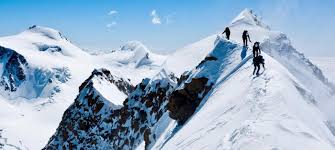 How Nepal’s Climbing Restrictions Are Shaping the Future of Himalayan Tourism">

Protecting the Himalayas: A New Era of Responsible Climbing
Nepal is stepping up efforts to preserve its majestic high mountains, including the iconic Mount Everest, by introducing a comprehensive five-year action plan focused on maintaining cleanliness and managing climber numbers. This initiative directly addresses the longstanding challenge posed by waste accumulation on Himalayan peaks, marking a significant shift towards sustainable adventure tourism.
Background: The Growing Issue of Mountain Waste
Over decades of mountaineering, Nepal’s towering peaks have seen mounting environmental pressures. The heaps of discarded gear, trash, and human remains have become a severe problem, especially on Everest and surrounding peaks like Lhotse and Nuptse. Recently, as much as 83 metric tonnes of garbage was collected in a single climbing season, underscoring the urgent need for intervention.
Key Measures in the Action Plan (2025-2029)
The plan, introduced by Nepal’s Ministry of Culture, Tourism, and Civil Aviation, comes in response to a Supreme Court directive which mandates the government to regulate climber permits based on the number of mountaineers allowed. It envisions a balanced approach combining ecological care with mountain tourism.
| Measure | Description |
|---|---|
| Climber Quotas | Limit the number of climbers per season to reduce congestion and environmental strain. |
| Regulated Expedition Timing | Control the timing of climbs to fit the short favorable weather windows, preventing overcrowding. |
| Waste Management Teams | Deploy specialized teams of experienced mountaineers tasked with waste collection and monitoring above base camps. |
| Inventory Controls | Require climbers to declare and register all equipment upon entry and ensure its return post-expedition. |
| Biodegradable Materials | Mandate the use of biodegradable banners, flags, and prayer flags with size limits; non-biodegradable items must be carried back. |
| Feasibility Studies | Explore innovative waste removal using ropeways, drones, and assess relocating Everest Base Camp to ease pollution. |
Monitoring and Enforcement
An essential aspect of the plan is the enforcement of strict regulations on climbing materials used during the rope-fixing phase, ensuring all ropes, ladders, and related gear are accounted for and removed by the end of the season. This hands-on approach aims to curb the root cause of early-season waste buildup.
The Impact on Himalayan Tourism
This new strategy resonates strongly with the growing global movement toward sustainable tourism practices, especially in fragile mountain ecosystems. By potentially limiting climbers, Nepal is prioritizing both the natural environment and the safety and quality of experience for adventurers.
For travelers aiming to explore these sublime landscapes, platforms like GetExperience.com provide access to verified tours and adventure activities that align with sustainability in the region. Booking excursions here not only ensures convenience and security with full online payments and voucher confirmations but also offers tailored options to suit different preferences, whether one seeks a guided trekking expedition or cultural immersion in the shadows of the Himalayas.
Mountain Cleanliness and Cultural Respect Raised to New Heights
The rules about biodegradable climbing materials reflect a sensitivity to the spiritual significance of the mountains for local communities, who have long viewed these peaks as sacred abodes. Maintaining the natural and cultural balance is crucial as tourism evolves to be more conscientious and protective.
Summary of What This Means for Adventurers and Travelers
- Better Environmental Management: Cleaner mountains enhance the trekking and climbing experience.
- Reduced Congestion: Limits on climbers will diminish the overcrowding risks during narrow weather windows.
- Stricter Equipment Control: Inventory checks help ensure climbers carry out what they bring in, reducing waste.
- Technological Innovations: Potential use of drones and ropeways could revolutionize waste removal, safeguarding the wilderness.
- Nnɔŋ ŋɔŋlɔŋ gbegbɔŋ: Emphasis on biodegradable materials respects the spiritual traditions tied to the Himalayas.
Experience is the Best Teacher
While comprehensive plans and regulations pave the way for cleaner and more sustainable mountain tourism, nothing substitutes the impact of firsthand experience. Engaging with the majestic Himalayas through carefully planned adventure trekking or mountaineering helps travelers appreciate the delicate balance needed between exploration and preservation. On NnwetaAhụmahụ, adventurers find a curated selection of expert-led tours and activities, priced fairly and transparently, facilitating responsible travel choices. This gives travelers the freedom to enjoy luxury adventure travel experiences, eco-friendly wildlife safaris, interactive cultural workshops, and even outdoor adventure rafting trips for beginners, all designed to enrich your journey without the environmental compromise.
Book your trip today to witness the sublime grandeur of Nepal’s mountains with peace of mind. GetExperience.com
Ikẹkọrita
Nepal’s decision to implement a strict five-year plan restricting climber numbers and regulating expedition logistics marks a vital step in protecting the Himalayan region’s pristine environment. By adopting legal frameworks, enforcing waste management, and exploring innovative solutions, the country aims to mitigate ecological pressures without diminishing the allure of these world-renowned peaks. This balance promises both a safer and more sustainable future for mountaineers and trekkers alike. Whether you are drawn to the challenge of summiting Everest or simply wish to partake in cultural and nature tours, embracing responsible travel through platforms dedicated to verified experiences ensures adventures that honor both the mountains and the communities that treasure them. Such initiatives are crucial to preserving the allure of Nepal’s landscapes for generations to come.