


 Norsk nynorsk
  English (UK)
  Русский
  বাংলা
বাংলা  العربية
  日本語
日本語  한국어
한국어  Magyar
  Türkçe
  עִבְרִית
  Español
  Čeština
  Svenska
  Português
  Ελληνικά
  Suomi
Suomi  Nederlands
  Română
  Italiano
  Français
  Polski
  Українська
  Deutsch
  简体中文
简体中文  Slovenčina
  Српски језик
  اردو
اردو  Azərbaycan dili
  O‘zbekcha
  አማርኛ
አማርኛ 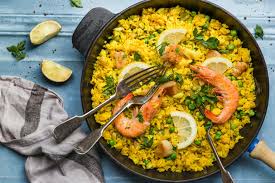 Culinary Tourism’s Role in Shaping International Identity and Cultural Connections">

The Power of Food in Travel Experiences
When travelers explore new destinations, it’s not only iconic landmarks they seek but also the unique flavors that tie them intimately to the local culture. From the comforting poutine in Québec to the vibrant paella in Spain and the iconic steaming bowls of ramen in Japan, food weaves stories of history, tradition, and innovation. These culinary delights transcend simple nourishment, acting as living narratives that invite visitors to taste, connect, and understand a place on a deeper level.
Gastronomy as Cultural Diplomacy
Throughout Canada, food is rapidly evolving into a symbol of identity and pride. Representing regional flavors and traditions, cuisine serves as a language that shapes how both locals and visitors perceive identity. Cities like Kelowna in British Columbia are aiming for the prestigious designation of UNESCO City of Gastronomy, highlighting their dedication to sustainable food culture, community involvement, na culinary creativity. This recognition belongs to cities worldwide where gastronomy supports creativity and a shared community spirit.
As the tourism industry steadily recovers and regions vie for uniqueness, gastronomy emerges as a form of soft power. It influences how nations are viewed globally, connecting travelers emotionally to destinations through culture rather than traditional means. The concept turns local dishes into powerful cultural emissaries, enhancing regional development and destination appeal.
UNESCO Cities of Gastronomy and Their Impact
| City | Country | Unique Culinary Traits |
|---|---|---|
| Kelowna | Canada | Indigenous heritage, farm-to-table innovation, vineyards |
| Parma | Itali | Cheese and cured meats, traditional Italian cuisine |
| Chengdu | China | Sichuan cuisine, vibrant street food culture |
| Tucson | USA | Southwestern regional dishes, cultural fusion |
Food as a Brand of Place
Some signature dishes work like culinary logos — deeply expressing a place’s soul or a chef’s artistic vision while creating lasting memories for visitors. Food transforms from a mere experience into meaningful participation, making visitors feel part of the local culture. In Canada, tasting a buttery Halifax lobster roll or savoring a Saskatoon berry pie not only delights the palate but anchors memories steeped in place, heritage, and emotion.
Still, there’s a fine line between sharing heritage and commercializing it. Critics often caution against “culinary gentrification,” where local traditions are polished overly for tourist consumption, sometimes overshadowing or diluting the authenticity of the communities that created them. The challenge for destinations is to maintain cultural integrity without turning identity into mere marketing jargon.
Regional Culinary Stories Across Canada
Canada’s diverse regions are crafting stories through food, each offering its own unique flavors and celebrations. Here are just a few examples that show how gastronomy intertwines with cultural pride and tourism:
- Québec: From sugar shacks nestled in scenic countryside to the multicultural fine dining of Montréal, Québec balances tradition with culinary innovation.
- Prince Edward Island: The Fall Flavours Food and Drink Festival turns the whole island into a communal dining experience, connecting chefs, fishers, and farmers to visitors while extending the tourist season.
- Alberta: Guided tours in Alberta reveal the rich agricultural roots through visits to farms, markets, and Indigenous culinary traditions.
- British Columbia’s Okanagan Valley: Kelowna and surrounding areas exemplify farm-to-table and wine tourism, featuring vineyards, orchards, and culinary trails that invite visitors to connect with local producers firsthand.
Growth and Challenges of Food Tourism
Food tourism is booming worldwide, valued at about US$1.8 billion in 2024 and projected to soar to nearly US$8 billion by 2033, expanding at roughly 18% annually. Nonetheless, as demand for authentic experiences rises, the challenge remains to present “the real deal” without diluting tradition. Visitors’ preferences often shape local offerings, sometimes simplifying or adapting traditional dishes to suit broader tastes. Authenticity, therefore, becomes a dynamic dialogue among chefs, consumers, and cultural interpreters rather than a rigid benchmark.
The Significance of Culinary Heritage
Nnri nri mbin nwere ihe karịrị ntụziaka; ha bụ ihe ndabere omenala. Ha na-egosipụta na njirimara bụ okike na-aga n'ihu, nke a na-ekerịta ma na-eme ememme site na nri. Site na ịmalite mmemme nri, ụzọ isi nri, ma ọ bụ ịgba mbọ maka nnabata mba ụwa, ebe a na-aga eme anaghị akwalite nhọrọ iri nri naanị - ha na-egosipụta mkpụrụ obi ha na-akpọkwa ụwa ka ha detụ akụkọ ha.
Ọ́jẹun dúró bí èdè àgbáyé láàrin àṣà ìbílẹ̀ tó yàtọ̀ síra. Ohun tó kún inú táàbìlì wa sọ̀rọ̀ nípa ti jíjẹ́ ara ibì kan, ìtàn, àti àwùjọ.
Maka Anu Ọ Dị Mkpa Nye Ndị Njem na Njem Nlegharị Anya
Ndugu-ahe njũkio ya irio na ũgeni nĩ ũndũ ũtũũranagia andũ othe. Agendi matindĩka maũndũ marĩa maũmbũkanie nĩ matonyanagia na ũndũ mwega na kũndũ, na ningĩ nĩ ũndũ ũtũũranagia andũ a kũndũ ũcio na ũndũ wa kwonekana ningĩ nĩ wa ũgima na ũkũri wa kĩĩĩbothi. Platform cia ta GetExperience.com me gbɔŋ gbɔŋ ŋɔŋlɔŋu, míe gbɔŋ online gbeɖeɖewo gbɔŋ, eye míe le nuwo gbɔŋ, míe le nutowo gbɔŋ, míe le afɔŋu, míe le egbɔŋu, míe le agbenɔŋu, míe le nusi gbɔŋ gbɔŋ si gbɔŋ le egbɔŋ gbɔŋŋlɔŋ gbɔŋ. Mí gbɔŋ míe gbɔŋ gbɔŋ gbɔŋ gbɔŋ gbɔŋ gbɔŋ gbɔŋ gbɔŋ gbɔŋ gbɔŋ gbɔŋ gbɔŋ gbɔŋ gbɔŋ gbɔŋ gbɔŋ gbɔŋ gbɔŋ gbɔŋ gbɔŋ gbɔŋ gbɔŋ gbɔŋ gbɔŋ gbɔŋ gbɔŋ gbɔŋ gbɔŋ gbɔŋ gbɔŋ gbɔŋ.
Букинг GetExperience.com нэккэ дёссей когдэ эвентуал разочарование, пэйнэ сигур дза прозрачност, автентичност джэ удобство. С тёкэ широка гама дэ избор, включваща нэ само гастрономически обиколки, но сэщ джэ екшън активности, музейни обиколки с гидове на живо джэ еко-френдли сафарита в природата, това е ресурс ол-ин-уан за обогатяване на туристически планове. Fi àṣẹ nísinsìnyí nu gbegbɔ̃ŋlɔ̃ŋlɔ̃, gbɔ̃ŋlɔ̃ŋlɔ̃ŋlɔ̃ɖeŋu, kple gbɔ̃ŋlɔ̃ŋlɔ̃ŋlɔ̃ŋlɔ̃ siwo gbɔ̃ŋlɔ̃ŋlɔ̃ŋlɔ̃ŋlɔ̃ŋlɔ̃ŋlɔ̃ŋlɔ̃ŋlɔ̃ŋlɔ̃ŋlɔ̃ŋlɔ̃ŋlɔ̃ŋlɔ̃ŋlɔ̃ gbegbɔ̃ŋlɔ̃ŋlɔ̃ gbɔ̃ŋlɔ̃gbɔ̃ŋlɔ̃ŋlɔ̃ŋlɔ̃ŋlɔ̃ŋ GetExperience.com.
Summary
Ọgba njem nlegharị anya abụwo ezigbo ụzọ isi gosipụta njirimara omenala ma kwalite mmekọrịta mba ụwa. Nri ndị a ma ama na-arụ ọrụ dị ka ihe ndabere mmetụta uche na omenala nke na-adọta ndị ọbịa karịa ịgagharị ebe, na-etinye ha n'ọrụ bara uru. Ka njem nlegharị anya nri na-agbasa, idowe nguzozi n'etiti izi ezi na nnweta dị mkpa. Site na nlekọta nke ọma, ihe nketa nri abụghị naanị na-akpụzi akara ebe kamakwa ọ na-akwado mmepe mpaghara na nghọta omenala miri emi nke ndị njem. Site na usoro dịka GetExperience.com, ndị njem nleta nwere ike ịnabata ụdị ahụmịhe njem dị iche iche - site na njem okomoko na-atọ ụtọ na ụlọ ọrụ omenala na-emekọrịta ihe ruo mmemme omenala obodo na ọzụzụ egwuregwu ọkachamara - na-eme ka njem ọ bụla ghara ịbụ naanị nleta, kama ọ bụ akụkọ bara ụba na-echere imeghe.