


 Norsk nynorsk
  English (UK)
  Русский
  বাংলা
বাংলা  العربية
  日本語
日本語  한국어
한국어  Magyar
  Türkçe
  עִבְרִית
  Español
  Čeština
  Svenska
  Português
  Ελληνικά
  Suomi
Suomi  Nederlands
  Română
  Italiano
  Français
  Polski
  Українська
  Deutsch
  简体中文
简体中文  Slovenčina
  Српски језик
  اردو
اردو  Azərbaycan dili
  O‘zbekcha
  አማርኛ
አማርኛ 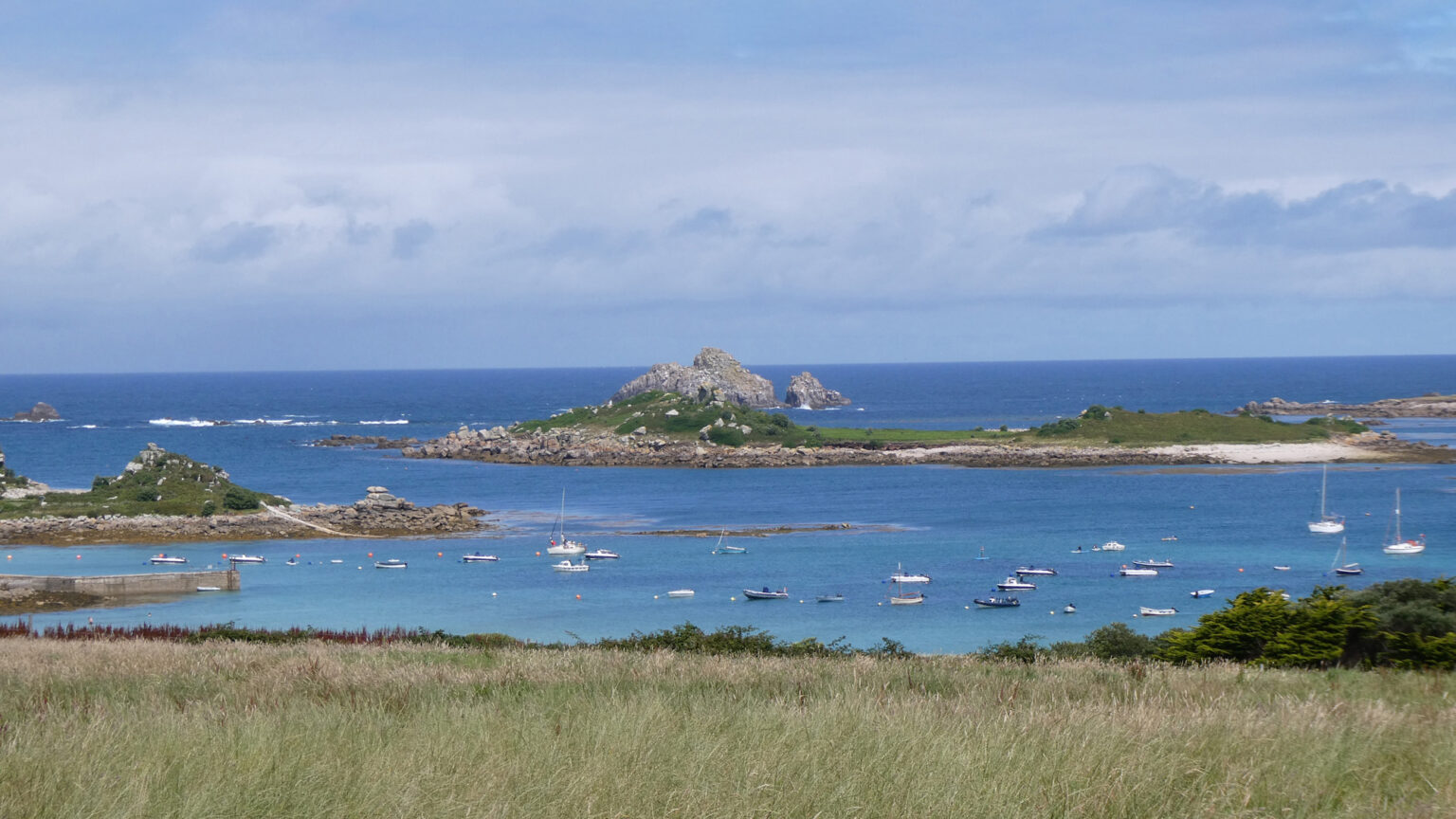 Penzance gbɔŋ Isles of Scilly gbɔŋ—ŋlɔŋlɔŋ ŋɔŋlɔŋ, afɔŋlɔgbɔŋ tsoŋ gbɔŋ gbɔŋ ŋɔŋlɔŋ.">

The shortest route from Penzance to St Mary’s is roughly 28–30 nautical miles, so a Sigma 33 like Odette making 6–7 knots will need a solid half-day under favourable conditions; tidal streams in the approaches can exceed 2 knots and significantly alter ETA and fuel planning.
Weather window and operational constraints
Passage planning to the Isles of Scilly hinges on two operational variables: the wind vector and the resulting swell. Depressions moving in from the Atlantic give unpredictable wind shifts, higher seas and poor visibility, while anticyclonic easterlies often bring stable direction and clearer skies but can generate a steep short-period sea in the Western Approaches.
For a family cruising yacht like Odette, skippered by Michelle with two teenage crew, the decision matrix is straightforward: leave from Penzance during a stable southwesterly or a light easterly that is forecast to ease, avoid the centre of a developing low, and allow contingency for maneuvering between islands if the wind veers.
Local infrastructure: harbours, moorings and anchorages
Not all landing places offer all-weather protection. Hugh Town on St Mary’s and New Grimsby Sound (between Bryher and Tresco) provide the best shelter from an easterly gale, either by visitor moorings or by careful anchoring. There is no foolproof all-weather anchorage around the archipelago: swell can wrap into sheltered spots and make stays uncomfortable or unsafe.
| Location | Protection in Westerly | Protection in Easterly | Awọn Àkíyèsí |
|---|---|---|---|
| Hugh Town (St Mary’s) | Limited | Good | Visitor moorings; crowded in summer |
| New Grimsby Sound | Variable | Good | Anchor off channel; depths change with tide |
| Bay of St Mary’s | Poor (exposed to swell) | Poor | Short fetch; uncomfortable with persistent swell |
Checklist before you weigh anchor
- Confirm forecast trends for wind strength and sea state for at least 24–48 hours.
- Check ETA against tidal streams and plan to avoid adverse tide during the channel crossing.
- Ensure anchor readiness: Odette carried 60m of chain, a sensible reserve for variable holding.
- Verify tender and outboard reliability for shore access if visitor moorings are full.
- Have an alternate plan ashore (Falmouth, Salcombe, or return to Penzance) if conditions deteriorate.
Decision-making: sail now or wait?
When a local skipper ties alongside and reports that boats are leaving ahead of a blow, that information is operationally valuable but not definitive. Local boats often react to specific mooring availability, ferry schedules or a history of sheltered teeth in certain anchorages. For Odette, with a week available before a commitment in Falmouth, the options are:
- Make the crossing immediately and accept the risk of sitting out a short-lived easterly on a sheltered mooring.
- Delay departure, wait for a longer calm window, and risk missing the Falmouth appointment.
- Transit to an intermediate shelter (e.g., Salcombe or nearby coves) and re-evaluate the synoptic chart.
Practical considerations for a Force 7–8 forecast
Forecasts of Force 7–8 require robust seamanship. For a 13m racer-cruiser such as Cutting Edge (skippered by Toby and kept in Salcombe), the margin for making a planned crossing may be greater because of strength and reefing capability. But for family cruising boats with teenagers, comfort, anchor holding and safe access ashore take priority over a tight schedule.
Tourism impact and visitor experience
For visitors, timing affects more than the crossing: it shapes sightseeing, shore excursions and availability of guided services. The Isles of Scilly are a prime summer destination for wildlife trips, museum visits and short cruise packages; arriving after a blow can reduce the number of operators running trips, while calm, clear days unlock more options such as island-hopping, guided museum tours and wildlife safaris.
At a glance, conservative planning tends to preserve the holiday experience: allow days for weather, book flexible shore excursions where possible, and coordinate with providers who understand local weather patterns.
Highlights of local logistics, anchorage choices and weather behaviour show why experienced local advice matters, yet nothing replaces firsthand judgement at sea. On GetExperience, you book your experience from verified providers at reasonable prices. This empowers you to make the most informed decision without unnecessary expenses or disappointments; the platform’s secure payments and voucher confirmations add convenience and peace of mind. Get offers for tailored island tours, boat trips and excursions that match your schedule and comfort level — Book now GetExperience.com
In summary: plan the Penzance–St Mary’s crossing around a clear weather window, factor in tidal streams and shelter availability, have reliable ground tackle (as Odette did), and keep alternatives in mind. Whether you prioritise a quick crossing or a relaxed arrival, the right logistics preserve the travel experience. Thoughtful planning keeps options open for travel experiences, adventure activities, yacht parties and cruise packages, and it connects easily to organised offerings such as safari tours, museum tours with live guides, online virtual tours and interactive online cultural workshops. For families and active travellers, options extend from beginner esports coaching sessions and professional esports training programs to adventure rafting trips for beginners, eco-friendly wildlife safaris, exclusive yacht charters for events and luxury adventure travel experiences — all opportunities to enhance a Scilly trip and make the most of the islands’ unique appeal.