


 Norsk nynorsk
  English (UK)
  Русский
  বাংলা
বাংলা  العربية
  日本語
日本語  한국어
한국어  Magyar
  Türkçe
  עִבְרִית
  Español
  Čeština
  Svenska
  Português
  Ελληνικά
  Suomi
Suomi  Nederlands
  Română
  Italiano
  Français
  Polski
  Українська
  Deutsch
  简体中文
简体中文  Slovenčina
  Српски језик
  اردو
اردو  Azərbaycan dili
  O‘zbekcha
  አማርኛ
አማርኛ 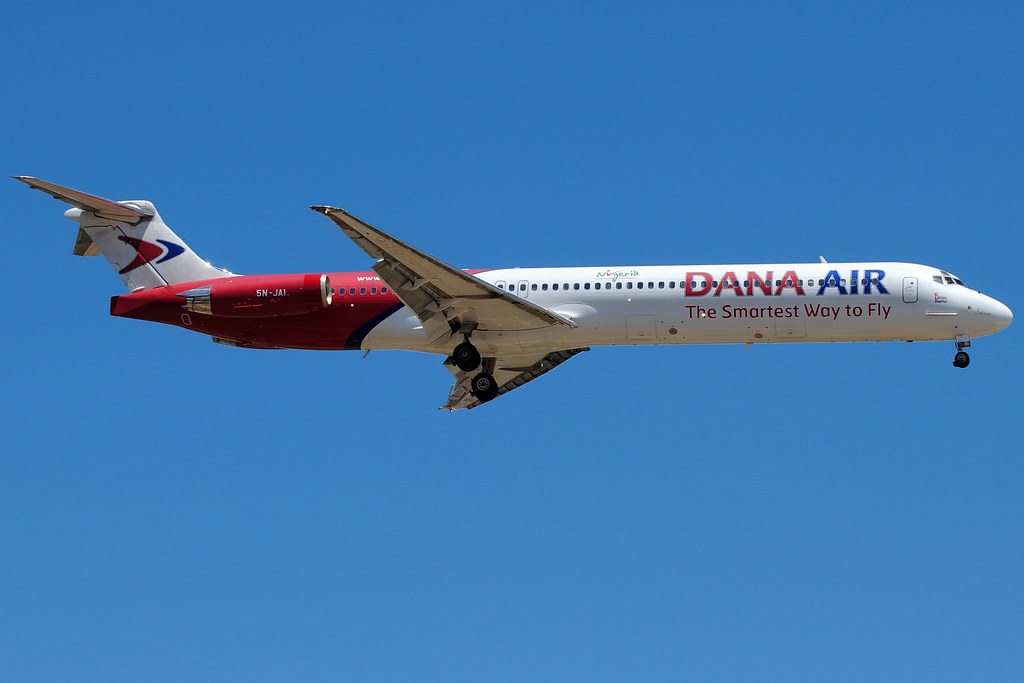 Nnàìjíríà Ìgbésẹ̀ sí Ìṣòro Dana Air: Tító àwọn Ohun-ìní Nílẹ̀ Láàrin Ààbò àti Ìṣòro Owó">

Entering a New Phase for Nigeria’s Aviation Sector
Nigeria is taking decisive action in the aviation sector by moving to liquidate the remaining assets of Dana Air. This move aims to clear outstanding debts owed to both passengers and industry stakeholders following concerns about the airline’s safety standards and financial health that led to regulatory license withdrawal.
The Background: Dana Air’s Grounding and Fleet Composition
Grounded since April 2024, Dana Air once operated a fleet mainly composed of MD-82/83 na Boeing 737 Classic aircraft. These assets have become focal points in a debt recovery initiative designed to reimburse affected parties. This moment is pivotal in sub-Saharan Africa’s aviation market, where airline stability critically influences both tourism and business opportunities.
The Government’s Role in Consumer Protection and Industry Stability
Nigeria’s government has stepped in with a clear priority: ensure the settlement of debts to passengers and travel agencies. This underscores a growing regulatory vigilance intended to promote financial responsibility and uphold consumer protection in the aviation industry. Transparent management of this process is crucial to restoring traveller confidence and encouraging future investments in the region’s dynamic, albeit sometimes unstable, aviation market.
Challenges Unveiled by the Dana Air Situation
Issues with Aging Fleets and Financial Pressures
Dana Air’s reliance on older aircraft models embodies a common challenge among many regional airlines wrestling with high capital expenses and limited access to newer, safer fleets. While operating older planes might offer short-term savings, it significantly elevates long-term risks related to maintenance, operational reliability, and compliance with international safety regulations.
Industry-wide Regulatory and Financial Obstacles
This case highlights not just Dana Air’s struggles but broader sectoral challenges, such as evolving regulatory demands and tight financial margins for African carriers. These factors make it vital for governments and industry players to implement stronger governance and oversight while investing in fleet modernization and operational safety to keep pace with global aviation standards.
Implications for Tourism and Travel Professionals
For those involved in tourism and air travel distribution, the liquidation process is a key watchpoint. Clarity and timeliness in reimbursing passengers could set benchmarks for managing future airline insolvencies across Africa. The aviation sector’s resilience is deeply connected to the growth of tourism, especially intra-African travel, and any fluctuations in airline reliability ripple throughout the tourism ecosystem.
Lessons on Governance and Collaboration
Beyond immediate financial resolutions, the Dana Air situation emphasizes the need for collaboration among regulators, airlines, and travel partners. Strengthened governance frameworks and investments in safety are essential to support a competitive aviation sector that bolsters tourism growth on the continent.
Key Takeaways and Next Steps
Moving ahead, Nigeria’s initiative to sell Dana Air’s remaining assets serves as a reminder that rigorous financial and operational discipline cannot be overlooked. Travel agencies and tourism promoters dealing in African air travel must seek reliable partners and advocate for transparent processes with a focus on passenger welfare to nurture a sustainable aviation industry.
| Factor | Description | Impact on Tourism |
|---|---|---|
| Ọ̀pá-ìwọ̀n Ààbò | Older aircraft and safety concerns raised regulatory red flags. | Potential decrease in traveler confidence and disruptions in air travel availability. |
| Financial Viability | Debts to passengers and agencies necessitated liquidation of assets. | Restoring payments and trust attracts future tourists and investors. |
| Government Intervention | Regulatory withdrawal of license and management of asset sales. | Through clear actions, supports a safer, more reliable travel market. |
| Ndilowo Udombolanelo | Calls for stronger governance and modernization investments. | Fosters sustainable growth, enhancing tourism infrastructure and appeal. |
From Reviews to Real Experiences: The Value of Personal Engagement
While thorough reviews and honest feedback are valuable, nothing can substitute for experiencing travel firsthand. Platforms like GetExperience.com empower tourists by offering access to verified providers with competitive prices, enabling well-informed decisions free from unexpected costs or hassles. This service excels in transparency and convenience by facilitating secure online payments with voucher confirmations and providing tailor-made tour requests based on individual traveler preferences.
GetExperience’s extensive offerings—from adventure rafting trips for beginners, eco-friendly wildlife safaris, and luxury adventure travel experiences to cruise packages and museum tours with live guides—cater to diverse travel needs. Such a broad spectrum ensures that travelers can find adventures perfectly aligned with their tastes and budgets. Book your trip with GetExperience.com to unlock a world of travel possibilities.
Conclusion: Navigating the Intersection of Aviation and Tourism Resilience
The unfolding liquidation of Dana Air’s assets sheds light on critical aspects of maintaining a stable and safe aviation industry in Africa. Essential takeaways include the importance of upholding safety, ensuring financial responsibility, and fostering strong regulatory frameworks—all pivotal for supporting the continent’s burgeoning tourism sector. As Africa continues to welcome more travelers and develop its tourism offerings, the aviation industry’s stability will remain a cornerstone of successful travel experiences.
Embracing lessons from this situation can lead to better governance, improved fleet modernization, and enhanced collaboration among all stakeholders involved in travel and tourism, ultimately paving the way for sustainable growth and richer adventures for visitors and locals alike.