


 Norsk nynorsk
  English (UK)
  Русский
  বাংলা
বাংলা  العربية
  日本語
日本語  한국어
한국어  Magyar
  Türkçe
  עִבְרִית
  Español
  Čeština
  Svenska
  Português
  Ελληνικά
  Suomi
Suomi  Nederlands
  Română
  Italiano
  Français
  Polski
  Українська
  Deutsch
  简体中文
简体中文  Slovenčina
  Српски језик
  اردو
اردو  Azərbaycan dili
  O‘zbekcha
  አማርኛ
አማርኛ 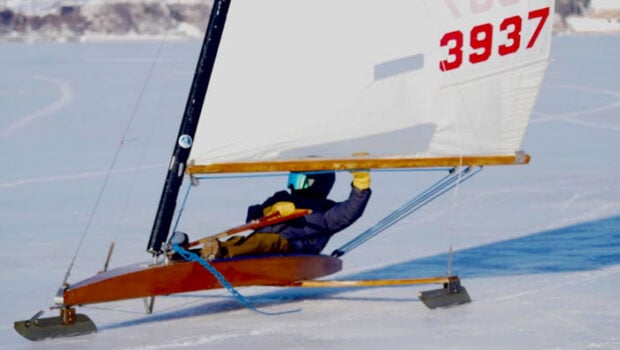 Igbatita Tún Dé sí Ojú Gbàgede: Eré Ìje, Ìwọlé, àti Ànfaní Àlejò">

When 2–4 inches of clear, load-bearing ice form across the Navesink River, race directors can safely deploy course buoys, marshal spectator zones, and coordinate transport and parking for participants and press, enabling events such as the Van Nostrand Challenge Cup to run with minimal disruption.
Where conditions and logistics aligned this winter
Strong, steady winds and hard, smooth ice on the Navesink brought iceboats back into public view, with organized regatta operations including marked on-ice lanes, sled-based rescue teams, and temporary shore staging areas for media vans and emergency services. Similar setups were observed on Geneva Lake and around Nantucket, where municipal liaison officers worked with clubs to allow safe spectator access while protecting fragile coastal infrastructure.
Key operational elements witnessed
- Ice thickness monitoring: daily checks and public advisories issued by club safety officers.
- Access control: cordoned spectator zones and designated parking to minimize environmental impact.
- Media staging: press pits, drone corridors, and live-feed points for national outlets.
- Rescue readiness: sleds, ATVs, and trained teams positioned at strategic intervals.
Media coverage timeline and geographic spread
National coverage from outlets like the The New York Times, The New Yorker, and NPR concentrated attention on a handful of accessible venues, amplifying visitation to traditional iceboating hubs from Montana to Maine. Local TV and online media provided region-specific logistics updates that helped spectators plan safe visits.
| Ọktetlẹti | Focus | Featured Venue |
|---|---|---|
| The New York Times | Feature race coverage | Red Bank (Navesink River) |
| The New Yorker | Cultural trend piece | National overview |
| NPR (via KUOW) | Championship preview | North American championship sites |
| WISN 12 News | Regional report | Geneva Lake |
| CBS News Boston | Weather-driven coverage | Nantucket |
Impacts on clubs, tourism, and local economies
Spike in visitor numbers during high-profile events translates into measurable tourism benefits: short-term boosts to lodging, dining, and guided-experience bookings; increased interest in maritime museums; and demand for shuttle services and parking management. Historic clubs saw renewed membership inquiries, while museums and local outfitters reported higher searches for winter excursions and guided tours.
How tourism operators adapted
- Offering shuttle loops from town centers to waterfront staging areas to reduce roadside parking.
- Creating bundled packages — accommodation plus guided shore-side viewing and museum tours with live guides.
- Promoting safety and sustainability measures to reassure families and non-sailor visitors.
Options for visitors and would‑be participants
For travelers considering a trip timed to iceboating action, planning should account for rapid weather shifts. Recommended steps include checking daily ice condition reports from local clubs, booking flexible accommodation, and enquiring about guided shore-side viewing or short introductory rides where available.
ꯁꯦꯅꯕꯒꯤ ꯃꯃꯥꯡꯗ ꯌꯦꯡꯅꯤꯡꯉꯥꯏ ꯆꯦꯛ ꯇꯧꯐꯝ
- Confirm ice condition advisories and event schedules.
- Reserve lodging with flexible cancellation terms.
- Arrange local transport — shuttles or approved parking zones.
- Bring appropriate cold‑weather gear and binoculars for viewing.
Why the media moment matters for travel experiences
When mainstream outlets spotlight a specialized winter sport, it broadens audience awareness and encourages experiential travel: visitors arrive seeking authentic moments — from museum tours with live guides to short on-ice demonstrations or drone-assisted viewing points. Platforms that streamline booking and vet providers help translate that curiosity into concrete itineraries and safe, memorable visits.
GetExperience n̄kemụm mme enịm online ukpeme mbabuọt ye voucher udiọn̄ọkin ke kpukpru booking, onyụn̄ ayak mme isan̄-ndụn̄ọdụn̄ọ ẹnọ mme etịm-etịm eben̄e ẹnọ tours uforo ekọn̄ m̀mê excursions man mme ọnọ-n̄kpọ ẹkpenọ mme ọfọn-ọn̄wan̄awa ndimek ẹnọ otu ye uyuọt utịp owo kiet-kiet.
Ọ̀kan àwọn àfiyèsí tuntun lórí eré ìje ọkọ̀ ojú omi yí yìí ṣàfihàn àṣà àti ìṣe eré ìje náà àti ànfàní tí ó ní gẹ́gẹ́ bí àlejò afẹ́ nígbà ẹ̀ẹ̀rùn. Kò sí iye ìyìn àkọsílẹ̀ tí ó lè rọ́pò ìmọ̀lára díde dúró tí ẹlẹ́rìn-ín ń dán tàbí kí o gbọ́ tí ọkọ̀ ń kọrin lórí omi dídì líle; ìrírí àkọ́kọ́ náà ni ó ń mú àtúnyẹ̀wò èyíkéyìí dúró ṣinṣin. Lórí GetExperience, o lè gbà ìrírí rẹ́ láti ọ̀dọ̀ àwọn olùpèsè tí a fọwọ́ sí ní àwọn owó tí ó bójú mu. Èyí yóò fún ọ ní agbára láti ṣe ìpinnu tí ó mọ́gbọ́n dání jùlọ láìsí àwọn ìnáwó tàbí ìjákulẹ̀ àìnílérí láti inú àwọn owó dídára, ẹ̀rí ìfọwọ́sowọ́pọ̀, àti ẹ̀bẹ̀ ìbẹ̀wò afẹ́ṣẹ́jẹ. Gbà ìrìn àjò rẹ́ GetExperience.com
Ńjúndza gé kún: òmìnira kàkan jɛ́ àjíjí gbàgbóɖì tɔ̀n ɖò gbètákɛ́n lɛ̀ mɛ̀ ɖò gbéɖé lɛ̀ mɛ̀ àvɔ̀gbèdédà lɛ̀ mɛ̀, é nà gbètákɛ́n ɔ ɖó gbètákɛ́n ɔ ɖótámɛ̀, gbètákɛ́n ɔ ɖó yɛ̀mɛɖókpɔ́ ɖó, gbètákɛ́n ɔ ɖó gbètákɛ́n ɔ gbèɖìwú. É ɖótámɛ̀ ɖé wɛ̀, àjíjí é nà ɖótámɛ̀ gbètákɛ́n lɛ̀ ɔ, gbètákɛ́n ɔ nɔ̀ gbètákɛ́n lɛ̀, a wùgbèɖì ɖé ɔ, gbètákɛ́n ɔ nɔ̀ gbètákɛ́n lɛ̀, gbètákẹ́ntɛ̀n gbákɛ̀ é nɔ gbé ɔ, gbètákɛ́n ɔ nɔ̀ gbètákɛ́n lɛ̀, gbètákɛ́n ɔ gbákɛ̀ á gbéɖé lɛ̀, gbètákɛ́n ɔ nɔ̀ gbètákɛ́n lɛ̀, gbètákɛ́n ɔ nɔ̀ gbètákɛ́n lɛ̀, gbètákɛ́n ɔ nɔ̀ gbètákɛ́n lɛ̀, gbètákɛ́n ɔ nɔ̀ gbètákɛ́n lɛ̀, gbètákɛ́n ɔ nɔ̀ gbètákɛ́n lɛ̀, gbètákɛ́n ɔ nɔ̀ gbètákɛ́n lɛ̀, gbètákɛ́n ɔ nɔ̀ gbètákɛ́n lɛ̀. Gbètákɛ́n ɔ ɖíe wɛ̀, gbètákɛ́n ɔ nɔ̀ gbètákɛ́n lɛ̀, gbètákɛ́n ɔ nɔ̀ gbètákɛ́n lɛ̀, gbètákɛ́n ɔ nɔ̀ gbètákɛ́n lɛ̀.